
Asia
Underrated Southeast Asian Cities: Vung Tau, Singapore & Lombok Beyond the Guidebook
Discover three compelling Southeast Asian destinations beyond the usual tourist trail: Vung Tau’s coastal charm, Singapore’s hidden neighborhoods, and Lombok’s quieter is

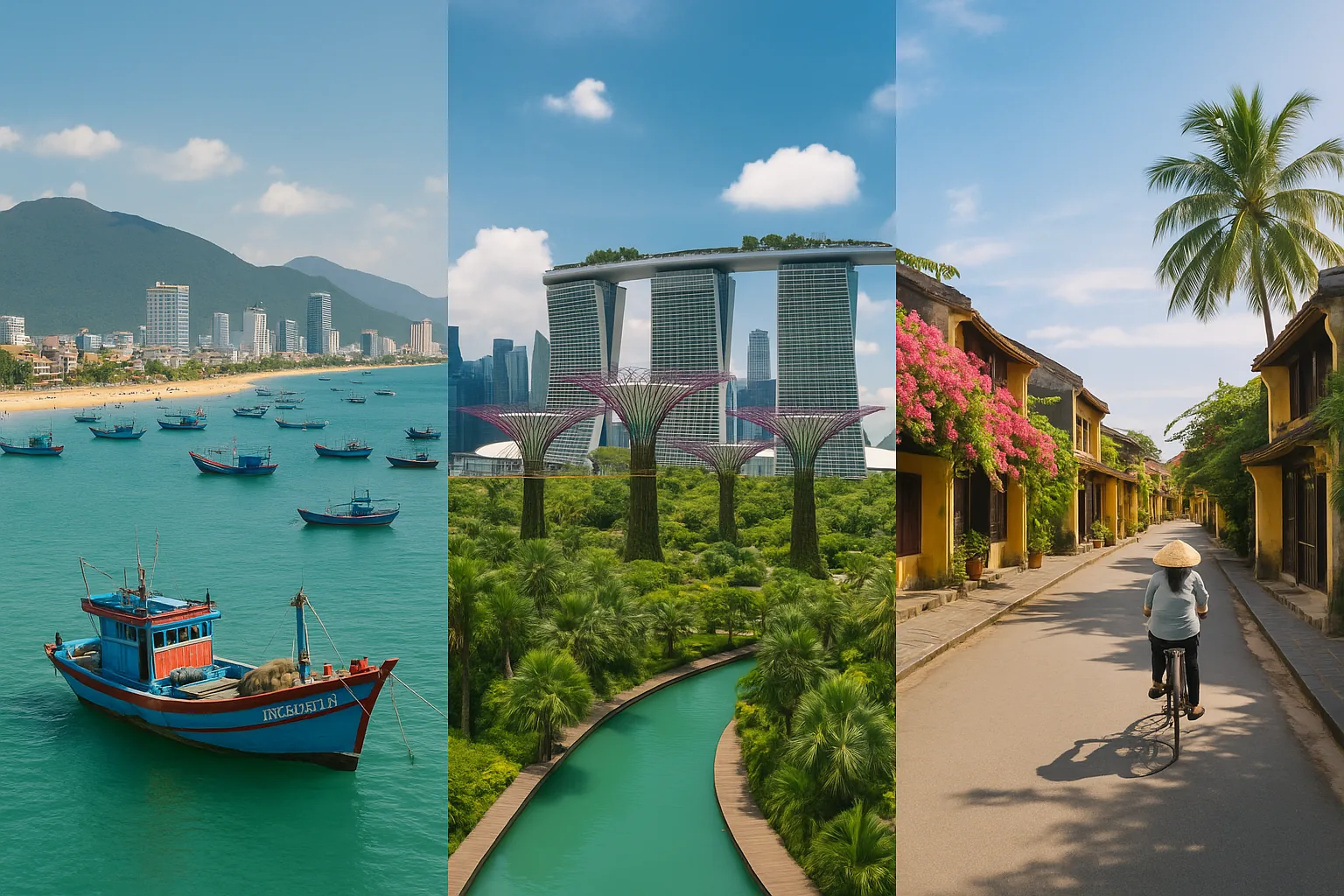
Southeast Asia has a way of pulling you in and never quite letting go. Most travelers already know about Bangkok’s street food chaos, Bali’s rice terraces, and Hanoi’s Old Quarter — and those places are worth every bit of their reputation. But the region stretches far beyond the highlights reel. Among the most rewarding discoveries are the underrated Southeast Asian cities and islands that sit just outside the tourist mainstream, places where you can wander without a crowd at your shoulder, eat where the locals eat, and actually feel like you’re somewhere real. Vung Tau in Vietnam, Singapore’s lesser-explored neighborhoods, and the island of Lombok in Indonesia each offer something distinct — and together they make a compelling case for building a Southeast Asian itinerary that goes a little deeper.
Vung Tau: Vietnam’s Coastal Escape That Tourists Keep Missing
Most travelers flying into Ho Chi Minh City spend a day or two in the city and then head north toward Hoi An or Da Nang. That’s completely understandable. But if you head southeast instead, you’ll find a coastal city with a completely different energy — Vung Tau, a place where Vietnamese families come to unwind on weekends and where the pace of life feels several notches slower than the urban intensity of the south.
The city sits on a small peninsula, which means you’re never far from the water no matter where you are. The coastline splits into distinct beach areas, each with its own character. Some stretches are calm and family-oriented, lined with small restaurants and vendors selling fresh seafood. Others are quieter, almost deserted during the week, where you can walk for stretches without passing another tourist.
The local seafood scene here is genuinely worth making the trip for. Early mornings near the waterfront bring fishing boats back to shore, and the markets that follow are lively, chaotic in the best way, and full of things you won’t easily find on a restaurant menu elsewhere. Grilled clams, fresh prawns, and bánh khọt — small savory rice pancakes that are a regional specialty — are the kind of food that makes you wish you’d come hungry.
Beyond the beaches and the food, Vung Tau has a quiet historical layer worth exploring. The city was a significant location during the French colonial period, and you can still see that influence in some of the older architecture scattered through the center. There’s also a large statue of Christ on the hill overlooking the city — a striking landmark that you can hike up to, and the views from the top across the South China Sea are the kind that stay with you.
Getting here from Ho Chi Minh City is easy and relatively inexpensive. High-speed ferries make the journey in roughly an hour and a half, and the ride across the river delta is an experience in itself. For accommodation, the city offers everything from guesthouses and budget-friendly local hotels to slightly more polished mid-range options along the beachfront. You won’t find international luxury chains dominating the skyline here, which is honestly part of the appeal.
Singapore: The City That Rewards Slow Exploration
Singapore gets a reputation as an expensive stopover city, somewhere you pass through on the way to somewhere else. That reputation is only half true. Yes, it’s one of the pricier destinations in the region. But it’s also one of the most layered, and if you give it more than 24 hours, it starts to reveal itself in ways that most visitors completely miss.
👉 Read also: Southeast Asia Beyond the Backpacker Trail: Vung Tau, Hat Yai & Kuala Lumpur's Real Neighborhoods
The city-state is a remarkable example of how different cultures can coexist in a dense, modern urban environment. Kampong Glam, the Arab Quarter, is one of the most atmospheric neighborhoods in the entire region — narrow streets lined with independent boutiques, fragrant spice shops, and the stunning golden dome of the Sultan Mosque rising above it all. A short distance away, Little India hits you with color and sound: garlands of jasmine, the smell of incense, textile shops spilling out onto the pavement, and restaurants serving some of the best South Indian food you’ll find outside of India itself.
Then there’s Chinatown, which manages to feel genuinely lived-in rather than touristy, especially if you wander into the residential streets just behind the main drag. Hawker centers throughout the city are where Singapore’s food culture really lives — open-air markets where dozens of stalls serve everything from char kway teow to laksa to Hainanese chicken rice, the latter being something of a national dish and absolutely worth seeking out.
Singapore also functions as one of the best transport hubs in all of Southeast Asia, which makes it a genuinely practical base for building a wider regional itinerary. Flights connect the city to virtually every major destination across the region, often at very competitive prices. If you’re planning a multi-country trip, routing through Singapore isn’t just convenient — it gives you a chance to spend a few days in a city that genuinely deserves more of your time.
For budget-conscious travelers, Singapore isn’t as inaccessible as its reputation suggests. Hostel accommodation in the city is well-developed, with options in most of the key neighborhoods. Eating at hawker centers keeps food costs very manageable. The public transport system is efficient and inexpensive. The trick is to treat Singapore less like a luxury destination and more like a city to be explored on foot, neighborhood by neighborhood, meal by meal.
Lombok: The Island That Bali Used to Be
Lombok is often described in relation to its famous neighbor — the island to the west that has become one of the most visited places on earth. That comparison is inevitable, but it also undersells what Lombok actually is. This is an island with its own culture, its own landscape, its own rhythms, and its own reasons to visit that have nothing to do with Bali at all.
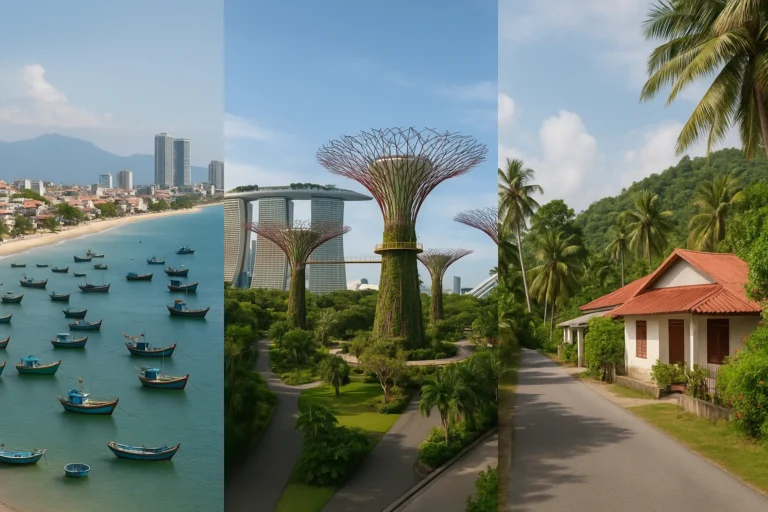
The Sasak people, Lombok’s indigenous community, have a culture that’s distinct from Balinese Hinduism — the island is predominantly Muslim, and that shapes everything from the architecture to the local food to the pace of daily life. Visiting traditional Sasak villages gives you a window into a way of life that feels genuinely authentic rather than staged for tourism. Weaving is a significant part of local culture, and watching artisans work on handmade textiles is one of those quiet, memorable experiences that you don’t plan for but end up thinking about long after you’ve left.
The landscape is dramatic in a way that surprises first-time visitors. Mount Rinjani, one of the highest volcanoes in Indonesia, dominates the northern part of the island and draws serious trekkers from around the world. The multi-day climb to the summit crater lake is genuinely challenging, but the views and the sense of accomplishment are proportional to the effort. Even if you’re not up for the full trek, the foothills and surrounding national park offer excellent hiking through lush forests.
👉 Read also: Southeast Asia's Emerging Cities: Vung Tau, Hat Yai & Songkhla Beyond the Tourist Trail
Lombok also serves as the main gateway to the Gili Islands — three small coral-fringed islands just off the northwest coast that are among the most beautiful in the region. Each of the three Gilis has its own personality: one is more social and lively, one is quieter and good for families, and one is almost entirely peaceful, with little more than a few bungalows, hammocks, and some of the best snorkeling in Indonesia. There are no motorized vehicles on any of the Gilis, which gives them a timeless, unhurried quality that’s increasingly rare in Southeast Asia.
Getting to Lombok is straightforward — the island has its own international airport with connections to several regional hubs, and fast boats from Bali make the crossing in a couple of hours. Accommodation ranges from simple surfer-friendly guesthouses in the south near Kuta Lombok (a different Kuta from the one in Bali, and much quieter) to mid-range boutique stays along the west coast. Prices across the board tend to be noticeably lower than equivalent options in Bali, which makes it easier to stay longer and explore at a slower pace.
Building Your Southeast Asian Itinerary Around These Three Destinations
One of the things that makes these three destinations work so well together is how different they are from each other. Vung Tau gives you coastal Vietnam without the tourist infrastructure of more famous beach towns. Singapore gives you a dense, multicultural urban experience with world-class food and easy onward connections. Lombok gives you island life with genuine cultural depth and natural drama.
A practical route might look something like this: fly into Ho Chi Minh City, take a day or two in the city itself, then head to Vung Tau for a few days of beach time and local exploration. From Ho Chi Minh City, connect to Singapore — the flight is short and usually affordable — and spend three to four days exploring the city’s neighborhoods and hawker culture. From Singapore, fly to Lombok and base yourself there for a week or so, with day trips or overnight stays on the Gili Islands built in.
This kind of itinerary lets you move through three countries, experience genuinely different cultures and landscapes, and do it all without fighting through the crowds that tend to gather around Southeast Asia’s most famous destinations. You’ll share beaches with Vietnamese families on holiday, eat at hawker stalls alongside office workers on their lunch breaks, and watch the sun set over the Indian Ocean from a hammock on an island with no cars.
The Indie Traveller Indonesia guide is a solid starting point for planning the Lombok portion of any trip, with practical information on getting around the island and making the most of your time there.
What to Know Before You Go
A few practical things worth keeping in mind as you plan:
- Visa requirements vary by nationality across all three destinations — check current entry requirements well in advance, as policies can change.
- Weather patterns differ significantly across the region. Vietnam’s south, Singapore, and Lombok each have their own wet and dry seasons, so timing your visit matters if you want to avoid heavy rainfall.
- Currency is different in each country — Vietnamese Dong, Singapore Dollar, and Indonesian Rupiah. Having a travel card with low foreign transaction fees makes moving between them much easier.
- Connectivity is generally excellent across all three destinations. Local SIM cards are inexpensive and widely available, and most accommodation options offer reliable Wi-Fi.
- Respect local customs — this is especially important in Lombok, where modest dress is appreciated when visiting villages and mosques, and in Singapore, where local rules around public behavior are taken seriously.
Among the most rewarding aspects of exploring underrated Southeast Asian cities and islands like these is the feeling that you’re discovering something on your own terms. The region contains multitudes — it stretches across Vietnam, Cambodia, Burma, Thailand, Malaysia, Singapore, Brunei, the Philippines, and Indonesia, each country layered with its own histories, languages, and landscapes. The well-known destinations are well-known for good reason, but the places that sit just outside the main tourist circuit often leave the deepest impressions. Vung Tau, Singapore’s quieter corners, and Lombok are three very different answers to the same question: what happens when you look a little further? The answer, more often than not, is that you find exactly what you were looking for — and a few things you weren’t expecting at all.
This article was produced with AI assistance and reviewed editorially.


Teaching English Abroad in 2026: Top Countries, Visa Requirements & Real Salaries

Where to Stay in Latin America’s Top Destinations: Buenos Aires, Bogota & Beyond


