
Costa Rica
Costa Rica for Young Explorers: Where to Stay, What to Do Beyond the Tourist Trail
Explore Costa Rica like a true independent traveler with this guide covering hidden neighborhoods, lesser-known activities, local food scenes, and budget tips for authent

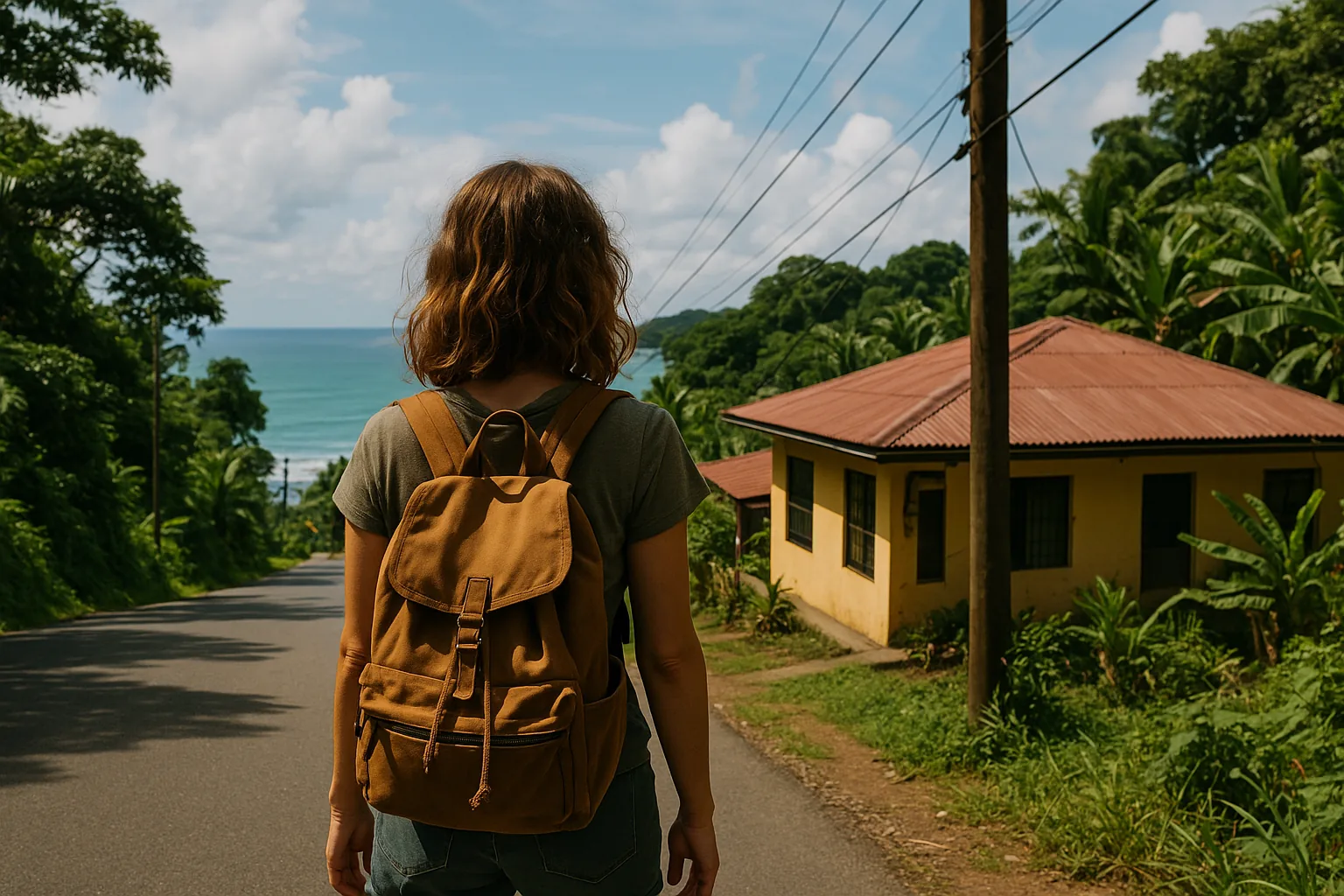
Costa Rica has a way of getting under your skin. You arrive expecting lush jungles and good surf, and you leave with something harder to explain — a slower pace, a sharper sense of wonder, and the nagging feeling that you only scratched the surface. This Costa Rica independent travel guide is built for exactly that kind of traveler: someone who wants to go deeper, move freely, and find the version of pura vida that doesn’t come pre-packaged on a tour bus. Whether you’ve got two weeks or a month, traveling solo or with a small crew, this is where the real adventure starts.
Why Costa Rica Still Rewards the Independent Traveler
It’s no secret that Costa Rica receives millions of visitors every year, drawn by its reputation as one of the world’s great ecotourism destinations. That kind of popularity comes with trade-offs. Certain beaches get crowded. Certain zip-line operators feel more like theme parks than nature experiences. Popular national parks can fill up fast, especially during dry season.
But here’s the thing: Costa Rica is genuinely vast and varied. Most visitors cluster in a handful of well-known spots, which means that with a little planning and a willingness to move independently, you can find stretches of coastline, cloud forest trails, and local neighborhoods that feel completely untouched. The country rewards curiosity. The further you’re willing to go from the obvious path, the more it gives you back.
Traveling independently also means you set the pace. You can linger in a village that wasn’t on your original itinerary, change your plans when a local tells you about a waterfall three kilometers down a dirt track, or simply spend an entire morning watching howler monkeys from a hammock. That kind of freedom is what this guide is designed to protect.
Getting Your Bearings: San José as a Starting Point
Most independent travelers land in San José, and many rush straight through it. That’s understandable — the city isn’t the country’s most photogenic entry point — but it’s worth slowing down for at least a day or two. The capital has a real energy if you know where to look.
One important thing to understand before you arrive: San José’s neighborhoods differ significantly in safety and walkability within just a few blocks. This isn’t a city where you can wander in any direction and feel equally comfortable. Do your research on which barrios suit your vibe and your budget. Areas like Barrio Amón and Escalante tend to attract younger travelers for good reason — they have independent cafés, street art, local restaurants, and a more relaxed atmosphere than the city center.
Escalante in particular has developed a genuine food scene over recent years. You’ll find small restaurants run by locals, specialty coffee shops, and the kind of corner spots where you sit outside and watch the neighborhood go by. It’s not glamorous, but it’s real, and that matters.
From San José, the rest of the country fans out in every direction. The city is your logistical hub — stock up on supplies, sort your transport, eat well, and then move.
The Osa Peninsula: Going as Far Off the Map as It Gets
If you only take one piece of advice from this entire Costa Rica independent travel guide, make it this: seriously consider the Osa Peninsula. This remote, rarely visited corner of the country is where untouched rainforest meets the Pacific in a way that feels almost prehistoric. It’s one of the most biodiverse places on the planet, and it remains genuinely wild.
Getting there is part of the experience. A domestic flight from San José to Puerto Jiménez takes around 45 minutes on SANSA Airlines, departing from Tobias Bolaños Airport in Pavas. It’s a small prop plane, the kind where you can see the jungle canopy rushing beneath you on approach. Alternatively, you can get there by bus and boat, which takes considerably longer but costs less and gives you a ground-level sense of how the landscape changes as you head south.
From Puerto Jiménez, the adventure continues. Cabo Matapalo sits roughly 25 kilometers south of town — about a 40-minute drive on a mix of pavement and gravel road. During green season (roughly May through November), a 4×4 vehicle is non-negotiable for reaching Cabo Matapalo. The roads can become seriously challenging after heavy rain. If you’re not renting a vehicle, ask locally about shared transport options or arrange a transfer in advance.
👉 Read also: Costa Rica for First-Time Explorers: Hidden Stays Beyond the Tourist Trail
What you find when you get there is extraordinary. Scarlet macaws flying overhead. Monkeys in the canopy. Surf breaks with almost no one on them. Hiking trails into primary rainforest that feel genuinely exploratory. This is the kind of place that makes you understand why people fall completely in love with Costa Rica.
La Fortuna, Arenal, and the Hike Nobody Talks About
The La Fortuna and Arenal Volcano area is one of Costa Rica’s most visited regions, and for obvious reasons — the volcano is dramatic, the hot springs are genuinely wonderful, and the surrounding landscape is lush and varied. But even here, there’s a way to step off the well-worn path.
Cerro Chato is the hiking destination in this area that independent travelers tend to discover and then quietly recommend to each other. While Volcán Arenal dominates the tourist literature, Cerro Chato — a dormant volcano with a crater lake — offers a more challenging, more rewarding hike for those willing to put in the effort. The trail is steeper and less manicured than some of the area’s more commercial routes, which is exactly the point.
Beyond the hikes, La Fortuna itself is worth exploring slowly. The town has grown significantly with tourism, but venture a little outside the main drag and you’ll find local sodas — the small, family-run restaurants that are the backbone of Costa Rican food culture — serving casado (a classic rice, beans, salad, and protein plate) for a fraction of what the tourist-facing restaurants charge. Eating at sodas isn’t just a budget move; it’s genuinely one of the best ways to connect with how people actually live and eat here.
Beach Destinations Worth the Extra Journey
Costa Rica’s coastline is long and varied, and the beaches that end up on every highlight reel are rarely the ones that stay with you longest. Two destinations that consistently come up when independent travelers share their honest recommendations are Sámara and Santa Teresa.
Sámara, on the Nicoya Peninsula’s Pacific coast, has a laid-back quality that’s increasingly hard to find in Costa Rica’s beach towns. It’s the kind of place where the main street is still walkable, the surf is manageable for beginners, and the evenings feel genuinely local. You’ll find a mix of travelers and long-term expats, but the community hasn’t been entirely reshaped by tourism yet. Stay for a few days and you’ll start to recognize faces.
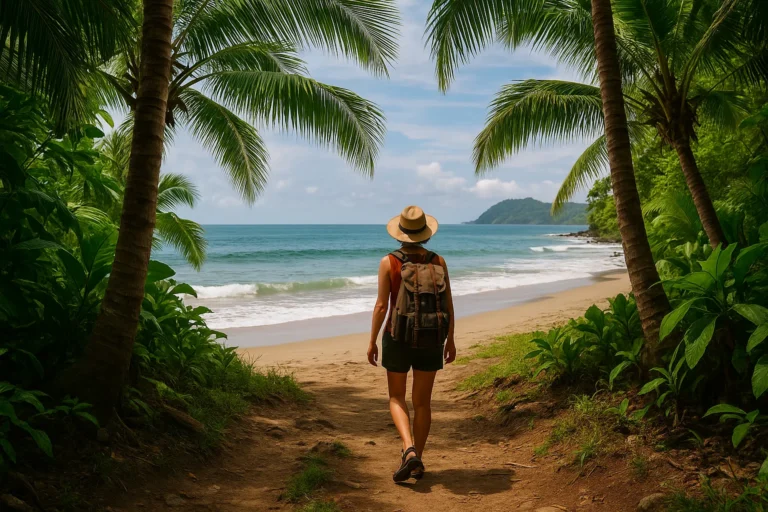
Santa Teresa has a different energy — more surf-focused, more international, with a creative community that’s settled around the waves and the lifestyle. It’s not undiscovered, but it rewards those who explore beyond the main road. Rent a bike, follow the dirt tracks, and you’ll find quiet spots that the beach-hopping day-trippers miss entirely.
Both destinations take some effort to reach, which is part of what keeps them feeling relatively genuine. The journey — whether by bus, ferry, or a combination of both — is part of the experience. Don’t rush it.
Practical Transport: Moving Around Like a Local
One of the things that separates a good independent trip from a great one in Costa Rica is understanding how to move around efficiently without defaulting to expensive private shuttles for every leg of the journey.
Public buses are the backbone of budget travel here. They’re inexpensive, they go almost everywhere, and riding them puts you alongside locals rather than in a tourist bubble. The trade-off is time — journeys that look short on a map can take several hours once you account for winding mountain roads, stops, and connections. Build that time into your plans rather than fighting it.
For more remote destinations like the Osa Peninsula, domestic flights make genuine sense, especially if your time is limited. The flight from San José to Puerto Jiménez, as mentioned, takes 45 minutes versus a full day of travel by ground. For a region that remote, that’s often worth the extra cost.
👉 Read also: Costa Rica Beyond the Guidebook: Real Itineraries & Where to Actually Stay
If you’re planning to explore multiple Pacific coast destinations or venture into areas with unpaved roads, renting a vehicle gives you a level of freedom that’s hard to replicate. Just factor in the cost of a 4×4 if you’re traveling during or just after the green season, and always ask locally about current road conditions before setting out. What looks passable on Google Maps can be a very different story on the ground.
Rideshare apps operate in some urban areas, and taxis are widely available in towns. For shorter hops between beach towns, colectivo taxis — shared rides that run set routes — are an affordable middle ground worth knowing about.
Budgeting Without Sacrificing the Experience
Costa Rica isn’t the cheapest destination in Central America, and it’s worth being honest about that upfront. But it’s very possible to travel here on a genuine backpacker budget if you make smart choices, and equally possible to spend significantly more if you’re not paying attention.
The biggest variables are accommodation and transport. Hostels in popular areas offer dorm beds at prices that make the destination accessible, and many of the best ones have genuine community atmospheres — common areas where you’ll meet other travelers, kitchens where you can cook your own meals, and staff who actually know the region well. In more remote areas like the Osa Peninsula, accommodation options narrow and prices tend to rise, so factor that into your planning.
Food costs vary dramatically depending on where you eat. A meal at a local soda can cost a fraction of what you’d pay at a restaurant catering to tourists, and the food is often better — fresher, more generous, and more representative of what Costa Ricans actually eat. Rice, beans, fresh fruit, and seafood near the coast form the foundation of an affordable, genuinely satisfying diet here.
Activities are where costs can escalate quickly. Many of the country’s most memorable experiences — hiking, swimming in rivers, exploring local markets, watching wildlife from the roadside — cost nothing or very little. Paid experiences like white-water rafting, surf lessons, or guided wildlife tours are worth budgeting for selectively, but you don’t need to do everything. Some of the best moments in Costa Rica are completely free.
Connecting with Local Communities
The most meaningful travel experiences in Costa Rica tend to happen when you slow down enough to actually connect with the people who live there. This is easier than it might sound, because pura vida isn’t just a phrase — it reflects a genuine warmth and openness that you’ll encounter constantly if you’re paying attention.
Learning even basic Spanish before you arrive makes an enormous difference. You don’t need to be fluent. Being able to order food, ask for directions, and exchange a few words of genuine conversation opens doors that staying in English keeps firmly shut. People respond to the effort, and the interactions you’ll have as a result are often the ones you remember most vividly.
Consider spending time in smaller towns and villages rather than moving constantly between major tourist destinations. Staying in one place for several days lets you become a familiar face at the local café, find the market where people actually shop, and understand the rhythm of daily life in a way that a single overnight never can. That kind of depth is what transforms a holiday into something that genuinely changes how you see the world.
For practical planning and up-to-date entry information, the official Costa Rica Tourism Board is a reliable starting point before your trip.
Costa Rica rewards the traveler who comes with curiosity rather than a checklist. The jungle doesn’t care about your itinerary, the surf doesn’t wait for perfect conditions, and the best conversations happen when you put the phone away and just show up. Go with a loose plan, stay open to detours, and trust that the country will give you exactly what you need — usually from a direction you weren’t expecting.
This article was produced with AI assistance and reviewed editorially.


Teaching English Abroad in 2026: Top Countries, Visa Requirements & Real Salaries

Where to Stay in Latin America’s Top Destinations: Buenos Aires, Bogota & Beyond


