
Costa Rica
Costa Rica for First-Time Explorers: Hidden Stays Beyond the Tourist Trail
Discover where budget travelers actually stay in Costa Rica—from Puerto Viejo to Montezuma. Find hostels, local food scenes, and authentic experiences beyond the typical

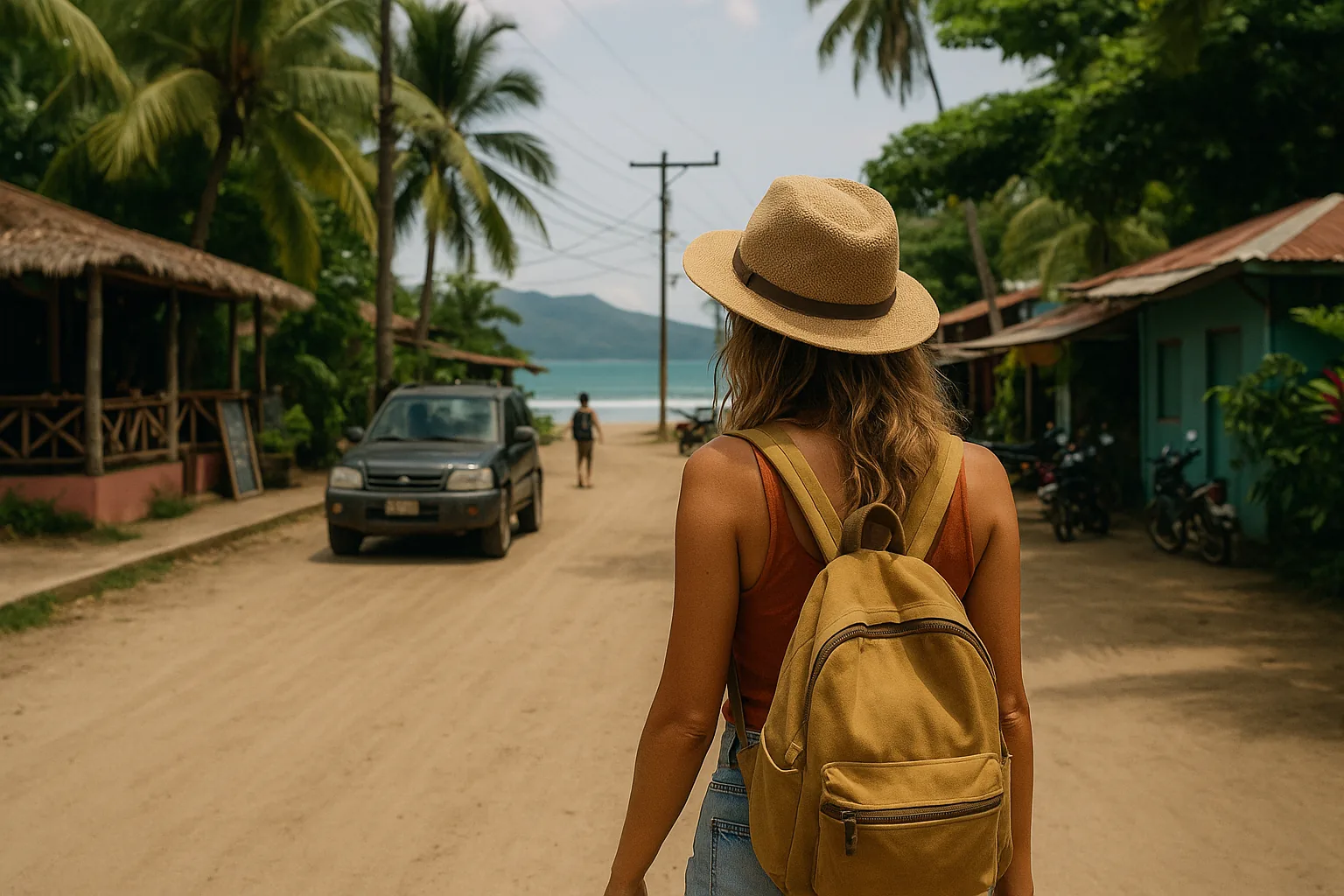
Costa Rica has a way of pulling you in before you even land. You’ve seen the photos — the impossibly green rainforests, the toucans perched on branches, the volcanic peaks disappearing into clouds — and you’re already sold. But here’s the thing most first-time visitors discover too late: the places on every highlight reel are often the places where you’ll feel least like yourself. If you’re serious about costa rica hidden gems budget travel, the real adventure starts the moment you step off the tourist conveyor belt and find the version of this country that doesn’t show up on a generic itinerary.
Why Costa Rica Rewards Travelers Who Go Deeper
There’s a phrase you’ll hear constantly in Costa Rica: pura vida. Literally translated as “pure life,” it’s a greeting, a farewell, a philosophy, and a way of measuring whether you’re doing things right. The thing is, you can’t really feel pura vida in a resort lobby surrounded by other tourists waiting for the same zip-line tour. You feel it when a local family waves you over to share a meal, or when you find a waterfall with nobody else around, or when the bus breaks down and you end up spending an unexpected afternoon in a village you’d never planned to visit.
Costa Rica is also genuinely accessible for budget travelers. The country has invested heavily in ecotourism infrastructure, which means even remote areas often have clean, well-run hostels, community-led tours, and reliable if sometimes slow public transport. You don’t need a rented SUV and a luxury itinerary to see the best of it. You need curiosity, flexibility, and a willingness to ask locals where they actually go.
The Caribbean Coast: Puerto Viejo and the Slow Life
Puerto Viejo de Talamanca sits on Costa Rica’s southern Caribbean coast, and it operates on a completely different rhythm from the Pacific side. The vibe here is relaxed, colorful, and genuinely multicultural — a blend of Afro-Caribbean, Indigenous Bribri, and Tico (the affectionate term for Costa Ricans) cultures that shows up in everything from the music drifting out of open-air bars to the food you’ll find at roadside stalls.
The food scene alone is worth the journey. Look for rice and beans cooked in coconut milk — a Caribbean staple that’s entirely different from the Pacific-style version — served alongside fresh fish, fried plantains, and hot sauce that locals make themselves. Eat where you see locals eating. The smaller the plastic table, the better the meal.
Beyond the beach, Puerto Viejo is a base for visiting the Kekoldi Indigenous Reserve, where community-led tours offer a genuine window into Bribri culture, traditional medicine, and sustainable land use. These aren’t performances for tourists — they’re real community projects that you’re invited to learn from. Spending a day here will shift your perspective in ways that no zip-line ever will.
For budget stays, the town and its surrounding villages — Cahuita, Manzanillo — have a solid range of hostels and guesthouses. You’ll find hammock-strewn common areas, communal kitchens, and the kind of fellow travelers who are actually interesting to talk to.
The Nicoya Peninsula: Montezuma’s Untamed Edge
Getting to Montezuma is half the experience. The most memorable route involves a ferry crossing the Gulf of Nicoya from Puntarenas, watching the coastline shrink behind you as pelicans skim the water alongside the boat. When you arrive on the Nicoya Peninsula, the pace immediately drops a gear.
Montezuma itself is small, slightly scruffy in the best possible way, and surrounded by jungle that presses right up against the edges of town. It attracts a mix of backpackers, artists, and long-term travelers who came for a week and stayed for a month. The energy is creative and unhurried — people read books in hammocks, play guitar on the beach at sunset, and argue passionately about the best waterfall hike.
👉 Read also: Central America's Hidden Cities: Santa Ana and Estelí Beyond the Beaten Path
And there are waterfalls worth arguing about. The Montezuma Waterfalls are a short hike from town through dense forest, ending at a series of tiered cascades where you can swim in natural pools. Go early in the morning before the day-trippers arrive and you’ll often have the place almost entirely to yourself.
The surrounding Nicoya Peninsula is also one of the world’s recognized Blue Zones — regions where people statistically live longer, healthier lives. Whether or not you buy into the science, it’s a good excuse to slow down, eat well, and spend more time outside. The local diet of beans, corn, tropical fruit, and fresh fish is genuinely delicious and extremely affordable at local markets.
La Fortuna and Arenal: More Than Just a Volcano
Arenal Volcano is one of Costa Rica’s most recognizable landmarks, and La Fortuna — the town at its base — is understandably popular. But popular doesn’t have to mean disappointing, and La Fortuna is a case where the crowds tend to cluster in predictable places, leaving plenty of space for independent explorers.
The volcano itself is dramatic and ever-present, often wreathed in cloud and occasionally visible at dawn before the mist rolls in. But the real draw for budget travelers is the surrounding landscape: hot springs fed by geothermal activity, hanging bridges through cloud forest, and the Río Celeste, a river that runs an otherworldly shade of turquoise blue due to a volcanic mineral reaction. Getting there requires some effort — a hike through Tenorio Volcano National Park — but the reward is one of those rare natural sights that genuinely lives up to its reputation.
La Fortuna also works well as a hub for wildlife spotting. The forests around Lake Arenal are home to howler monkeys, sloths, toucans, and dozens of frog species that only emerge after dark. Night walks with a local guide are usually affordable and almost always deliver sightings that daylight hours can’t match. Look for community-based tour operators rather than large agencies — the guides tend to be more knowledgeable and the money stays in the local economy.
The Osa Peninsula: Where the Jungle Gets Serious
If you want to understand what Costa Rica looked like before roads and resorts, head to the Osa Peninsula. This is one of the most biologically intense places on the planet — a vast sweep of lowland rainforest, mangroves, and coastline that feels genuinely remote even by Costa Rican standards.
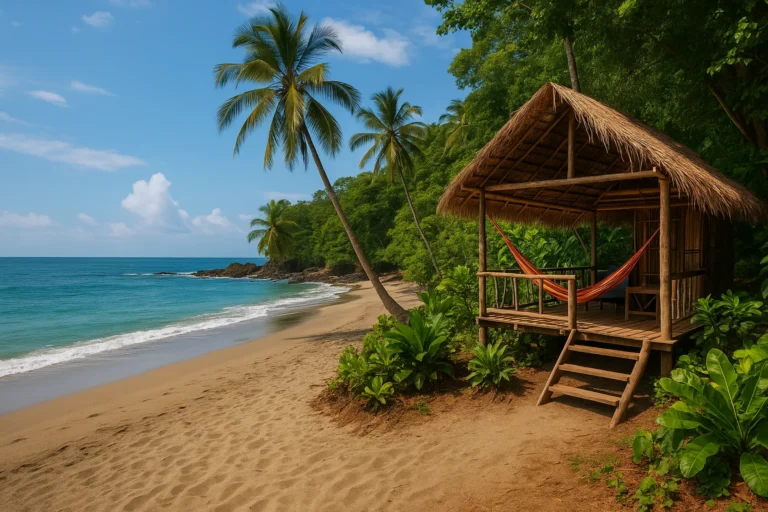
Corcovado National Park, which covers much of the peninsula, is the kind of place that makes wildlife documentaries feel unnecessary. You can walk a beach at sunrise and watch scarlet macaws fly overhead in pairs, spot tapirs wading through river crossings, and find sea turtle tracks in the sand from the night before. Entry requires a guide, which is both a regulation and a genuine advantage — local guides know where to look and what you’re looking at.
The Osa is not the easiest place to reach or the cheapest to explore, but it rewards the effort with an intensity of experience that more accessible parts of Costa Rica simply can’t match. The small town of Puerto Jiménez serves as the main gateway and has a growing number of budget-friendly guesthouses and eco-hostels. For a more upscale option in the area, Lapa Rios Ecolodge is a well-regarded property that combines comfort with genuine conservation work — though it’s worth saving for a splurge night rather than a budget base.
Ojochal and the Southern Pacific: A Quieter Kind of Discovery
Ojochal doesn’t appear on many first-timer itineraries, which is precisely what makes it worth your attention. This small village on the southern Pacific coast has developed a quiet reputation among travelers who’ve already done the highlights and want something less scripted. The surrounding coastline is dramatic — rocky headlands, empty beaches, and estuaries where crocodiles sun themselves with startling indifference to passing kayaks.
👉 Read also: Backpacking Central America & Cuba: Routes, Costs & Where Young Travelers Actually Stay
The area around Ojochal and the nearby Ballena Marine National Park is excellent for whale watching during the right seasons, and the whale tail sandbar that appears at low tide is one of those genuinely surreal natural formations that makes you stop and stare. Snorkeling, diving, and kayaking are all accessible without the crowds you’d encounter further north.
The village itself has a small but surprisingly good food scene — a legacy of the international community that settled here over the years. You can eat well without spending much, especially if you shop at local markets and cook in hostel kitchens when the mood strikes.
Hidden Corners of Guanacaste: Beyond the Beach Resorts
Guanacaste is Costa Rica’s driest province, and it’s the one most associated with all-inclusive resorts and package holidays. But venture inland and the picture changes completely. Near the small village of Curubandé, the La Leona Waterfall is a genuine hidden gem — a powerful cascade tucked into the landscape that sees a fraction of the visitors that more famous falls attract. Getting there involves some navigating and a willingness to ask for directions, but that’s often how the best places work.
The dry forest ecosystem of inland Guanacaste is also worth exploring in its own right. During the dry season, the trees lose their leaves and the landscape takes on a golden, almost savanna-like quality that’s completely different from the lush green Costa Rica of postcards. Wildlife is often easier to spot when the undergrowth thins out — deer, coatis, and an extraordinary variety of birds become visible in ways they aren’t during the rainy months.
Planning Smart: Timing, Transport, and Staying on Budget
Costa Rica has two broad seasons: the dry season (roughly December through April) and the green season (May through November). The dry season brings reliable sunshine and peak tourist numbers, especially around Christmas, New Year, and Easter. If you’re flexible, traveling in the shoulder months — May, June, or November — gives you lower prices, thinner crowds, and landscapes that are genuinely, vividly green from recent rains.
Getting around on a budget means embracing the public bus network, which is extensive, inexpensive, and genuinely useful for reaching most of the destinations in this guide. Buses run between major towns regularly, and even more remote areas usually have at least one daily service. Journey times can be long — crossing from the Caribbean coast to the Pacific involves several hours and usually a connection through San José — but the rides themselves are part of the experience. You’ll pass through landscapes that would cost a fortune to see any other way.
For accommodation, look beyond the big booking platforms and check local Facebook groups, hostel notice boards, and word-of-mouth recommendations from other travelers you meet on the road. Many of the best budget stays in Costa Rica — small family-run guesthouses, community eco-lodges, surf camps with spare beds — don’t advertise heavily online. The Two Weeks in Costa Rica blog is a solid starting point for researching lesser-known regions, with regularly updated guides to destinations that don’t make the standard highlight reels.
Activities That Actually Connect You to the Place
Zip-lining is fun. We’re not going to pretend otherwise. But if it’s the only activity on your list, you’re going to miss the texture of what makes Costa Rica genuinely special. Some alternatives worth building your days around:
- Community-led wildlife tours — especially night walks for frogs and insects, or early morning bird walks with local naturalist guides who can identify species by sound alone
- Cooking classes with local families — learning to make gallo pinto, the rice-and-beans breakfast staple, or Caribbean-style fish dishes gives you something you can take home
- Volunteering with conservation projects — sea turtle monitoring on the Caribbean coast, reforestation programs, and wildlife corridor projects all welcome short-term volunteers and offer a depth of experience that tourism rarely provides
- Exploring local markets — the Saturday markets in smaller towns are where communities actually shop, and spending a morning wandering them is one of the most grounding things you can do in any destination
- River kayaking and mangrove tours — particularly in the Osa Peninsula and around the Gulf of Nicoya, these offer wildlife encounters that feel genuinely wild rather than staged
The costa rica hidden gems budget travel mindset isn’t about being contrarian or avoiding everything popular. It’s about being deliberate — choosing experiences that put you in contact with the real country rather than a curated version of it. Costa Rica is generous with those moments if you’re willing to slow down and look for them.
Wherever you end up — whether you’re watching scarlet macaws rise above the Osa Peninsula at dawn, eating coconut rice on a plastic chair in Puerto Viejo, or finding yourself unexpectedly stranded in a small Guanacaste town with nothing to do but talk to the people who live there — you’ll understand eventually why pura vida isn’t just a saying. It’s a standard. And once you’ve felt it, every trip you take afterward will be measured against it.
This article was produced with AI assistance and reviewed editorially.


Ecuador’s Mountain Capital: Quito as a Base for Jungle, Amazon & Galápagos Adventures

Budget Stays in Japan: Capsule Hotels, Airbnbs & Guesthouses Across Tokyo, Kyoto & Mt. Fuji


