
Asia
Sri Lanka by Backpack: The Route, Costs, and Unmissable Stops
Plan your backpacking trip through Sri Lanka with a tested circuit covering Colombo, Kandy, Ella, and beaches. Learn budget costs, train routes, and local transport tips.

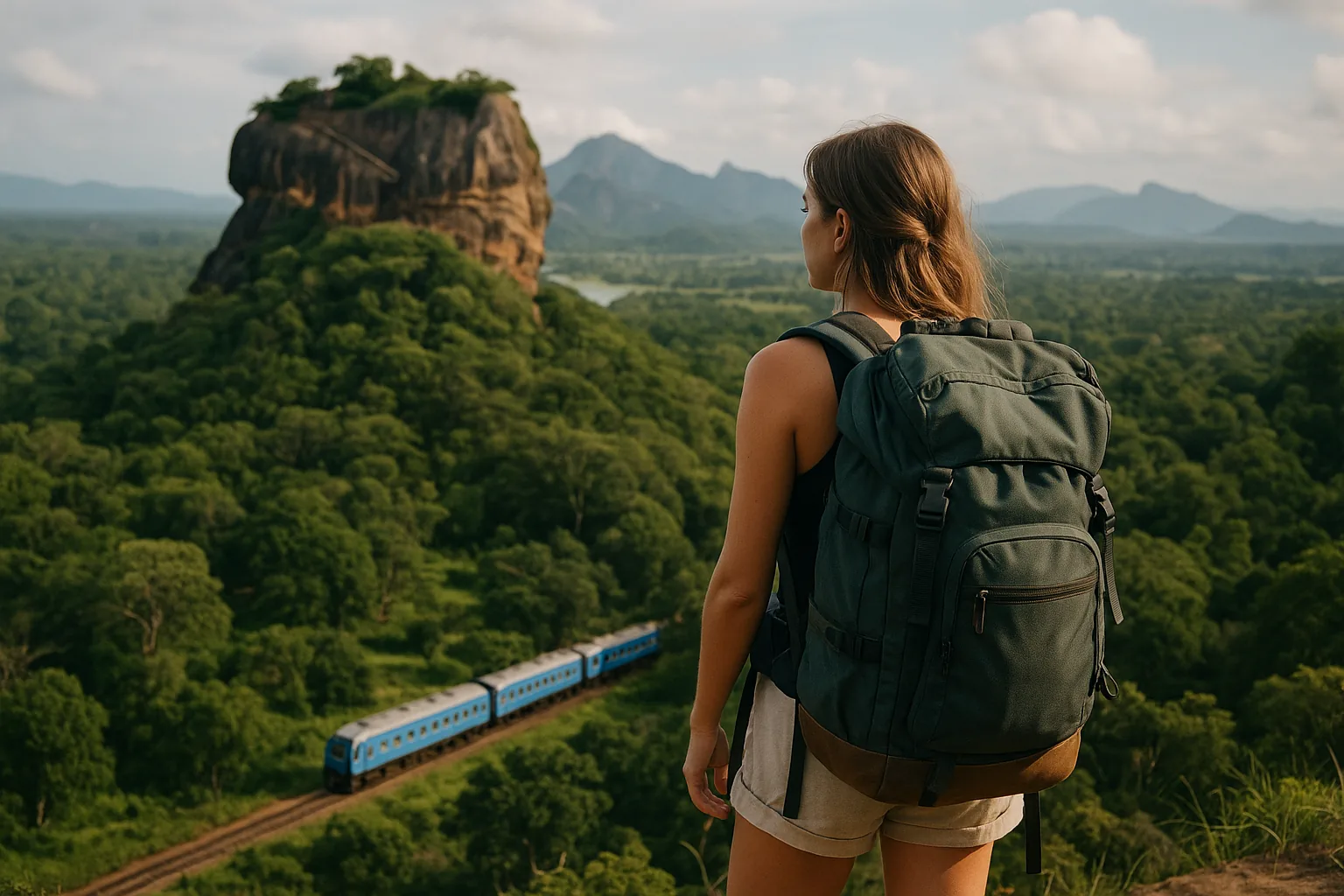
Sri Lanka has a way of catching you off guard. You arrive expecting a small island, and instead you find ancient temples rising out of jungle, train rides through cloud-covered tea hills, wildlife roaming open plains, and beaches that feel like they were designed for someone who genuinely needed a break. Backpacking Sri Lanka is one of those experiences that manages to pack an extraordinary amount of variety into a relatively compact geography — and it does it at a price point that actually makes sense for a young traveler on a real budget. Whether you’ve got two weeks or a full month, this island rewards curiosity, patience, and a willingness to just figure things out as you go.
Why Sri Lanka Belongs on Your Backpacking Radar
There’s a reason so many independent travelers keep recommending Sri Lanka to each other. The island offers an almost rare combination: genuine cultural depth, dramatic natural landscapes, and a travel infrastructure that’s accessible without being over-touristed. You can stand at the foot of a rock fortress that’s over a thousand years old in the morning and be watching elephants cross a dusty plain by afternoon. That kind of range — all within a single country — is genuinely hard to find.
Sri Lanka features tea plantations, wildlife, ancient archaeological sites, and white beaches, and the distances between them are manageable. You’re not spending days on overnight buses just to reach the next thing. The country is compact enough that a well-planned route flows naturally, one destination leading into the next, without it ever feeling like a race.
The food culture is another reason to come. Eating like a local here means rice and curry, kottu roti, fresh coconut, and hoppers — a kind of bowl-shaped fermented rice flour pancake that becomes an obsession very quickly. Eating at local spots keeps costs low and the flavors interesting, which is exactly the kind of travel experience worth chasing.
Planning the Backpacking Sri Lanka Circuit
Most backpackers follow a circuit that loops through the island’s key regions, and it works well for good reason. A popular three-week route covers Colombo → Negombo Beach → Kandy → Ella → Yala National Park → Arugam Bay → Tangalle → Kitulgala → Negombo, and this kind of loop has been tested by enough independent travelers to be considered genuinely reliable.
You don’t have to follow it exactly. Sri Lanka is flexible enough that you can add or remove stops depending on how long you have and what you’re most drawn to. But this circuit gives you a solid foundation: a colonial-influenced capital, a beach introduction, the cultural heartland, the famous hill country, wildlife, surf, the south coast, and a jungle adventure before heading back.
Colombo is often underestimated as a starting point. Most travelers rush through it, but spending even a full day exploring the Pettah market district, walking the Galle Face Green at sunset, or eating at a local rice and curry spot gives you a grounding in everyday Sri Lankan life that makes everything else richer.
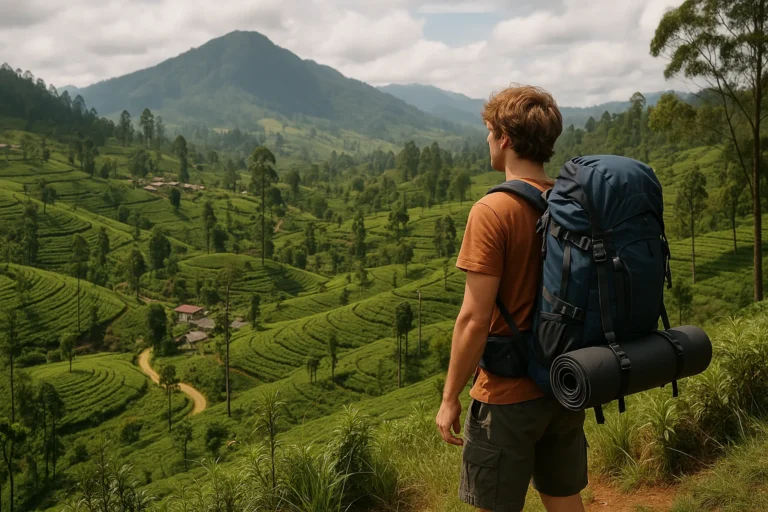
From there, Kandy offers the cultural core of the island — the Temple of the Tooth, the botanical gardens, and a city that moves at a pace you can actually enjoy. It’s also your gateway into the hill country, where the landscape shifts dramatically into rolling green tea plantations and cool, misty air.
The Train Rides You Won’t Forget
If there’s a single travel experience in Sri Lanka that gets talked about more than any other, it’s the train journey through the hill country. Train routes link the tea hills and ancient temples in compact circuits, and riding them is genuinely one of the most scenic ways to travel anywhere in the world.
The stretch through the tea country — particularly as you approach Ella — takes you through tunnels carved into hillsides, past waterfalls, and alongside tea estates where workers move between rows of carefully tended bushes. The train carriages are old and the windows open, which means you’re sitting in the breeze with the smell of rain and greenery coming through. It’s the kind of journey where you forget to look at your phone.
👉 Read also: Sri Lanka on a Shoestring: Budget Routes That Don't Skip the Must-Sees
Book your train tickets in advance if you can, especially for the popular hill country routes. Second-class reserved seats are comfortable and affordable, and they guarantee you a spot rather than leaving you standing in a crowded carriage. If you end up in an unreserved carriage, lean out of the open doorway — carefully — and you’ll understand why this train ride has its reputation.
Ella itself is a small town that has grown significantly in popularity, but it still delivers. Little Adam’s Peak, the Nine Arch Bridge, and the surrounding tea plantations are all walkable from the town center. Arrive early to beat the crowds at the viewpoints and you’ll have the kind of quiet morning that makes a place feel like it’s yours.
Key Stops and What They Actually Cost
Sri Lanka’s main attractions do come with entrance fees, and some of them are significant by backpacker standards. Knowing what to expect means you can budget properly rather than being caught off guard.
Sigiriya, the ancient Lion Rock fortress rising dramatically from the surrounding jungle, costs $35 USD to enter. It’s steep, but the climb to the top — past the famous frescoes and through the lion’s paw gateway — is genuinely extraordinary. Go early, before the heat and the tour groups arrive, and you’ll have one of the most memorable mornings of your trip.
Polonnaruwa, the ancient ruined city that was once the island’s medieval capital, costs $25 USD. It’s best explored by bicycle, which you can rent cheaply near the entrance. Cycling between the ruins through a landscape of reservoirs and jungle feels entirely different from the standard tourist experience, and it’s worth every cent of the entry fee.
The cave temples at Dambulla come in at around $12 USD, making them the most accessible of the major archaeological sites. The painted ceilings and rows of Buddha statues inside the rock caves are genuinely striking, and the view from the entrance over the surrounding plains is worth the climb alone.
For something much gentler on the wallet, Diyaluma Falls — one of the tallest waterfalls in the country — costs just 350 LKR (approximately 97p) to enter. The hike to the top pools takes a couple of hours and rewards you with natural swimming spots with views that are hard to describe without sounding like you’re exaggerating.
- Sigiriya (Lion Rock): $35 USD — worth it, go at sunrise
- Polonnaruwa: $25 USD — rent a bicycle to explore
- Dambulla Cave Temples: ~$12 USD — a quieter alternative to Sigiriya
- Diyaluma Falls: 350 LKR (~97p) — one of the best-value experiences on the island
Getting Around: Trains, Buses, and Tuk-Tuks
Sri Lanka’s transport network is one of its great assets for backpackers. It’s not always fast, and it’s not always comfortable, but it’s affordable, widespread, and surprisingly reliable once you understand how it works.
Trains are the most comfortable option for longer distances, particularly through the hill country. They’re popular, so plan ahead. For shorter journeys and connections between smaller towns, the local bus network covers almost everywhere you’d want to go. Buses are frequent, cheap, and a genuine window into everyday Sri Lankan life — you’ll share the ride with schoolchildren, market traders, and families heading home, which is exactly the kind of travel experience that sticks with you.
Tuk-tuks are the default for getting around within towns and for shorter hops between nearby attractions. Always agree on a price before you get in, or ask the driver to use the meter if available. In tourist areas, prices can be negotiated, and it’s worth asking a guesthouse owner what a fair fare looks like before you head out.
Some travelers choose to rent a scooter for parts of the journey, particularly along the south coast where the roads are relatively flat and the distances between beaches are short. It gives you a freedom that public transport can’t match, though it’s worth being cautious — Sri Lankan roads require genuine attention.
👉 Read also: Sri Lanka Solo: Backpacking Routes, Hostels & Local Spots Worth Your Time
Where to Stay and What to Eat on a Budget
Budget accommodation in Sri Lanka ranges from basic dorm beds in backpacker hostels to small family-run guesthouses where you’ll eat breakfast on a veranda and get honest local advice about where to go. The guesthouse culture here is genuinely warm, and staying with a local family often gives you insights into the country that no guidebook covers.
In terms of overall costs, daily backpacking expenses run roughly 12,400 to 15,500 LKR per day — approximately 30 to 40 GBP or 40 to 55 USD. That covers accommodation, food, local transport, and a few entrance fees. On a two-week trip, many backpackers spend between $450 and $650 USD excluding flights, which makes Sri Lanka genuinely competitive with Southeast Asia as a budget destination.
Food is where you can really stretch your money. Eating at local rice and curry spots — the kind of places with no English menu and plastic chairs — keeps meal costs very low and the quality very high. A full plate of rice with multiple curries, dhal, and a papadum can cost the equivalent of less than a dollar in many places. Street food like kottu roti, made fresh on a hot griddle with chopped vegetables and egg, is filling, delicious, and practically free by Western standards.
Restaurants catering to tourists are more expensive but still reasonable by international standards. Treat them as an occasional indulgence rather than a daily habit and your budget will stay healthy.
Beaches, Wildlife, and the Experiences Worth Slowing Down For
Sri Lanka’s coastline is long and varied, and different stretches suit different kinds of travelers. The south coast — towns like Tangalle and Mirissa — offers calmer waters, whale-watching opportunities, and a more relaxed atmosphere. The east coast, particularly Arugam Bay, is a surf destination with a laid-back community energy that draws people in and keeps them longer than they planned.
Yala National Park is the place to go for wildlife. It’s one of the best places in the world to spot leopards in the wild, alongside elephants, crocodiles, and an extraordinary range of birds. A safari here is an add-on cost, but it’s the kind of experience that feels genuinely different from anything else on the island.
Don’t overlook the smaller moments. Swimming in the natural pools above Diyaluma Falls with no one else around. Watching the sun come up over the tea plantations from a hilltop near Ella. Sharing a meal with the family running your guesthouse. These are the experiences that backpacking Sri Lanka delivers in abundance — not just the headline attractions, but the quiet, unexpected ones that you didn’t plan for.
When to Go and What to Know Before You Leave
Sri Lanka’s weather is shaped by two monsoon seasons that affect different parts of the island at different times. The southwest — including Colombo, Kandy, and the hill country — receives its heaviest rain roughly between May and September. The east coast, including Arugam Bay, is at its best during this same period. This means that with smart planning, there’s almost always a part of Sri Lanka in good condition, regardless of when you travel.
The driest and most popular period for visiting the west and south coasts runs roughly from November through April, which is when you’ll find the most settled weather for beach time and trekking. If you’re planning to surf the east coast, aim for the opposite window. The hill country tends to be cooler year-round, so pack a light layer even if you’re visiting in the warmer months.
A few practical things worth knowing: Sri Lanka requires a visa for most nationalities, which you can apply for online before you travel through the official Sri Lanka Electronic Travel Authorization system. Check the current requirements for your passport well in advance. Respect at religious sites matters — carry a scarf or light layer to cover your shoulders and knees, and remove your shoes before entering temples. These small gestures go a long way.
- Best time for west and south coasts: November to April
- Best time for east coast and Arugam Bay: May to October
- Hill country is accessible year-round — pack layers
- Apply for your visa online before departure
- Dress respectfully at temples and religious sites
- Carry small change — local buses and street food vendors rarely have it
Sri Lanka is one of those destinations that earns its reputation honestly. Backpacking Sri Lanka gives you a journey that moves through ancient history, living culture, wild landscapes, and long stretches of coast — all connected by train rides that you’ll be describing to people for years. It’s the kind of trip that changes the scale of what you think is possible on a limited budget, and it leaves you with the distinct feeling that you’ve only just scratched the surface of what this island has to offer.
This article was produced with AI assistance and reviewed editorially.


Sri Lanka by Backpack: The Route, Costs, and Unmissable Stops

Uzbekistan’s Silk Road Cities: Samarkand & Bukhara in 2026


