
Asia
Sri Lanka Solo: Backpacking Routes, Hostels & Local Spots Worth Your Time
Discover practical backpacking routes across Sri Lanka with hostel recommendations, budget accommodation, and authentic local dining spots for solo travelers.

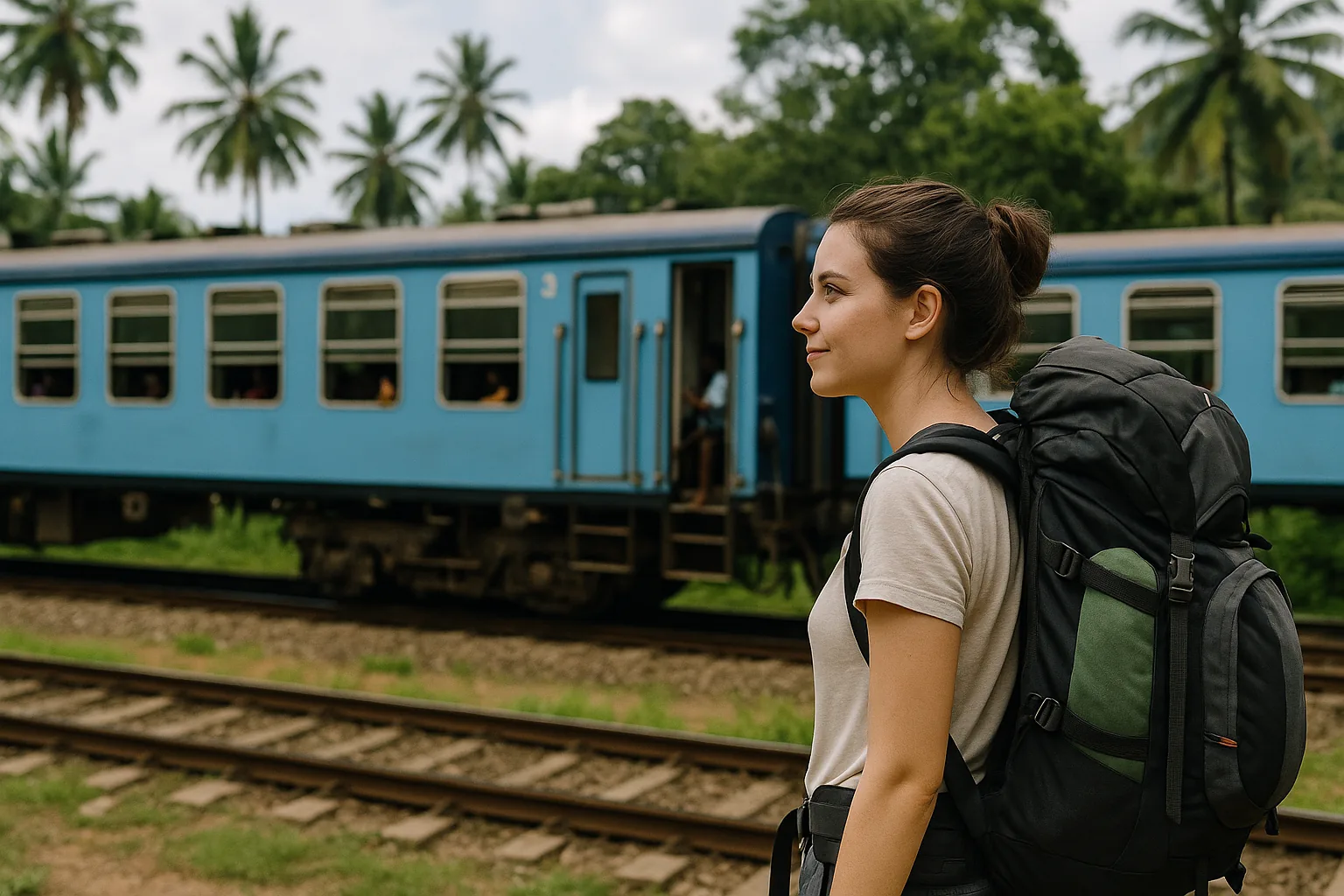
There’s a reason so many young travelers end up extending their trip the moment they land in Sri Lanka. Backpacking Sri Lanka means waking up to misty tea plantations in the hill country, spending the afternoon at a golden beach, and sharing a meal of rice and curry with strangers who quickly become friends — all within the same week. The island packs an extraordinary range of landscapes, cultures, and experiences into a space that’s genuinely easy to navigate independently, even if it’s your first solo adventure.
Why Sri Lanka Belongs on Your Backpacking List
Sri Lanka is one of those destinations that keeps surprising you. You arrive expecting beautiful beaches — and you get them. But then you also get ancient temple cities, misty highland roads, wildlife safaris, and some of the most flavourful food in Asia. The diversity of scenery here is hard to match anywhere else in the region, and the fact that the country is relatively compact makes it all feel accessible rather than overwhelming.
The people are genuinely welcoming. Locals are often curious about where you’re from and happy to point you toward the best places to eat or the most scenic route to the next town. And because Sri Lanka has become a well-established stop on the backpacker trail, you’ll find a constant flow of solo travelers moving through the same guesthouses and hostels — which makes it easy to meet people, share transport costs, and build a loose crew for a few days before everyone heads off in their own direction.
The food alone is worth the trip. Sri Lankan cuisine is naturally vegetarian-friendly, built around rice, lentil dhal, coconut sambol, and a rotating cast of curries that range from mild and fragrant to deeply spiced. Street food is cheap, plentiful, and delicious. Eating well on a budget here is genuinely easy.
Getting Started: Arriving and Orienting Yourself
Colombo is the main entry point for most backpackers flying into Sri Lanka. The international airport sits north of the city, and from there you can connect to virtually anywhere on the island. Many travelers spend a night or two in Colombo to shake off jet lag, explore the city’s colonial architecture and buzzing street food scene, and sort out any logistics before heading out.
Colombo itself is worth more than a quick stopover. The Pettah market district is a full sensory experience — chaotic, colourful, and fascinating. The Fort area mixes colonial-era buildings with modern cafés and rooftop bars. Walk along Galle Face Green at sunset and you’ll understand why locals treat it as the city’s living room.
For accommodation in Colombo, the options are solid. Colombo Mount Hostel is one of the most affordable options available, coming in at around €6 per night with a strong rating of 9.3 — hard to argue with that value. Alma Hostel and Colombo Beach Hostel both sit around the €10 mark and consistently earn high marks from solo travelers, with Colombo Beach Hostel having accumulated over 1,600 reviews and maintaining a 9.2 rating. These aren’t just cheap beds — they’re social spaces where your trip really starts to take shape.
Building Your Backpacking Route Through Sri Lanka
The classic approach to backpacking Sri Lanka is to move in a rough loop, working your way from the west coast down to the south, cutting inland through the hill country, continuing north toward the cultural triangle, and then either looping back or finishing in a different city depending on your flight. Three weeks is a comfortable amount of time to cover the highlights without feeling rushed — though plenty of travelers do a solid two-week version by being a little more selective.
👉 Read also: Sri Lanka on a Shoestring: Budget Routes That Don't Skip the Must-Sees
The South Coast
After Colombo, most backpackers head south along the coast. Galle is a natural first stop — a UNESCO-listed fortified city where Dutch colonial architecture lines narrow streets, and the sound of the ocean is never far away. You can walk the fort walls, browse independent boutiques, and find a rooftop café with a view that feels almost unfair. Galle works well as a base for exploring the surrounding coastline, and the hostel scene here has grown significantly in recent years.
Just a short ride from Galle, Unawatuna is one of the south coast’s most popular beach spots. The Rockstel Unawatuna is frequently cited as the best hostel in the area — a quiet, well-located property that strikes the right balance between social atmosphere and genuine relaxation. It’s the kind of place where you end up staying an extra night because the vibe is right and you’ve just met a group heading to the same next destination.
Further east along the south coast, Mirissa is famous for whale watching between roughly November and April, and the beach itself is one of the most beautiful on the island. Tangalle offers a quieter alternative if you want to slow down and find a stretch of sand that doesn’t feel crowded.
The Hill Country
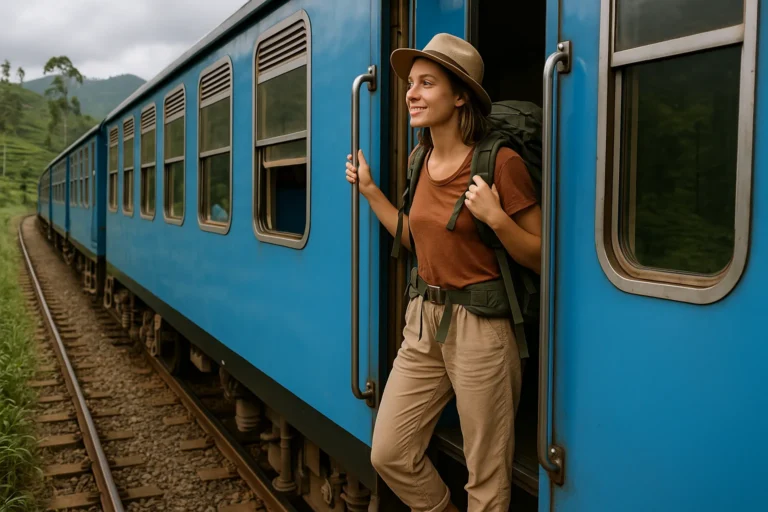
Heading inland from the coast takes you into a completely different world. The hill country around Ella and Kandy is defined by rolling tea plantations, cool air, and dramatic viewpoints. The train journey from the coast up into the highlands is one of the most scenic rail routes in Asia — sitting in an open doorway as the landscape shifts from tropical coast to misty green hills is the kind of travel moment you’ll be talking about for years.
Ella is a small town with a big personality on the backpacker circuit. Hike up to Little Adam’s Peak for sunrise, walk the Nine Arch Bridge at golden hour, and spend your evenings in one of the many guesthouses and cafés that line the main street. It’s social, affordable, and genuinely beautiful.
Kandy is Sri Lanka’s cultural heart — home to the Temple of the Tooth Relic, one of the most sacred Buddhist sites in the world, and surrounded by a lake that makes evening walks genuinely peaceful. The city has a different energy to the beach towns: more urban, more layered with history, and worth at least two nights.
The Cultural Triangle and the North
Sri Lanka’s ancient history is concentrated in the north-central region, often called the Cultural Triangle. Here you’ll find Sigiriya, the ancient rock fortress that rises dramatically from the surrounding jungle — climbing it at sunrise is one of those experiences that earns its reputation. Nearby, the ancient city of Polonnaruwa is a sprawling archaeological site best explored by bicycle, and Anuradhapura adds another layer of sacred ruins and Buddhist monuments to the picture.
If you have the time and the curiosity, pushing further north toward Jaffna rewards you with a distinct Tamil culture, incredible food, and a city that has been steadily opening up to independent travelers. It feels genuinely off the beaten path compared to the south, and that contrast is part of what makes it worth the journey.
Practical Tips for Getting Around
Sri Lanka is surprisingly easy to navigate as a solo backpacker. Trains are the most scenic and affordable way to travel between major destinations — book ahead for the popular hill country routes if you want a reserved seat, though many backpackers simply take unreserved carriages and enjoy the more spontaneous experience. Buses cover almost every corner of the island and are extremely cheap, though they can be crowded and slow on mountain roads. Tuk-tuks are everywhere for short distances and negotiating the fare before you get in is standard practice.
👉 Read also: Backpacking Sri Lanka on a Budget: Hidden Temples, Train Rides & Local Eats
For longer stretches where you want more flexibility, renting a scooter is a popular option — just make sure you’re comfortable riding one before you commit, as road conditions vary. Shared minivans and private transfers organised through hostels are another practical option, especially when you’re travelling with people you’ve met along the way.
Eating Well Without Spending Much
One of the genuine joys of backpacking Sri Lanka is how far your food budget stretches. A full rice and curry meal at a local restaurant — the kind with a rotating selection of dishes served on a banana leaf — costs very little and is almost always delicious. Kottu roti, a street food dish made from chopped flatbread stir-fried with vegetables, egg, and spices, is one of the most satisfying things you’ll eat anywhere. You’ll hear it being made before you see it — the rhythmic clanging of metal blades on a hot griddle is one of Sri Lanka’s most distinctive sounds.
Coconut-based dishes dominate the cuisine, and fresh tropical fruit is available everywhere. If you’re vegetarian or vegan, Sri Lanka is one of the most accommodating countries in Asia — the default diet is plant-heavy, and finding good meat-free options is never a struggle. Save your splurges for a seafood dinner on the south coast or a proper high tea at a colonial-era hotel in Kandy, where the experience is worth every rupee.
Staying Safe and Travelling Smart
Sri Lanka is considered one of the safer destinations in Asia for solo travelers, including women traveling alone. The volume of solo backpackers moving through the country at any given time means there’s always a community around you, and hostels are excellent resources for up-to-date local advice. That said, a few basics always apply: keep copies of important documents, use a money belt in busy markets, and be cautious about accepting unsolicited help from strangers near tourist sites.
The best time to visit depends on which part of the island you’re prioritising. The south and west coasts are at their best from November through April, while the east coast flips the season and shines from May through September. The hill country is pleasant year-round, though it can get genuinely cold at night — pack a layer you’d actually want to wear. January is a particularly popular month for backpackers, with dry weather across most of the island and a lively social scene in the main backpacker hubs.
For visa information and entry requirements, the official Sri Lanka Electronic Travel Authorization portal is the most reliable place to check current requirements before you book anything.
The Mindset That Makes It Work
The travelers who get the most out of backpacking Sri Lanka are the ones who leave a little room for things to happen. Yes, having a rough route in mind is useful — it helps you make the most of limited time. But some of the best experiences come from a conversation in a hostel common room that leads to an unplanned detour, or a local recommendation that takes you somewhere no guidebook has caught up with yet.
Sri Lanka rewards curiosity. It rewards the traveler who asks questions, tries the unfamiliar dish, takes the slower train, and sits with the discomfort of not always knowing what comes next. The island has a way of giving back generously to those who approach it with an open mind — and that’s exactly the kind of travel that stays with you long after the tan fades and the bags are unpacked.
Whether you have two weeks or two months, Sri Lanka will fill every day with something worth remembering. The beaches, the ruins, the tea-scented air of the highlands, the warmth of the people — it all adds up to something that’s difficult to leave and even harder to forget. Start planning, keep it flexible, and trust that the island will do the rest.
This article was produced with AI assistance and reviewed editorially.


Sri Lanka by Backpack: The Route, Costs, and Unmissable Stops

Uzbekistan’s Silk Road Cities: Samarkand & Bukhara in 2026


