
Roaming Around the World
Ecuador’s Mountain Capital: Quito Travel Guide (From Quick Stop to 10-Day Exploration)
Explore Quito beyond a quick stopover. This travel guide covers neighborhoods, local food, cultural experiences, and why this Andean capital deserves more time.

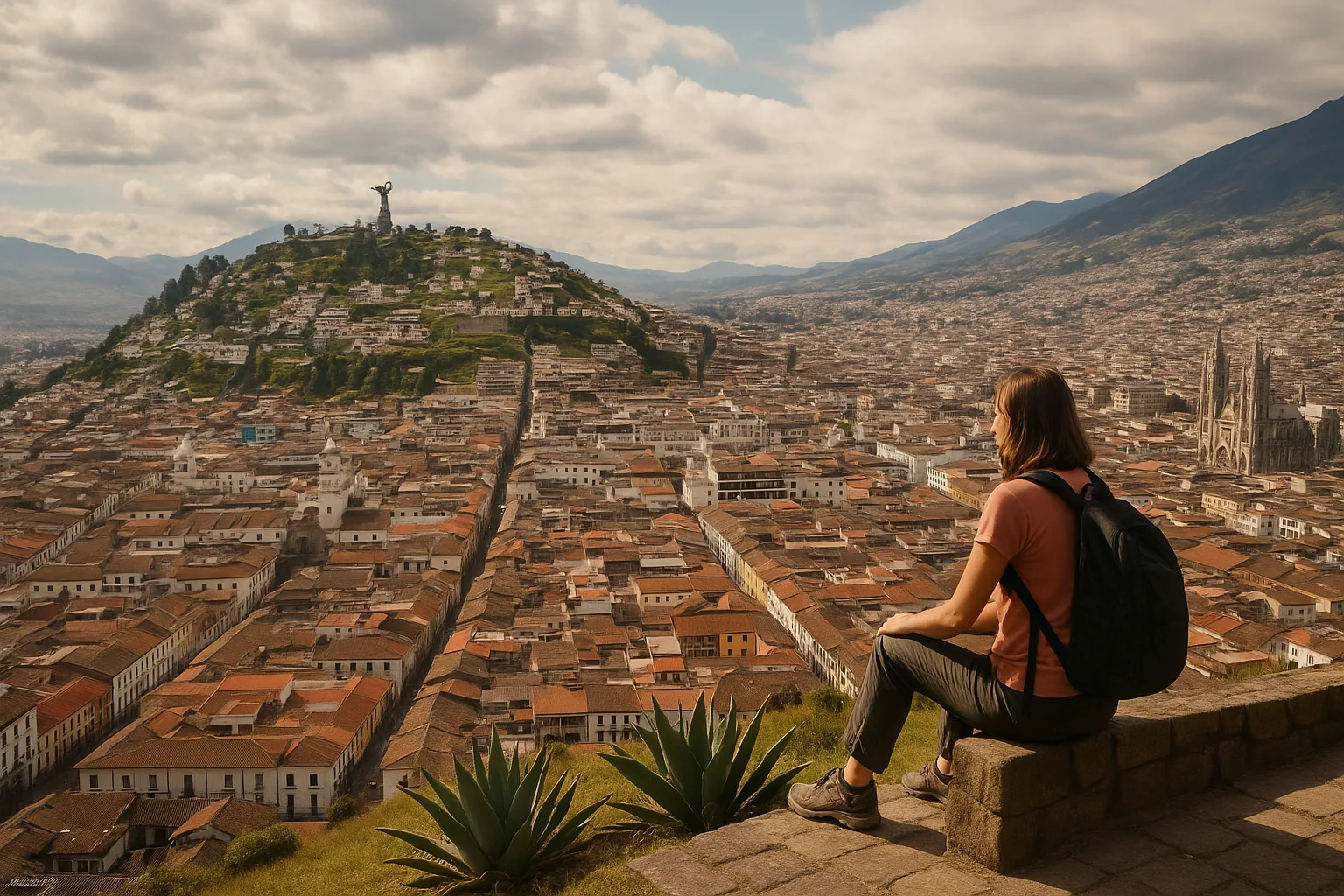
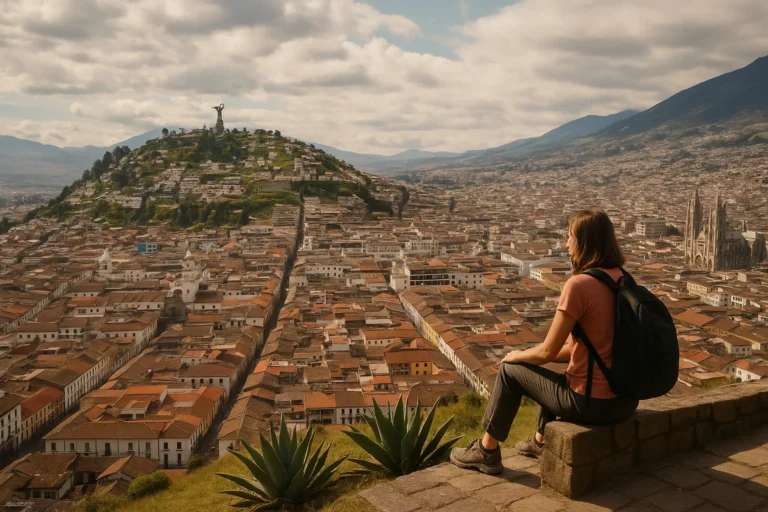
If you’ve ever looked at a map of South America and wondered where to start, there’s a good chance your finger lands somewhere near the equator — and that’s exactly where you’ll find Quito. Ecuador’s mountain capital sits at a dizzying altitude in the Andes, wrapped in colonial history, surrounded by volcanoes, and positioned as one of the most compelling entry points on the continent. This Quito travel guide is built to work however you’re traveling — whether you’ve got 48 hours between flights or you’re planning a full ten days of Andean exploration. Either way, Quito will give you more than you expect.
Why Quito Deserves More Than a Layover
A lot of travelers treat Quito as a gateway — somewhere to land, sleep off the altitude, and move on. That’s understandable. Ecuador is packed with extraordinary things to do, and the Galápagos Islands alone could fill a week. But dismissing Quito as just a starting point means missing something genuinely special.
The city sits at roughly 2,850 metres above sea level, making it one of the highest capital cities in the world. That altitude shapes everything — the cool, crisp air, the dramatic cloud formations that roll over the surrounding peaks, and yes, the slight breathlessness you’ll feel on your first uphill walk. Give yourself a day to acclimatise before you push too hard physically. Drink water, take it slow, and let the city come to you.
What you’ll find when you slow down is a place with genuine character. Quito’s historic colonial centre is one of the best-preserved in Latin America — a UNESCO World Heritage Site full of ornate churches, cobblestone plazas, and buildings that have been standing since the Spanish colonial era. Walking through it feels like stepping into a different century, except the street food vendors and the sound of cumbia from a passing car remind you exactly where and when you are.
Quito also has a reputation among long-term travelers as a city that pulls people in. You arrive planning to stay three days and somehow find yourself still there a week later, planning one more day trip, eating at one more local spot, having one more conversation with someone you met at a hostel. There’s a kind of gravitational pull to the place that’s hard to explain until you’ve felt it yourself.
Getting to Know the City’s Neighbourhoods
Quito is a long, narrow city — it stretches north to south along a valley between mountain ridges, which means the neighbourhoods feel distinct from each other in ways that go beyond just distance.
The Historic Centre is where most first-time visitors spend their early days, and for good reason. The architecture here is extraordinary — grand baroque churches, painted facades, and wide plazas where locals gather in the evenings. La Compañía de Jesús, one of the most elaborately decorated churches in the Americas, is worth visiting even if you’re not particularly interested in religious architecture. The sheer scale of the gilded interior is something you have to see to believe. The Historic Centre is best explored on foot, ideally in the morning before the streets get busy.
La Mariscal, further north, is where you’ll find most of the hostels, budget restaurants, and the city’s backpacker social scene. It’s lively, convenient, and a good base if you want to meet other travelers. It’s also where you’ll find plenty of tour operators offering day trips, which is useful if you’re planning to explore the surrounding region.
La Floresta sits between the historic and the modern, and it’s the neighbourhood that tends to win over travelers who stay long enough to discover it. The streets here are quieter, lined with independent cafés, art galleries, and small restaurants where the menus change with what’s in season. It’s the kind of place where you wander without a plan and end up staying for hours.
Further north, González Suárez and the areas around Parque La Carolina represent the more modern, upscale side of the city — useful to know if you’re looking for a mid-range or higher-end hotel, or if you want to explore a part of Quito that feels less tourist-focused.
Eating and Drinking Like a Local
Quito’s food scene is one of the most underrated parts of visiting the city. Ecuadorian cuisine doesn’t always get the same international attention as Peruvian or Mexican food, but it absolutely deserves your time and curiosity.
👉 Read also: Ecuador's Mountain Capital: Quito as a Stopover & 10-Day Destination—What Solo Travelers Actually Experience
Seco de pollo — a slow-cooked chicken stew with rice and ají sauce — is the kind of dish you’ll find yourself craving for weeks after you leave. Llapingachos, pan-fried potato cakes often served with chorizo and a fried egg, are the perfect fuel for a day of walking at altitude. And caldo de gallina, a rich chicken broth with noodles and herbs, is what locals eat when they want something warming and restorative — which, at nearly 3,000 metres, is often.
For breakfast, look for the small neighbourhood panaderías — bakeries — where you can get fresh bread and coffee for almost nothing. It’s one of those simple, everyday experiences that ends up being one of your favourite memories of a place.
Street food in the Historic Centre is excellent and affordable. Look for vendors selling humitas (steamed corn cakes wrapped in corn husks) and quimbolitos (a sweeter version made with corn flour and raisins). Markets are also worth seeking out — not just for the food, but for the atmosphere and the chance to interact with the city on a more local level.
If you want a drink at the end of the day, La Mariscal has plenty of bars and small music venues. Look for places playing salsa or cumbia rather than the tourist-facing spots with English menus — you’ll have a better time and spend less money.
Day Trips That Make Quito a Brilliant Base
One of Quito’s greatest strengths as a destination is what surrounds it. The city sits within striking distance of some genuinely spectacular natural and cultural landmarks, and day trips from Quito are among the highlights of any Ecuador itinerary.
Otavalo Market
Otavalo is one of the most famous indigenous markets in South America, and it’s accessible as a day trip from Quito. The market is held regularly and draws artisans and traders from across the region, selling textiles, jewellery, ceramics, and crafts. Beyond the market itself, the town of Otavalo and the surrounding landscapes are worth exploring — the area sits in a valley surrounded by mountains, and the drive up from Quito is scenic in its own right.
Cuicocha Lagoon
Near Otavalo, Cuicocha Lagoon sits inside the crater of an extinct volcano. The deep blue water, the two small islands in the middle of the lake, and the hiking trails around the rim make this one of those places that looks almost too dramatic to be real. It’s a straightforward day trip that combines well with a visit to Otavalo if you want to make the most of a single journey north.
Cotopaxi National Park
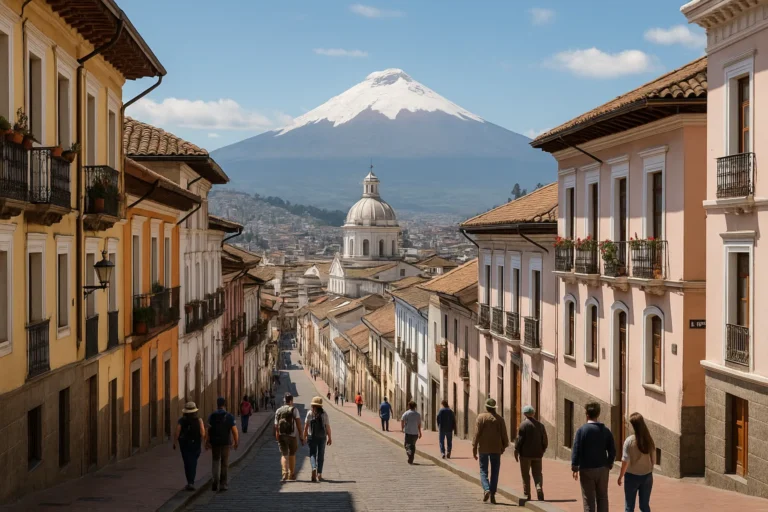
Cotopaxi is an active volcano and one of the most iconic images associated with Ecuador. On a clear day, you can see it from Quito — a near-perfect snow-capped cone rising above the surrounding páramo. Visiting Cotopaxi National Park gives you the chance to get much closer, hike through high-altitude grasslands, and, for the more adventurous, trek toward the refuge on the volcano’s slopes. The landscape here is otherworldly — vast, windswept, and almost completely silent except for the sound of the wind.
Quilotoa Lake
Quilotoa is a volcanic crater lake with water that shifts between shades of turquoise and green depending on the light. The hike down into the crater and back up is challenging at altitude but absolutely worth the effort. Many travelers combine a visit to Quilotoa with a section of the Quilotoa Loop — a multi-day hiking route through Andean villages that’s become one of Ecuador’s most popular trekking experiences.
Baños
A few hours from Quito, Baños is a town that seems to exist purely to make travelers happy. It’s surrounded by waterfalls, thermal baths, and adventure activities, and it sits at the foot of the active Tungurahua volcano. The waterfall known as Pailón del Diablo — literally “the Devil’s Cauldron” — is one of the most dramatic natural sights in Ecuador, a thundering cascade that you can get surprisingly close to via a network of walkways and bridges. Baños deserves at least one overnight stay if your schedule allows.
Planning Your Time: From 2 Days to 10
If you only have two days in Quito, spend the first in the Historic Centre — walk the plazas, visit a church or two, eat lunch at a local market, and get a feel for the city at ground level. Use the second day for a day trip, with Cotopaxi or Otavalo being the two strongest options depending on your interests.
👉 Read also: Quito, Ecuador: From 24-Hour Stopover to 10-Day Base Camp (Travel Guide 2026)
With four or five days, you can go deeper. Explore different neighbourhoods, add a second day trip, and give yourself an evening to just sit in a plaza and watch the city move around you. This is the pace at which Quito starts to feel less like a destination and more like a place you actually know.
For a ten-day Ecuador itinerary, Quito typically serves as both the starting and ending point, with days allocated to the Andean highlands, Cotopaxi, the Quilotoa Loop, Baños, and — if budget allows — an extension to the Galápagos Islands. That combination gives you a genuinely complete picture of what Ecuador offers, from colonial history to volcanic landscapes to one of the most extraordinary ecosystems on the planet. The Rough Guides 10-day Ecuador itinerary is a solid starting point if you want a framework to build your own trip around.
Where to Stay Based on What You’re Looking For
Your choice of neighbourhood shapes your experience of the city more than the specific hotel or hostel you pick.
If you’re on a tight budget and want to meet other travelers, La Mariscal is the obvious choice. Hostels here range from basic dorms to more social setups with common areas, rooftop terraces, and regular events. It’s convenient, well-connected, and makes it easy to find tour operators for day trips.
If you want to feel more connected to everyday Quito life, look for guesthouses and smaller hotels in La Floresta or the streets surrounding the Historic Centre. These areas tend to be quieter, the accommodation is often more characterful, and you’ll find yourself walking to local cafés and markets rather than tourist-facing restaurants.
For mid-range and higher-end options, the modern northern neighbourhoods offer more polished hotels with better amenities — useful if you’re arriving after a long international flight and want comfort before you start exploring. Just be aware that you’ll need to travel south to reach the historic parts of the city.
Whatever your budget, book ahead if you’re arriving during a local festival or public holiday. Quito fills up quickly during these periods, and the best-value places go fast.
A Few Things Worth Knowing Before You Arrive
The altitude is real. Give yourself at least a day to acclimatise before attempting any strenuous hiking or day trips. Drink plenty of water, avoid heavy meals on your first evening, and don’t be surprised if you feel slightly short of breath climbing stairs. Most people adjust within 24 to 48 hours.
Quito’s weather is famously unpredictable — locals say you can experience four seasons in a single day, and they’re not exaggerating. Mornings are often clear and bright, afternoons can bring rain, and evenings cool down significantly. Pack layers, carry a light waterproof, and don’t let an afternoon shower change your plans.
The city is generally safe for travelers who take standard precautions. Stay aware of your surroundings, keep valuables out of sight, and use registered taxis or app-based transport rather than flagging down unmarked cars. The Historic Centre is well-patrolled and busy during the day, but it’s worth being more cautious after dark in quieter streets.
Learn a few words of Spanish before you arrive. Even basic phrases — gracias, por favor, cuánto cuesta — go a long way in terms of the warmth you’ll receive. Quiteños are generally friendly and patient with travelers, but making the effort to communicate in Spanish, however imperfectly, opens doors that staying in English won’t.
Quito is the kind of city that rewards curiosity. The more you explore beyond the obvious, the more you find — a courtyard hidden behind an unremarkable door, a viewpoint that most tourists never reach, a conversation with a street vendor that turns into an impromptu local history lesson. Whatever brings you here, give the city the time it deserves. You’ll leave with stories you didn’t plan on collecting, and a strong feeling that you’ll be back.
This article was produced with AI assistance and reviewed editorially.


Teaching English Abroad in 2026: Top Countries, Visa Requirements & Real Salaries

Where to Stay in Latin America’s Top Destinations: Buenos Aires, Bogota & Beyond


