
Ecuador
Quito, Ecuador: From 24-Hour Stopover to 10-Day Base Camp (Travel Guide 2026)
Explore Quito, Ecuador’s high-altitude capital with this comprehensive travel guide covering Old Town, acclimatization tips, and day trips to the Amazon and Galápagos.

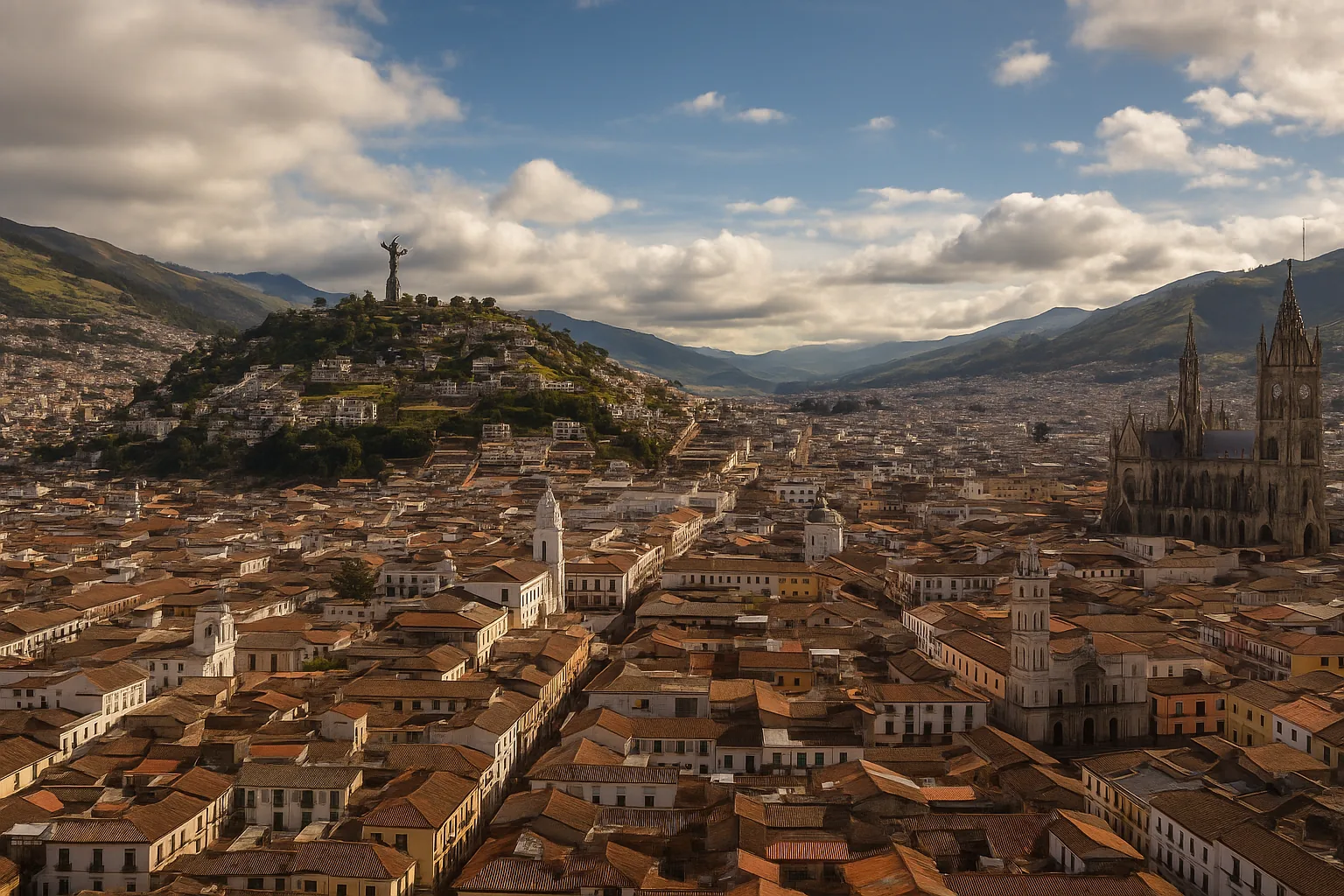
Planning a trip to Ecuador and wondering how much time to spend in the capital? Whether you’ve got 24 hours between flights or you’re building a full 10-day adventure around it, this Quito, Ecuador travel guide will help you figure out exactly what to do, how to pace yourself, and why this city deserves way more credit than most travelers give it. Sitting at 2,800 metres (9,350 feet) above sea level in the Guayllabamba river basin, Quito is the second highest capital city in the world — and that altitude alone shapes everything about how you’ll experience it.
Why Quito Surprises Almost Everyone Who Visits
A lot of travelers treat Quito as a stepping stone — a place you land before heading to the Galápagos or the Amazon. And honestly? That’s a completely valid approach. But the travelers who stick around for a few extra days almost always say the same thing: they wish they’d planned for more time here.
Quito is a city that earns your attention slowly. The historic Old Town is one of the best-preserved colonial centres in Latin America, full of ornate churches, cobblestone plazas, and the kind of street life that feels genuinely lived-in rather than staged for tourists. The modern parts of the city have a completely different energy — cafés, independent restaurants, rooftop bars, and a creative scene that reflects a young, outward-looking population.
Then there’s the landscape. Quito sits in a long, narrow valley surrounded by volcanic peaks, and on a clear day the views are the kind that make you stop mid-sentence. The city stretches north to south along the valley floor, with the Andes rising sharply on either side. It’s dramatic in the best possible way.
Add to that the fact that Ecuador uses the US dollar as its official currency — which makes budgeting genuinely straightforward for most travelers — and that citizens of the EU, US, UK, and many other countries can enter visa-free for up to 90 days, and you’ve got a destination with very low barriers to entry.
The Altitude Is Real — Here’s How to Handle It
Let’s be honest about the altitude. At nearly 2,800 metres, Quito sits higher than most cities you’ve probably visited, and your body will notice. Altitude sickness doesn’t hit everyone, but it hits enough people that it’s worth taking seriously — especially in your first 24 to 48 hours.
The most common symptoms are headaches, fatigue, mild dizziness, and shortness of breath when you climb stairs or walk uphill. These usually ease off after a day or two as your body adjusts. The key is not to fight it.
- Take it slow on day one. Resist the urge to pack your first day with activities. Walk at a relaxed pace, take breaks, and don’t push yourself.
- Stay hydrated. Drink more water than you think you need. Altitude accelerates dehydration, and most people underestimate this.
- Eat light at first. Heavy meals can make altitude symptoms worse. Stick to lighter foods while your body adjusts.
- Avoid alcohol for the first day or two. It hits harder at altitude and slows acclimatization.
- Sleep well. Your body does most of its adjusting while you rest. Don’t sacrifice sleep for late nights in your first couple of days.
If you’re flying in from a low-altitude city, give yourself at least a full day before attempting anything strenuous. If you’re planning to hike or visit Cotopaxi, one of the world’s most famous active volcanoes, make sure you’ve spent enough time in Quito first to build up some baseline acclimatization.
Old Town and Beyond: Exploring Quito’s Different Sides
Quito’s Centro Histórico — the Old Town — is where most first-time visitors start, and for good reason. The architecture here is genuinely stunning: grand colonial churches, colourful facades, and plazas where vendors, students, and locals all share the same space. It feels like a living city, not a museum piece.
Wander without a rigid plan. Get lost in the side streets. Find a local spot for breakfast — a desayuno típico of eggs, bread, juice, and coffee for just a few dollars will set you up for the morning. The meal prices in Quito are refreshingly affordable, with a solid local meal typically running between $3 and $8, which means you can eat well without constantly doing mental maths.
Beyond the Old Town, the city opens up into more contemporary neighbourhoods with their own distinct characters. You’ll find independent coffee shops, bookstores, street art, and restaurants serving everything from traditional Ecuadorian cuisine to international food. It’s worth spending at least an afternoon exploring these areas — they give you a sense of how Quito actually lives day to day, beyond the tourist trail.
👉 Read also: City Guides for Young Travelers: Buenos Aires, Quito, and Trujillo (Culture, Food & Adventure)
One experience worth seeking out: find a viewpoint above the city, especially at dusk. Watching the lights come on across the valley as the mountains fade into the evening is one of those moments that stays with you.
How Long Should You Actually Stay?
This depends entirely on what kind of traveler you are and what you’re planning to do in Ecuador.
If you’re on a tight schedule — connecting through Quito on the way to the Galápagos or the Amazon — even 24 to 48 hours is enough to get a genuine feel for the city. Spend the first afternoon in the Old Town, eat dinner somewhere local, take it easy on account of the altitude, and use your second morning to explore before heading out.
If you’re using Quito as a base for the surrounding highlands, 7 to 10 days gives you the space to explore properly. Budget travelers in particular tend to find this the most rewarding approach — the daily costs are low enough that spending more time here makes financial sense, and there’s genuinely more to discover than a quick visit reveals.
Luxury travelers often find that 4 to 5 days strikes the right balance — enough time to experience the city’s highlights and take a day trip or two, without rushing, and with proper time built in for rest at altitude.
Whatever your style, the daily budget breakdown for Ecuador in 2026 gives you a clear framework: budget backpackers can get by on around $40–60 per day, mid-range travelers on $70–100, and those going for a more comfortable experience should budget $150 or more. Hostels in Quito typically run $10–25 per night, making it one of the more affordable capital cities in South America for budget travelers.
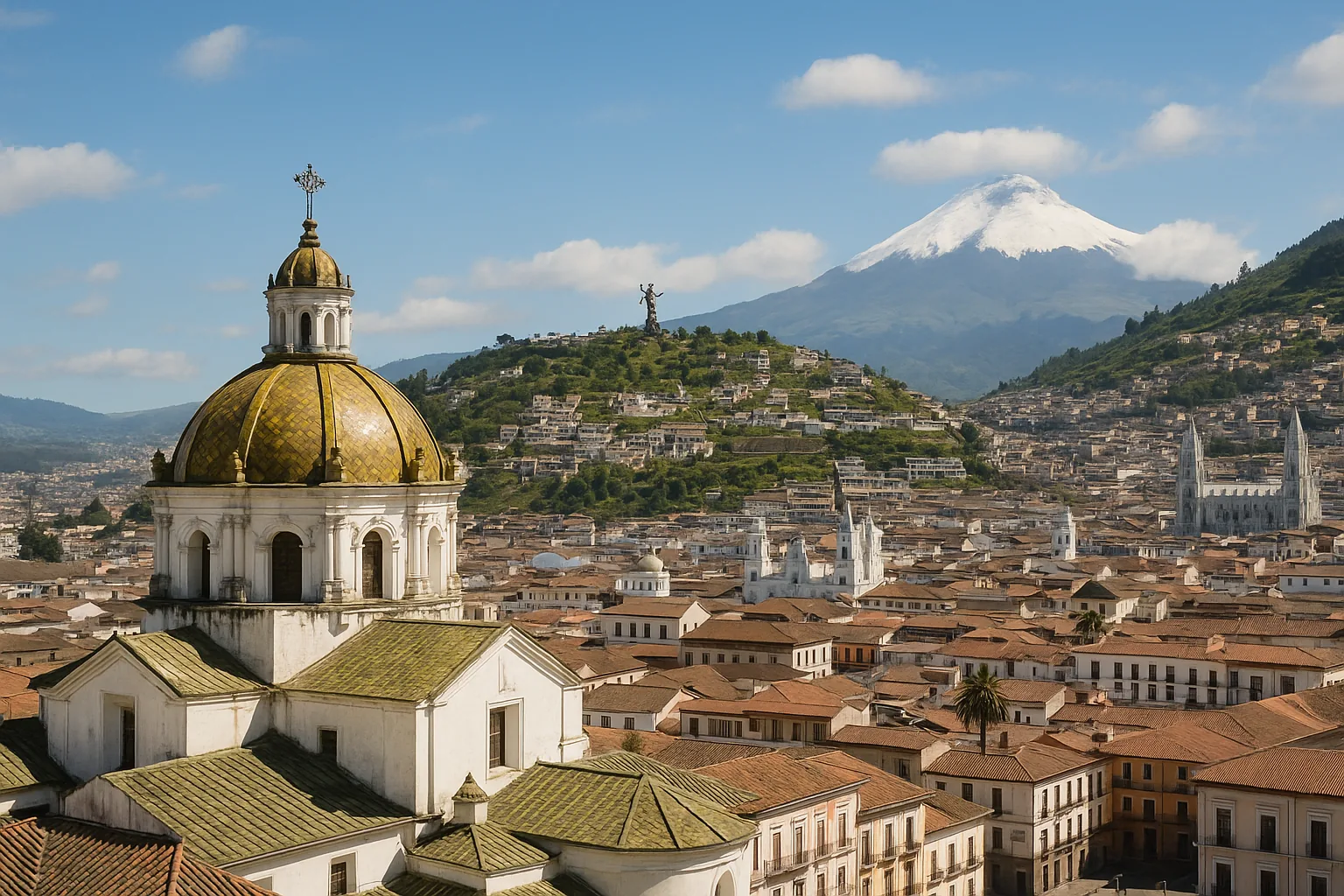
Day Trips: The Andes Are Right Outside the Door
One of Quito’s biggest advantages as a base is its location. The Ecuadorian Andes are right there, and some genuinely spectacular destinations are within a few hours’ reach.
Cotopaxi National Park is one of the most popular excursions from the city. The volcano itself is one of the highest active volcanoes in the world, and even if you’re not planning to attempt the summit, the park is worth visiting for the landscapes alone — vast páramo grasslands, wild horses, and the kind of open sky that makes you feel very small in the best way.
The Mitad del Mundo monument, marking the equatorial line, is another classic day trip — a bit touristy, but genuinely interesting if you’re curious about the geography and history of the region. There are also nearby hot springs, cloud forest reserves, and indigenous markets that give you a window into Andean culture that goes well beyond what you’ll find in the city.
A good approach is to mix active days with slower ones. Hike or explore one day, then spend the next wandering the city, trying new food, and letting your body recover from the altitude. Quito rewards that kind of rhythm.
Using Quito as a Gateway to the Galápagos and Amazon
This is where Quito’s strategic value really becomes clear. Ecuador is home to both the Galápagos Islands and the Ecuadorian Amazon — two of the most extraordinary natural environments on the planet — and Quito sits at the centre of the country’s transport network connecting them.
👉 Read also: Spain's Capital Reimagined: A 5-Day Madrid Itinerary Beyond the Guidebook
Flights to the Galápagos Islands depart from Quito’s international airport, typically with a connection through Guayaquil. The journey takes a few hours in total, and most Galápagos trips are structured as multi-day cruises or island-hopping itineraries. If this is on your list — and it should be — plan your Quito time around your Galápagos departure rather than the other way around. Spend a couple of days acclimatizing and exploring the city first, then head out to the islands feeling settled.
The Ecuadorian Amazon is accessible from Quito by both road and air, with several gateway towns serving as entry points to different parts of the jungle. Depending on where you’re headed, you might fly to a small regional airport or take an overland route that passes through the Andes and descends into the lowland rainforest — a journey that’s dramatic in itself. Most Amazon lodges and tours are booked in advance, so it’s worth sorting this out before you arrive in Quito rather than trying to arrange it on the ground.
The practical upside of all this is that you can realistically combine Quito, the highlands, the Amazon, and the Galápagos in a single trip of two to three weeks — which makes Ecuador one of the most efficient adventure destinations in the world for the sheer variety it packs into a relatively small country.
Accommodation: Finding the Right Fit for Your Budget
Quito has a solid range of accommodation options across every budget, concentrated in a few key areas of the city. The Old Town is the most atmospheric place to stay — you’re walking distance from the main sights, and the energy of the neighbourhood is hard to beat. It’s also generally the most affordable area.
For budget travelers, hostels in the $10–25 range offer everything you need: a bed, often breakfast, common areas to meet other travelers, and staff who can help you navigate day trips and onward transport. The hostel scene in Quito is well-established, and staying in one is genuinely one of the best ways to connect with other people passing through.
Mid-range options — boutique guesthouses, small hotels — tend to offer a lot of character for the price. Many occupy converted colonial buildings with internal courtyards, which gives them a charm that larger hotels can’t replicate.
For those with a bigger budget, there are upscale hotels with the kind of service and comfort that makes altitude acclimatization significantly more pleasant. If you’re going to be spending time at altitude, a comfortable bed and a good shower genuinely matter more than usual.
Wherever you stay, it’s worth booking in advance during peak travel periods. Quito draws a steady flow of travelers year-round, and the best-value places fill up quickly.
Practical Things Worth Knowing Before You Go
A few final details that will make your trip smoother:
- Currency: Ecuador uses the US dollar, so there’s no currency exchange to worry about if you’re coming from the US. For everyone else, USD is easy to access and widely accepted. Carry some cash for smaller purchases and markets.
- Visa: Citizens of the EU, US, UK, and many other countries can enter Ecuador visa-free for up to 90 days. Check the current requirements for your specific passport before you travel.
- Language: Spanish is the official language. Learning even a handful of basic phrases will go a long way — locals genuinely appreciate the effort, and it opens up experiences that are harder to access otherwise.
- Safety: Like any city, Quito has areas that are safer than others. Stay aware of your surroundings, keep valuables out of sight, and ask your accommodation for up-to-date local advice when you arrive.
- Weather: At altitude, the weather in Quito can change quickly. Mornings are often clear and sunny; afternoons can bring rain. Bring layers and a light waterproof jacket regardless of when you visit.
For more general Ecuador planning, Nomadic Matt’s Ecuador travel guide is a reliable starting point with practical budget and logistics advice.
Quito isn’t just a place you pass through on the way to somewhere else — though it works brilliantly for that too. It’s a city with real depth, a landscape that puts everything in perspective, and a position at the heart of one of the most adventure-rich countries in the world. Give it the time it deserves, take the altitude seriously, and let yourself explore without rushing. The stories you collect here, whether you have 24 hours or 10 days, will be ones you’re still telling long after you’ve moved on.
This article was produced with AI assistance and reviewed editorially.


Nepal’s Mountain Gateway: Kathmandu Neighborhoods, Street Food & Where to Stay for Authentic Exploration

Luang Prabang, Laos: Why This Sacred City Is Perfect for Solo Travelers Seeking Solitude


