
Spain
Spain’s Capital Reimagined: A 5-Day Madrid Itinerary Beyond the Guidebook
Discover a practical 5-day Madrid itinerary balancing iconic museums, local neighborhoods, and authentic gastronomy. Experience the city’s true rhythm beyond tourist high

Why Madrid Deserves More Than a Weekend
Madrid has a way of surprising you. You arrive expecting grand museums and royal palaces — and yes, those are absolutely worth your time — but then the city pulls you somewhere deeper. Into a sun-drenched plaza where locals linger over coffee for an hour without checking their phones. Into a neighborhood market where the smell of fresh bread and cured ham stops you mid-step. Into a late-night bar where the music is live and no one seems to care what time it is. A well-planned Madrid 5 day itinerary gives you enough time to experience all of that — not just the highlights reel, but the actual rhythm of the city.
Madrid rewards slow travel. It’s a city built for wandering, eating, debating, and staying out late. Five days is genuinely enough to get under its skin — to move beyond the tourist trail and start to feel like you belong here, at least a little. This guide will help you do exactly that.
Before You Go: A Few Things Worth Knowing
Madrid runs on its own schedule. Lunch happens between 2pm and 4pm. Dinner rarely starts before 9pm. Nightlife doesn’t really begin until midnight. If you try to fight this rhythm, you’ll feel out of sync the whole time. If you lean into it, you’ll feel like you’ve unlocked a secret the rest of the world is missing.
The city is very walkable, especially in the central areas, but the metro is clean, affordable, and easy to navigate. Most of the major cultural sites are clustered close together, which means you can cover a lot without spending hours in transit. Madrid also has a vibrant food scene with family-run joints offering genuinely affordable dining — so don’t assume you need a big budget to eat well here. You really don’t.
One more thing: book museum tickets in advance wherever possible. The Prado in particular can have long queues, and nothing kills the mood like waiting an hour in the sun when you could be inside looking at a Velázquez.
Day 1: Arrive, Orient Yourself, and Eat Everything
Morning and Afternoon: Getting Your Bearings
Your first day isn’t about ticking boxes — it’s about arriving. Drop your bags, take a walk, and let the city introduce itself. Head toward the historic center and just wander. Madrid’s old streets have a texture to them: the worn stone, the wrought-iron balconies draped with plants, the sound of heels on cobblestones. Let yourself get a little lost.
Make your way to the Puerta del Sol, the symbolic heart of the city. It’s busy and a little chaotic, but it gives you a clear sense of where you are geographically and culturally. From there, explore the streets that radiate outward — particularly toward Plaza Mayor, the grand 17th-century square surrounded by arcaded buildings. Grab a coffee at one of the outdoor terraces and watch the city move.
Evening: Eat Like a Local from Day One
Madrid’s food scene is one of its greatest strengths, and it’s accessible at every budget level. For your first evening, skip the tourist-facing restaurants around the main squares and head slightly off-center. Look for small family-run places — the ones with handwritten menus on chalkboards and tables packed with local regulars. Order a few tapas, a glass of local wine, and take your time. This is how Madrid eats, and it’s worth embracing from the very first night.
Day 2: The Museums That Actually Matter
Morning: The Prado
Dedicate your morning — and a good chunk of your afternoon — to the Prado Museum. This isn’t just one of Spain’s most important cultural institutions; it’s one of the great art museums of the world. The collection features masterpieces by Velázquez, Goya, Titian, and Bosch, among many others. Don’t try to see everything. Instead, pick a few rooms that genuinely interest you and spend real time with the work. Goya’s darker paintings in particular have a psychological intensity that stays with you long after you’ve left.
Arrive early, before the crowds build. Bring a bottle of water, wear comfortable shoes, and give yourself at least three hours. This is not a place to rush.
Afternoon: Guernica and the Reina Sofía
After the Prado, walk a short distance to the Museo Reina Sofía, Madrid’s national museum of modern and contemporary art. This is where you’ll find Picasso’s Guernica — one of the most powerful anti-war paintings ever created. Standing in front of it is a genuinely moving experience. The scale of the work, the anguish in every figure, the way it pulls you in — it’s something photographs simply cannot prepare you for.
Take your time in the Reina Sofía. The permanent collection is rich, and the building itself — a converted 18th-century hospital with a striking modern extension — is worth exploring. For more on planning your visit, Rick Steves’ Madrid guide offers solid practical advice on navigating both museums.
Evening: The Palacio de Cibeles Rooftop
End the day at the Palacio de Cibeles, an ornate historic building with a panoramic rooftop terrace. The views over the city at dusk are genuinely spectacular — the kind that make you stop mid-conversation just to take it in. It’s a perfect way to decompress after a day of intense cultural immersion.
Day 3: The Royal Palace and the Neighborhoods
Morning: The Royal Palace
Madrid’s Royal Palace is one of the largest palaces in Western Europe, and it genuinely rivals Versailles in its scale and opulence. The interior is lavish in a way that feels almost surreal — room after room of gilded ceilings, tapestries, frescoed walls, and royal collections that span centuries. Even if grand interiors aren’t usually your thing, this one is hard not to be impressed by.
Book your tickets in advance and arrive early. The surrounding gardens and the Plaza de Oriente nearby are lovely for a slow morning walk before or after your visit.
Afternoon: Explore Chueca and Lavapiés
Madrid’s neighborhoods each have their own distinct personality, and spending an afternoon wandering through them is one of the best things you can do in this city. Chueca is vibrant, creative, and full of independent boutiques, colorful street art, and café terraces that spill out onto the pavements. It has an energy that feels genuinely alive — not performed for tourists, but lived in.
From Chueca, make your way to Lavapiés, one of Madrid’s most culturally diverse neighborhoods. This is a place where old Madrid meets a genuinely multicultural community — you’ll find everything from traditional Spanish bars to North African spice markets to independent bookshops and underground art spaces. Walk slowly. Look up at the buildings. Duck into doorways. Lavapiés rewards curiosity.
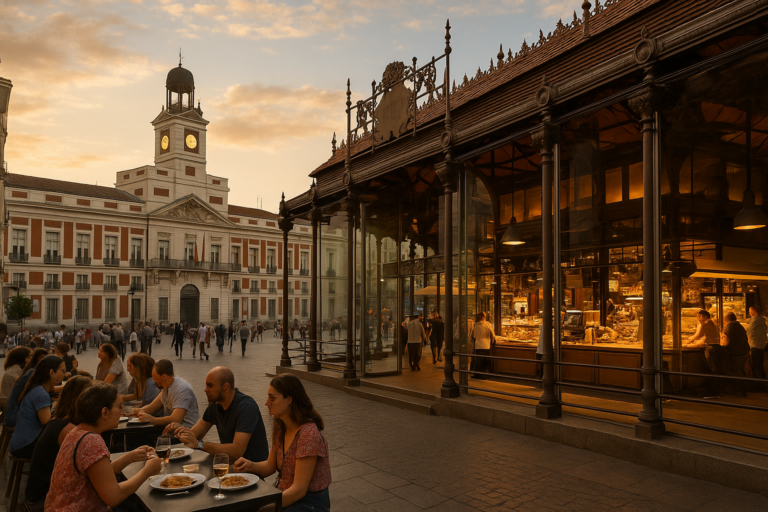
According to Condé Nast Traveler, Madrid’s distinct neighborhoods — including Salamanca, Chueca, and Lavapiés — each offer a completely different experience of the city, and exploring them is essential to understanding what Madrid actually is.
Evening: Tapas Crawl
Tonight, do a proper tapas crawl. This is a Madrid ritual — moving from bar to bar, ordering a small dish and a drink at each, staying for twenty minutes and then moving on. It’s social, affordable, and a genuinely great way to taste a wide range of the city’s food culture in one evening. Start around 8pm and don’t rush. The night is long here.
Day 4: Retiro Park, Salamanca, and Slowing Down
Morning: Retiro Park
Retiro Park is one of Madrid’s great pleasures. This vast green space in the heart of the city is where locals come to run, read, row boats on the lake, and simply breathe. On a weekday morning, it has a calm, unhurried quality that feels like a genuine escape from the city’s energy. On weekends, it fills with families, street performers, and picnickers — which is its own kind of wonderful.
Spend a couple of hours here. Walk around the lake. Find a bench under a tree. If you’ve been pushing hard through museums and neighborhoods, let this be your moment to slow down and just exist in the city without an agenda.
Afternoon: Salamanca
After the park, head to the Salamanca neighborhood — Madrid’s most elegant district. This is where you’ll find wide, tree-lined boulevards, high-end boutiques, and some of the city’s most beautiful early 20th-century architecture. Even if you’re not shopping, it’s worth walking through simply for the atmosphere. Stop for a long lunch at one of the neighborhood’s traditional restaurants and take your time.
Evening: A Cultural Performance
Madrid has a rich performing arts scene — from flamenco to classical music to contemporary theatre. If you can, book tickets to a live performance for your fourth evening. Flamenco in particular is worth seeking out: not the tourist-facing dinner shows, but a more intimate venue where the performance feels raw and genuine. Ask locals or your accommodation for recommendations — the best spots are rarely the ones most prominently advertised.
Day 5: Final Wandering and a Proper Goodbye
Morning: The Streets You Haven’t Seen Yet
Your last full day is for the things you haven’t done yet — and for revisiting the places that stayed with you. Maybe you want to go back to the Prado for one more hour with Goya. Maybe you want to find that small bar in Lavapiés that you walked past on day three and never went into. Maybe you just want to sit in a plaza with a coffee and watch the city move.
Use the morning loosely. This is the day to follow your instincts rather than a schedule.
Afternoon: The Rastro Market (on Sundays) or a Final Neighborhood Walk
If your fifth day falls on a Sunday, make time for El Rastro — Madrid’s famous open-air flea market, held in the Lavapiés and La Latina area. It’s chaotic, colorful, and full of everything from vintage clothing to antique furniture to handmade crafts. Even if you don’t buy anything, wandering through it is a genuinely memorable experience.
If it’s not Sunday, spend your afternoon in La Latina, one of the city’s oldest neighborhoods. The medieval street layout, the traditional bars, and the relaxed Sunday afternoon atmosphere (which honestly extends through most of the week in Madrid) make it a perfect final destination before you head home.
Evening: One Last Dinner
For your final dinner, go somewhere that felt meaningful during your trip — a neighborhood you connected with, a style of food you discovered here. Order something you hadn’t tried before you arrived. Stay late. Let the meal stretch into the kind of long, unhurried conversation that Madrid seems to encourage.
Practical Tips for Your Madrid 5 Day Itinerary
- Transport: The metro is efficient and affordable. For shorter distances in the center, walking is almost always the better choice — you’ll discover more.
- Museum bookings: Book the Prado and Reina Sofía in advance, especially in summer and during school holidays. The queues without a booking can be significant.
- Eating times: Embrace the local schedule. Lunch between 2–4pm, dinner after 9pm. Going earlier marks you immediately as a tourist and often means worse food at higher prices.
- Language: Spanish is essential and appreciated. Even a few basic phrases — por favor, gracias, una cerveza, por favor — go a long way in showing respect and often get you a warmer response.
- Weather: Madrid summers are genuinely hot. If you’re visiting between June and August, plan outdoor activities for the morning and evening, and use the midday heat as an excuse for a long lunch and a siesta.
- Budget: Madrid is more affordable than many Western European capitals, particularly for food and drink. Eating at family-run local restaurants rather than tourist-facing spots will stretch your budget significantly.
- Safety: Madrid is generally a safe city, but like any major urban center, be aware of pickpockets in crowded tourist areas, particularly around the Prado and on the metro.
The Madrid You’ll Actually Remember
The monuments are worth seeing. The Prado is genuinely unmissable. The Royal Palace will make your jaw drop. But if you ask most people what they remember most about Madrid, they’ll tell you something smaller: the bar where the owner refilled their wine without being asked, the afternoon they got lost in Lavapiés and stumbled into a tiny gallery, the moment they realized it was 1am and the restaurant was still full and no one seemed remotely ready to leave.
That’s what a good Madrid 5 day itinerary is really for — not to maximize the number of sites you visit, but to give you enough time to find those moments. To move beyond the surface and into the actual life of the city. Madrid is generous with itself if you’re willing to slow down and pay attention. Five days, done right, is more than enough to fall properly in love with it.
Start planning. Your version of Madrid is waiting.
This article was produced with AI assistance and reviewed editorially.


Sri Lanka by Backpack: The Route, Costs, and Unmissable Stops

Uzbekistan’s Silk Road Cities: Samarkand & Bukhara in 2026


