
Italy
Skip the Tourist Trail: Where to Stay in Italy’s Best-Kept Secrets
Discover where to stay in Italy’s Dolomites beyond the usual tourist circuit. Explore Cortina d’Ampezzo, Lago di Braies, and hidden alpine villages with authentic experie

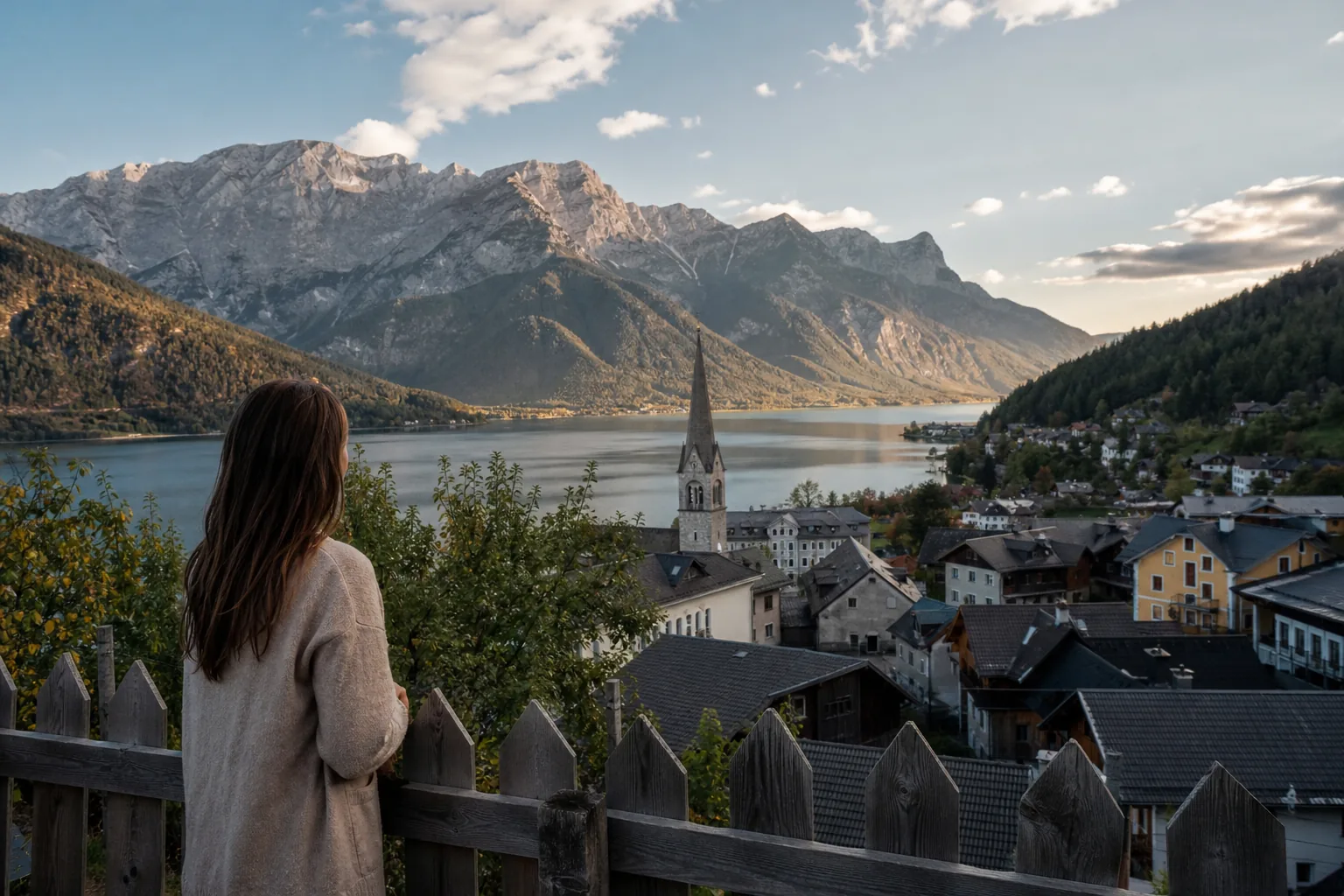
If your Italy plans still revolve around the Rome-Florence-Venice triangle, you’re missing one of the most quietly spectacular corners of the country. Deciding where to stay in Italy’s Dolomites region is a question worth taking seriously — because the answer opens up a world of jagged peaks, glacial lakes, alpine villages, and trails that feel a million miles from the tourist crowds. This guide covers the destinations that experienced travelers quietly bookmark for themselves: Cortina d’Ampezzo, Lago di Braies, and a handful of valleys that deserve far more attention than they get.
Why the Dolomites Should Be on Your Radar Right Now
The Dolomites are a UNESCO World Heritage-listed mountain range in northern Italy, and if you haven’t heard much about them yet, consider that a good thing. They haven’t been overrun the way some Italian destinations have. The light here does something extraordinary in the late afternoon — it turns the pale limestone peaks a deep amber and rose, a phenomenon locals call enrosadira. It’s the kind of thing you photograph furiously and then eventually just sit and watch.
Beyond the scenery, this region rewards curious travelers. You’ll find a culture that blends Italian warmth with Austrian and Ladin traditions — the result of centuries of shifting borders. The food reflects it too: think hearty speck, canederli (bread dumplings), and apple strudel alongside pasta and espresso. It’s a genuinely distinct part of Italy, and that’s exactly what makes it worth the detour.
The Dolomites also offer something that’s increasingly rare in travel: real variety within a compact area. You can hike serious mountain trails in the morning, wander through a medieval village in the afternoon, and eat at a rifugio — a mountain hut — with views that no restaurant in Rome could compete with. Whether you’re here for two days or two weeks, the region scales to fit your pace.
Cortina d’Ampezzo: More Than Just an Olympic Town
Cortina d’Ampezzo is one of the premier destinations in the Dolomites, and it earned its reputation long before it became a household name. As the host of the 2026 Winter Olympics — happening right now — the town has been in the spotlight, but don’t let that put you off. Cortina is genuinely worth your time, both in winter and beyond.
What makes Cortina special is its position. It sits in a wide, sunny valley completely surrounded by dramatic peaks, which means you get incredible views from practically anywhere in town. It’s an ideal base for climbing and hiking, with trails ranging from gentle walks through wildflower meadows to technical ridge routes that’ll test your legs. In winter, it becomes one of Italy’s most iconic ski destinations, though prices reflect that status.
One of the most practical things to know: Cortina is only about 2.5 hours from Venice, which makes it a genuinely achievable addition to any Italy trip. You don’t need to choose between the canals and the mountains — you can have both. A direct bus connection runs between the two, making the journey straightforward even without a rental car.
→ Read also: Hidden Gems in Europe: Where to Stay in Korčula (Croatia), Peak District (UK) & The Berkshires (USA)
For accommodation, Cortina covers a wide spectrum. On the more distinctive end, the B&B Hotel in Cortina features sleek wood paneling and plank finishes that feel authentically alpine — it sits near cross-country ski trails on Passo Tre Croci, putting you right in the landscape rather than just beside it. For travelers on a tighter budget, guesthouses and smaller pensioni in and around the valley offer solid value, especially if you book outside peak winter and summer weeks. Staying slightly outside the main town center can also bring prices down while still keeping you close to everything.
The town itself has a charming pedestrian corso lined with boutiques and cafés — it skews upscale, but you can absolutely enjoy it without spending a fortune. Grab a coffee, watch the mountains, and feel the particular pleasure of being somewhere that takes its alpine identity seriously.
Lago di Braies: The Alpine Lake That Earns Every Photo
Lago di Braies — Pragser Wildsee in German — is one of those places that looks almost too beautiful to be real. The water is an intense turquoise-green, the kind of color that makes you double-check whether your phone’s saturation settings are on. Surrounded by dense forest and framed by the towering Croda del Becco peak, it’s a scene that photographers and hikers both chase.
The lake sits in the Alta Pusteria area of South Tyrol, one of the recommended base regions for exploring the wider Dolomites. Getting there requires some planning — the road to the lake is restricted during peak season to manage visitor numbers, so arriving early in the morning or later in the afternoon is genuinely the move. You’ll have a completely different experience than the midday crowds, and the light is better anyway.
The classic walk circles the entire lake and takes roughly an hour at a comfortable pace. From there, longer trails climb into the surrounding mountains, offering progressively more rewarding views the higher you go. You don’t need to be an experienced hiker to enjoy Lago di Braies — but if you are, the area will keep you busy for days.
For accommodation, staying right at the lake is an experience in itself. Hotel Marmolada, located directly at Lago di Braies, is consistently praised as an excellent option for travelers who want to wake up with the lake on their doorstep. Booking well in advance is essential — this isn’t a secret spot anymore, and rooms fill up quickly, especially in summer. If the lakeside options are full or outside your budget, the nearby towns and valleys in Alta Pusteria offer a range of guesthouses and agriturismi — farm stays — that give you authentic local character alongside easy access to the lake.
Other Bases Worth Knowing: A Regional Overview
The Dolomites are a large area, and where you base yourself shapes your entire experience. Several valleys stand out as particularly rewarding for young travelers who want a mix of adventure, culture, and genuine local life.
→ Read also: Beyond the Crowds: Hidden Gems in Capri, Italy (2026)
- Val Gardena is one of the most accessible valleys and a stronghold of Ladin culture — a distinct Romance language and identity that predates both Italian and German influence in the region. The villages here have a warm, lived-in feel, and the hiking and skiing infrastructure is excellent.
- Alta Badia is known for its rolling meadows, traditional malghe (mountain farms), and some of the most scenic high-altitude trails in the Dolomites. It’s a strong choice if you want to hike between rifugi and experience the mountains at a slower pace.
- Val di Funes is home to one of the most photographed views in the entire range — the Santa Maddalena village with the Odle peaks rising behind it. It’s a quieter valley that rewards travelers who are willing to linger rather than tick boxes.
- San Martino di Castrozza sits on the southern edge of the Dolomites and offers a slightly different character — more Italian in feel, less influenced by the Tyrolean culture of the north, and a solid gateway to the Pale di San Martino plateau.
One important note: Bolzano, the capital of South Tyrol, is a fantastic city worth visiting — but it’s not actually located in the Dolomites themselves. It makes a great starting or ending point for a Dolomites trip, with good transport links and a lively, culturally interesting atmosphere, but don’t base your mountain explorations there and expect to be in the thick of it.
Getting There and Getting Around
The nearest major airports to the Dolomites are Venice Marco Polo, Innsbruck, and Verona. Venice is particularly convenient for destinations like Cortina d’Ampezzo, given that direct bus connections cover the roughly 2.5-hour journey. For other valleys, Verona or Innsbruck may work better depending on your specific base.
Once you’re in the region, a rental car gives you the most freedom — the mountain roads are scenic, the villages are spread out, and some of the best spots simply aren’t reachable by public transport. That said, if you’re not comfortable driving mountain roads or are traveling on a strict budget, the regional bus network covers the main valleys reasonably well during summer and winter seasons. The Dolomiti Bus network connects many of the key towns and trailheads, and it’s worth downloading the timetables before you arrive.
Cycling and hiking between villages is also genuinely viable in summer — the region has invested heavily in trail networks and cycling paths, and moving through the landscape on foot or by bike is one of the most satisfying ways to experience it. Pack light, wear layers, and build flexibility into your days. Mountain weather changes quickly, and the best experiences here often come from following where the morning takes you.
Practical Tips Before You Book
A few things worth knowing before you commit to your itinerary:
- Book early. The Dolomites have become increasingly popular, and accommodation in the best-located spots fills up months in advance during peak seasons. If you’re flexible on dates, shoulder season — late spring and early autumn — often offers better availability and a calmer atmosphere.
- Consider a guest card. Many villages in South Tyrol offer a Südtirol Guest Pass or similar card to registered guests, which covers free or discounted public transport, cable cars, and museum entry. Check whether your accommodation provides one — it can significantly change your daily costs.
- Pack for all weather. Even in summer, temperatures at altitude drop sharply in the evening, and afternoon thunderstorms are common. A waterproof layer and sturdy footwear aren’t optional here — they’re the difference between a great day and a miserable one.
- Eat at the rifugi. Mountain huts serve proper food — hearty, warming, and often surprisingly good. A bowl of gulasch or a plate of Tiroler Gröstl after a long hike, eaten on a wooden terrace with a 2,000-metre view, is one of the Dolomites’ defining experiences.
- Learn a few words. In many villages, German is spoken as a first language, and Ladin in others. A little Italian goes a long way, but so does a simple Grüß Gott or Danke — locals genuinely appreciate the effort.
For a deeper dive into the UNESCO World Heritage listing of the Dolomites, the official documentation gives a compelling picture of exactly why this landscape is considered irreplaceable.
Why This Region Rewards Travelers Who Slow Down
The temptation in the Dolomites is to move fast — there are so many valleys, so many lakes, so many trails. But the travelers who come back with the best stories are almost always the ones who picked one or two bases and went deep rather than wide. They woke up early enough to see the enrosadira light on the peaks. They found the rifugio that wasn’t in any guidebook. They ended up at a village festival they hadn’t planned for, eating food they couldn’t name, talking to people they’ll remember for years.
That’s what this region does when you give it the chance. The mountains are the backdrop, but the experience is something quieter and more personal — the feeling of being somewhere genuinely beautiful, genuinely alive, and genuinely off the path most people take. Whether you end up in Cortina’s wide valley, beside the turquoise stillness of Lago di Braies, or in a tiny village in Val di Funes where the only sound at night is wind through the pines, the Dolomites have a way of staying with you long after you’ve come back down.
This article was produced with AI assistance and reviewed editorially.


Island-Hopping in Greece: Skip Santorini and Find Your Own Adventure

Explore Sri Lanka and the Philippines Without Breaking the Bank


