
Greece
Island-Hopping in Greece: Skip Santorini and Find Your Own Adventure
Discover authentic island hopping Greece experiences on lesser-known islands like Milos, Sifnos, and Naxos. Routes, beaches, caves, and practical travel tips.

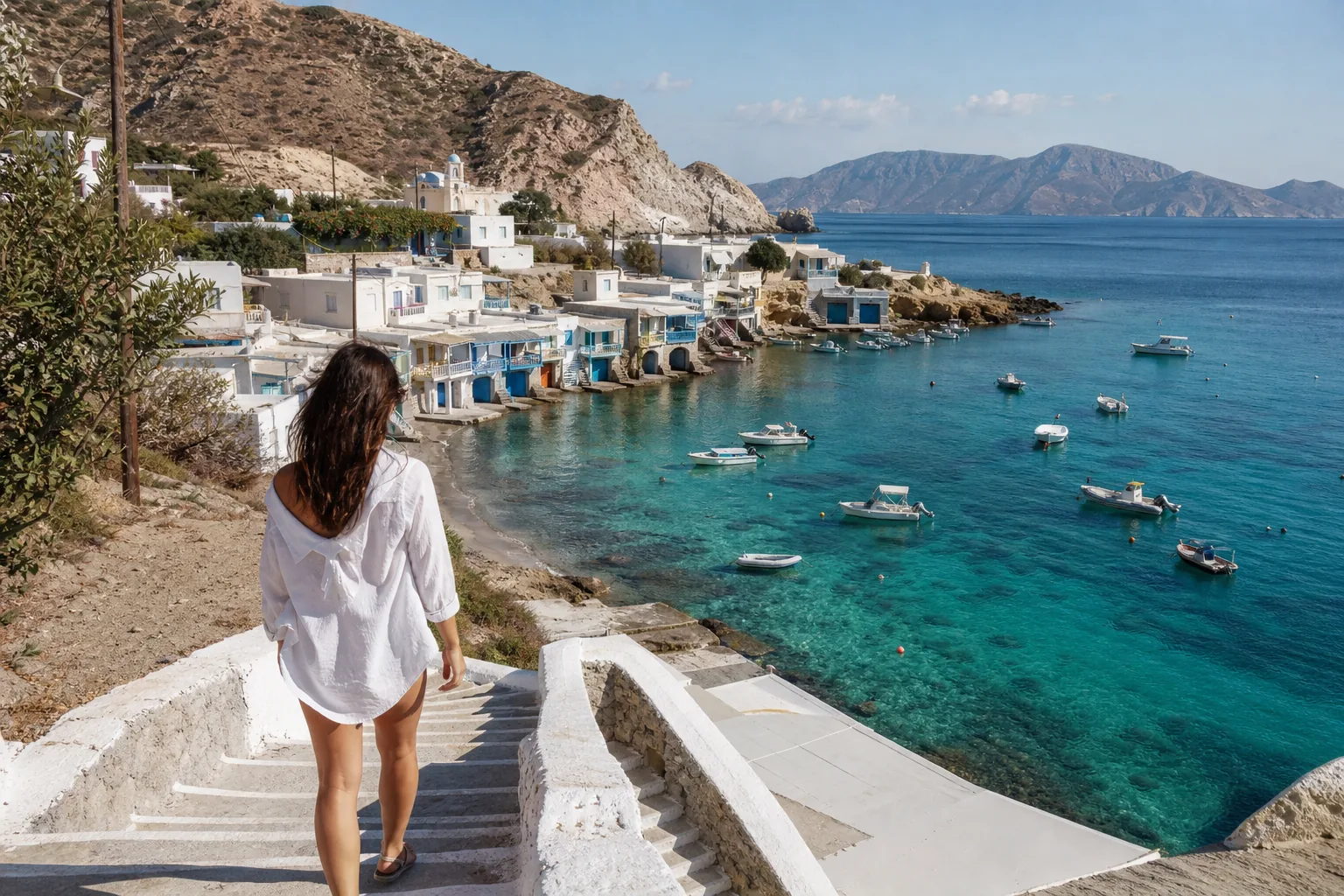
Greece has a way of getting under your skin. Maybe it’s the light — that warm, golden glow that makes everything look slightly unreal. Maybe it’s the food, the people, or the sound of water lapping against a whitewashed harbor wall. Whatever it is, one island is never enough. Island hopping Greece is one of those travel experiences that genuinely lives up to the hype — but only if you go beyond the obvious. Santorini is stunning, sure. Mykonos is a party. But Greece has 6,000 islands, of which 227 are inhabited, and the ones most people skip are often the ones worth talking about for years.
Why You Should Look Beyond the Postcard Islands
There’s nothing wrong with Santorini. The caldera views are real, the sunsets actually do look like that, and the food is worth every euro. But when you’re sharing a clifftop path with thousands of other travelers all angling for the same photograph, something gets lost. The spontaneity. The sense of discovery. The feeling that you’ve found something that belongs a little bit to you.
That’s what the lesser-known Greek islands offer. Places like Naxos, Sifnos, Kythnos, Kefalonia, and Karpathos are where you’ll find empty beaches, tavernas run by the same family for three generations, and a pace of life that actually slows you down. And then there’s Milos — a volcanic island in the Cyclades that’s been quietly drawing in travelers who’ve done Santorini and want something wilder, stranger, and more honest.
The good news is that getting to these places isn’t complicated. Greece’s ferry network connects most inhabited islands, and once you understand the basics, the whole archipelago opens up like a map you get to draw yourself.
Planning Your Island Hopping Greece Route
Before you book anything, it helps to think about what kind of trip you actually want. Greece is big — or rather, it’s spread out — and trying to cover too much ground in too little time means you’ll spend more hours on ferries than on beaches. The sweet spot for most young travelers is somewhere between 7 and 14 days, with two to four islands depending on how long you want to stay in each place.
Some of the most popular and well-connected routes include:
- Athens → Poros → Hydra → Spetses — a shorter, more relaxed route through the Saronic Gulf islands, ideal if you want car-free villages and crystal-clear water without venturing too far.
- Athens → Mykonos → Paros → Naxos → Santorini — the classic Cyclades trail, which hits some of the most iconic spots in the Aegean. It’s popular for a reason, but plan carefully to avoid the worst of the summer crowds.
- Kythnos → Serifos → Sifnos — a quieter chain through the western Cyclades that most first-timers miss entirely. These islands reward slower travel and genuine curiosity.
Ferries are your main tool, and they’re surprisingly affordable if you book ahead. High-speed catamarans cut travel time dramatically but cost more. Slower conventional ferries are cheaper and, honestly, more of an experience — especially if you grab a spot on the deck as the sun goes down. Check schedules early in the season, because routes and frequencies change, and some smaller islands have limited connections in shoulder months.
Milos: The Island That Rewards the Curious
If you ask seasoned Greek island travelers which destination surprised them most, Milos comes up again and again. This small volcanic island in the Cyclades looks like it was designed by someone who wanted to see how many different types of beautiful a single place could contain. Colorful fishing villages. Lunar-like rock formations. Sea caves you can swim into. Beaches in shades of white, red, and gold that don’t look entirely real.
→ Read also: Island Hopping in Greece: Beyond the Basics (Milos & Hidden Gems)
Milos is most famous for its coastline, and for good reason. The island’s volcanic geology has sculpted the shore into something extraordinary — towering rock formations, hidden coves, and sea caves that you can explore by boat or kayak. Sarakiniko is the beach that gets the most attention, and it earns it: the white pumice rock formations look more like a moonscape than a Mediterranean shore, and the contrast with the deep blue water is genuinely jaw-dropping. Go early in the morning if you want it relatively to yourself.
But Milos has more than one face. The village of Plaka, perched on a hilltop with views across the entire island, is the kind of place you wander into and suddenly realize you’ve been there for two hours. Narrow lanes, blue-domed churches, cats sleeping in doorways. The fishing village of Klima sits right at the water’s edge, its syrmata — traditional boathouses painted in bright colors — making it one of the most photographed spots in the Cyclades. Wander down there at golden hour and you’ll understand why.
Beyond the scenery, Milos has a genuine local culture that you can actually participate in. The island produces excellent local cheese and honey, and the tavernas in smaller villages serve food that hasn’t been adjusted for tourist tastes. That’s rarer than it sounds. Rent a scooter or a small car — some of the best beaches require a bit of off-road driving to reach — and give yourself at least three full days. The island is compact enough to feel manageable, but rich enough that you’ll wish you had more time.
Off the Beaten Path: Islands Most Travelers Skip
Milos is gaining popularity, but there’s still a whole tier of Greek islands that barely appear on most travelers’ radar. These are the places where island hopping Greece becomes something genuinely adventurous rather than just logistically impressive.
Ithaca, in the Ionian Sea, is small, green, and deeply tied to Greek mythology as the legendary home of Odysseus. It has no major beach clubs or party strips — just quiet bays, hiking trails, and a handful of excellent tavernas. It’s the kind of island where you might end up spending an afternoon talking to a local fisherman and leave with a bottle of homemade wine.
Karpathos, tucked between Crete and Rhodes, is one of the largest islands in the Dodecanese and one of the least visited relative to its size. The northern village of Olympos is famous for preserving traditions — including traditional dress and dialect — that have largely disappeared elsewhere in Greece. The beaches on the eastern coast are among the best in the country, and the wind conditions make it a favorite among kitesurfers.
Kefalonia is bigger and more accessible than some of the others on this list, but it still delivers an authenticity that more famous Ionian neighbors sometimes lack. The beaches are extraordinary — Myrtos in particular is one of those views that stops you mid-sentence — and the interior of the island, with its mountains and vineyards, is worth exploring away from the coast.
Kythnos and Serifos, both in the western Cyclades, are quiet in a way that feels almost radical by modern travel standards. Few tourist shops, few crowds, excellent local food, and the kind of village squares where old men play backgammon and nobody is looking at their phone. If that sounds appealing, it is.
→ Read also: Hidden Gems in Greece: Milos Island Beyond the Instagram Spots (2026)
Practical Tips for Traveling Smart in Summer
Summer in Greece — roughly July and August — is peak season, and the most popular islands feel it hard. Accommodation prices spike, ferries fill up, and the beaches that look empty in travel photography are anything but. None of this means you shouldn’t go in summer, but it does mean you need to plan smarter.
The single most effective thing you can do is book ferries and accommodation well in advance, especially for the popular Cyclades route. Ferry seats on busy routes between, say, Mykonos and Santorini can sell out weeks ahead in July. Booking early also gives you more budget-friendly options — last-minute accommodation on a small island in high season is expensive and limited.
Consider building your route around shoulder months. Late May, June, and September offer warm weather, calmer seas, and significantly fewer crowds. The water is still swimmable, the ferries are still running, and you’ll have a much better chance of finding affordable places to stay. Some of the smaller islands are barely visited at all in June — which, depending on your travel style, might be exactly what you’re looking for.
When it comes to accommodation, think beyond hotels. Guesthouses, family-run domátia (rooms for rent), and small apartments booked directly with owners are often the best value and the most authentic way to experience island life. Hostels exist on the bigger islands — Mykonos, Ios, Crete, and Zakynthos are well set up for younger budget travelers — but on smaller islands, a simple room above a local family’s kitchen is often a far better experience than anything you’d find on a booking platform.
Pack light. Seriously. Dragging a large suitcase on and off ferries, through narrow village lanes, and up the steps of a hillside guesthouse is nobody’s idea of freedom. A well-packed backpack changes everything about how you move through the islands — you’re faster, more flexible, and far less stressed when plans change, which they will.
What Makes Island Hopping Greece Different From Other Trips
There’s a particular kind of traveler who thrives on island hopping Greece — someone who’s comfortable with a loose plan, genuinely curious about where the day might lead, and happy to sit still long enough to actually absorb a place. It’s not a trip that rewards rushing. The magic tends to happen in the gaps: the unplanned swim in a cove you spotted from the ferry, the conversation that starts over a shared table at a harbor taverna, the morning you wake up early enough to watch a fishing village come to life before the heat sets in.
Greece rewards that kind of attention. The country has an extraordinary depth of history, culture, and natural beauty that goes way beyond the famous landmarks. Even the smallest island has its own character — its own food, its own festivals, its own relationship with the sea. The more you slow down, the more you notice. And the more you notice, the harder it is to leave.
For a solid starting point on planning routes and understanding ferry logistics, Secret Greece’s island hopping guide covers practical itineraries and lesser-known connections worth knowing about.
Whether you’re doing this for the first time or coming back for another summer, the Greek islands have a way of feeling both familiar and endlessly new. Pick a route, leave some room for spontaneity, and go. The best stories from this trip are the ones you haven’t planned yet.
This article was produced with AI assistance and reviewed editorially.


Island-Hopping in Greece: Skip Santorini and Find Your Own Adventure

Explore Sri Lanka and the Philippines Without Breaking the Bank


