
Greece
Island Hopping in Greece: Beyond the Basics (Milos & Hidden Gems)
Planning to go island hopping in Greece? Discover the best Greek islands, sample itineraries for 7 to 14 days, hidden gems beyond Santorini, ferry tips, costs, and everything else you need to make your trip unforgettable.

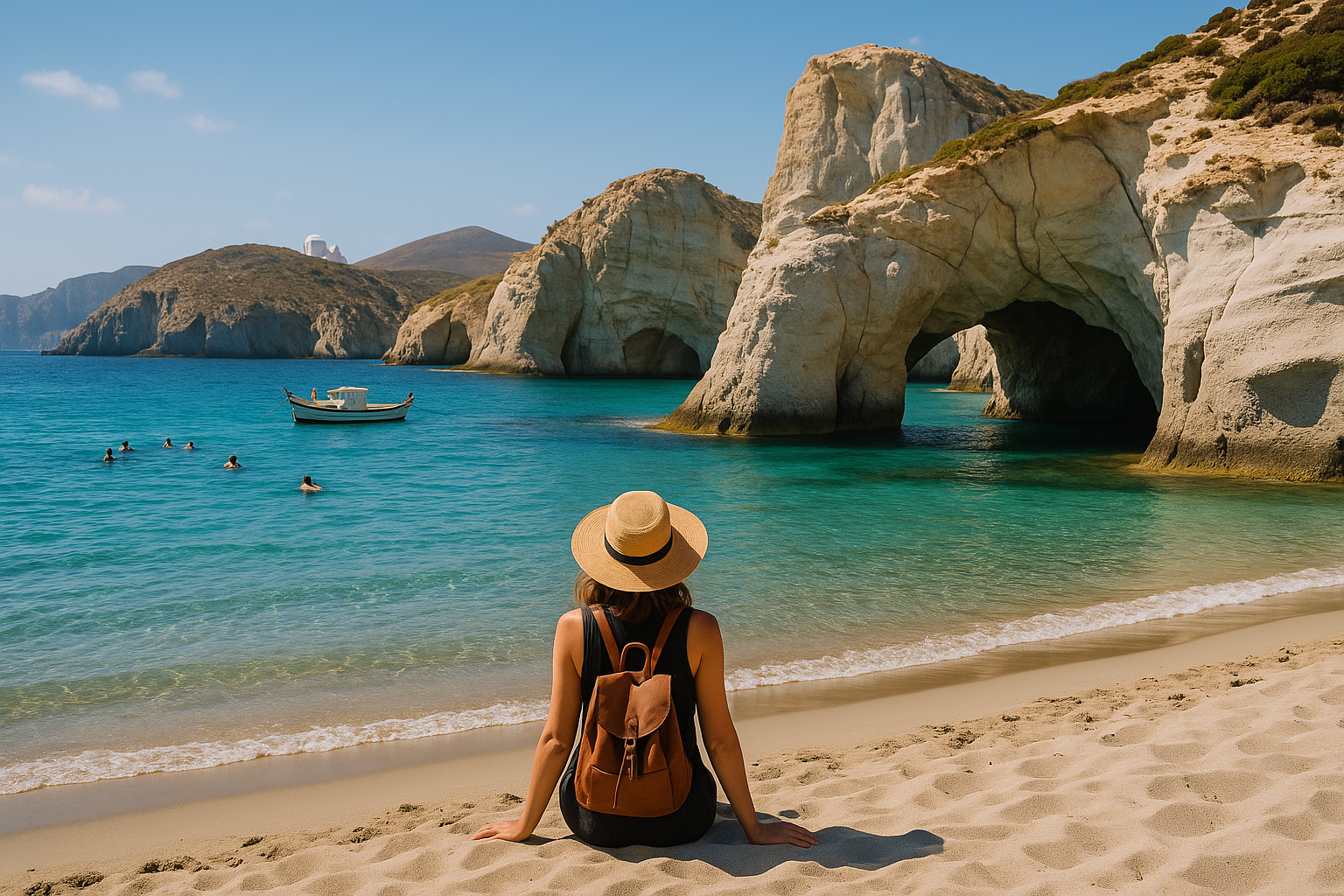
Island Hopping Greece: The Ultimate Guide to Going Beyond Santorini and Mykonos
Island hopping Greece is one of those travel experiences that sounds almost too good to be true — and then you actually do it, and it turns out to be even better than you imagined. The Aegean stretching out in every direction, a different port every morning, the smell of salt air and fresh bread, and the kind of slow afternoons that make you forget what day it is. But here’s the thing: most people are doing it wrong.
Not wrong in a catastrophic way. Just… predictably. Santorini for the sunset photos. Mykonos for the nightlife. A quick stop in Rhodes. Done. Passport stamped, Instagram updated, flight home booked.
If that’s the trip you want, fair enough. But if you’re after something that actually gets under your skin — the kind of travel that leaves you sitting on a ferry thinking “I need to come back” — then it’s worth looking a little further down the map. This guide covers everything you need to plan a Greek island hopping route that goes deeper, costs less, and stays with you long after you’ve landed back home. Whether you have seven days or two weeks, whether you’re a first-timer or a returning explorer, this is your starting point.
What Is Island Hopping in Greece?
Island hopping in Greece means traveling between multiple Greek islands — usually by ferry — over the course of a single trip. Instead of basing yourself in one place, you move. You wake up somewhere new, explore at your own pace, then catch a boat to the next island on your list.
Greece is one of the best countries in the world for this style of travel. With over 200 inhabited islands spread across several distinct archipelagos — the Cyclades, the Dodecanese, the Ionian Islands, the Sporades, and more — you could island hop for months and never run out of new places to discover. Each island has its own personality, its own landscape, its own food culture. That variety is exactly what makes a Greek island hopping trip so addictive.
The ferry network connecting the islands is extensive and well-organized, making it genuinely easy to build a flexible, spontaneous itinerary — especially outside of peak season.
Why Island Hopping Greece Is Worth It in 2026
Greece has always been a dream destination, but right now it’s hitting differently. More travelers are ditching the all-inclusive resort model and choosing to move — island to island, port to port, experience to experience. And honestly? It makes sense. Island hopping gives you variety, freedom, and the kind of stories you can’t manufacture by staying in one place for a week.
The Greek ferry network has also improved significantly, with more routes, better booking tools, and faster connections between islands that used to feel out of reach. You don’t need to be an experienced traveler to pull this off. You just need a rough plan, a flexible mindset, and a willingness to follow a good recommendation from a local.
What’s Actually Happening on the Mainstream Islands Right Now
Let’s be honest about Santorini and Mykonos in 2026. Both islands are genuinely beautiful. The caldera views in Oia are as dramatic as every photo suggests. The windmills on Mykonos are iconic for a reason. But the infrastructure on both islands is visibly straining under the weight of mass tourism.
During peak season — roughly June through September — Santorini regularly sees over 10,000 cruise ship passengers arriving in a single day. The narrow streets of Oia become almost impossible to navigate by midday. Prices for a basic meal can feel disconnected from the quality on offer. And the authentic fishing village atmosphere that made these places famous in the first place? It’s largely been replaced by boutique hotels, souvenir shops, and queues for the same sunset spot everyone else is photographing.
None of this is the fault of the islands themselves. It’s a consequence of their own success. But it does mean that if you’re traveling on a budget, or if you genuinely want to connect with Greek culture rather than a curated version of it, you’re better served elsewhere.
The good news? Greece has over 200 inhabited islands. You have options.
The Best Greek Islands for Island Hopping
The islands you choose will define your entire trip. Here’s a breakdown of the best options across the main island groups — from well-known favorites to quieter spots that reward the curious traveler.
The Cyclades: The Classic Island Hopping Route
The Cyclades are the heart of the Greek island hopping experience. Whitewashed villages, volcanic beaches, and some of the most dramatic scenery in the Mediterranean. The ferry connections here are excellent, making it easy to move between islands every few days.
- Milos — Volcanic, visually stunning, and still relatively uncrowded compared to its neighbors. More on this one below.
- Naxos — The largest of the Cyclades, with long sandy beaches, ancient temples, and a lively main town. Great for renting a scooter and exploring inland villages.
- Paros — A solid all-rounder with good nightlife, beautiful beaches, and excellent ferry connections to almost everywhere else.
- Sifnos — Known as the culinary island of the Cyclades, with a food culture that’s earned genuine recognition. The medieval village of Kastro is one of the most atmospheric settlements in the archipelago.
- Folegandros — Small, steep, and spectacular. The main village sits on a cliff edge above the sea. It attracts independent travelers rather than party crowds, and the pace is beautifully slow.
- Antiparos — A short boat ride from Paros, with a relaxed atmosphere and a famous cave worth the hike down.
- Kimolos — Milos’ tiny neighbor, accessible by a short ferry crossing. Almost entirely undeveloped for tourism, with a beautiful hilltop chora and beaches you might genuinely have to yourself.
The Dodecanese: History Meets the Sea
The Dodecanese islands sit closer to the Turkish coast and carry a fascinating layered history — Byzantine, Ottoman, and Italian influences all visible in the architecture and culture. Rhodes and Kos are the most visited, but the quieter islands in this group are some of the most rewarding in all of Greece.
- Rhodes — The medieval old town is a UNESCO World Heritage Site and genuinely worth exploring, especially in the early morning before the crowds arrive.
- Halki — A tiny, car-free island with colorful neoclassical houses and an almost surreal tranquility. One of the most underrated stops in the Dodecanese.
- Tilos — Known for its wildlife, hiking trails, and commitment to sustainable tourism. A great choice for travelers who want nature alongside the beaches.
- Patmos — A UNESCO-listed island with deep spiritual significance and a beautiful hilltop monastery. Quieter and more contemplative than most.
The Sporades: Green Islands in the Northern Aegean
If you’ve only ever pictured Greek islands as white rock and blue domes, the Sporades will surprise you. This cluster of forested islands in the Northern Aegean offers a completely different landscape — pine trees running down to the water, hidden coves, and a slower, more local pace of life.
- Skopelos — Lush, green, and genuinely beautiful. Famous internationally but still retaining a strong local character.
- Alonissos — Home to a national marine park and some of the clearest water in the Aegean. Perfect for snorkeling and boat trips.
- Skiathos — The most developed of the Sporades, with a lively atmosphere and excellent beaches. A good entry point if you’re flying in from Northern Europe.
The Ionian Islands: A Different Side of Greece
Often overlooked in island hopping Greece itineraries, the Ionian Islands sit off the western coast and feel distinctly different from the Aegean archipelagos. The landscape is greener, the architecture carries Venetian influences, and the vibe is noticeably more relaxed.
- Kefalonia — Dramatic cliffs, turquoise lagoons, and a rugged interior that rewards exploration. Myrtos Beach alone is worth the journey.
- Lefkada — Connected to the mainland by a causeway but feels like a proper island. Porto Katsiki is one of the most striking beaches in all of Greece.
- Ithaca — Small, quiet, and steeped in mythology as the legendary home of Odysseus. If you want somewhere that genuinely feels undiscovered, this is it.
- Zakynthos — Famous for the Navagio shipwreck beach, which is as spectacular in person as it looks in photos — just arrive early to beat the boat tours.
Why Milos Should Be at the Top of Your List
Milos sits in the southwestern Cyclades, and it might be the most geologically dramatic island in all of Greece. The island is essentially the top of a dormant volcano, and that volcanic history has shaped everything — the coastline, the colors, the rock formations, the beaches. Nowhere else in the Aegean looks quite like it.
👉 Read also: Hidden Gems in Greece: Milos Island Beyond the Instagram Spots (2026)
Getting there is straightforward. Regular ferries run from Piraeus (Athens’ main port), with journey times ranging from roughly five hours on a standard ferry to around three and a half hours on a high-speed service. You can also reach Milos by ferry from other Cycladic islands including Paros, Naxos, and Santorini, which makes it easy to incorporate into a longer island hopping Greece itinerary. There’s also a small airport with seasonal connections if you’d rather fly.
Once you arrive, the island immediately feels different. Adamas, the main port town, is lively without being overwhelming. The village of Plaka, perched above the island with panoramic views over the Aegean, is one of the most genuinely beautiful hilltop villages in the Cyclades — and on a Tuesday afternoon in May, you might have the viewpoint almost entirely to yourself.
The Beaches That Make Milos Famous
Milos has over 70 beaches. That number alone tells you something. But it’s not just quantity — it’s the sheer variety of what you’ll find.
Sarakiniko is probably the most photographed spot on the island, and for good reason. The white volcanic rock formations look almost lunar, sculpted by wind and sea into smooth curves and deep channels. Arrive early in the morning before the day-trippers arrive and you’ll feel like you’ve landed on another planet.
Paleochori is a different kind of experience entirely. The beach sits above geothermal activity, which means the sand itself is warm — sometimes hot — to the touch. There are beach bars and tavernas here, making it a great place to spend a full day. The water is clear and the vibe is relaxed without being sterile.
Tsigrado is the one that requires a little effort. Getting down to the beach involves a short rope descent through a narrow rock crevice — nothing extreme, but enough to keep the crowds manageable. The reward is a small, sheltered cove with some of the most intensely turquoise water you’ll find anywhere in Greece. It’s the kind of place that makes you feel like you discovered it yourself, even if plenty of other curious travelers have found it too.
Kleftiko: Sea Caves Worth Every Minute
Kleftiko is accessible only by boat, which is part of what makes it so special. Located on the southwestern coast of Milos, it’s a complex of sea caves, rock arches, and crystal-clear water carved out of white volcanic cliffs. Historically, it was used as a hideout by pirates — the name roughly translates to “place of thieves” — and the dramatic, enclosed geography makes that history feel entirely believable.
You can reach Kleftiko by joining one of the daily boat tours that depart from Adamas, or by renting your own small boat if you’re comfortable navigating coastal waters. The caves are large enough to swim through, and the light inside them — filtered through the water and reflected off the white rock — is genuinely unlike anything else. Bring a snorkel. You’ll want one.
Local Culture and the Villages That Still Feel Real
One of the most important things about Milos — and one of the things that gets overlooked in favor of beach content — is that the island still has a functioning local culture. This isn’t a place that exists purely for tourists. People live here. They fish, they farm, they run family businesses that have been operating for generations.
The fishing village of Klima is a perfect example. Built directly into the volcanic rock at the waterline, its colorful boathouses — called syrmata — are used exactly as they’ve always been: the ground floor stores fishing boats, and the family lives in the floors above. It’s a genuinely unusual architectural tradition, and wandering through Klima in the early evening, when the light turns golden and the boats are coming in, is one of those quiet travel moments that stays with you long after you’ve gone home.
Eating on Milos is another reason to stay longer than you planned. Family-run tavernas in the smaller villages serve fresh fish caught the same morning, local cheeses, and dishes that haven’t been adjusted for tourist palates. Ask what’s good that day rather than ordering from the menu, and you’ll almost always eat better for it.
How to Plan Your Island Hopping Greece Itinerary
The best Greek island hopping itinerary isn’t the one that packs in the most islands — it’s the one that gives you enough time to actually experience each place. A good rule of thumb: spend at least two nights on each island, three if you can. One night is never enough. Here are a few sample routes to get you thinking.
7-Day Island Hopping Greece Itinerary (Cyclades)
- Days 1–2: Athens — explore the city, visit the Acropolis, and catch a ferry from Piraeus.
- Days 3–4: Milos — Sarakiniko, Kleftiko boat trip, Plaka village, Klima at sunset.
- Day 5: Kimolos — a quick ferry hop for a day of quiet beaches and zero crowds.
- Days 6–7: Sifnos — slow down, eat well, and explore the hilltop villages.
10-Day Island Hopping Greece Itinerary (Cyclades Extended)
- Days 1–2: Athens — arrive, recover, explore.
- Days 3–5: Milos — beaches, boat trips, local tavernas.
- Day 6: Folegandros — check in, walk to the clifftop chora, watch the sun go down.
- Days 7–8: Naxos — rent a scooter, explore the interior, swim at long sandy beaches.
- Days 9–10: Paros — wind down, good food, easy ferry connections home.
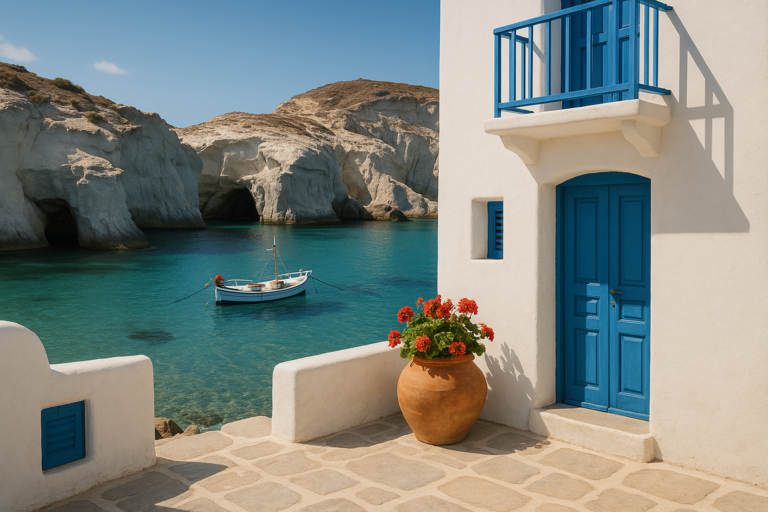
2-Week Island Hopping Greece Itinerary (Mixed Islands)
- Days 1–2: Athens.
- Days 3–5: Milos and Kimolos.
- Days 6–7: Sifnos.
- Days 8–9: Naxos.
- Days 10–11: Patmos (Dodecanese).
- Days 12–14: Rhodes — explore the old town, then fly home.
These are starting points, not rigid plans. The best island hopping trips leave room for spontaneity — a recommendation from a local, a ferry you didn’t know existed, a beach you stumble across by accident.
When Is the Best Time to Go Island Hopping in Greece?
Timing matters more than most people realize. Greece is a year-round destination in theory, but for island hopping specifically, some windows are significantly better than others.
Shoulder Season (May and September–October)
This is the sweet spot. The sea is warm, the crowds are manageable, the prices are lower, and the islands feel more like themselves. May is particularly good — wildflowers are still blooming, the light is extraordinary, and you can have entire beaches to yourself on a weekday. September and October offer the same benefits with the added bonus of sea temperatures that are still perfect for swimming well into autumn.
Peak Season (June–August)
The most popular time to visit, and for obvious reasons — long days, hot sun, and a buzzing atmosphere on every island. But it comes with trade-offs: higher prices, busier ferries, and accommodation that books out weeks in advance. If you’re traveling in peak season, plan further ahead than you think you need to, and consider building in some of the lesser-known islands to escape the crowds.
Low Season (November–April)
Many smaller islands essentially close down outside of summer. Ferries run less frequently, accommodation options shrink, and some tavernas and shops shut entirely. That said, if you’re flexible and genuinely curious, visiting in the off-season can offer a completely different — and surprisingly moving — perspective on island life.
How Much Does Island Hopping Greece Cost?
One of the best things about a Greek island hopping trip is that it can genuinely work on a range of budgets. You don’t need to splash out on a luxury catamaran to have an unforgettable experience. Here’s a rough breakdown to help you plan.
👉 Read also: Milos, Greece: Hidden Beaches, Sea Caves & Beyond the Typical Greek Island (2026)
Ferry Tickets
Standard ferry tickets between Cycladic islands typically range from €10 to €40 depending on the route and operator. High-speed ferries cost more but cut journey times significantly. Booking a few days in advance is usually enough outside of peak season — in July and August, book as early as you can, especially for popular routes.
Accommodation
Budget travelers can find hostel dorms or simple guesthouses for €20–€40 per night on most islands. Mid-range rooms in family-run studios or small hotels typically run €60–€120. Prices spike sharply on Santorini and Mykonos — another reason to explore beyond the obvious choices. On quieter islands like Kimolos or Folegandros, you’ll often pay less and get more.
Food and Drink
Eating well in Greece doesn’t have to cost much. A full meal at a local taverna — fresh fish, salad, bread, and a carafe of house wine — can come in well under €20 per person if you eat where the locals eat. Stick to the backstreets rather than the waterfront, and always ask what’s fresh that day.
Activities
Many of the best experiences in Greece are free or close to it: hiking, swimming, wandering through villages, watching sunsets from clifftops. Boat trips to places like Kleftiko typically cost €30–€60 and are worth every cent. Budget around €30–€50 per day for activities and you’ll have plenty to work with.
Practical Logistics: Making Island Hopping Greece Actually Work
The logistics of island hopping don’t need to be complicated, but a little planning goes a long way — especially in peak season when ferries fill up and accommodation gets tight.
Ferry Booking
For ferry routes and schedules across Greece, Ferryhopper is one of the most reliable booking platforms available, aggregating routes from multiple operators so you can compare times, prices, and vessel types in one place. Book your first few ferries before you leave home, then stay flexible for the rest of the trip — especially if you’re traveling in shoulder season when schedules are more forgiving.
Getting Around Each Island
On most Greek islands, renting a scooter or ATV is the most enjoyable way to explore. It’s affordable, gives you total freedom, and gets you to beaches that the tour buses never reach. Always check that your travel insurance covers motorized vehicles before you rent. On smaller islands, local buses and taxis are usually sufficient — and on the tiniest ones, you can cover most of the island on foot.
Packing for Island Hopping
Travel light. Seriously. You’ll be hauling your bag on and off ferries, up cobblestone streets, and through narrow village lanes. A 30–40 liter backpack is the sweet spot for most island hopping trips. Pack quick-dry clothing, a good pair of sandals that can handle both beach and village, a reusable water bottle, and a decent snorkel if you have space. Everything else you can pick up as you go.
Staying Connected
Greece is part of the EU, so if you have a European SIM card, roaming is usually included. If you’re traveling from outside Europe, picking up a local SIM at Athens airport is easy and inexpensive. Most ferries and accommodation have Wi-Fi, though signal quality varies on smaller islands — which, honestly, is part of the appeal.
Safety and Travel Insurance
Greece is a safe country for travelers, but standard precautions apply. Keep digital copies of your important documents, make sure your travel insurance covers water activities and ferry travel, and always check sea conditions before renting a boat independently. The Aegean can get choppy — especially in August when the meltemi wind picks up — so factor that into your planning.
Hidden Gems: Greek Islands Most Travelers Miss
If you want to go beyond the standard island hopping Greece routes, these are the islands worth adding to your list. They’re not secret — curious travelers have been finding them for years — but they’re far enough off the beaten path to still feel genuinely undiscovered.
- Amorgos — Remote, dramatic, and deeply atmospheric. The Chozoviotissa Monastery, built into a sheer cliff face above the sea, is one of the most extraordinary sights in the Aegean.
- Ikaria — Famous for the longevity of its residents and a famously relaxed approach to time. Buses run when they feel like it. Tavernas open at midnight. It’s wonderful.
- Nisyros — A volcanic island in the Dodecanese with an active caldera you can actually walk into. The medieval village of Mandraki is one of the most photogenic in Greece.
- Astypalaia — Shaped like a butterfly, with a hilltop castle, whitewashed houses, and a growing reputation among travelers who’ve exhausted the obvious options.
- Samothraki — Wild, mountainous, and unlike anywhere else in Greece. Home to the Sanctuary of the Great Gods and some of the most dramatic hiking in the Aegean.
Frequently Asked Questions About Island Hopping Greece
How many islands should I visit on a Greek island hopping trip?
For a one-week trip, aim for two to three islands. For two weeks, three to five works well. The temptation is always to pack in more, but spending more time on fewer islands almost always leads to a better experience. You’ll actually get to know a place rather than just passing through it.
Do I need to book ferries in advance?
In shoulder season (May, September, October), you can often book ferries a day or two ahead without any issues. In peak season (July and August), book popular routes at least a week in advance — some fill up much earlier. Your first ferry from Athens (Piraeus) to your first island is always worth booking before you leave home.
What’s the best starting point for island hopping in Greece?
Athens is the most practical starting point for most travelers. Piraeus port, about 30 minutes from the city center by metro, connects to virtually every island group. Spend a day or two in Athens first — it’s a genuinely fascinating city and a great way to ease into the trip before the islands take over.
Is island hopping Greece suitable for solo travelers?
Absolutely. Greece is one of the best destinations in the world for solo travel. The ferry culture naturally brings travelers together, hostels on the more popular islands have strong social scenes, and the Greeks are famously warm and welcoming to visitors traveling alone. Many of the best island hopping stories start with a solo traveler who ended up spending an extra week somewhere they hadn’t planned to stay.
Which Greek island group is best for first-timers?
The Cyclades are the most accessible starting point for first-time island hoppers. The ferry connections are excellent, the islands are well set up for independent travelers, and the variety within the group — from lively Paros to quiet Folegandros — means you can tailor the experience to exactly what you’re looking for.
Can I island hop in Greece on a tight budget?
Yes, and it’s more achievable than most people expect. Stick to shoulder season, choose islands beyond Santorini and Mykonos, eat at local tavernas rather than tourist-facing restaurants, travel on standard ferries rather than high-speed services, and stay in guesthouses or hostels. A daily budget of €60–€80 is realistic for comfortable travel on most Greek islands outside of peak season.
What should I pack for a Greek island hopping trip?
Keep it light. A 30–40 liter backpack, quick-dry clothes, comfortable sandals, sunscreen, a reusable water bottle, and a snorkel will cover most of what you need. Leave room for a few things you’ll pick up along the way — a bottle of local olive oil, a piece of handmade jewelry, a book from a harbor-side shop. Those are the things that end up meaning the most.
This article was produced with AI assistance and reviewed editorially.


Sri Lanka by Backpack: The Route, Costs, and Unmissable Stops

Uzbekistan’s Silk Road Cities: Samarkand & Bukhara in 2026


