
Asia
Where to Stay in Sapporo: Neighborhoods and Airbnbs That Feel Like Home
Find your perfect Sapporo accommodation across vibrant neighborhoods. Explore Airbnb options near skiing, nightlife, and attractions with insider neighborhood guides.

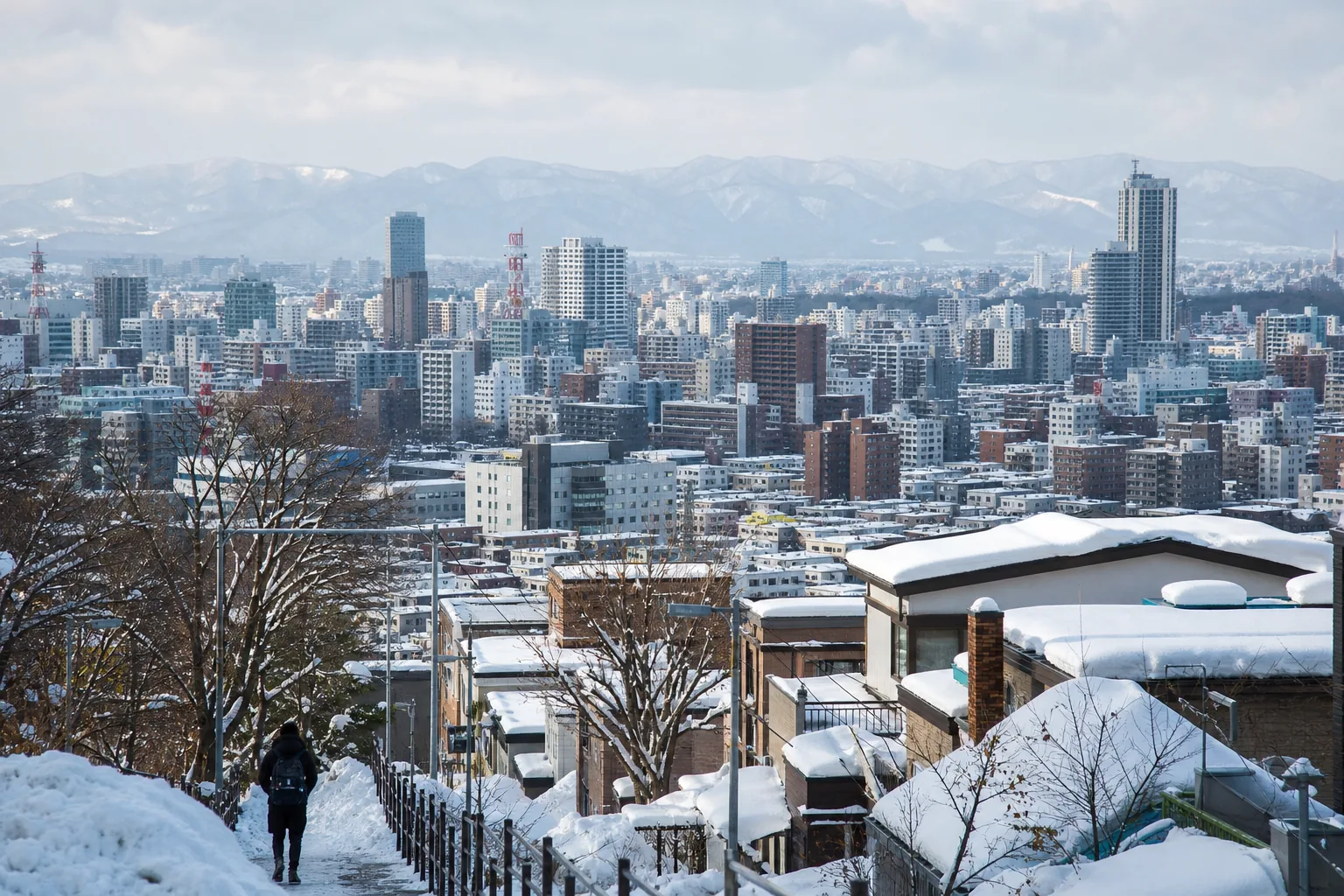
Sapporo sits at the top of Japan, cold and confident, with a personality that shifts depending on where you sleep. As the capital of Hokkaido, Japan’s northernmost main island, it draws close to one million foreign tourists every year — and for good reason. Whether you’re chasing powder snow, ramen at midnight, or a quiet morning walk through a frosted park, figuring out where to stay in Sapporo is probably the most important decision you’ll make before you land. Get it right, and the city opens up. Get it wrong, and you’ll spend half your trip on the subway wishing you’d done your homework.
Why Sapporo Deserves More Than a Stopover
Most travelers pass through Sapporo on their way to a ski resort or as a quick detour during a wider Japan trip. That’s a mistake. This city has a rhythm all its own — one that mixes the laid-back energy of a northern frontier town with the convenience of a modern Japanese metropolis. It’s famous worldwide for its annual Snow Festival, which transforms the city into a sculptural wonderland every winter, but Sapporo has plenty to offer across every season.
The summers are genuinely cool compared to the rest of Japan, which makes it a welcome escape from the heat that suffocates cities like Osaka and Tokyo in July and August. Autumn brings fiery foliage to the surrounding hills. And winter, of course, is when Sapporo becomes something close to magical — snowflakes, steaming bowls of miso ramen, and ski slopes within easy reach of the city center.
The good news for budget-conscious travelers? Sapporo’s Airbnb scene is massive. There are currently around 3,960 vacation rentals available on the platform, with prices starting at roughly $10 per night before taxes and fees. With over 154,290 verified guest reviews to browse, you’re not flying blind. And if you’re traveling with family or a group, there are more than 1,360 family-friendly properties to choose from. The challenge isn’t finding somewhere to stay — it’s finding the right neighborhood for how you want to experience the city.
Understanding Sapporo’s Neighborhoods Before You Book
Sapporo is laid out on a grid system, which makes it unusually easy to navigate for a Japanese city. The subway connects most key areas efficiently, and once you understand the character of each neighborhood, choosing where to stay becomes a lot more intuitive. Think about your trip first: Are you here for nightlife? Snow sports? Day trips across Hokkaido? A slow, exploratory pace? Your answer should drive your decision.
Sapporo Station — The Traveler’s Launchpad
If you want maximum flexibility, Sapporo Station is your anchor. It’s home to the iconic Sapporo JR Tower, one of the city’s most recognizable landmarks, and it connects you to the rest of Hokkaido by rail in a way no other neighborhood can match. Staying here means you can do a morning day trip to Otaru, explore a coastal town, or head further afield without losing hours to transit logistics.
The area around the station is modern, well-serviced, and full of shopping options, which makes it practical for first-time visitors who want to orient themselves quickly. It’s not the most atmospheric neighborhood in the city — you won’t feel like you’ve stumbled into a hidden corner of Japan here — but it’s reliable, central, and genuinely convenient. For travelers who plan to use Sapporo as a base while exploring the wider island, it’s hard to beat.
Odori — Right in the Heart of It All
Odori Park anchors what is widely considered the most central neighborhood in Sapporo. The park itself runs through the middle of the city like a long green spine, and in winter it becomes the main stage for the Snow Festival. If you’re visiting during that period, staying in Odori puts you as close to the action as possible — you can walk out of your Airbnb and be standing in front of enormous ice sculptures within minutes.
→ Read also: Budget Stays in Japan: Capsule Hotels, Airbnbs & Guesthouses Across Tokyo, Kyoto & Mt. Fuji
Beyond the festival, Odori is a great all-rounder. You’re within easy walking distance of most major attractions, the subway connections are excellent, and the neighborhood has a lively but not overwhelming energy. It suits travelers who want to feel connected to the city without being right in the middle of its loudest corners. Think of it as Sapporo’s living room — comfortable, central, and always a little something happening.
Susukino — For Night Owls and Culture Seekers
Here’s where things get interesting. Susukino is Japan’s largest entertainment district outside of Tokyo — a title it wears with confidence. Neon signs, late-night ramen joints, izakayas spilling out onto the street, karaoke bars, jazz clubs — Susukino has the kind of energy that only really kicks in after dark. If you’re traveling in your twenties and you want to actually experience a Japanese city at night rather than just read about it, this is where you want to be.
The Tanukikoji shopping arcade is located in this part of the city, stretching for several blocks and offering everything from street food to vintage clothing to traditional souvenirs. It’s one of those places you can wander through for an hour and come out the other end genuinely surprised by what you found. Staying in Susukino means you’re never far from food, entertainment, or something unexpected — which is exactly what makes it such a compelling base for adventurous travelers.
A quick note: Susukino can get loud, especially on weekends. If you’re a light sleeper, look for Airbnb listings that specify soundproofing or are located on quieter side streets within the neighborhood. The platform’s filter options make this easier than it sounds.
Tanukikoji — Convenience Without the Chaos
Tanukikoji as a broader area — beyond just the arcade — is worth considering on its own terms. It sits between Odori and Susukino, which means you get the benefits of both without fully committing to either. It’s consistently recommended for its convenience and food access, and it has a slightly more grounded, everyday-Sapporo feel compared to the tourist-facing polish of Odori or the late-night intensity of Susukino.
Markets, local restaurants, small independent shops — this is where you start to see how people in Sapporo actually live. For travelers who want authentic over curated, Tanukikoji makes a strong case for itself. And because it’s so centrally located, you’re never more than a short subway ride or walk from anywhere else in the city.
Nakajima Park — Quiet, Green, and Underrated
Not everyone wants to be in the thick of it. If you’re traveling at a slower pace — or if you’re visiting with family, or just need somewhere to decompress after a long journey — Nakajima Park offers something the central neighborhoods can’t: genuine quiet. The park itself is beautiful in every season, and the surrounding area has a residential, unhurried quality that feels like a world away from Susukino’s neon glow.
It’s recommended as a quiet, family-friendly area, and Airbnb listings here tend to reflect that — you’ll find more apartment-style rentals that feel like actual homes rather than tourist accommodations. The subway still connects you to the rest of the city easily, so you’re not sacrificing access for peace. You’re just choosing to start and end your days somewhere that lets you breathe.
→ Read also: Capsule Hotels in Japan: Budget Stays in Tokyo, Kyoto & Osaka 2026
Jozankei Onsen — When You Want to Escape the City Entirely
If you’re willing to venture a little further, Jozankei Onsen sits in the mountains near Sapporo and offers a completely different kind of stay. Hot spring baths, mountain air, ryokan-style accommodation and the kind of stillness that makes you forget you were ever in a city — it’s a genuinely restorative experience. Staying here even for just one or two nights can completely reset your energy mid-trip.
It’s not the most practical base if you’re trying to see a lot of Sapporo itself, but as a complement to a longer stay — a couple of nights in Susukino followed by a night in Jozankei — it creates a trip with real range and texture. Airbnb options in this area tend toward more traditional or rural-style properties, which adds to the experience.
How to Find the Right Airbnb in Sapporo for Your Trip
With nearly 4,000 listings on the platform, the search can feel overwhelming. Here are a few practical ways to narrow it down without losing your mind:
- Filter by neighborhood first. Use the map view on Airbnb to locate properties within the specific area you’ve chosen. Don’t just search “Sapporo” and scroll — you’ll end up lost in options.
- Read recent reviews carefully. With over 154,000 verified guest reviews available across Sapporo listings, you have a lot of real traveler experience to draw from. Pay attention to comments about noise, heating (crucial in winter), and proximity to the nearest subway station.
- Check winter-specific amenities. If you’re visiting between November and March, look for listings that mention underfloor heating, snow-cleared access, or proximity to covered walkways. Sapporo winters are serious, and a poorly insulated apartment will dampen your trip fast.
- Think about kitchen access. Sapporo’s food scene is genuinely excellent, but having a kitchen lets you pick up fresh produce from local markets and cook your own meals — which saves money and gives you a more local experience.
- Look at the host’s response rate and response time. In a city where you might need quick help navigating transport or local recommendations, a responsive host is genuinely valuable.
You can browse the full range of current options directly on Airbnb’s Sapporo listings page, where filters for price, amenities, and property type make it easy to find something that fits your travel style and budget.
Getting Around Sapporo — What You Need to Know
Sapporo’s subway system is clean, punctual, and covers the city’s main areas effectively. Three lines — the Namboku, Tozai, and Toho lines — connect most of the neighborhoods covered in this guide, which means that even if you’re staying somewhere quieter like Nakajima Park, you’re still well-connected to the rest of the city.
For ski trips, many resorts and ski areas in the Hokkaido region are accessible by bus or train from central Sapporo, often with direct shuttle services running during the winter season. Staying near Sapporo Station gives you the best access to these connections, as well as to the wider rail network for day trips to coastal towns and other Hokkaido highlights.
Within the central neighborhoods — Odori, Susukino, Tanukikoji — most of what you need is walkable. Sapporo’s grid layout makes it one of the more pedestrian-friendly cities in Japan, and wandering on foot is often the best way to discover the small things that don’t show up on any map: the tiny ramen shop tucked into a basement, the covered market selling fresh Hokkaido dairy, the street corner where locals gather on a cold evening.
Matching Your Vibe to the Right Part of the City
Here’s a quick cheat sheet if you’re still deciding:
- You want nightlife and energy: Stay in Susukino. It’s the most alive neighborhood after dark, and you’ll never run out of things to do.
- You’re here for the Snow Festival: Odori is the obvious choice. Proximity to the park means you’re in the middle of the action from day one.
- You’re using Sapporo as a base for Hokkaido exploration: Sapporo Station gives you the best rail connections and the most flexibility for day trips.
- You want a local, everyday feel: Tanukikoji strikes the right balance between convenience and authenticity.
- You need quiet and space: Nakajima Park is calm, green, and still well-connected to the city.
- You want a hot spring escape: Jozankei Onsen is worth the extra distance — especially in winter.
Choosing where to stay in Sapporo isn’t just a logistical decision — it’s a creative one. The neighborhood you pick shapes the version of Sapporo you experience. And with a city this layered, that choice matters more than you might expect. So take the time to think about the trip you actually want to have, not just the trip that’s easiest to book. Then find the Airbnb that puts you right in the middle of it. Sapporo has a story for every kind of traveler — you just need to figure out which chapter you want to live in.
This article was produced with AI assistance and reviewed editorially.


Island-Hopping in Greece: Skip Santorini and Find Your Own Adventure

Explore Sri Lanka and the Philippines Without Breaking the Bank


