
Asia
Southeast Asia’s Emerging Coastal Towns: Phu Quoc, Vung Tau & Beyond the Backpacker Circuit
Discover emerging Southeast Asia coastal towns like Phu Quoc and Vung Tau offering authentic experiences, local food, and lower costs than Bali or Phuket.

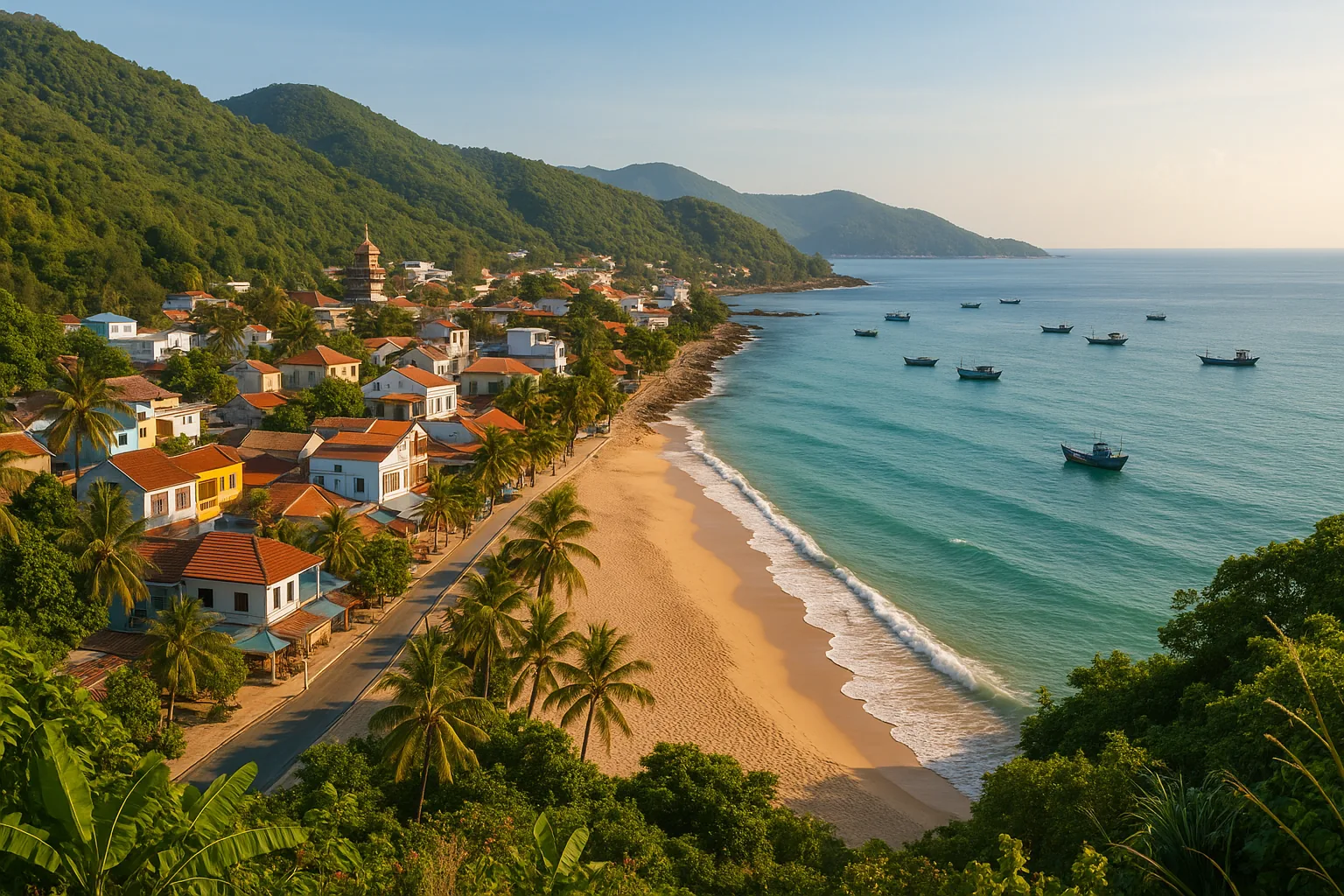
There’s a particular kind of magic that happens when you arrive somewhere before everyone else does. The streets feel yours. The locals actually notice you — not as a tourist, but as a curious stranger who made an interesting choice. That’s exactly the energy waiting for you in the southeast asia coastal towns that are quietly becoming the region’s most compelling travel stories. While Bali and Phuket remain iconic, they’ve also become victims of their own success: crowded beaches, inflated prices, and a tourist infrastructure so polished it can feel like you’re walking through a theme park. Vietnam’s coastline — and the wider Southeast Asian shoreline beyond the backpacker circuit — offers something genuinely different right now, and it won’t stay this way forever.
Why Travelers Are Rethinking the Classic Beach Destinations
Let’s be honest about what’s happening in 2026. Overtourism, high hotel prices, and crowded tourist sights remain real, persistent problems in destinations like Bali and Phuket. You’ve probably seen the photos — long-tail boats stacked side by side, beach clubs playing the same playlist from Ibiza to Koh Samui, and hostels that cost more per night than a decent apartment back home. The experience you imagined and the experience you actually get can feel worlds apart.
The good news? The region is vast, the coastline is extraordinary, and there are places where the gap between expectation and reality closes — or better yet, where reality exceeds what you hoped for. Phu Quoc, Nha Trang, Da Nang, and Vung Tau are all emerging as leading destinations in Vietnam’s summer tourism season, drawing travelers who want the warmth, the sea, and the food without the exhaustion of fighting through crowds to find it. These aren’t second-best options. They’re genuinely exciting places to be.
Phu Quoc: Vietnam’s Island That Earned Its Reputation Fast
Phu Quoc sits off the southwestern tip of Vietnam, tucked close to the Cambodian coast in the Gulf of Thailand. What makes it remarkable is the speed of its transformation. Phu Quoc has evolved into one of Southeast Asia’s best island destinations in a remarkably short period of time — and that trajectory is still moving upward. The island has attracted investment, improved connectivity, and developed a range of accommodation that genuinely competes with anything you’d find in Thailand or Indonesia, often at a fraction of the cost.
But here’s what the glossy resort brochures don’t always tell you: Phu Quoc still has rough edges, and those rough edges are exactly where the good stuff lives. The northern part of the island remains relatively undeveloped, with forested hills, quiet fishing villages, and stretches of coastline where you might genuinely be the only person in sight. The pepper plantations in the interior are worth a morning of wandering — hồ tiêu Phú Quốc, or Phu Quoc pepper, is one of Vietnam’s most prized agricultural products, and seeing where it comes from adds a layer of context to the island that a beach chair simply can’t provide.
When it comes to food, Phu Quoc delivers something that feels effortlessly local. Night markets along the main strip fill with the smoke and sizzle of fresh seafood — grilled squid, steamed clams, and whole fish served with nước chấm dipping sauce. You eat at plastic tables under string lights, surrounded by Vietnamese families doing the same thing. This is the kind of meal you’ll still be thinking about on the flight home. Compared to Bali or Phuket, accommodation, seafood, food, and transportation costs in Phu Quoc remain noticeably lower, which means your budget stretches further without you having to compromise on experience.
Getting Around and Staying Smart
Renting a motorbike is easily the best way to explore the island. The roads are manageable, the distances are short, and stopping whenever something catches your eye is half the adventure. Head south for the cable car crossing to An Thoi, or follow the coast road north until the tarmac runs out and the jungle takes over. If you’re not confident on a motorbike, electric golf carts and tuk-tuks are available in the main town of Duong Dong. Stay in the town itself rather than in a sealed resort complex if you want to actually feel the place — the guesthouses around the night market are affordable, central, and full of character.
👉 Read also: Southeast Asia's Underrated Coastal Towns: Vung Tau, Hat Yai & Beyond
Vung Tau: The Coastal Town That Locals Have Always Known About
Ask almost any traveler based in Ho Chi Minh City where they go when they need a weekend escape, and the answer comes quickly: Vung Tau. Located a short journey from the city — reachable by road or by high-speed ferry across the river — this coastal town has been a beloved retreat for Vietnamese families for generations. International travelers are only now beginning to discover what locals have quietly enjoyed for years.
Vung Tau is a town of two personalities, shaped literally by its geography. The town sits on a peninsula flanked by two distinct beach areas: Bai Truoc, or Front Beach, faces the bay and has a more urban, promenade feel — lined with seafood restaurants, cafés, and the gentle hum of daily life. Bai Sau, or Back Beach, stretches for several kilometres and offers a more open, windswept experience with longer sands and a slightly quieter atmosphere. Neither beach is trying to be something it isn’t, and that authenticity is part of what makes Vung Tau so refreshing.
Dominating the skyline from the hill known as Nui Nho is the Christ the King Statue — a striking landmark that rewards the climb to reach it with panoramic views over the peninsula, the coastline, and the South China Sea stretching toward the horizon. It’s one of those views that makes you stop talking and just look. The town also has a relaxed, unhurried pace that feels genuinely Vietnamese rather than tourist-facing — you’ll find bánh mì carts, local coffee shops, and morning markets that exist entirely for the people who live here.
Eating Your Way Through Vung Tau
Vung Tau is famous for its fresh seafood, and the town takes that reputation seriously. The fishing boats come in early, and by mid-morning the markets and restaurants have whatever the sea offered overnight. Look for bánh khọt — small, crispy rice flour pancakes topped with shrimp and served with fresh herbs — a dish that Vung Tau locals consider their own. It’s the kind of food that costs almost nothing, tastes extraordinary, and connects you immediately to the place in a way that a resort buffet never could. Pair it with a Vietnamese iced coffee and eat it at a plastic stool on the pavement. That’s the experience.
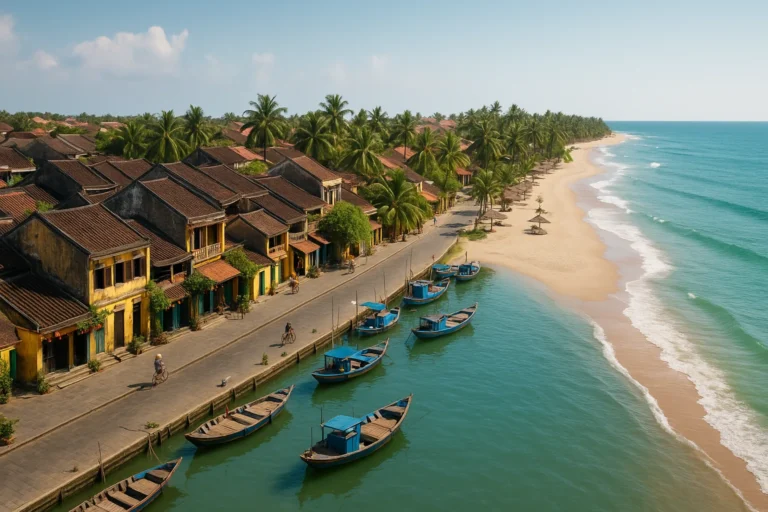
The seafood restaurants along the beachfront range from casual open-air spots to slightly more polished dining rooms, but the quality is consistently high and the prices remain well below what you’d pay for equivalent freshness in Phuket or Seminyak. Order by weight, point at what looks good in the display tanks, and trust the kitchen to do the rest.
Beyond Vietnam: Other Southeast Asia Coastal Towns Worth Your Time
Vietnam’s coast is compelling, but the wider region has its own collection of underrated shorelines waiting to be explored. The pattern is consistent across southeast asia coastal towns that haven’t yet hit the mainstream radar: lower prices, more genuine interactions, and the particular pleasure of feeling like you arrived somewhere before the crowds did.
In the Philippines, the island of Siquijor offers a mystical, forested coastline with clear water and a reputation for folklore that makes it feel unlike anywhere else in the archipelago. It’s accessible but not overrun, and the diving around its reefs is genuinely world-class. Further north, the beaches of Pagudpud in Ilocos Norte deliver dramatic white sand and strong winds that make it a favourite for kitesurfers — and almost nobody else.
👉 Read also: Southeast Asia's Emerging Cities: Vung Tau, Hat Yai & Songkhla Beyond the Tourist Trail
In Cambodia, Kep sits quietly on the Gulf of Thailand, a former colonial retreat that never quite recovered from the turbulence of the twentieth century and, as a result, retains an eerie, overgrown charm. The crab market is legendary among those who know it — fresh blue swimming crab cooked in Kampot pepper sauce, eaten at rickety tables overlooking the water. It’s one of those meals that justifies an entire detour.
Myanmar’s Ngapali Beach remains one of the most beautiful stretches of coastline in the region, though travel conditions there require careful research and up-to-date advice before visiting. The potential is extraordinary; the context is complicated. Always check current guidance from your government’s travel advisory service before planning a visit to destinations with complex political situations — the U.S. Department of State’s travel information portal is a reliable starting point for international travelers.
Indonesia beyond Bali is enormous and largely unexplored by most visitors. Lombok has grown in profile but still offers quieter corners, particularly in the south around Selong Belanak and Mawun. The Banda Islands in Maluku are genuinely remote, historically fascinating, and surrounded by some of the most pristine coral in the world — but they require planning, patience, and a genuine appetite for adventure. They reward all three.
Practical Things to Know Before You Go
Traveling the southeast asia coastal towns that sit off the main tourist circuit requires a slightly different mindset than booking a package holiday to a well-worn destination. Here’s what actually helps:
- Flexibility is your greatest asset. Ferry schedules change, weather affects small island access, and the best experiences often come from adjusting your plans rather than sticking rigidly to them.
- Learn a few words of the local language. Even a basic greeting in Vietnamese — xin chào — or a thank you in Khmer — orkun — shifts the dynamic of an interaction immediately and meaningfully.
- Eat where locals eat. The rule is almost universally reliable: if a restaurant has a laminated menu with photos translated into four languages, it’s probably not where the best food is. Follow the crowds of local families instead.
- Arrive with some cash. ATMs exist in most coastal towns, but they’re not always reliable, and smaller guesthouses and market vendors rarely accept cards. Having local currency in hand keeps your options open.
- Travel in the shoulder season when possible. The weeks just before and just after peak season tend to offer the best combination of good weather, manageable crowds, and lower prices — especially for accommodation.
- Respect the environment. Coastal ecosystems in Southeast Asia are under significant pressure. Choosing operators who practice responsible tourism, avoiding single-use plastics, and not touching or standing on coral reefs are small choices that add up to something real.
The Right Moment to Go Is Now
There’s a window with destinations like Phu Quoc and Vung Tau that won’t stay open indefinitely. The infrastructure is improving, the connectivity is growing, and the word is spreading — slowly, but it is spreading. The travelers who arrive in the next year or two will find a version of these southeast asia coastal towns that still feels raw enough to be genuinely exciting, but developed enough to be comfortable and accessible. That balance is rare and it doesn’t last.
What makes these places worth your time isn’t just that they’re cheaper than Bali or less crowded than Phuket — though both things are true. It’s that they’re places where you can still feel the texture of daily life underneath the tourism layer. Where the fishing boats go out at dawn and come back in the afternoon. Where the best meal you’ll eat all week costs less than a coffee back home and is served by someone who made it the same way their grandmother did. Where you can sit on a beach in the early evening, watch the light change over the water, and feel genuinely present rather than performing the experience for a camera.
That feeling — of being somewhere real, somewhere that hasn’t been packaged and sold back to you — is what travel is supposed to feel like. And right now, along the coastline of Vietnam and the quieter shores of Southeast Asia, it’s still very much available. You just have to choose it.
This article was produced with AI assistance and reviewed editorially.


Teaching English Abroad in 2026: Top Countries, Visa Requirements & Real Salaries

Where to Stay in Latin America’s Top Destinations: Buenos Aires, Bogota & Beyond


