
Asia
Vung Tau: Vietnam’s Underrated Beach Town Where Fishing Village Meets City
Discover Vung Tau beach, a working fishing village just 2 hours from Ho Chi Minh City. Explore authentic seafood, coastal walks, and genuine Vietnamese culture without th

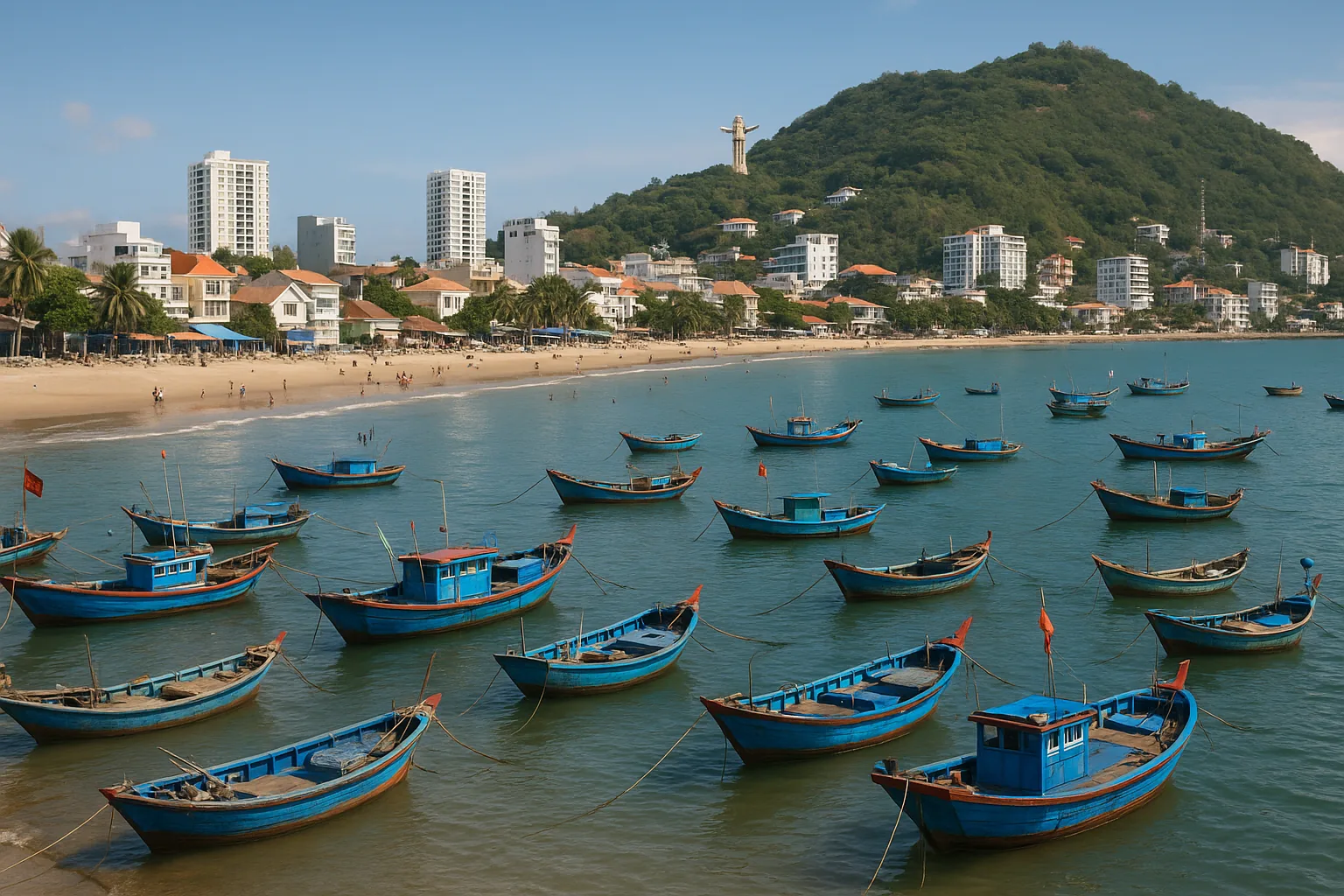
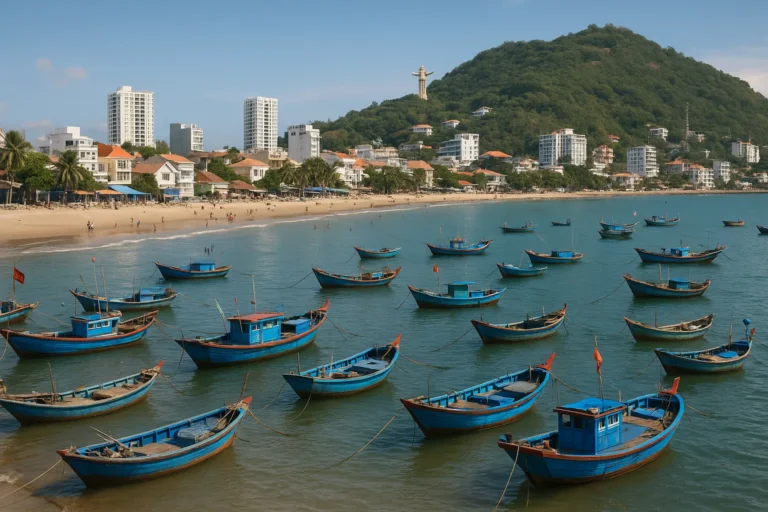
There’s a version of Vietnam that most travelers flying between Ho Chi Minh City and the coast never quite find — and Vung Tau beach is exactly that version. Just two hours south of Ho Chi Minh City, this coastal city sits in a rare sweet spot: it’s distinctly Vietnamese, genuinely lived-in, and completely unpretentious. You won’t find the polished resort strips or the backpacker conveyor belts here. What you’ll find instead is a place where fishing boats still come in before dawn, where locals crowd plastic chairs at seafood restaurants, and where the sea breeze carries the smell of salt and grilled shellfish in equal measure.
Why Vung Tau Feels Different From the Start
The moment you arrive in Vung Tau, something shifts. The pace is slower. The streets are wider. And the whole city seems oriented toward the sea in a way that feels natural rather than engineered for tourism.
Vung Tau has a long and layered history — Portuguese traders, French colonial forces, and other foreign powers have all left their mark on this peninsula over the centuries. You can feel that history in the architecture, in the old colonial villas tucked between modern apartment blocks, and in the way the city carries a kind of quiet confidence about who it is. It doesn’t need to perform for visitors. It’s just itself.
That quality — being distinctly Vietnamese while also feeling surprisingly accessible — is what makes Vung Tau so worth exploring. It’s a balance between a laid-back beach town and a booming city, and somehow it pulls off both without losing either.
Getting There: The Journey Is Part of the Story
From Ho Chi Minh City, Vung Tau is roughly two hours away by road. That’s close enough for a day trip, but honestly, you’d be shortchanging yourself if you didn’t stay at least one night. The city rewards the kind of slow, unhurried exploration that you can’t do in a single afternoon.
There are a few ways to make the journey. Buses run regularly from Ho Chi Minh City and drop you near the center of town — they’re affordable, comfortable enough, and a good way to watch the landscape shift from urban sprawl to coastal countryside. High-speed ferries are another option, cutting across the water from the Saigon River and delivering you to the seafront with a view that already sets the mood.
A new expressway has been in development that would cut the drive down to around 50 minutes, which will only make Vung Tau more accessible for quick escapes from the city. For now, the two-hour journey is part of the rhythm — a decompression before you arrive.
If you’re coming from elsewhere in Vietnam, Vung Tau is best approached as a southern Vietnam side trip. Base yourself in Ho Chi Minh City and take the coast as a natural extension of your time there. The two places complement each other well: one is all energy and noise; the other is open skies and sea air.
The Vung Tau Beach Experience: What to Actually Expect
Vung Tau’s coastline is shaped by the city’s geography — it’s a peninsula, which means the sea wraps around it from multiple directions. This creates two distinct coastal personalities that locals and regular visitors know well.
👉 Read also: Vung Tau, Vietnam: The Beach Town Where Saigon Locals Actually Go
On one side, you have the calmer, more sheltered waters where fishing activity is concentrated and the atmosphere is working-class and real. On the other, you get longer stretches of open beach where families spread out on weekends, vendors sell fresh coconuts and grilled corn, and the horizon opens up wide. Neither side is trying to be a postcard. Both of them are genuinely alive.
The Vung Tau beach scene is at its most atmospheric in the early morning and late afternoon. Come at sunrise and you’ll share the shore with joggers, elderly locals doing thể dục (morning exercise), and the distant silhouettes of fishing boats returning from overnight trips. Come at sunset and the light turns the water gold while food stalls fire up along the promenade. These are the hours that make you understand why locals have been coming here for generations to relax, soak up the sea breeze, and indulge in seafood feasts.
Weekends bring Vietnamese families from Ho Chi Minh City in full force — and that’s actually a good thing. It means the beach is full of genuine local life rather than tourist infrastructure. You’re not watching a curated experience; you’re in the middle of one.
Fishing Villages and the Living Culture of the Coast
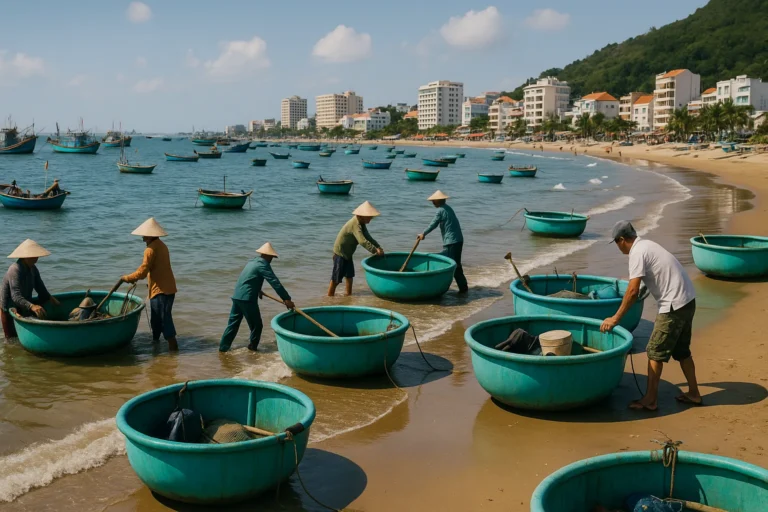
One of the most compelling reasons to venture beyond the main beach strips is the fishing culture that still pulses through this part of the Ba Ria–Vung Tau province. Phuoc Hai Fishing Village, located in Dat Do District about 16 km northeast of Vung Tau City, is a genuine working community where the rhythms of daily life are tied entirely to the sea.
If you can get there in the early morning — and you should try — you’ll witness the kind of scene that stays with you. Boats unloading their catches, women sorting fish and shellfish with practiced speed, the whole operation moving with a quiet efficiency that’s been refined over generations. It’s not a tourist attraction. It’s just life, and you’re welcome to observe it respectfully.
Back in Vung Tau City itself, the local markets tell a similar story. Wander through in the morning and you’ll find stalls piled with the morning’s catch — squid, prawns, clams, fish of every size — alongside vegetables, herbs, and the kind of produce that ends up in the city’s best kitchens by lunchtime. The market is where you understand what’s actually on the menu before you sit down to eat it.
Eating Your Way Through Vung Tau
If there’s one thing that Vung Tau does better than almost anywhere else in southern Vietnam, it’s seafood. The city is where locals go specifically to eat, and that reputation is earned. Seafood restaurants line the coastal roads and spill out onto the pavements, with tanks of live shellfish at the entrance and menus that change based on what came in that morning.
Order grilled clams with spring onion and peanut oil. Order steamed crab with ginger. Order whatever the table next to you is having, because they almost certainly know something you don’t. The food here is direct and confident — big flavors, fresh ingredients, minimal fuss.
Beyond seafood, Vung Tau has its own local specialties worth seeking out. Bánh khọt — small, crispy rice flour cups filled with shrimp and topped with fresh herbs — is considered a Vung Tau signature dish, and you’ll find it at street stalls and small restaurants throughout the city. It’s the kind of food that’s deeply local and deeply good, and eating it here, in the place it comes from, is a completely different experience from finding it on a tourist menu in Ho Chi Minh City.
Budget travelers will find Vung Tau genuinely kind to their wallets. Street food and local restaurants offer filling, delicious meals at prices that make sense for backpackers and young travelers. Even the seafood restaurants — which might feel like a splurge — are often significantly more affordable than equivalent places in larger tourist hubs. You can eat extremely well here without watching every dong.
👉 Read also: Southeast Asia's Underrated Coastal Towns: Vung Tau, Hat Yai & Beyond
Exploring the City on Foot and by Motorbike
Vung Tau rewards slow exploration. The city is compact enough that you can cover a lot of ground on foot, especially along the coastal promenades where the sea is always in view. Walking the waterfront at different times of day gives you a completely different experience each time — morning calm, midday activity, evening buzz.
For getting further afield — up into the hills, out to the fishing villages, along the quieter stretches of coast — renting a motorbike is the obvious move. It’s easy to arrange, affordable, and gives you the freedom to stop wherever something catches your eye. The roads around the peninsula are genuinely scenic, with hills rising behind you and the sea appearing around every bend.
The Giant Jesus statue (officially the Tượng Chúa Kitô Vua, or Christ the King) stands on a hilltop and is one of Vung Tau’s most recognizable landmarks — you can climb up through the statue itself for a panoramic view of the coastline and city below. It’s a short but steep climb, and the view at the top makes it completely worth it. On a clear day, you can see the full arc of the peninsula, the fishing boats on the water, and the city laid out between the hills and the sea.
Where to Stay and How to Plan Your Time
Accommodation in Vung Tau runs the full range — from budget guesthouses and hostels to mid-range hotels that sit right on the waterfront. For young travelers, the guesthouses near the beach offer the best combination of location, price, and atmosphere. You’re close enough to walk to the water in minutes, and the neighborhoods around them are full of the local restaurants and coffee shops that make a place feel real.
If you’re coming for a day trip from Ho Chi Minh City, aim to get an early start. The ferry or bus in the morning, a full day of beach, market, and food exploration, and the last boat or bus back in the evening gives you a satisfying slice of what Vung Tau offers. But if you can manage two nights, you’ll get something deeper — the chance to catch the fishing market at dawn, to explore the peninsula by motorbike, to find the bánh khọt stall that the guesthouse owner recommends.
The best time to visit is during the dry season, which runs roughly from November through April in southern Vietnam. The weather is warm, the sea is calmer, and the light in the late afternoon is the kind that makes everything look like a photograph you actually want to keep. That said, Vung Tau draws Vietnamese visitors year-round, and even in the wetter months, the city has a life to it that doesn’t depend on perfect weather.
What Makes the Vung Tau Beach Scene Worth Your Time
There’s a version of beach travel that’s about ticking boxes — the famous stretch of sand, the sunset bar, the Instagram spot. And then there’s the kind of beach travel where you end up sitting at a plastic table eating the freshest clams you’ve ever had, watching a city go about its evening, feeling genuinely glad you came somewhere you almost didn’t bother with.
The Vung Tau beach experience belongs firmly in the second category. It’s not trying to compete with the big resort towns. It’s not trying to be anything other than what it is — a working coastal city that happens to have beautiful water, extraordinary food, and a character that feels earned rather than manufactured.
For more context on planning your visit, Vietnam’s official tourism site offers a practical overview of the city’s highlights and logistics.
The travelers who get the most out of Vung Tau are the ones who arrive without a rigid plan and stay open to what the city offers on its own terms. Talk to the woman selling bánh khọt at the corner stall. Take the long way around the peninsula on a rented motorbike. Wake up early enough to see the fishing boats come in. These are the moments that don’t make it into the highlight reels but stay with you long after you’ve moved on — the kind of travel that reminds you why you started exploring in the first place.
This article was produced with AI assistance and reviewed editorially.


Teaching English Abroad in 2026: Top Countries, Visa Requirements & Real Salaries

Where to Stay in Latin America’s Top Destinations: Buenos Aires, Bogota & Beyond


