
Asia
Vung Tau, Vietnam: The Beach Town Where Saigon Locals Actually Go
Discover Vung Tau like locals do. This travel guide covers neighborhoods, seafood restaurants, beaches, and how to reach this coastal city from Ho Chi Minh City.

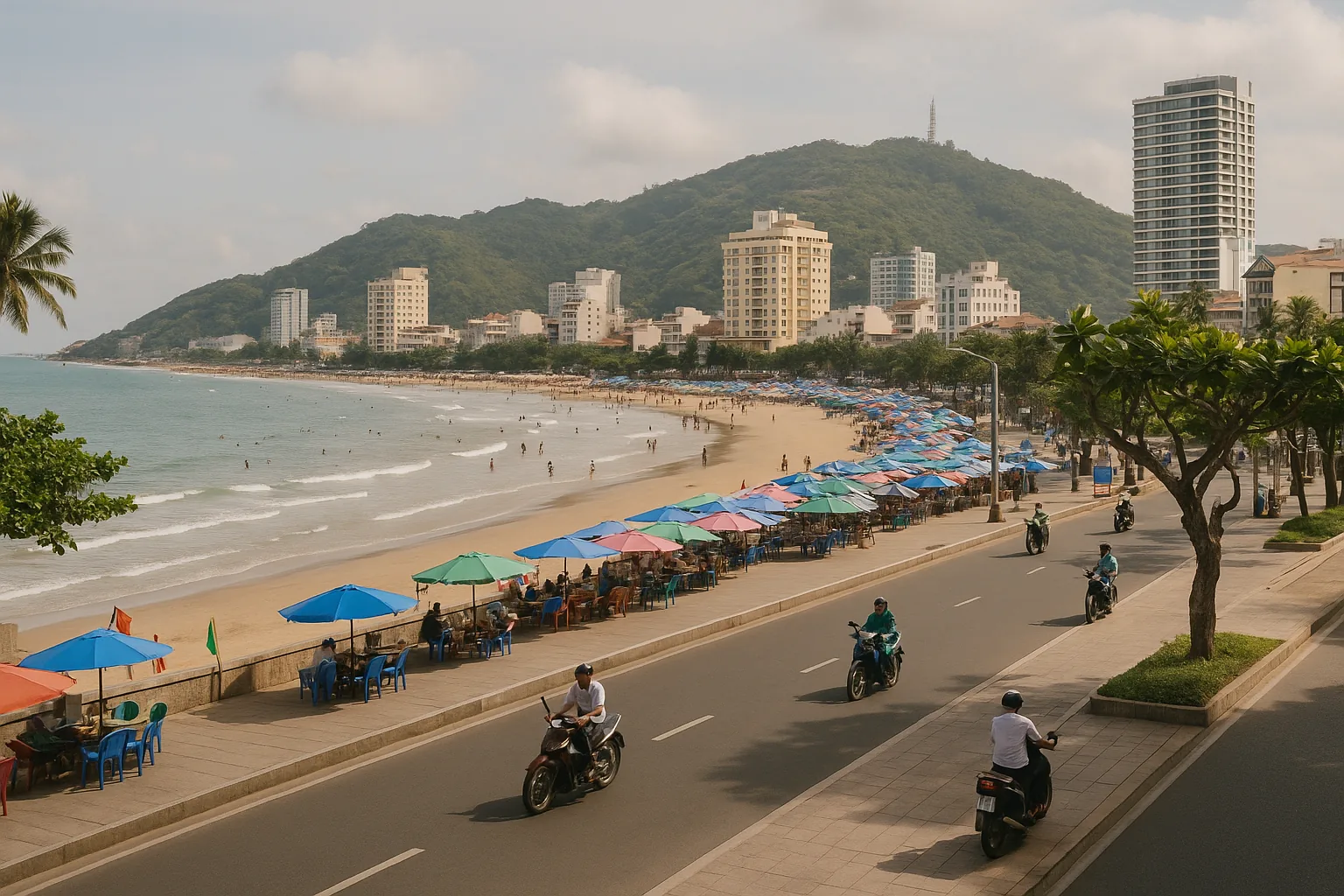
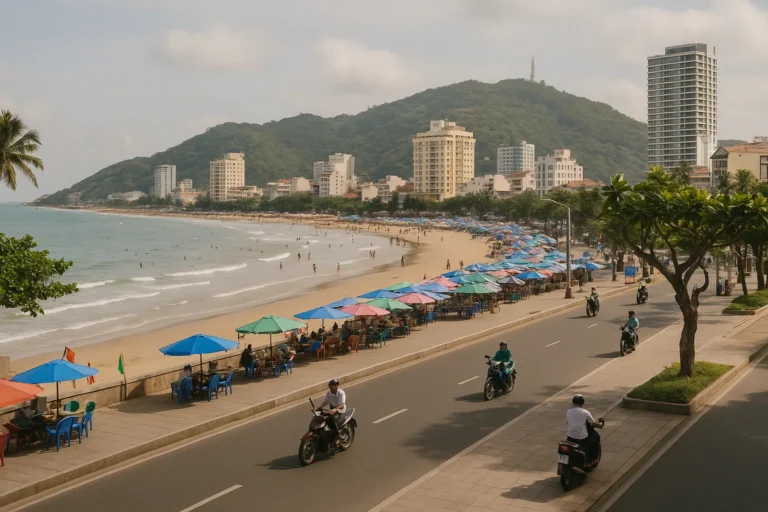
If you’ve ever asked a Saigonese local where they actually go when they need to escape the city, chances are the answer is Vung Tau. Not some glossy resort island that requires a flight and a splurge, but a real, lived-in coastal city about two hours south of Ho Chi Minh City — where the seafood is fresh, the pace slows down, and the beach feels like it belongs to people who actually live near it. This Vung Tau travel guide is for anyone who wants to experience that side of Vietnam: the version locals choose, not the version designed for tourists.
Why Vung Tau Feels Different From Every Other Vietnamese Beach Town
There’s a reason this city has been the go-to coastal retreat for Saigon residents and expatriates for over a century. Vung Tau isn’t trying to be a postcard. It’s a functioning, breathing city that happens to sit on the sea — and that’s exactly what makes it so compelling to visit.
Walk through its streets and you’ll notice layers of history that most beach towns simply don’t have. Portuguese traders, French colonial forces, and a Russian community that helped build the offshore oil and gas industry all left their mark here. You can feel it in the architecture, in the food culture, in the way certain neighborhoods carry a different energy. This isn’t a place that was invented for tourism. It evolved on its own terms, and tourism just followed.
Compared to somewhere like Đà Nẵng, Vung Tau feels more compact and more culturally authentic. Da Nang has grown fast and internationally. Vung Tau has stayed distinctly Vietnamese, which is either exactly what you’re looking for or it tells you everything you need to know about whether this place is right for your trip. If you want something real, come here.
And in 2005, Vung Tau technically became part of Ho Chi Minh City through an administrative change — which says a lot about how closely tied the two places are. For Saigon residents, this is practically a backyard escape. For you, it’s a chance to travel the way locals do.
Getting Here From Ho Chi Minh City
One of the best things about Vung Tau is how easy it is to reach. From Ho Chi Minh City, you’re looking at roughly two hours by road on the old highway — and that journey is getting shorter as infrastructure improves. A newer expressway connection is cutting that time down significantly, making spontaneous weekend trips even more tempting.
The most common way to get here is by bus or minivan, with several operators running regular departures from central Ho Chi Minh City throughout the day. Buses tend to be affordable and reliable, which makes this one of the most budget-friendly coastal escapes in Southeast Asia. You don’t need to plan weeks in advance — you can genuinely decide on a Friday afternoon and be on the beach by evening.
There’s also a hydrofoil ferry option that crosses the river and bay, which cuts the journey even shorter and gives you a completely different arrival experience. Coming into Vung Tau by water, watching the coastline come into view, is a memorable way to start any visit. It costs a little more than the bus, but if you’re the kind of traveler who thinks the journey is part of the story, it’s worth it.
👉 Read also: Hidden Gems in Southeast Asia: Vung Tau, Hat Yai & Thailand's Underrated South
Once you’re in the city, getting around is easy. Motorbike taxis and ride-hailing apps are widely available, and the city is compact enough that you can walk between many of the key spots if you’re staying centrally. Renting a bicycle or motorbike for a day is also a popular option and gives you the freedom to explore at your own pace — which is always the best way to discover a place like this.
The Beaches: What to Expect and When to Go
Back Beach — known locally as Bãi Sau — is where most of the energy concentrates. It’s a long stretch of sand with food vendors, beach chairs, and the kind of relaxed atmosphere that makes it easy to lose track of time. This is where Saigon families come on weekends, which tells you something important: visit on a weekday if you can. The difference between a weekday and a weekend at Back Beach is significant. During the week, you’ll have far more space, the vendors are less rushed, and the whole vibe is calmer and more enjoyable.
The beach itself isn’t the crystal-clear tropical water you might imagine from a postcard — Vung Tau’s appeal isn’t about pristine white sand and turquoise lagoons. It’s about authentic coastal life: fishing boats in the distance, local families sharing food on the beach, the smell of grilled seafood drifting over from nearby stalls. That’s the experience here, and if you embrace it rather than compare it to somewhere else, you’ll love it.
Beyond Back Beach, the city has other coastal areas worth exploring. Front Beach (Bãi Trước) is calmer and more of a promenade — less about swimming and more about walking, sitting at a café, and watching the water. It’s a great spot for early mornings, when the light is soft and the city is still waking up. Some of the most memorable moments in Vung Tau happen at that quiet hour before the day gets busy.
For water activities, you’ll find options for swimming, jet skiing, and various beach sports depending on the season. The sea conditions vary throughout the year, so it’s worth checking what’s available when you visit. The dry season, roughly from November through April, tends to offer calmer waters and clearer skies — ideal if you want to actually get in the water rather than just look at it.
Eating in Vung Tau: Follow the Locals, Not the Menus
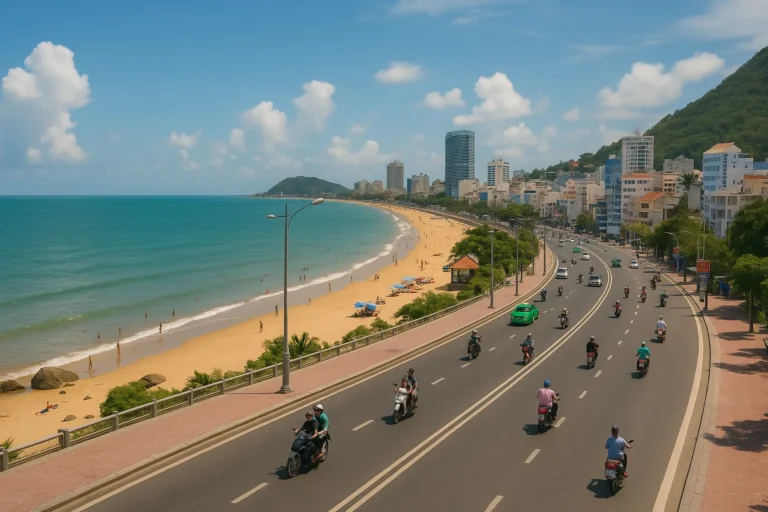
This is where Vung Tau really earns its reputation. The food scene here is built around fresh seafood, and the best versions of it are almost never found in the tourist-facing restaurants near the beach. They’re found in the local spots a few streets back, where the tables are plastic, the prices are low, and the seafood was probably caught that morning.
Look for places where xe máy — motorbikes — are parked three-deep out front. That’s the universal sign that locals eat here. You’ll typically find grilled clams with spring onion and oil, steamed crabs, fresh shrimp cooked simply and served with salt and lime, and fish prepared in ways that let the quality of the ingredient speak for itself. Don’t overthink your ordering strategy. Point at what looks good, ask the price, and trust the process.
Street food is equally worth your attention. Morning markets come alive early with bánh mì, bún riêu (a tangy crab noodle soup), and various rice dishes that make for a proper local breakfast. Wander away from the main tourist drag and you’ll find vendors cooking out of carts and tiny shophouses, serving food that costs very little and tastes genuinely good. Budget travelers will find Vung Tau particularly generous — your money stretches noticeably further here than in Ho Chi Minh City or major tourist hubs.
One thing worth knowing: Vung Tau has a history of international influence, and that shows up in its food culture too. You’ll find traces of French culinary tradition in some of the baked goods and café culture, and the city has a surprisingly good coffee scene. Sitting at a local cà phê with a Vietnamese iced coffee and watching the street go by is one of those simple pleasures that makes a trip feel worthwhile.
👉 Read also: Southeast Asia City Guides 2026: Kuala Lumpur, Singapore, Vung Tau & Hat Yai for First-Time Visitors
Where to Stay and How to Navigate the Neighborhoods
Vung Tau’s layout is relatively easy to understand once you’re on the ground. The city sits on a small peninsula, with the two main beaches — Front Beach and Back Beach — on either side. Between them is a mix of residential streets, local markets, and the kind of everyday urban life that makes exploring on foot genuinely rewarding.
If you want to be close to the action and the beach energy, staying near Back Beach makes sense. You’ll have easy access to food, the waterfront, and the general buzz of the city. The accommodation options range from budget guesthouses to mid-range hotels, and even the more comfortable options tend to be reasonably priced compared to what you’d pay in Ho Chi Minh City for equivalent comfort.
For a quieter stay, the area around Front Beach has a more relaxed atmosphere. It’s slightly more removed from the weekend crowds and has a different character — more suited to slow mornings and evening walks than late-night beach activity. If you’re visiting as a couple or just want somewhere to decompress, this side of the city has a lot going for it.
Wherever you stay, try to walk the streets between the two beaches at least once. That’s where you’ll find the real city — the local temples, the markets, the small family-run restaurants that don’t appear on any app. It’s also where Vung Tau’s layered history becomes visible, in the old buildings and the mix of architectural styles that reflect its unusual past.
Practical Things Worth Knowing Before You Go
Vung Tau is genuinely budget-friendly by any standard. Street food and local restaurants are inexpensive, accommodation options at every price point exist, and getting around the city doesn’t require much spending. You can have a full, satisfying day — beach, food, coffee, exploring — without spending a lot. That said, the city is growing, and some areas closer to the tourist waterfront have started to reflect that with slightly higher prices. The further you wander from the main tourist strip, the better the value tends to be.
The best time to visit is during the dry season, when the weather is more predictable and the sea is calmer. That said, Vung Tau gets busy during Vietnamese public holidays and long weekends, when half of Ho Chi Minh City seems to arrive at once. If you have flexibility, a midweek visit during the dry season is the sweet spot — good weather, manageable crowds, and a much more relaxed atmosphere overall.
It’s also worth spending a little time at the Christ the King statue that overlooks the city from the mountain — Núi Lớn, or Big Mountain. The climb involves a lot of steps, but the view from the top is genuinely worth it. You can see the whole city, both beaches, and the coastline stretching out in either direction. It’s one of those moments that puts the whole place in perspective.
For a deeper dive into the city’s history and context, the Vietnam National Administration of Tourism’s guide to Vung Tau is a useful starting point before you arrive.
Vung Tau won’t dazzle you with Instagram-perfect scenery or luxury resort infrastructure — and that’s the whole point. It’ll give you something more interesting: a coastal city with real character, food that tastes like it was made for the people who live there, and a pace of life that reminds you why you started traveling in the first place. Come with an open mind, wander without a strict plan, and let the city show you what it actually is. That’s when Vung Tau starts to feel like somewhere you’ll want to come back to.
This article was produced with AI assistance and reviewed editorially.


Almaty & Tashkent: Central Asia’s Modern Cities Beyond the Silk Road Clichés

Stay Smart in Asia: Budget Accommodation in Osaka, Kyoto & Kuala Lumpur 2026


