
LATAM
Latin America’s Colonial Gems: Granada, Quito & Beyond for Culture-Hungry Travelers
Explore striking colonial cities in Latin America like Granada and Quito. Discover authentic history, vibrant culture, and genuine travel experiences beyond the tourist c

There’s a particular kind of travel magic that happens when you step into a city where the past and present feel genuinely intertwined — where centuries-old churches cast shadows over street food stalls, and the rhythm of daily life hasn’t been entirely reshaped for tourists. The colonial cities of Latin America offer exactly that kind of experience, and for young travelers willing to look beyond the most-photographed squares, the region is full of places that reward curiosity in ways few destinations can match. Whether you’re drawn to cobblestoned plazas, indigenous heritage, or simply the feeling of arriving somewhere that still surprises you, this part of the world delivers.
Why Colonial Cities in Latin America Still Matter
It’s easy to dismiss “colonial city” as a category — a shorthand for old churches and pastel-painted facades. But that framing misses what actually makes these places worth your time. The colonial cities of Latin America are living, breathing communities where centuries of history collide with contemporary culture. Spanish architecture sits alongside indigenous markets. Baroque cathedrals share neighborhoods with street murals. The food, the music, the daily rituals — all of it carries layers you can spend weeks starting to understand.
The story of these cities is complicated, too. Their grandeur was built through conquest, forced labor, and the displacement of indigenous peoples. Traveling through them thoughtfully means sitting with that complexity, not glossing over it. When you walk through a colonial centro histórico, you’re not just looking at pretty buildings — you’re reading a history that shaped an entire hemisphere.
That’s precisely why they’re so compelling for travelers who want more than a highlight reel. The colonial cities of Latin America — from the Caribbean coast to the high Andes — offer a depth of experience that’s hard to replicate anywhere else on earth. And some of the most rewarding ones are the cities that haven’t yet become synonymous with tourism overload.
Granada, Nicaragua: Color, Character, and Open Streets
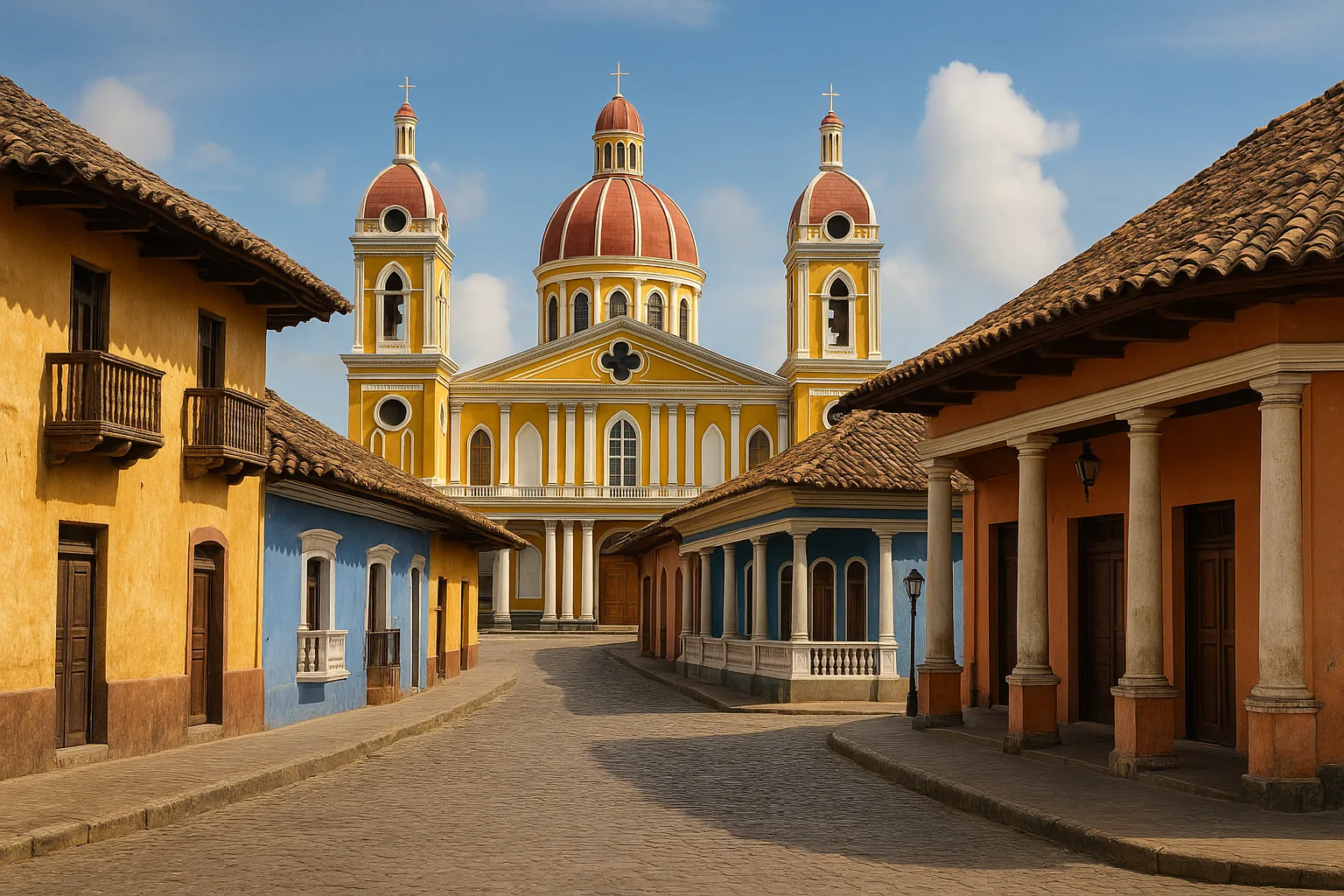
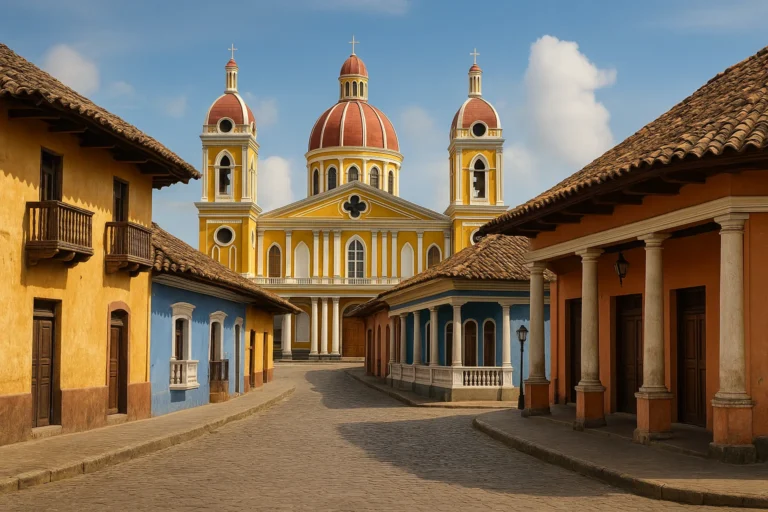
Granada is one of those cities that gets under your skin quickly. Situated on the western shore of Lake Nicaragua, it’s widely considered one of the oldest continuously inhabited Spanish-founded cities in Central America, and its streets reflect that long, layered history. The architecture ranges from crumbling colonial mansions to vibrantly restored facades in shades of ochre, turquoise, and terracotta — the kind of color palette that makes every turn feel like a photograph waiting to happen.
What makes Granada particularly appealing for young travelers is its scale. It’s walkable in a way that larger colonial capitals aren’t. You can spend a morning exploring the central Parque Central, wander into the cathedral, duck into a side street market, and be back at a rooftop café by noon — all without needing to navigate complicated transit or spend money on tours. The city invites a kind of slow, spontaneous exploration that suits the backpacker mindset perfectly.
The streets around the park fill up in the evenings with locals and travelers alike, and the food scene leans heavily on Nicaraguan staples — gallo pinto, nacatamales, fresh fruit drinks — that are both genuinely delicious and remarkably affordable. Eating here doesn’t feel like a tourist performance. It feels like eating where people actually eat.
The surrounding area adds another dimension. Day trips to the Mombacho Volcano or the Isletas de Granada — a collection of small islands formed by a volcanic eruption — give you access to landscapes that feel almost surreal in contrast to the city’s colonial streetscapes. Granada works as a base, a destination, and a starting point all at once, which is a rare quality in any city.
Quito, Ecuador: Where the Andes Meet Five Centuries of History
Quito, the capital of Ecuador, is one of those cities that earns its reputation without needing to oversell it. Founded in 1534 by Spanish conquistador Sebastián de Benalcázar, it carries more than five centuries of history in its streets, and in 1978 it became one of the first cities in the world to be designated a UNESCO World Heritage Site — a recognition of just how well-preserved its historic center remains.
👉 Read also: City Guides for Young Travelers: Buenos Aires, Quito, and Trujillo (Culture, Food & Adventure)
What sets Quito apart from many other colonial capitals is its geography. The city is nestled between the Andean mountains and the cloud forest, sitting at an altitude that gives it a climate unlike anywhere else in the region — cool, dramatic, and frequently draped in mist. That altitude also means you’ll want to take your first day or two slowly, letting your body adjust before you start charging up steep cobblestone hills.
Quito’s history is genuinely layered. Long before the Spanish arrived, this was a significant center for indigenous peoples, and that heritage didn’t disappear with colonization — it survived, adapted, and wove itself into the city’s cultural fabric. The result is a place where indigenous culture, Spanish colonial architecture, and African influences all coexist, sometimes in the same block, sometimes in the same market stall.
Exploring the Historic Center
The Centro Histórico is the obvious starting point, and it genuinely earns the attention it gets. The churches here are extraordinary — not just architecturally, but in the stories they contain. La Compañía de Jesús, a Jesuit church whose interior is covered almost entirely in gold leaf, is the kind of place that stops you in your tracks regardless of your relationship with religion. It’s overwhelming in the best possible way.
But don’t spend all your time in the churches. The streets around the historic center are where Quito actually lives. The markets sell everything from fresh produce to hand-woven textiles, and the street food — llapingachos, empanadas, ceviche de chochos — is the kind of eating that reminds you why traveling slowly and eating locally is always the right call.
The neighborhood of La Floresta, slightly north of the historic center, offers a different energy — more contemporary, more bohemian, with independent cafés, art galleries, and a younger crowd. If you’re staying in Quito for more than a few days, spending an afternoon there gives you a sense of the city beyond its colonial identity.
Getting Around and Staying Oriented
Quito is a long, narrow city — it stretches dramatically along a valley — which means getting oriented takes a little time. The city has a reliable trolebus and ecovía system that runs along the main arteries, making it easy to move between the historic center and the modern northern districts without spending much. Taxis and ride-share apps are widely available and affordable by international standards, and for most of the central areas, walking is genuinely the best way to discover things.
One practical note: the altitude affects people differently. Some travelers feel it immediately; others barely notice. Either way, drink plenty of water, go easy on alcohol for the first day or two, and don’t plan anything too strenuous on your first afternoon. Quito rewards patience.
Beyond the Two Headliners: A Wider Map of Colonial Latin America
Granada and Quito are compelling starting points, but the map of remarkable colonial cities across Latin America extends in every direction. Knowing your options helps you build a journey rather than just a list of stops.
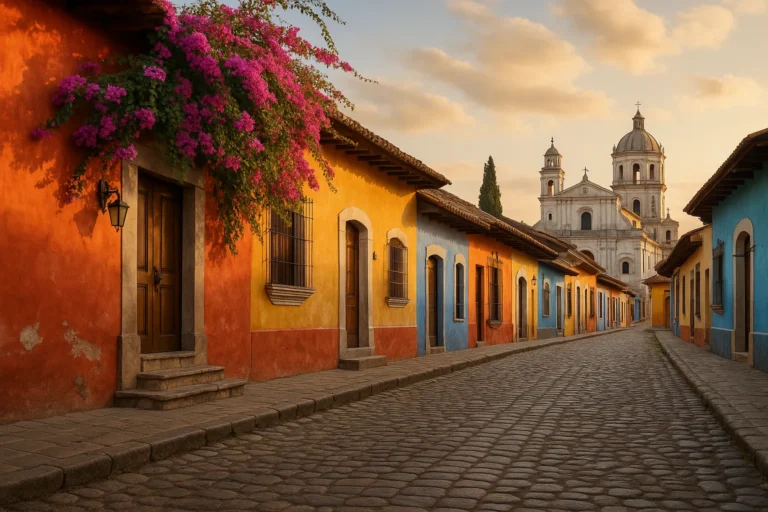
Antigua, Guatemala is one of the most visually striking colonial cities on the continent — surrounded by volcanoes, filled with beautifully preserved Spanish Baroque architecture, and small enough to feel intimate even during busy seasons. It’s a natural companion to a trip that includes Guatemala City or a journey toward the Yucatán.
Oaxaca, Mexico offers a combination of colonial grandeur and indigenous cultural vitality that’s hard to match. The food scene alone — built around mole, tlayudas, mezcal, and one of the most vibrant market cultures in the country — justifies the trip. Oaxaca also has a thriving arts community and a calendar of festivals that give travelers a reason to visit at almost any time of year.
👉 Read also: Granada, Nicaragua: The Colorful Colonial City Young Travelers Are Just Discovering
Arequipa, Peru — sometimes called the Ciudad Blanca for its distinctive white volcanic stone architecture — is often overshadowed by Cusco and Machu Picchu, but it stands firmly on its own. The historic center is genuinely beautiful, the food culture is celebrated across Peru, and the surrounding landscape, including the Colca Canyon, is extraordinary.
Trinidad, Cuba is a different kind of colonial experience — one shaped by the sugar trade and its brutal human cost, and now a remarkably preserved time capsule of 18th and 19th-century Cuban life. The music spills out of doorways, the streets are still paved with the original cobblestones, and the pace of life is slow in a way that feels genuinely restorative.
And then there’s Santo Domingo, in the Dominican Republic — the oldest continuously inhabited European-founded city in the Americas. Its Zona Colonial contains the first cathedral, the first university, and the first paved street built by Europeans in the New World. For travelers interested in the origins of colonial Latin America, it’s an essential destination.
How to Choose the Right Colonial City for Your Travel Style
Not every colonial city is the right fit for every traveler, and that’s actually a good thing. The diversity within this category means you can tailor your experience to what you actually want from a trip.
- If you want walkability and low-key vibes: Granada, Nicaragua or Villa de Leyva in Colombia offer manageable scale and a relaxed pace without sacrificing character.
- If you want a big city with colonial depth: Quito or Mexico City give you everything a major urban destination offers, wrapped in centuries of layered history.
- If food is your primary motivation: Oaxaca is hard to beat, with Cartagena and Arequipa close behind.
- If you want dramatic natural surroundings: Quito (Andes and cloud forest), Antigua (volcanoes), or Arequipa (canyon country) all deliver landscapes that match their urban appeal.
- If you’re on a tight budget: Nicaragua and parts of Central America remain among the most affordable travel destinations in the region, making Granada an excellent choice for stretching your money without compromising the experience.
The best approach is to resist the urge to rush. Colonial cities reward slow travel. Spending five days in one place will give you more than spending one day in five places. You’ll find the café that becomes your morning ritual, the market vendor whose stall you return to, the neighborhood that doesn’t appear in any guidebook but feels like the real heart of the city. That’s the kind of travel that stays with you.
Practical Things Worth Knowing Before You Go
A few realities are worth keeping in mind as you plan. Altitude is a genuine factor in cities like Quito — arriving directly from sea level and immediately trying to hike or party hard is a recipe for a rough first few days. Give yourself transition time.
Safety varies significantly across the region and even within individual cities. Research current conditions before you travel, stay aware of your surroundings in unfamiliar neighborhoods, and connect with other travelers or local guesthouses for up-to-date advice. The U.S. Department of State’s travel information pages offer country-specific advisories that are worth checking regardless of your nationality.
Language is Spanish across all these destinations, and even a basic level of Spanish will transform your experience. People respond warmly to travelers who make the effort, and you’ll access a completely different layer of the city when you can hold a simple conversation.
Timing matters too. Most colonial cities have a dry season that’s generally considered peak travel time, but shoulder seasons often offer a more authentic experience with fewer crowds and lower prices. Research the specific climate patterns for wherever you’re headed — the Andes have different rhythms than the Caribbean coast, and planning around them makes a real difference.
The colonial cities of Latin America aren’t just destinations to tick off a list. They’re places that ask something of you — curiosity, patience, a willingness to sit with complexity and let a place reveal itself on its own terms. Show up with that attitude, and you’ll leave with something that no highlight reel can quite capture: the feeling of having actually been somewhere, and understood a little more of what it means.
This article was produced with AI assistance and reviewed editorially.


Almaty & Tashkent: Central Asia’s Modern Cities Beyond the Silk Road Clichés

Stay Smart in Asia: Budget Accommodation in Osaka, Kyoto & Kuala Lumpur 2026


