
Asia
Almaty, Kazakhstan: The Underrated Mountain City That Surprises Everyone
Discover why Almaty, Kazakhstan surprises travelers with European vibes, mountain hikes, bazaars, and affordable comfort in Central Asia’s largest city.

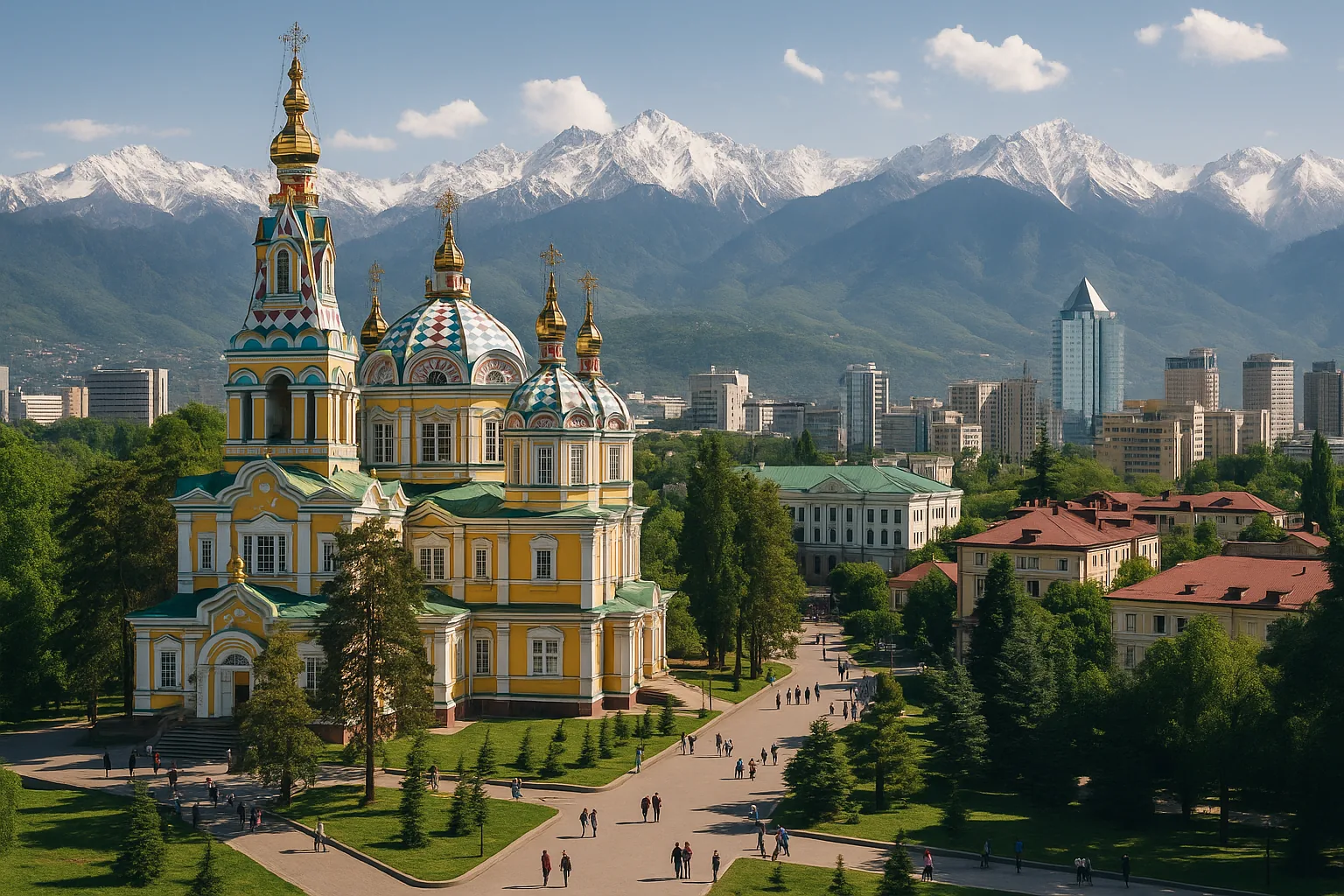
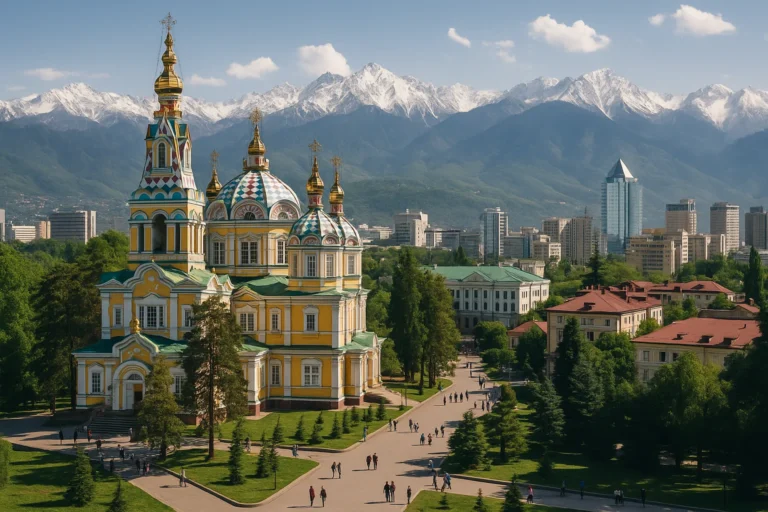
Most travelers flying through Central Asia don’t even put Almaty on their radar — and that’s exactly what makes it such a rewarding discovery. This Almaty, Kazakhstan travel guide is here to change that, because the city has a way of catching first-timers completely off guard. Sitting at 1,130 meters above sea level at the foot of the Tien Shan Mountains, Almaty is a city where you can grab a flat white in a European-style café in the morning, wander through a chaotic, color-drenched bazaar at noon, and watch the sun dip behind glaciated peaks that rise to over 7,000 meters by evening. It’s the kind of place that earns a permanent spot in your memory — not because it tries hard, but because it doesn’t try at all.
Why Almaty Belongs on Your Travel Map Right Now
Kazakhstan became an independent nation after the collapse of the Soviet Union in 1991, and Almaty — the country’s largest city — carries that layered history in every corner of its urban fabric. You’ll see it in the wide, tree-lined boulevards, the ornate Soviet-era architecture, and the way the city grid runs with almost mathematical precision. But what surprises most visitors is how alive and forward-looking the city feels today.
Almaty isn’t stuck in its past. It’s a city that has absorbed Kazakh, Russian, and Korean cultural influences into something genuinely its own. You hear it in the music drifting from restaurants, taste it in the food, and feel it in the easy mix of languages on the street. For young travelers who love discovering places before they become mainstream, Almaty is almost perfectly timed right now.
The city is still underrated enough that you won’t fight crowds at its best spots. Yet it’s developed enough to be comfortable, navigable, and surprisingly affordable compared to other major Central Asian destinations. That combination is rare, and it won’t last forever.
Getting Oriented: Streets, Neighborhoods, and the Mountain Backdrop
One of the first things you’ll notice when you land is the grid. Almaty’s streets follow an old Soviet layout — logical, wide, and easy to navigate even without perfect local knowledge. Streets run north–south and east–west, and the mountains always sit to the south, which means you can orient yourself just by glancing up. It sounds small, but it makes a real difference when you’re exploring on foot.
The city center is where most of the action is. You’ll find cafés, parks, galleries, and some of the city’s most photogenic architecture all within walking distance of each other. The further south you move, the closer you get to the mountains — and the neighborhood feel shifts accordingly, becoming quieter and greener.
Almaty rewards slow exploration. Don’t rush to tick off every landmark. Instead, pick a direction and walk. You’ll stumble across things that aren’t in any guide: a courtyard full of street art, a tiny Korean restaurant with no English menu but incredible food, a park where locals play chess in the afternoon shade. Those unplanned moments are what you’ll actually remember.
The Landmarks That Actually Deliver
Some cities have landmarks that look great in photos but feel hollow in person. Almaty isn’t one of them. Its standout spots genuinely earn their reputation.
Ascension Cathedral
The Ascension Cathedral is one of those places that stops you mid-stride. It’s a Russian Orthodox cathedral painted in vivid greens, whites, and golds, sitting in the middle of Panfilov Park like something from a storybook. What makes it remarkable beyond the visuals is the fact that it was built almost entirely from wood — and has survived major earthquakes. The interior is equally striking, filled with candlelight and intricate iconography. Even if you’re not religious, it’s worth stepping inside just to stand quietly for a moment.
👉 Read also: Central Asia's Silk Road Cities: Samarkand, Bukhara & Almaty for Solo Travelers
Kok Tobe
Kok Tobe is the hilltop viewpoint that gives you the full picture of Almaty — literally. Ride the cable car up and you’ll get a panoramic view of the city sprawling out below, with the Tien Shan peaks rising dramatically behind it. There’s also a small amusement park at the top, which gives it a slightly surreal, festive atmosphere. Go at sunset if you can. The light on the mountains at that hour is something else entirely.
Zhibek Zholy Street
Zhibek Zholy Street is Almaty’s main pedestrian walkway, and it’s where the city’s social life plays out in real time. You’ll find street performers, independent art stalls, food vendors, and a mix of locals and visitors all moving at a relaxed pace. It’s a great place to just sit and watch the city breathe. Grab something to eat, find a bench, and let the afternoon pass. Some of the best travel moments are exactly this unhurried.
Green Bazaar: Where Almaty’s Soul Lives
If you only have a few hours in Almaty, spend at least one of them at the Green Bazaar. This is a proper local market — loud, fragrant, and packed with everything from dried fruit and spices to fresh meat and handmade goods. It’s not a tourist market. It’s where people actually shop, which means the energy is completely different from anything staged for visitors.
The food section alone is worth the visit. You’ll find vendors selling kurt (dried sour cheese balls), mountains of walnuts and apricots, fresh flatbreads still warm from the oven, and an overwhelming variety of pickled vegetables. There are also small cafés inside where you can sit down and eat like a local for very little money.
Go with an open mind and no particular agenda. Let yourself get slightly lost in the maze of stalls. Talk to vendors even if you don’t share a language — a smile and genuine curiosity go a long way. The Green Bazaar is one of those places that gives you a real sense of how people actually live in Almaty, and that’s something no museum can replicate.
Getting Into the Mountains: Shymbulak and Big Almaty Lake
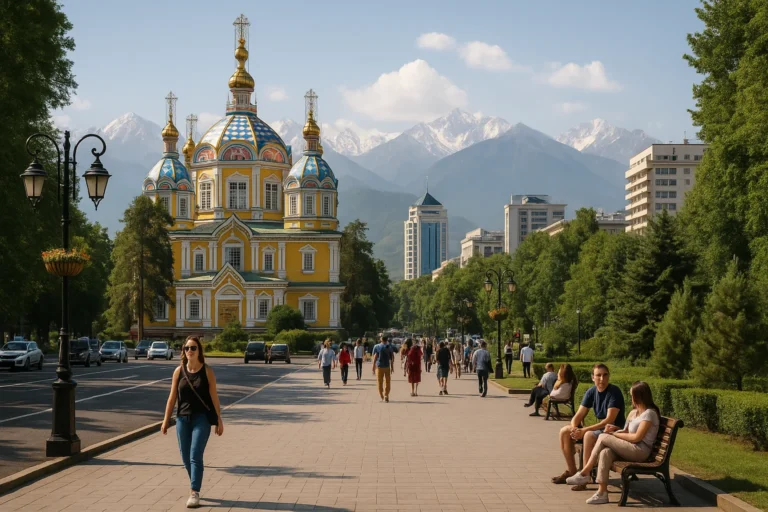
This is where Almaty truly sets itself apart from other Central Asian cities. The Tien Shan Mountains are right there — visible from almost anywhere in the city — and getting into them is far easier than you’d expect.
Shymbulak Ski Resort and the Cable Car
Shymbulak Ski Resort is one of the most accessible mountain experiences in the region. In winter, it functions as a full ski resort. But even if you’re visiting outside ski season, the cable car runs and takes you up to dramatic mountain and glacier views that feel genuinely otherworldly. The ride itself is an experience — watching the city shrink below you as the rocky peaks come into focus is the kind of thing that makes you stop mid-conversation and just stare.
At the top, the air is sharp and cold even in summer, and the silence is a complete contrast to the city below. Bring a layer regardless of the season. If you’re into hiking, there are trails from the top that take you deeper into the landscape — just check conditions before you head out and let someone know your plans.
Big Almaty Lake
Big Almaty Lake sits approximately 30 kilometers from central Almaty, and the journey there is half the adventure. The lake itself is a striking turquoise color — the kind that looks almost artificially vivid until you’re standing right next to it and realize it’s completely real. The color comes from glacial meltwater, and it shifts depending on the light and the time of year.
The area around the lake is protected, so the landscape feels pristine. You’re surrounded by high mountain terrain, with peaks rising steeply on all sides. It’s not a crowded tourist spot — you’ll likely share it with a handful of other visitors and a lot of open sky. Getting there typically involves arranging a taxi or joining a day tour from the city, as public transport doesn’t reach the lake directly. Either way, it’s one of the most memorable day trips you can do from Almaty.
👉 Read also: Silk Road Cities for Culture Seekers: Samarkand, Bukhara & Tashkent in Uzbekistan
Food and Culture: Eating Your Way Through a Cultural Crossroads
Almaty’s food scene reflects its identity as a meeting point of Kazakh, Russian, and Korean cultures. That mix produces something genuinely interesting — and delicious.
Traditional Kazakh cuisine centers on meat, particularly lamb and horse, along with hearty soups and bread. Beshbarmak, a dish of boiled meat served over flat noodles, is the national dish and worth trying at least once. It’s filling, rich, and deeply tied to Kazakh hospitality traditions.
But you’ll also find excellent Korean food throughout the city — a legacy of the Korean community that has been part of Kazakhstan’s cultural fabric for generations. Kimchi, Korean barbecue, and noodle dishes appear on menus across the city, often alongside Kazakh and Russian options on the same menu. It’s a combination that shouldn’t work as well as it does.
For a more casual experience, street food around the bazaars and pedestrian areas offers quick, affordable, and genuinely good eating. Samsa (baked pastries filled with meat or vegetables) are everywhere and make a perfect snack between exploring. Coffee culture has also taken hold in Almaty in a serious way — you’ll find well-made espresso drinks in independent cafés that wouldn’t look out of place in any European capital.
Practical Tips for Making the Most of Your Visit
A few things worth knowing before you arrive:
- Altitude awareness: Almaty sits at over 1,100 meters, and the surrounding mountains go much higher. If you’re planning to hike or take the cable car up to altitude, take it easy on your first day and stay hydrated.
- Best time to visit: Spring and early autumn offer the most comfortable temperatures for exploring both the city and the mountains. Summer can be warm in the city but is ideal for high-altitude hiking. Winter brings snow and ski season at Shymbulak.
- Getting around: The city is navigable on foot in the center, and ride-hailing apps work well for longer distances. For mountain excursions like Big Almaty Lake, arrange transport in advance through your accommodation or a local tour operator.
- Visa requirements: Citizens of many countries can enter Kazakhstan visa-free for short stays, but always check the current requirements for your specific passport before booking.
- Language: Kazakh and Russian are the main languages. English is spoken in tourist areas and by younger locals, but learning a few words of Russian or Kazakh will be appreciated and opens doors.
- Currency: The local currency is the Kazakhstani tenge. Card payments are widely accepted in the city center, but carry cash for markets and smaller vendors.
For up-to-date entry requirements and travel advisories, check your government’s official travel information portal before you go.
How Long Do You Actually Need?
Almaty works brilliantly as a stopover of two or three days if you’re passing through Central Asia. But if you give it a week, you’ll barely scratch the surface of what’s possible — especially once you start factoring in day trips into the mountains.
A realistic three-day framework might look like this: spend your first day getting oriented in the city center, visiting the Green Bazaar, walking Zhibek Zholy Street, and ending at Kok Tobe for the sunset view. On day two, head into the mountains — either Shymbulak or Big Almaty Lake, depending on the season and your energy. On day three, slow down: visit the Ascension Cathedral, explore a neighborhood café scene, and let yourself wander without a plan. That’s where Almaty tends to give you its best surprises.
If you have more time, the surrounding region opens up further possibilities. The mountains outside the city offer serious trekking routes for those who want to go deeper into the wilderness.
Almaty is the kind of city that makes you feel like you’ve found something most travelers haven’t caught onto yet — and for now, that’s still largely true. It’s a place where the mountains meet the city, where cultures layer on top of each other in unexpected ways, and where a short detour from the usual tourist trail pays off in a way that’s hard to put into words until you’ve experienced it yourself. Go curious, go open, and let the city show you what it’s got. You won’t regret it.
This article was produced with AI assistance and reviewed editorially.


Almaty & Tashkent: Central Asia’s Modern Cities Beyond the Silk Road Clichés

Stay Smart in Asia: Budget Accommodation in Osaka, Kyoto & Kuala Lumpur 2026


