
Asia
Silk Road Cities for Culture Seekers: Samarkand, Bukhara & Tashkent in Uzbekistan
Explore three historic silk road cities in Uzbekistan. Discover Samarkand’s monuments, Bukhara’s desert character, and Tashkent’s modern contrasts with practical travel t

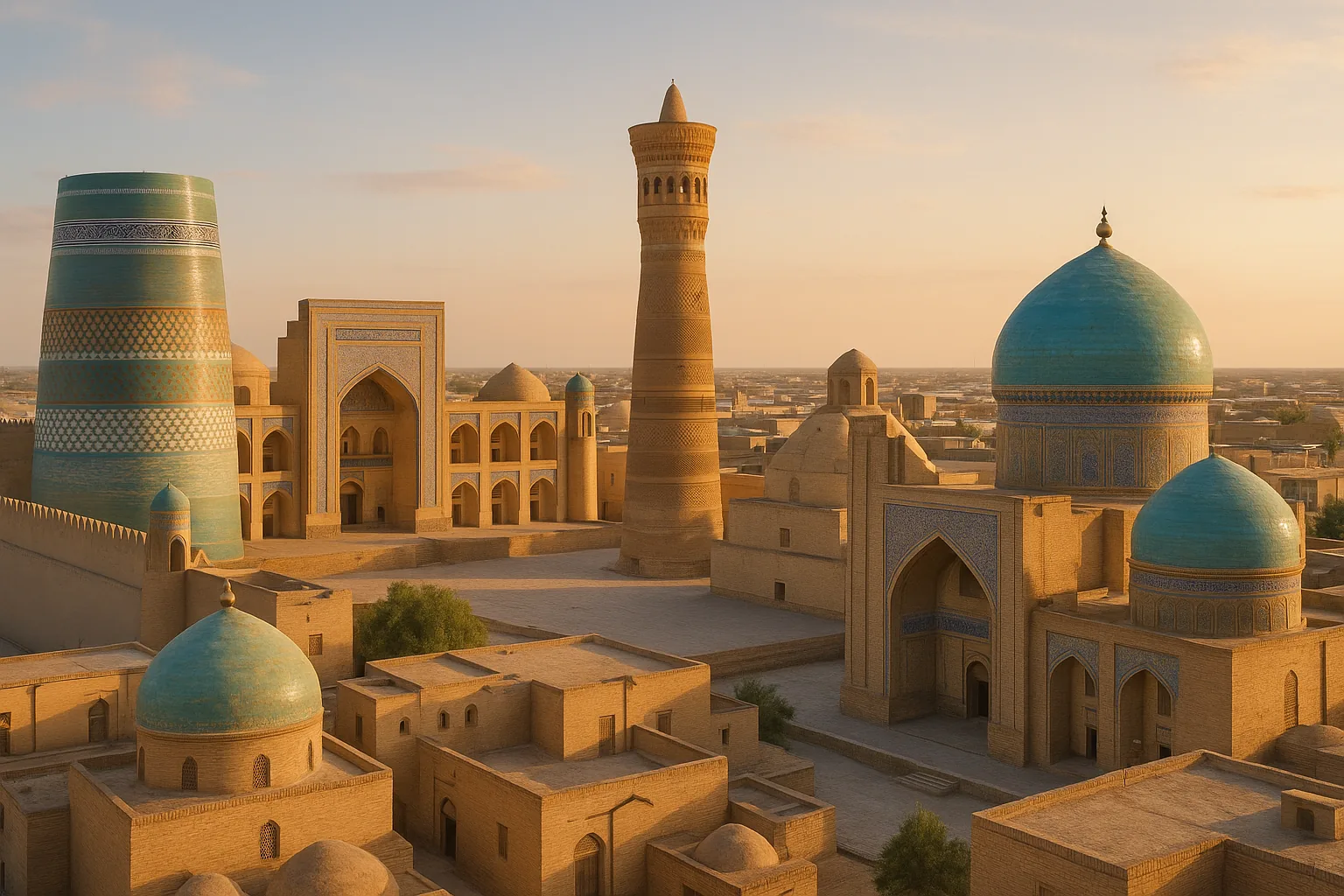
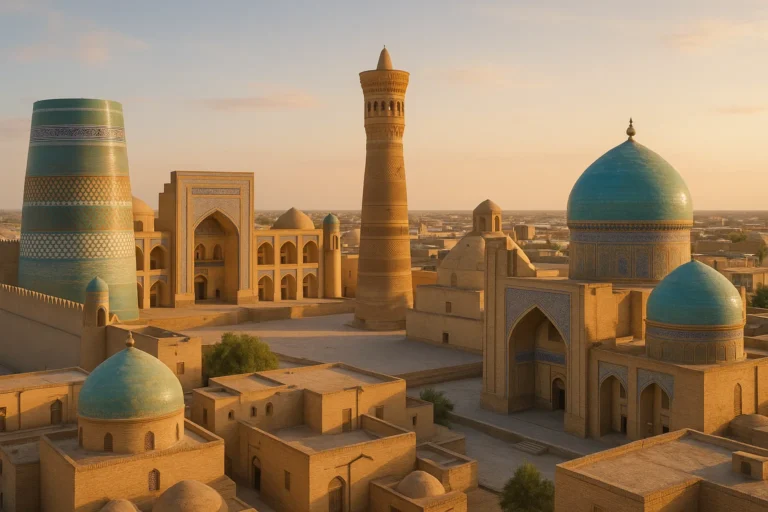
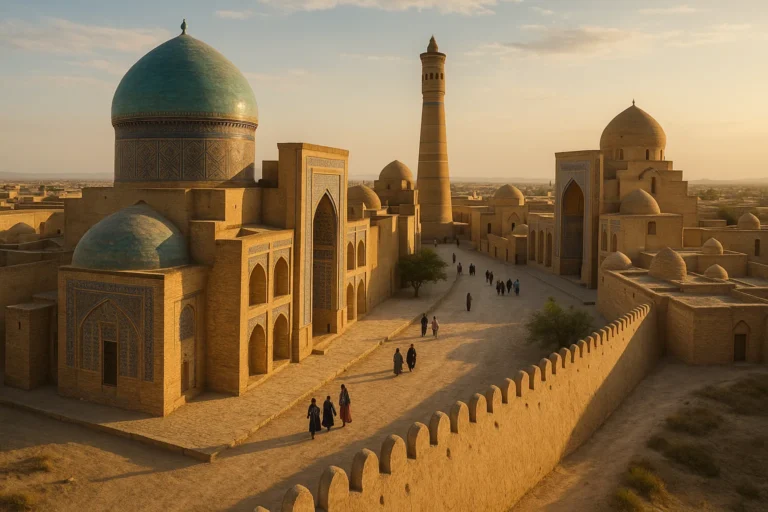
There’s a part of the world where the ancient and the living exist side by side so naturally that you almost forget you’re standing in a place that shaped the course of human history. The silk road cities of Uzbekistan — Samarkand, Bukhara, and Tashkent — sit at the crossroads of civilizations, surrounded by open steppe and desert, and defined by blue-tiled mosques, labyrinthine bazaars, and the warm smell of bread baking in tandoor ovens. If you’re the kind of traveler who wants to feel something real, this is a journey worth taking.
Why Uzbekistan Is Having Its Moment Right Now
Of all five Central Asian republics, Uzbekistan is the one whose tourism star is rising most rapidly. That’s not hype — it’s a shift that’s been building steadily and is now very much in full swing. Simplified visa procedures, heavy investment in infrastructure, and a streamlined transport network have transformed what was once considered a challenging destination into a surprisingly accessible one.
Most nationalities can enter on an e-visa, which you apply for online before you travel. The process is straightforward, and approval typically comes through without much fuss. That alone removes one of the biggest barriers that used to put travelers off. Once you’re in, the Afrosiyob high-speed train connects Tashkent, Samarkand, Bukhara, and even Khiva, making it easy to move between cities without the stress of figuring out complicated local transport.
The Uzbek Som is the local currency, and while cards are widely accepted in the main cities, it’s worth carrying some cash for smaller purchases in bazaars and local eateries. The classic route — covering the highlights of the Silk Road — takes around 9 to 10 days, which is a realistic window for a meaningful trip without rushing. If you can stretch to two weeks, even better.
Uzbekistan is also generally safe for tourists, including solo travelers. People are warm, curious about visitors, and genuinely hospitable. That said, like anywhere, it’s worth being aware of your surroundings and respectful of local customs, especially around religious sites.
Samarkand: Where the Silk Road Lives in Stone
If there’s one city that defines the idea of the silk road cities of Uzbekistan in the popular imagination, it’s Samarkand. The name alone carries weight — it’s been a crossroads of trade, culture, and empire for thousands of years, and walking through its ancient core, you feel every layer of that history.
The centerpiece is Registan Square, a monumental ensemble of three grand madrasas covered in intricate tilework in shades of turquoise, cobalt, and gold. Stand here at sunrise, when the light hits the facades and the square is almost empty, and it’s one of those moments that stays with you long after you’ve gone home. The scale is extraordinary — these buildings were designed to impress, and they still do.
Beyond Registan, Samarkand rewards slow exploration. The Shah-i-Zinda necropolis is a corridor of mausoleums that stretches up a hillside, each one decorated with some of the finest tilework in Central Asia. It’s quieter than Registan, more intimate, and somehow even more moving. The Gur-e-Amir mausoleum, the resting place of the conqueror Timur, is another essential stop — its ribbed turquoise dome is one of the most recognizable silhouettes in the entire region.
What makes Samarkand special isn’t just the monuments, though. It’s the way the city lives around them. Wander into the side streets and you’ll find local tea houses, women selling dried fruits and spices, and children playing in the shadow of structures that have stood for centuries. Grab a plate of plov — Uzbekistan’s national rice dish, slow-cooked with lamb, carrots, and spices — at a local spot near the bazaar, and you’ll understand why food is such a central part of the culture here.
Bukhara: A Desert City That Feels Like a Living Museum
If Samarkand is grand and ceremonial, Bukhara is something else entirely. It’s older, dustier, and more intimate — a city that feels like it hasn’t entirely decided whether it belongs to the past or the present. Bukhara’s historic old town is a UNESCO World Heritage Site, and wandering through it is like stepping into an open-air museum where people actually live.
The Kalon Minaret dominates the skyline and has done so for centuries. Legend has it that even Genghis Khan, who destroyed much of the city, was so struck by the minaret that he ordered it spared. Whether or not that’s entirely true, the story captures something real about how this structure commands attention. Nearby, the Kalon Mosque and the Mir-i-Arab Madrasa form an ensemble that rivals anything in Samarkand for sheer visual impact.
👉 Read also: Central Asia's Silk Road Cities: Samarkand, Bukhara & Almaty for Solo Travelers
The Ark Fortress is another essential experience. This massive citadel at the heart of the old city served as the seat of the Bukharan emirs for centuries, and exploring its thick mud-brick walls gives you a vivid sense of the power and isolation of the rulers who once governed from here. It’s rougher and less polished than some of the other major sites, which somehow makes it feel more real.
Bukhara’s ancient madrasas have been repurposed as workshops and small shops selling silk, ceramics, and handmade crafts. This is a great place to pick up something genuinely made by local artisans rather than mass-produced souvenirs. Take your time here. Sit by one of the old hauz (pools) that dot the old city, order a tea, and watch the day pass. Bukhara rewards patience in a way that few places do.
The city also has a slightly different energy from Samarkand. It’s smaller, more walkable, and feels less touristy in places. The surrounding desert landscape gives everything a sun-baked, timeless quality. Evenings here are particularly special — when the heat drops and the old city lights up, it has a magical atmosphere that’s hard to put into words.
Tashkent: The Capital That Surprises You
Most travelers treat Tashkent as a gateway — fly in, spend a night, then head straight to Samarkand. That’s understandable, but it means missing a city that has its own distinct personality and is genuinely worth a day or two of your time.
Tashkent is the largest city in Central Asia, and it wears its complex history visibly. The post-Soviet architecture — wide boulevards, monumental public buildings, geometric apartment blocks — sits alongside a rapidly growing modern urban landscape of glass towers, renovated parks, and new cultural spaces. The contrast is striking, and it tells you a lot about how quickly Uzbekistan is changing.
The Chorsu Bazaar is one of the most atmospheric markets in the entire region. Under its distinctive blue dome, vendors sell everything from fresh produce and spices to fabrics and household goods. It’s loud, colorful, and completely alive — the kind of place where you could spend hours just watching and wandering. This is where Tashkent feels most like itself.
The city also has some genuinely excellent museums. The State Museum of History of Uzbekistan offers deep context for everything you’ll see on the rest of your trip, covering the region’s history from ancient times through the Soviet era and beyond. If you’re a first-time visitor to Central Asia, starting your trip in Tashkent and spending a few hours here before heading south makes the whole experience richer.
The food scene in Tashkent is more varied than in the smaller cities. You’ll find everything from traditional Uzbek restaurants to international options, which is useful if you’re traveling with people who have specific dietary needs. The city’s café culture is also worth exploring — there are some genuinely good spots for coffee and conversation, particularly in the newer parts of town.
Getting Around: Trains, Taxis, and the Joys of Slow Travel
One of the best things about traveling through the silk road cities of Uzbekistan is how manageable the logistics actually are. The Afrosiyob high-speed train is the backbone of most itineraries, connecting the major cities efficiently and comfortably. The journey from Tashkent to Samarkand takes roughly two hours; from Samarkand to Bukhara is another couple of hours. It’s genuinely one of the more pleasant train experiences in this part of the world.
Book your train tickets in advance, especially during peak travel seasons. The trains fill up, and having a confirmed seat means you can relax and enjoy the landscape rolling by — which, between cities, is a fascinating mix of flat agricultural land, desert edges, and distant mountains.
Within each city, taxis are cheap and plentiful. Ride-hailing apps work in Tashkent, and in the smaller cities you can usually negotiate a fare directly with a driver. For getting around the old towns of Samarkand and Bukhara, your feet are your best tool — both are compact enough to explore almost entirely on foot, and some of the best discoveries happen when you turn down a street that isn’t on any map.
👉 Read also: Uzbekistan's Silk Road Cities: Samarkand & Bukhara in 2026
If you have time, consider adding Khiva to your itinerary. Its walled inner city, Itchan Kala, is also a UNESCO World Heritage Site, and it has an almost surreal completeness to it — like an entire medieval city preserved under glass. It’s further west and takes more effort to reach, but travelers who make the journey consistently say it’s worth it.
Practical Things to Know Before You Go
A few things will make your trip smoother from the start. First, sort your e-visa before you leave home. The process is online and relatively simple, but don’t leave it to the last minute. Check the official Uzbekistan e-visa portal for current requirements, as these can be updated.
For a helpful overview of transport, visas, and safety, Undiscovered Destinations’ practical guide to Uzbekistan is a solid reference point that covers the essentials clearly.
When it comes to money, the Uzbek Som is the local currency. Cards are accepted widely in hotels, larger restaurants, and some shops in the main cities, but having cash on hand is useful for bazaars, local eateries, and smaller guesthouses. ATMs are available in city centers.
On the question of what to wear: Uzbekistan is a predominantly Muslim country, and while it’s not strictly conservative in the way some neighboring countries are, dressing modestly — particularly when visiting mosques and madrasas — is both respectful and expected. Covering your shoulders and knees at religious sites is the baseline. Beyond that, the locals are welcoming and not judgmental about tourist dress in everyday settings.
The best time to visit is generally spring (April to June) or autumn (September to November). Summers can be intensely hot, particularly in Bukhara, which sits closer to the desert. Winters are cold and some sites may be less accessible. September, in particular, is a popular window — the heat has eased, the light is golden, and the cities feel alive with activity.
- Apply for your e-visa early — don’t leave it to the week before departure.
- Book Afrosiyob train tickets in advance, especially for popular routes in peak season.
- Carry some local cash for markets and smaller establishments.
- Dress modestly when visiting mosques and religious sites.
- Allow at least 9–10 days for a meaningful trip; two weeks is even better.
- Start in Tashkent to get your bearings before heading to the historic cities.
- Go slow — the best moments happen when you’re not rushing between monuments.
Solo Travel and Safety: What You Actually Need to Know
Uzbekistan has a well-earned reputation as one of the safer destinations in Central Asia for tourists, including solo travelers. Violent crime against visitors is rare, and people are generally curious and friendly toward foreigners. In the tourist areas of Samarkand and Bukhara especially, you’ll encounter plenty of other international travelers, which can be reassuring if you’re nervous about going solo for the first time.
That said, basic travel awareness applies everywhere. Keep an eye on your belongings in crowded bazaars, be cautious about sharing detailed personal information with strangers, and trust your instincts. Women traveling solo report feeling comfortable in Uzbekistan in general, though as in any unfamiliar destination, it’s worth being aware of your surroundings, particularly at night.
One thing that genuinely helps is connecting with other travelers at your guesthouse or hostel. The backpacker community in Uzbekistan is small but friendly, and it’s easy to find people to share a day of sightseeing or a meal with. Many guesthouses are family-run, and the hosts are often a fantastic source of local knowledge — where to eat, what to see, how to get somewhere without overpaying for a taxi.
Learning a few words of Uzbek or Russian goes a long way. Rahmat (thank you) and salom (hello) will earn you smiles almost everywhere. English is spoken in tourist areas but less so outside them, so a translation app is a practical addition to your phone.
Uzbekistan isn’t a destination that demands you be an experienced adventurer to enjoy it. It’s accessible, it’s rewarding, and it’s the kind of place that genuinely changes how you see the world — not because it’s exotic or remote, but because it’s so deeply, unmistakably itself. The silk road cities of Uzbekistan have been drawing travelers for centuries, and right now, with infrastructure improving and the tourism scene still finding its feet, might just be the perfect moment to go.
This article was produced with AI assistance and reviewed editorially.


Ecuador’s Mountain Capital: Quito as a Base for Jungle, Amazon & Galápagos Adventures

Budget Stays in Japan: Capsule Hotels, Airbnbs & Guesthouses Across Tokyo, Kyoto & Mt. Fuji


