
Asia
Hidden Gems in Southeast Asia: Vung Tau, Hat Yai & Thailand’s Underrated South
Discover Southeast Asia’s overlooked destinations like Vung Tau and Hat Yai where authentic local culture thrives far from typical tourist routes.

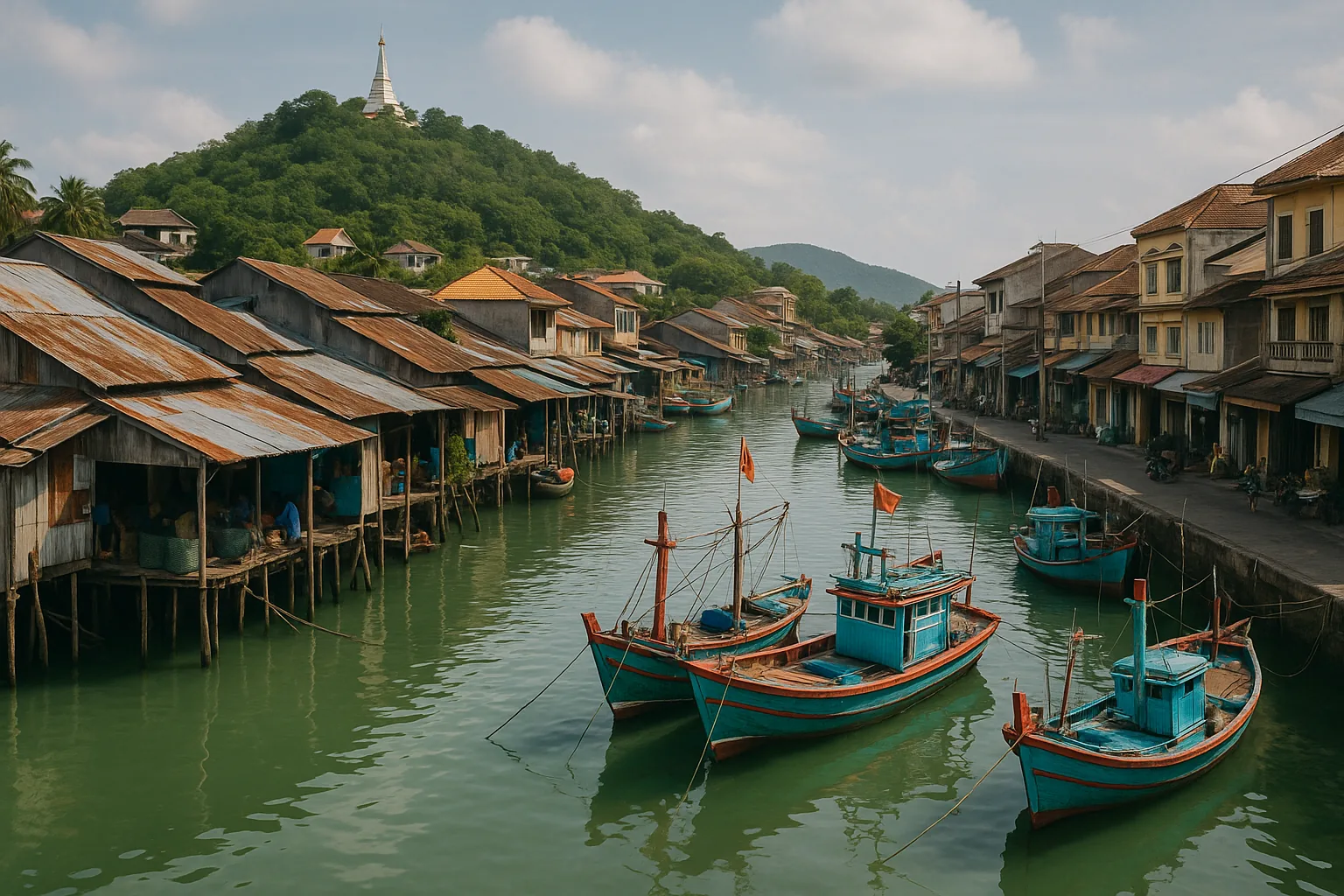
Southeast Asia has a way of pulling you in — and then pulling you deeper. Most travelers land in Bangkok, tick off Bali, and call it done. But the region is vast, layered, and full of places that rarely make it onto the standard itinerary. The real hidden gems of Southeast Asia are the coastal towns where fishing boats still outnumber tourist ferries, the border cities with night markets that feel entirely untouched, and the quiet provinces where you can spend a week without running into another backpacker. If you’re ready to look a little further, here’s where to start.
Why the Beaten Path Misses So Much
There’s nothing wrong with visiting the classics. Angkor Wat, Ha Long Bay, the temples of Chiang Mai — they’re famous for good reason. But travel in Southeast Asia has a tendency to funnel people through the same well-worn routes, and when everyone ends up at the same viewpoints and the same rooftop bars, something gets lost. The spontaneity fades. The locals move to the edges. The experience starts to feel more like a theme park than a real place.
That’s exactly why the hidden gems scattered across Southeast Asia matter so much. These are the destinations where the food hasn’t been adjusted for foreign palates, where guesthouses are run by families rather than chains, and where you actually have to put in a little effort to get there. That effort pays off every single time.
The good news? You don’t have to go completely off-grid to find these places. Some of them are hiding in plain sight — just one bus ride away from a major hub, or sitting quietly next to a city everyone passes through without stopping.
Vung Tau: Vietnam’s Coastal Escape That Travelers Keep Overlooking
While most visitors to southern Vietnam spend their time in Ho Chi Minh City or push straight down to the Mekong Delta, Vung Tau sits just a couple of hours away, largely ignored. That’s a mistake worth correcting.
Vung Tau is a coastal city on a small peninsula, and it carries the kind of atmosphere that feels genuinely Vietnamese rather than curated for visitors. The seafront promenade fills up in the early mornings with locals doing thể dục — outdoor exercise — and the coffee shops that line the streets are the kind where you sit on a tiny plastic stool and watch the day begin. There’s a rhythm to the place that you don’t find in busier tourist hubs.
The city sits between two main beaches, and while neither is the kind of pristine white-sand setup you’d see on a postcard, that’s almost the point. These are working beaches in a working town. Fishing boats come in during the early hours, and the morning markets that follow are worth waking up for. Fresh seafood, bánh mì stands, and vendors selling everything from herbs to hammocks — it’s chaotic in the best way.
Beyond the beaches, Vung Tau has a surprisingly interesting mix of French colonial architecture, a large statue of Christ that overlooks the city from a hilltop, and a network of back streets that reward slow wandering. It’s the kind of place where getting a little lost is actually the plan. Rent a motorbike for the day — it’s the easiest and most enjoyable way to explore — and follow the coastline roads that hug the peninsula’s edges.
👉 Read also: Southeast Asia City Guides 2026: Kuala Lumpur, Singapore, Vung Tau & Hat Yai for First-Time Visitors
Because Vung Tau is popular with Vietnamese domestic travelers rather than international tourists, prices stay low and the experience stays real. You’re not the main attraction here. The city is just living its life, and you’re welcome to join in.
Hat Yai and Songkhla: Southern Thailand’s Underrated Double Act
Most travelers encounter Hat Yai the same way — as a transit stop. It’s a mandatory transit point in Southern Thailand when heading to Malaysia, and the majority of people pass through without ever really looking up from their phone. That’s a shame, because Hat Yai is a genuinely interesting city with a character all its own.
Hat Yai is loud, commercial, and proudly local. The street food scene operates at full intensity from morning until well past midnight. Night markets sprawl across several blocks, and the mix of Thai, Malay, and Chinese cultural influences gives the food — and the city in general — a flavor you won’t find further north. It doesn’t feel like a tourist destination, and that’s exactly what makes it worth exploring.
The city has a reputation among Malaysian visitors who cross the border specifically for the shopping and the food, which tells you something important: the people who know the region best keep coming back. That’s usually a reliable signal.
But the real discovery near Hat Yai is Songkhla, a charming historic town about thirty minutes away. Where Hat Yai is busy and commercial, Songkhla is quiet and atmospheric. It sits on a narrow strip of land between a lagoon and the Gulf of Thailand, and its old town is filled with Sino-Portuguese shophouses, crumbling walls painted in faded colors, and temples that have been standing for centuries. It’s the kind of place that travel blogger Claudia Schmidt, who has been exploring the world as a nomad for over a decade, has highlighted as genuinely worth your time — and it’s easy to see why.
Songkhla doesn’t have a lot of tourist infrastructure, which is both a challenge and an appeal. You’ll need to be a little self-sufficient, willing to point at menus and navigate without a lot of English signage. But the reward is a town that feels completely authentic, where the fishing community still drives the local economy and the pace of life is slow enough to actually enjoy.
If you’re making the overland journey between Thailand and Malaysia, build in at least two or three extra days for this area. You’ll arrive thinking you’re just passing through and leave wishing you’d stayed longer.
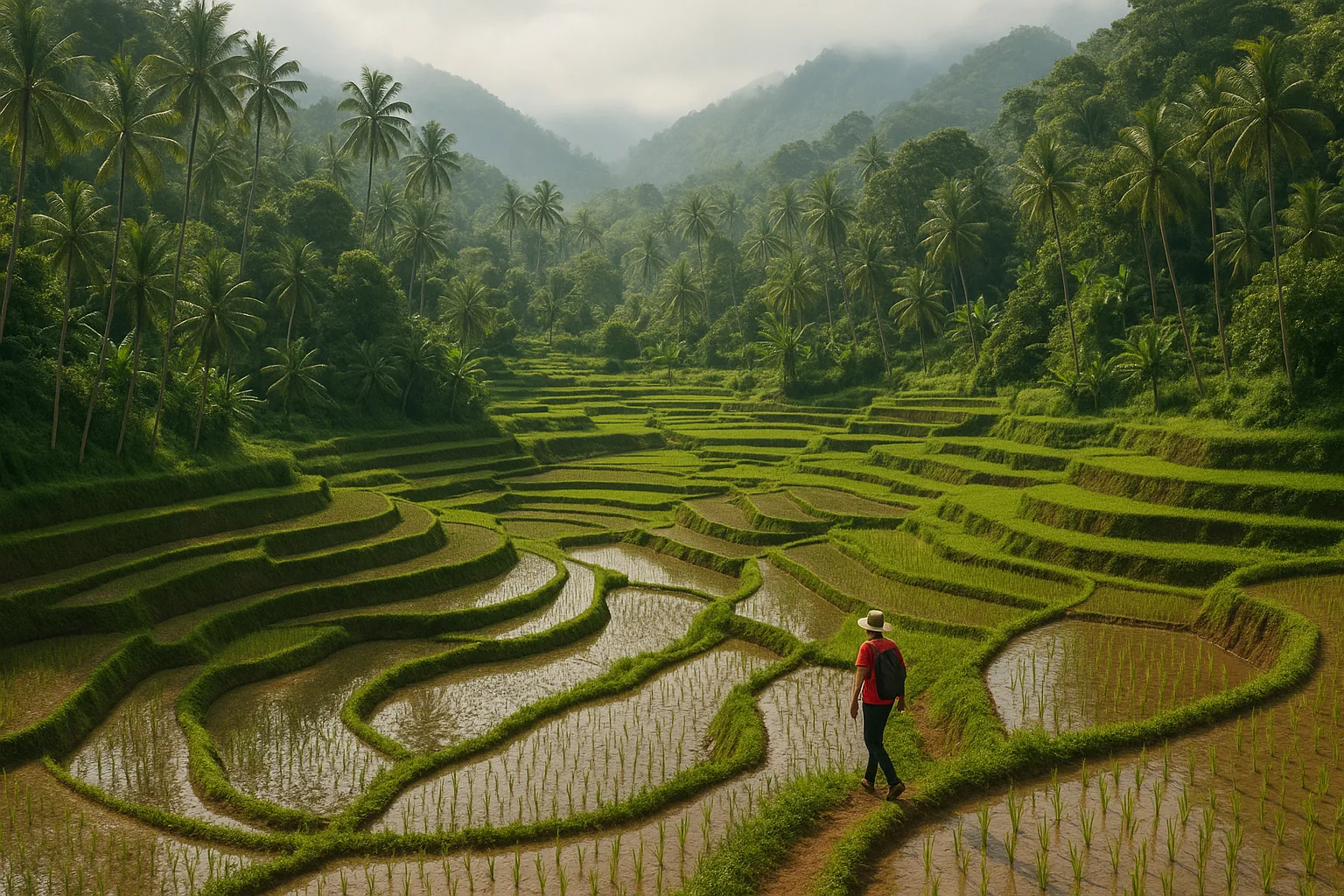
More Hidden Gems Across Southeast Asia Worth Adding to Your List
Thailand’s south has more to offer beyond Hat Yai and Songkhla. Chumphon Province is a destination that almost nobody talks about, but it delivers stunning beaches, fishing villages, and unspoiled islands that feel like the Gulf of Thailand coast did before the crowds arrived. It’s also a jumping-off point for islands further south, which means you can use it as a base and have a genuinely varied few days.
Koh Lipe, located in Satun Province in Thailand’s far south, is another destination that rewards travelers willing to make the extra effort to reach it. The journey involves a combination of buses, minivans, and a boat, but the island that waits at the end is the kind of place that makes you forget about the hassle immediately. Crystal-clear water, a relaxed pace, and a fraction of the crowds you’d find on more famous Thai islands — it’s a strong argument for going the extra mile.
👉 Read also: Southeast Asia's Underrated Cities: Bandung, Malang, and Luang Prabang Beyond the Guidebook
In northern Thailand, Pai in Mae Hong Son Province offers a completely different kind of experience. Nestled in a mountain valley, it’s a small town with a strong backpacker community, hot springs, waterfalls, and surrounding landscapes that feel genuinely dramatic. It’s not entirely unknown, but it remains far less visited than Chiang Mai, and the atmosphere is noticeably more relaxed. Meanwhile, Chiang Rai — often overshadowed by its more famous neighbor — has its own distinct identity, with the striking White Temple, the Blue Temple, and a slower, more reflective energy that suits travelers who want to think as well as explore.
Koh Lanta in southern Thailand rounds out the picture as a tranquil beach destination that consistently gets overlooked in favor of busier islands. Long stretches of beach, mangrove forests, and a laid-back community make it the kind of place where a few days can easily turn into a week.
Across the broader region, the pattern holds: Southeast Asia’s hidden gems span countries including Thailand, Vietnam, Indonesia, and Cambodia, and they share a common quality. They reward curiosity over convenience.
How to Actually Find and Explore These Places
Knowing a destination exists is only half the challenge. Getting there, navigating it, and making the most of your time requires a slightly different approach than booking a package tour to a well-trodden spot.
- Travel overland when you can. Buses and trains between cities reveal the texture of a country in a way that flights don’t. The journey through southern Thailand into Malaysia, for example, passes through landscapes and towns that most travelers never see.
- Stay in locally owned guesthouses. In places like Songkhla or Vung Tau, family-run accommodation is often the best source of local knowledge. The people running these places know their town intimately and are usually happy to point you toward the real highlights.
- Eat where the locals eat. This sounds obvious, but it takes a little nerve in places where menus are entirely in Thai or Vietnamese. Point, gesture, and trust the process — it almost always works out.
- Go slower than you think you need to. The instinct to pack in multiple destinations in a short trip often works against you in less-visited places. These towns reveal themselves gradually. Give them time.
- Learn a few words in the local language. Even basic greetings in Thai or Vietnamese change the dynamic of every interaction. It signals respect and curiosity, and people respond warmly.
- Travel during shoulder season. Even the hidden gems of Southeast Asia have peak periods. Visiting just before or after the main tourist season means better prices, fewer crowds, and a more relaxed experience all round.
It’s also worth checking Intrepid Travel’s guide to Southeast Asia hidden gems for additional inspiration — they cover the region with a depth that goes beyond the obvious.
The Mindset That Makes the Difference
There’s a particular kind of traveler who thrives in places like Hat Yai, Vung Tau, and Songkhla. It’s not about experience level or budget — it’s about attitude. The willingness to be a little uncertain, to not always have a plan, to follow a smell or a sound down a side street without knowing where it leads.
Off-the-beaten-path travel in Southeast Asia asks you to be present in a way that the standard tourist circuit doesn’t always demand. When there’s no tour group to follow and no English-language signage pointing you toward the highlights, you have to engage directly with the place. And that engagement — uncomfortable as it sometimes feels in the moment — is exactly where the best memories come from.
The hidden gems of Southeast Asia aren’t hidden because they’re not worth visiting. They’re hidden because most travelers don’t slow down long enough to look. The ones who do tend to come back talking about these places for years — not because they were the most dramatic or the most photogenic, but because they felt the most real.
Southeast Asia has always rewarded the curious. The fishing towns, the border cities, the quiet provinces tucked between famous neighbors — they’re all there, waiting. All you have to do is decide to look a little further than everyone else, book a ticket to somewhere slightly unexpected, and trust that the journey will be worth it. It will be.
This article was produced with AI assistance and reviewed editorially.


Southeast Asian Underrated Cities: Bandung, Malang & Vang Vieng Beyond the Backpacker Trail

Hidden Gems in Southeast Asia: Vung Tau, Hat Yai & Thailand’s Underrated South


