
Asia
Nepal’s Mountain Gateway: Kathmandu Neighborhoods, Street Food & Where to Stay for Authentic Exploration
Discover where to stay in Kathmandu across authentic neighborhoods like Thamel, Chhetrapati, and Patan. Find hostels, guesthouses, and local experiences beyond tourist zo

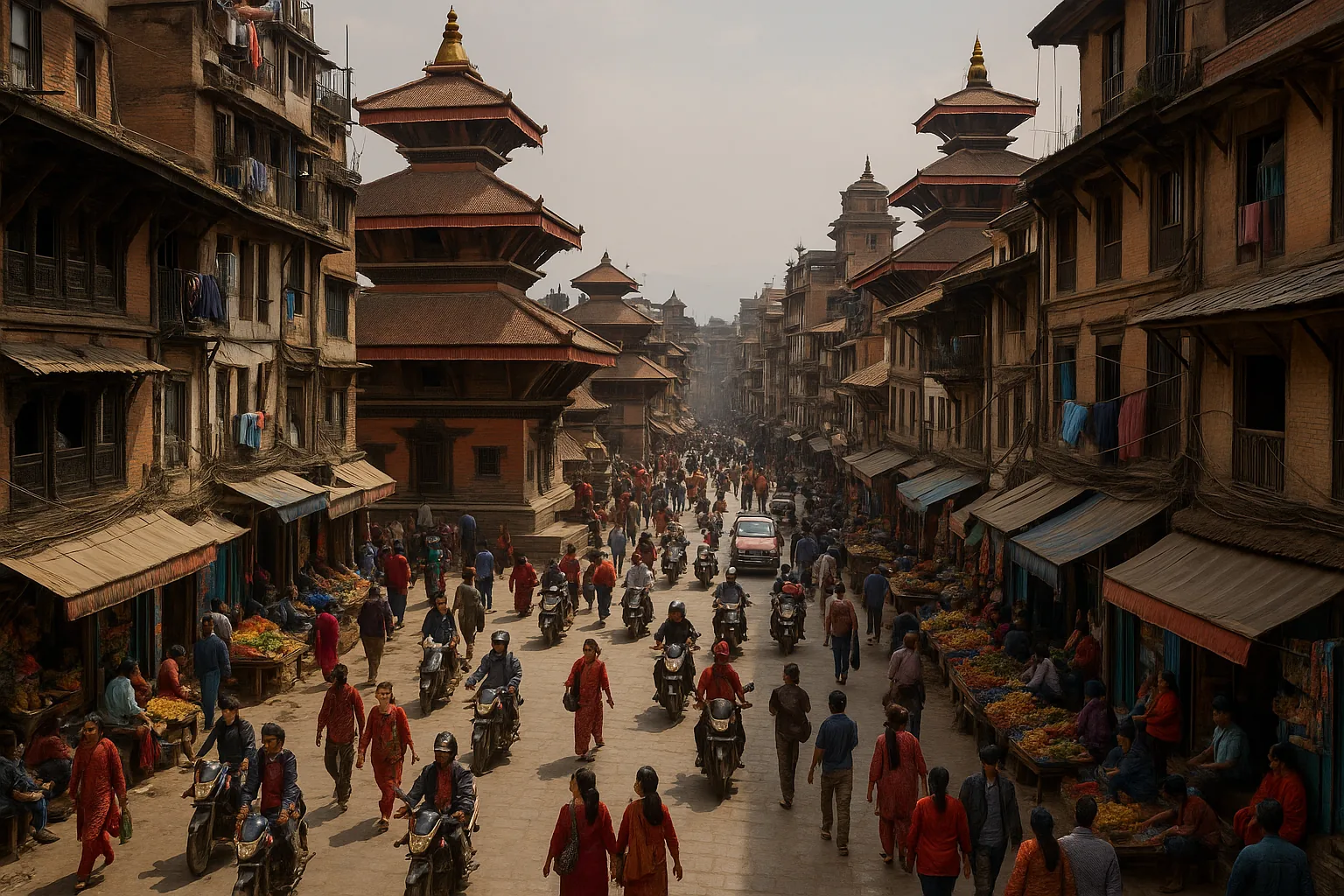
Kathmandu hits you all at once — the incense smoke, the motorcycle horns, the golden temple spires rising above a maze of narrow streets, and the sound of someone frying something that smells absolutely incredible. If you’re trying to figure out where to stay in Kathmandu, what to eat, and how to actually experience the city beyond the tourist bubble, you’re in the right place. This isn’t a city you can understand in a day, but with the right base and a little curiosity, it’ll give you more than you bargained for.
Why Kathmandu Deserves More Than a Stopover
A lot of travelers treat Kathmandu as a transit point — somewhere to land before heading to Everest Base Camp or the lakes of Pokhara. That’s a mistake. Kathmandu is a destination in its own right, with a layered history that stretches back centuries, a street food culture that rivals anywhere in Asia, and neighborhoods that feel like entirely different worlds within walking distance of each other.
The city sits in a valley surrounded by green hills, and its urban energy is unlike anything you’ll find in a typical Southeast Asian backpacker hub. It’s chaotic, yes. It’s dusty, sure. But it’s also deeply alive, spiritually rich, and full of moments that stop you mid-step. You’ll turn a corner and find a centuries-old courtyard where locals are going about their morning rituals, completely unbothered by the city roaring around them.
What makes Kathmandu genuinely fascinating is that its neighborhoods once existed as separate kingdoms, each with its own culture, architecture, and identity. That history is still visible today — in the temple styles, the local dialects, the food, and the way communities organize themselves around ancient squares and markets. Knowing this changes how you move through the city. You’re not just sightseeing. You’re walking through layers of time.
Getting to Know the Neighborhoods
Thamel: The Traveler’s Hub (And Why You Shouldn’t Dismiss It)
Thamel is the neighborhood most travelers land in first, and there’s a reason for that. It’s buzzing with guesthouses, gear shops, rooftop cafés, and tour agencies. It can feel overwhelming at first — every other doorway seems to be selling trekking poles or yak wool scarves — but once you get your bearings, Thamel is genuinely useful as a base.
The key is not to stay in Thamel’s bubble. Use it as your launchpad. Sleep there, sort your gear there, then spend your days pushing further into the city. The streets just beyond Thamel’s main drag start to feel more local almost immediately. Bakeries where the staff don’t speak much English, small temples tucked between buildings, local tea shops where a cup of chiya costs almost nothing — it’s all right there if you’re willing to wander.
For young travelers on a budget, Thamel has a solid range of hostels and guesthouses that offer good value without sacrificing comfort. You’re paying for location and convenience, and in a city this complex, that matters.
Chhetrapati: The Sweet Spot Between Touristy and Local
Just a short walk from Thamel, Chhetrapati is where things start to feel noticeably more authentic. It’s described by seasoned Kathmandu travelers as an ideal location for exploring markets, independent shops, and local restaurants — and that reputation is well-earned.
The neighborhood centers around a small square that comes alive in the evenings. Locals gather, street vendors set up, and the pace slows just enough that you can actually absorb what’s around you. If you want to stay somewhere that gives you easy access to Thamel’s conveniences while feeling embedded in a more genuine slice of city life, Chhetrapati is worth prioritizing when you think about where to stay in Kathmandu.
The guesthouses here tend to be smaller and more personal than the bigger operations in central Thamel. You’re more likely to get travel tips from the owner over breakfast than from a laminated menu on the wall.
Boudha and the Eastern Edge
Head east and the city shifts again. The Boudha area, centered around one of the largest Buddhist stupas in the world, has a completely different atmosphere from Thamel. It’s calmer, more meditative, and home to a significant Tibetan community. The streets around the stupa are lined with monasteries, prayer flag shops, and small restaurants serving Tibetan food alongside Nepali staples.
👉 Read also: Chiang Mai Beyond the Tourist Circuit: 12 Visits Reveal What Actually Matters
Staying in Boudha is a genuinely different experience of Kathmandu. You wake up to the sound of monks chanting and the slow spin of prayer wheels. It’s not for everyone — it’s further from the main tourist infrastructure — but if you’re drawn to spiritual travel or want a quieter base, it’s one of the most memorable choices in the city.
The Boudha Street Market nearby is worth exploring on its own, with a mix of everyday local goods and handcrafted items that feel far removed from the souvenir shops of Thamel.
Eating Your Way Through Kathmandu
Beyond Thamel’s Tourist Restaurants
Kathmandu’s food scene is extraordinary, but you have to be willing to step away from the rooftop restaurants with their picture menus and Western-friendly options. The real eating happens in the older parts of the city, in markets and narrow lanes where the food is cooked fast, eaten standing up, and costs almost nothing.
Basantapur is one of the most rewarding street food destinations in the city. It’s a historic square area where vendors serve dishes like Anda Keema — a spiced minced meat and egg preparation — and Sekwa, which are grilled skewers of marinated meat cooked over charcoal right in front of you. The smell alone is enough to pull you in. Go in the evening when the stalls are busiest and the energy is at its peak.
New Road is another essential stop. It’s a busy commercial street that also happens to be one of the best places to find authentic Newari food — the traditional cuisine of the Newar people, who are indigenous to the Kathmandu Valley. Newari food is rich, complex, and unlike anything else in Nepal. Think fermented ingredients, buffalo meat dishes, beaten rice, and spiced lentil preparations. It’s not always easy to find in tourist-friendly form, which is exactly why New Road is worth the effort.
Markets Worth Exploring
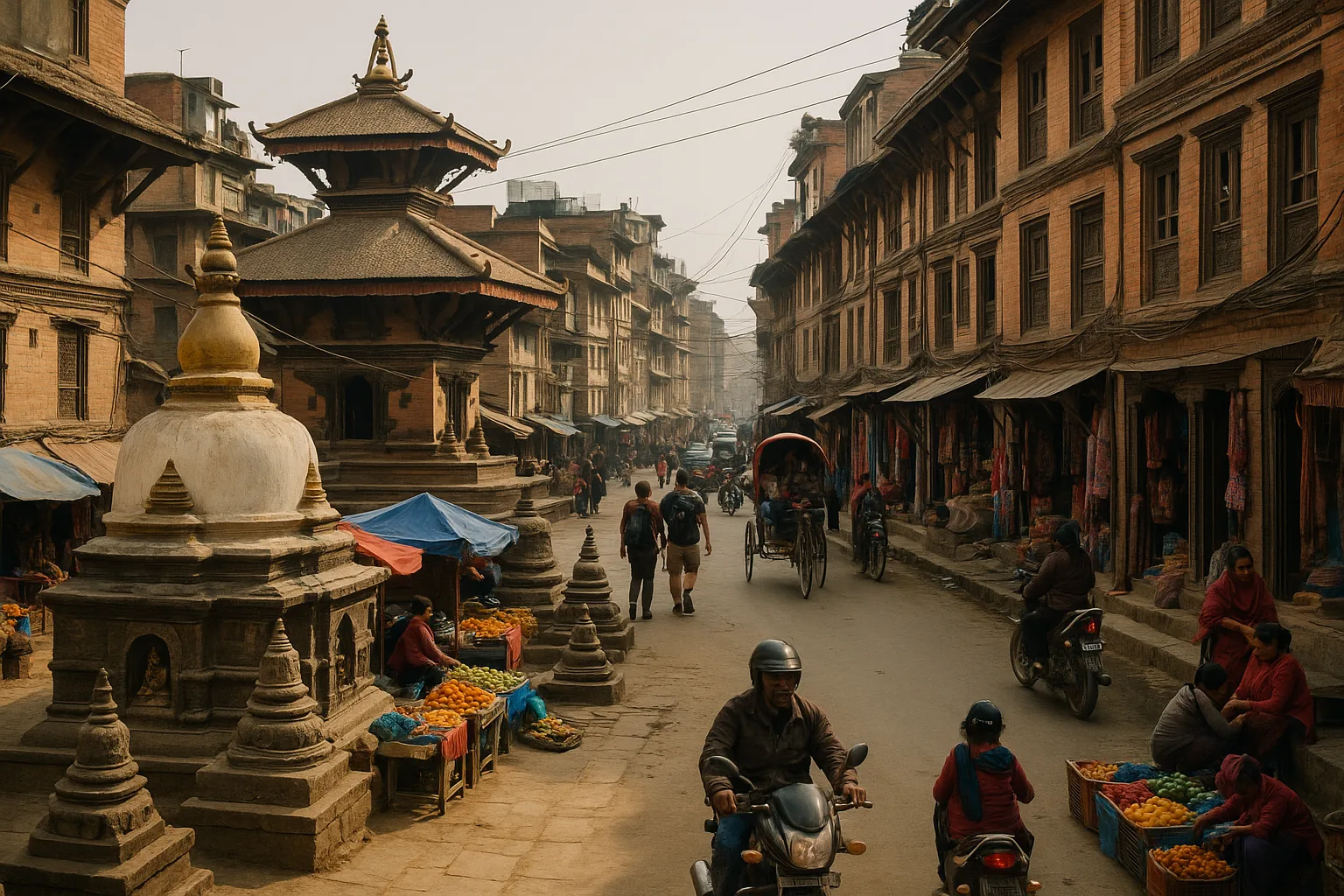
Kathmandu’s markets are experiences as much as they are shopping destinations. Asan Bazaar is one of the oldest and most atmospheric trading hubs in the city, a labyrinthine space where spice sellers, fabric merchants, and food vendors operate in beautiful, chaotic proximity. Go in the morning when it’s freshest and most alive.
Indra Chowk sits nearby and is equally compelling — a historic square that transitions seamlessly from religious space to commercial hub throughout the day. The Kalimati Fruits and Vegetable Market is another local favorite, less visited by tourists but genuinely worth a wander if you want to see how the city feeds itself every day.
For a more curated introduction to the street food scene, guided Kathmandu street food tours are available and can be a surprisingly good investment, especially if you’re only in the city for a few days. A good guide will take you to hidden eateries that you’d never find on your own — the kind of places with no English signage, no Instagram presence, and food that’s been made the same way for generations.
The Thamel Street Food Lane is worth mentioning too, even though it sits in the tourist district. It’s a good introduction to Nepali snacks — momos (steamed dumplings), sel roti (a sweet fried rice bread), and various spiced preparations — before you venture further afield. Think of it as a warm-up, not the main event.
Where to Stay in Kathmandu: Matching Your Vibe to the Right Area
Choosing where to stay in Kathmandu is genuinely one of the most important decisions you’ll make before arriving. The city is large, traffic can be slow, and staying in the wrong neighborhood for your interests can mean spending a lot of time commuting rather than exploring.
If you’re a first-time visitor who wants easy access to tour operators, trekking gear, and other travelers, Thamel is the logical choice. It’s the most connected neighborhood for tourists, with plenty of budget options ranging from dormitory beds to private rooms with mountain views. The infrastructure is there, the information is easy to access, and you won’t feel lost.
👉 Read also: Chiang Mai After 12 Visits: A Local's Honest Guide Beyond the Tourist Trail
If you’ve been to Kathmandu before or you’re the kind of traveler who prefers to integrate rather than observe, Chhetrapati or the quieter lanes bordering Thamel offer a better balance. You’re still close to the conveniences but you’re sleeping in a neighborhood that breathes differently.
For something completely different, Boudha rewards travelers who want a more contemplative experience. The stupa area is genuinely one of the most peaceful places in the city, and staying nearby means your mornings start with something that feels almost sacred.
Whatever neighborhood you choose, look for guesthouses that are locally owned and family-run where possible. These places tend to offer more genuine hospitality, better local knowledge, and a travel experience that feels more connected to where you actually are. Many of them are also more affordable than the larger hotel operations, which is a bonus when you’re budgeting for trekking permits and day trips.
Moving Beyond the City: Day Trips and Nearby Discoveries
Kathmandu’s valley is surrounded by places that are worth exploring if you have a few extra days. The city itself sits within reach of ancient towns, hilltop viewpoints, and landscapes that shift dramatically as you climb out of the urban basin.
Historically distinct towns like Bhaktapur and Patan — both of which were once independent kingdoms — are reachable within an hour from central Kathmandu and offer a glimpse into what the valley looked like before modernization took hold. Their ancient squares, traditional architecture, and slower pace make them genuinely different experiences from the capital. Patan Durbar Square in particular is recognized as one of the most beautiful historic squares in the entire region.
Heading into the hills, viewpoints above the valley offer perspectives on Kathmandu that are hard to grasp from within the city. On clear days — most reliably in the cooler months — you can see the Himalayan peaks rising above the haze, a reminder of the extraordinary geography that surrounds this city on every side.
The important thing with day trips is to go with curiosity rather than a checklist. The best moments tend to happen between the famous sites — at a tea house on the road, in a conversation with a local who asks where you’re from, or at a viewpoint that isn’t in any guidebook but that a guesthouse owner mentioned over breakfast.
Traveling Respectfully in a Sacred City
Kathmandu is a deeply spiritual place, and that’s not just a travel brochure line — it’s something you feel immediately. Temples, shrines, and sacred spaces are woven into the fabric of everyday life here. People pray in places that tourists photograph. Rituals happen in courtyards that double as shortcuts. The line between religious space and public space is often blurred, and navigating that respectfully matters.
Dress modestly when visiting temples and religious sites — covering your shoulders and knees is standard practice and genuinely appreciated. Remove your shoes when asked, follow the directional signs around stupas (most are walked clockwise), and ask before photographing people or religious ceremonies. These aren’t complicated rules. They’re just basic respect for a culture that’s opening its most meaningful spaces to you.
When it comes to street food and local markets, engage with vendors as people rather than props for your travel content. Buy something, try something new, make an effort to learn a few words of Nepali. Dhanyabad means thank you, and using it will get you a smile almost every time.
Support local businesses wherever you can. The guesthouse over the international chain. The dal bhat at the local canteen over the pasta at the tourist restaurant. The handmade item from the artisan over the mass-produced souvenir. Your spending choices in a city like Kathmandu have a direct impact on the communities you’re visiting, and that’s worth being thoughtful about. For more on responsible travel in Nepal, Nepal Tourism Board’s official site offers practical guidance on sustainable and respectful tourism practices.
Kathmandu will challenge you, disorient you, and occasionally exhaust you. It will also feed you extraordinary food, show you temples that have stood for centuries, and drop you into moments of unexpected beauty that you won’t find anywhere else on earth. The trick is to stay curious, stay flexible, and give the city the time it deserves — because the longer you stay, the more it reveals itself, and the harder it becomes to imagine ever wanting to leave.
This article was produced with AI assistance and reviewed editorially.


Nepal’s Mountain Gateway: Kathmandu Neighborhoods, Street Food & Where to Stay for Authentic Exploration

Luang Prabang, Laos: Why This Sacred City Is Perfect for Solo Travelers Seeking Solitude


