
Asia
Chiang Mai After 12 Visits: A Local’s Honest Guide Beyond the Tourist Trail
Discover authentic Chiang Mai through a local’s perspective after 12+ visits. Explore hidden neighborhoods, lesser-known temples, and where locals actually eat.

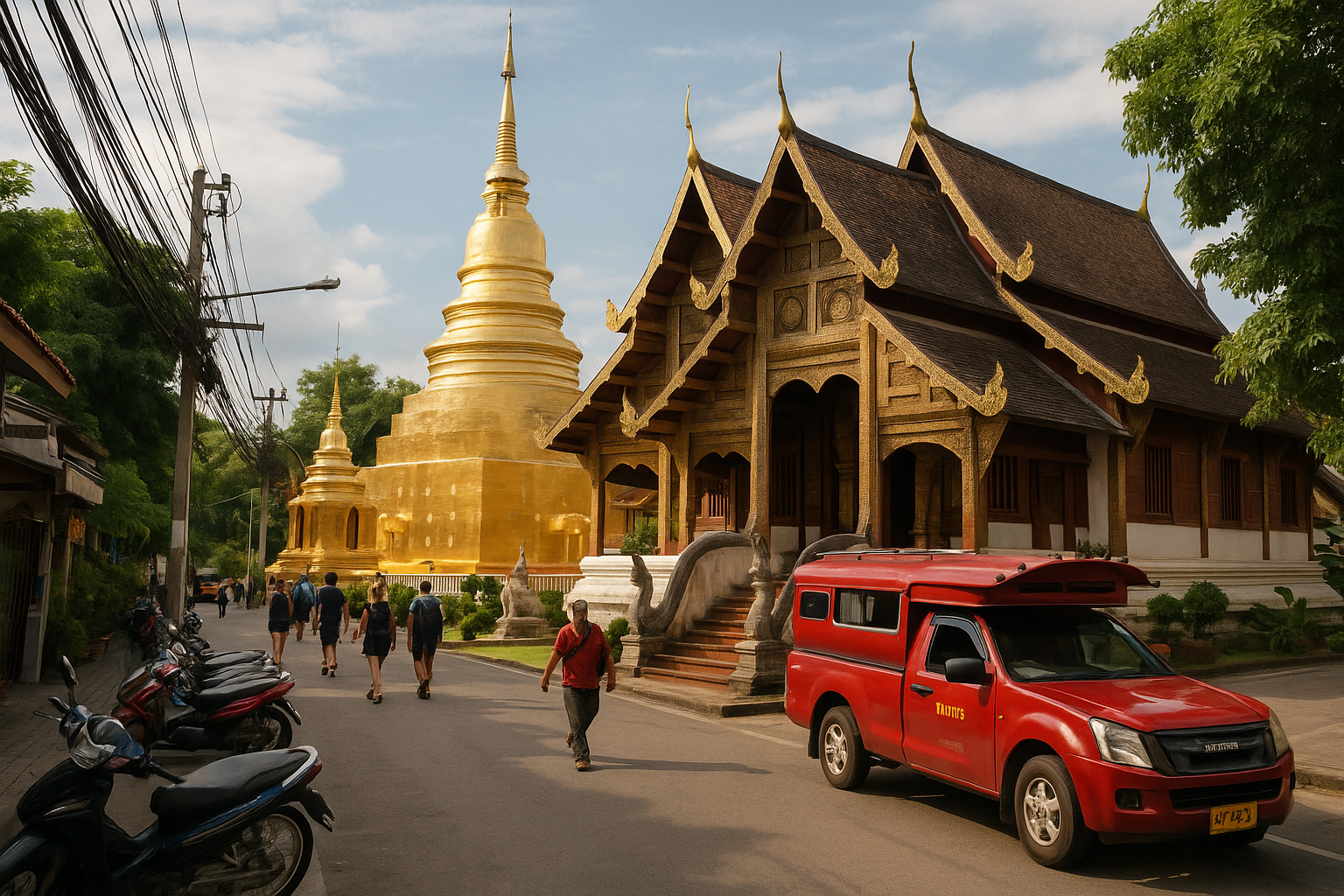
The Chiang Mai Travel Guide You Actually Need: Beyond the Tourist Trail
There’s a reason people keep coming back to Chiang Mai. One visit turns into two, two turns into five, and before you know it, you’ve lost count. This chiang mai travel guide isn’t built from a single weekend trip or a quick scroll through someone else’s highlights. It’s built from the kind of repeated, unhurried exploration that reveals what the city actually is — not just what it looks like from the back of a tuk-tuk. Whether you’re arriving for the first time or returning after a long gap, Chiang Mai has a way of surprising you. The streets feel familiar, but there’s always something new hiding just around the corner.
Thailand’s cultural capital sits in the north of the country, cooler and quieter than Bangkok, surrounded by mountains and temples and a food scene that earns its reputation every single day. Here’s how to experience it like someone who genuinely knows the place.
Understanding Chiang Mai’s Neighborhoods
Before you plan anything, it helps to understand how the city is laid out — because each neighborhood has a completely different personality, and where you spend your time shapes your entire experience.
The Old City
The Old City is the historical heart of Chiang Mai, enclosed by a square moat and ancient walls. It’s where you’ll find the densest concentration of temples, guesthouses, and traditional architecture. It can feel busy during peak season, but wander even a few streets off the main drag and the atmosphere shifts immediately. Early mornings here are genuinely special — monks collecting alms, incense drifting from open temple gates, the city waking up at its own pace. Stay here if you want to be close to everything, but don’t expect it to feel like a secret.
Nimmanhaemin
Nimman, as locals call it, is where the city’s creative and café culture lives. It’s the neighborhood that gets compared to a hip urban village — independent coffee shops, art galleries, design stores, and restaurants that range from hole-in-the-wall Thai kitchens to experimental fusion spots. Chiang Mai University borders the area, which gives it a young, curious energy. If you’re a digital nomad or someone who needs good Wi-Fi and great coffee to function, this is your neighborhood. It’s also where you’ll find Baan Kang Wat Artists Village, a cluster of artisan workshops and studios tucked behind a temple that feels like a creative community rather than a tourist attraction.
The Riverside
The Ping River runs along the eastern edge of the city, and the Riverside area has a slower, more relaxed vibe than the Old City or Nimman. It’s a good place to wander without an agenda — there are independent cafés, local restaurants, and stretches of riverfront that feel genuinely unhurried. The neighborhood rewards people who like to explore on foot or by bicycle, stopping wherever something catches their eye.
Temples Worth Visiting (And How to Approach Them)
Chiang Mai has over 300 temples. That number sounds overwhelming, but it’s actually a gift — it means you can walk into a temple courtyard in the middle of a Tuesday afternoon and have it almost entirely to yourself, while the crowds queue at the famous ones.
The Big Three You Shouldn’t Skip
Wat Chedi Luang is the most dramatic of the central temples — a partially ruined chedi that once stood as the tallest structure in the ancient Lanna kingdom. It’s busy, yes, but for good reason. Visit at dusk when the light changes and the crowds thin slightly. Wat Phra Singh is considered one of the most important temples in northern Thailand, with beautiful Lanna-style architecture and a calm, well-maintained interior. Wat Phan Tao sits right next door to Wat Chedi Luang and is often overlooked because of its famous neighbor — which means you can often have its gorgeous teak viharn almost to yourself.
The Hidden Temple Worth the Walk
If you only seek out one off-the-beaten-path temple, make it Wat Pha Lat. Located inside Doi Suthep National Park, it sits along a jungle trail and feels like a discovery rather than a destination. The temple is ancient, mossy, and surrounded by forest. You can reach it via the Monk’s Trail — a hiking path up Suthep Mountain that begins near Chiang Mai University. The trail takes roughly 45 minutes to an hour and passes through dense forest before arriving at Wat Pha Lat. Continue upward and you’ll eventually reach Doi Suthep temple at the summit, but Wat Pha Lat is the part most visitors miss entirely.
Where to Eat Like a Local
Chiang Mai’s food scene is one of the best reasons to visit — and one of the best reasons to keep returning. Northern Thai cuisine is distinct from what you’ll find in Bangkok or on the islands. Dishes like khao soi (a rich, curry-based noodle soup with crispy egg noodles on top), sai oua (a fragrant northern sausage), and nam prik noom (a roasted green chili dip served with vegetables and sticky rice) are the kinds of things you’ll crave for months after leaving.
Markets Over Restaurants
For the most authentic eating experience, skip the tourist-facing restaurants and head to the markets. The Sunday Night Market on Wualai Road is one of the city’s most beloved weekly events — it stretches for several blocks and combines street food, handmade crafts, and live music into something that feels like a genuine local celebration rather than a performance for visitors. Come hungry and pace yourself.
The Coconut Market is another spot worth exploring for local flavors and produce. For everyday eating, look for the smaller neighborhood markets that open in the early morning and late afternoon — these are where locals actually shop and eat, and the prices reflect it. A bowl of noodles or a plate of rice with two or three curries shouldn’t cost more than a few dollars.
The Coffee Scene
Chiang Mai has developed one of the most impressive independent café cultures in Southeast Asia. The city sits close to Thailand’s coffee-growing highlands, and roasters here take their craft seriously. Nimman is the obvious starting point, but don’t limit yourself — hidden cafés appear throughout the Old City and Riverside too. Much Room Cafe is one of those places that regulars don’t always want to share: a hidden gem with a distinct atmosphere that feels genuinely local rather than designed for Instagram. Find it, order something, and stay a while.
Learning Something While You’re Here
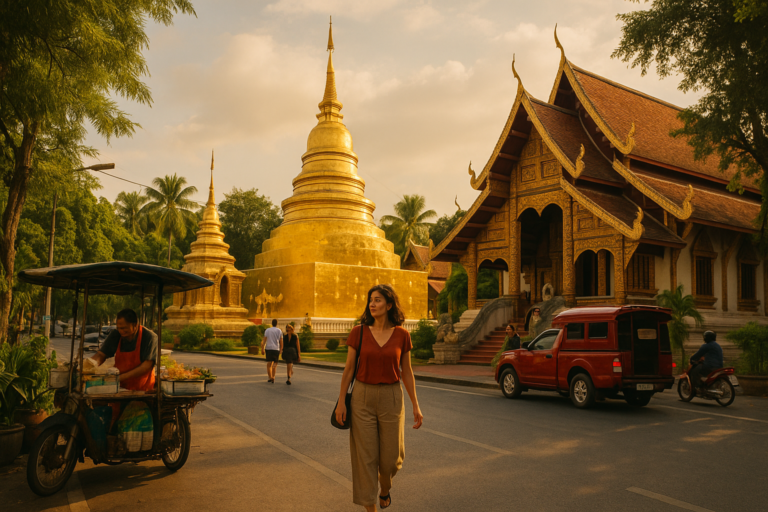
One of the things that makes Chiang Mai stand out as a travel destination is how easy it is to engage with the culture actively rather than just observing it. The city has a long tradition of craftsmanship — silverwork, woodcarving, silk weaving, umbrella making — and many of these traditions are still practiced and taught.
Taking a Thai cooking class is one of the most popular activities in the city, and for good reason. Schools like Passion Food Thai Cooking School offer hands-on classes that take you through markets to source ingredients before teaching you to prepare dishes from scratch. It’s the kind of experience that changes how you think about food long after you’ve gone home — you’ll never order khao soi again without thinking about what goes into making it properly.
For a more contemplative experience, many temples offer meditation sessions open to visitors. The Old City has several options, and even a single morning session can shift the pace of your entire trip.
Day Trips That Are Actually Worth It
Chiang Mai’s surroundings are as compelling as the city itself, and a day or two of exploration outside the urban center adds real depth to any visit.
Doi Suthep and the Monk’s Trail
Doi Suthep is the mountain that watches over Chiang Mai — you can see it from almost anywhere in the city. The temple at its summit is one of the most sacred in Thailand, and the views over the city from the terrace are genuinely arresting. Most visitors take a songthaew (a shared red truck taxi) up the winding road, but if you have the energy, the Monk’s Trail approach through the forest — passing Wat Pha Lat along the way — turns a standard day trip into something more memorable. Start early to beat the heat and the crowds.
Baan Kang Wat and the Art Village Circuit
Just outside the main Nimman area, Baan Kang Wat Artists Village is a quiet collection of studios and shops set around a temple. Local artists and craftspeople work and sell here, and the atmosphere is relaxed and genuinely creative. It’s the kind of place where you might spend an hour intending to spend fifteen minutes — watching someone paint, talking to a ceramicist, or simply sitting in the courtyard with a coffee from one of the small cafés inside the complex.
Villages Around the City
The area around Chiang Mai is dotted with villages that specialize in traditional crafts. San Kamphaeng, to the east of the city, has a long history of silk and cotton weaving, and wandering through its workshops gives you a real sense of how these crafts are kept alive. The road between Chiang Mai and San Kamphaeng also passes through a series of craft villages covering lacquerware, ceramics, and silverwork — it’s worth renting a scooter or hiring a driver for a half-day loop.
When to Go and What to Expect
Timing matters in Chiang Mai, more than in some other Thai destinations. The cool season, roughly from November through February, is when the city is at its most comfortable — temperatures drop noticeably at night, the air is clear, and the mountains are vivid. This is also peak tourist season, so the Old City fills up and accommodation prices rise. Book ahead if you’re visiting during this period.
The hot season from March through May brings intense heat and, more significantly, smoke season — a period when agricultural burning in the surrounding mountains fills the valley with haze. Air quality can be poor during these months, which is worth factoring in if you have respiratory sensitivities or if you’re planning a lot of outdoor activity. It’s also when crowds thin considerably, which has its own appeal.
The rainy season from June through October brings lush green landscapes and a quieter, more local feel to the city. Rain typically falls in heavy afternoon bursts rather than all day, and the cooler temperatures make exploring genuinely pleasant. This is arguably the most underrated time to visit — you’ll share the temples and markets with far fewer people, and the surrounding countryside is at its most dramatic.
For further inspiration and detailed practical information, resources like Indie Traveller’s Chiang Mai guide and Aga on the Run’s local perspective offer thoughtful, experience-driven takes on the city worth reading before you go.
Practical Things Worth Knowing
- Getting around: Songthaews (red shared trucks) are the most local way to travel within the city. Negotiate the price before you get in. Renting a bicycle or scooter gives you more freedom, especially for exploring Nimman and the Riverside.
- Temple etiquette: Cover your shoulders and knees before entering any temple. Many have sarongs available to borrow at the entrance, but carrying a light scarf saves time.
- Cash: Many local markets and smaller restaurants are cash-only. ATMs are widely available but charge foreign transaction fees — withdraw larger amounts less frequently.
- Language: Northern Thai (Kham Mueang) is the regional dialect, but Thai is understood everywhere. Learning a few basic Thai phrases — hello, thank you, how much — goes a long way and is always appreciated.
- Pace yourself: Chiang Mai rewards slow travel. Don’t try to see everything in two days. The city reveals itself to people who aren’t rushing.
Why Chiang Mai Keeps Drawing People Back
Chiang Mai was famously the favorite city of King Bhumibol Adulyadej, who ruled Thailand until his passing in 2016 — a fact that speaks to something intangible about the place. There’s a quality to Chiang Mai that’s difficult to articulate but easy to feel: a sense that the city has its own rhythm, its own identity, and that it isn’t performing for anyone. It has temples and markets and coffee shops, yes, but it also has a genuine community of people who actually live there — artists, monks, farmers, students, craftspeople — and that community is visible and accessible in a way that feels rare.
This chiang mai travel guide can point you toward the places and experiences worth seeking out, but the real discovery happens when you put the map away and follow your curiosity. Walk down the alley that looks interesting. Order the dish you can’t pronounce. Sit in a temple courtyard long enough to stop thinking about where you’re going next. That’s when Chiang Mai stops being a destination and starts being a place you genuinely know — and it’s exactly why so many people find themselves booking a return flight before they’ve even left.
Your next journey to northern Thailand is waiting. All you have to do is show up.
This article was produced with AI assistance and reviewed editorially.


Vietnam Uncovered: Beyond the Chaos, Into the Real Story

Beyond the Guidebook: What Hanoi Actually Feels Like


