
Italy
Plan the Perfect Italian Adventure on a Budget
Plan your Italian adventure on a budget with practical tips and sustainable travel practices.


Discover how to experience the rich culture and landscapes of Italy without breaking the bank. From budgeting and itinerary tips to saving on souvenirs and embracing sustainable travel, this guide offers essential strategies for an affordable Italian adventure.
Setting a Realistic Budget for Your Trip
Before embarking on an Italian adventure, it’s crucial to establish a realistic budget to ensure a stress-free trip.
Start by researching the average cost of essential items such as accommodation, transportation, meals, and entrance fees to popular attractions.
Consider the time of year, as off-peak seasons typically offer lower prices; visiting Italy in the spring or fall can save a significant amount.
Use online resources, travel forums, and budget tools to estimate how much you’ll need daily, ensuring to include allowances for unexpected expenses.
Allocate a portion of your budget for splurging on unique experiences, such as a meal at a local trattoria or a regional cooking class, which can enrich your travel experience.
Additionally, consider booking flights and accommodation in advance to secure the best deals.
Remaining flexible with travel dates and destinations within Italy can also lead to substantial savings, as you may take advantage of last-minute offers or discounts.
Itinerary Planning: Prioritizing Budget-Friendly Activities
While Italy is famous for its luxury experiences, it also offers a wealth of budget-friendly activities that can enrich your visit without straining your finances.
Begin by identifying free or low-cost attractions such as iconic piazzas, historic city centers, and natural parks.
Many cities, like Rome and Florence, offer free walking tours where knowledgeable guides provide fascinating insights into the city’s history and culture.
Take advantage of museum discount days or purchase city passes that offer comprehensive access to various attractions, often at a reduced rate.
Explore Italy’s beautiful outdoors; consider hiking in the picturesque Cinque Terre or spending a day at a public beach along the Amalfi Coast.
Participate in local festivals, which are often free and provide a unique insight into regional traditions.
Embrace authentic Italian life by enjoying leisurely strolls, people-watching, and sampling street food or market-fresh produce.
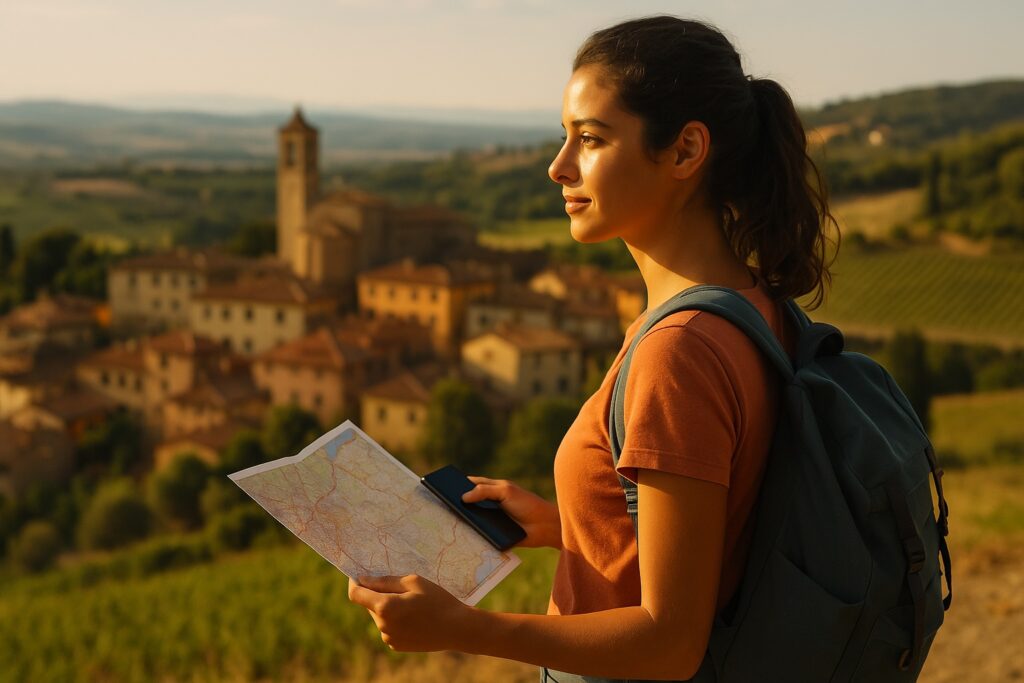
Money-Saving Tips for Souvenirs and Shopping
Souvenirs and shopping can quickly consume a significant portion of your travel budget, but there are ways to manage your spending while still collecting memorable items.
Prioritize locally made products that capture the essence of the region, such as Venetian glass, leather goods from Florence, or olive oil from Tuscany.
These items often have a greater emotional value and support local artisans.
Avoid tourist traps and instead visit artisan workshops or neighborhood markets where prices are more competitive.
Set a spending limit for souvenirs; this encourages thoughtful purchasing rather than impulsive buying.
For food-related gifts, opt for non-perishable, packable goods such as pasta, wine, or preserved truffles, which allow you to bring home a taste of Italy.
Remember to check duty-free limits to avoid unexpected costs at customs.
By opting for meaningful souvenirs, you can bring home a piece of Italy without overspending.
Health and Safety Considerations on a Budget
Maintaining your health and safety while traveling should never be compromised, even on a budget.
Travel insurance is a non-negotiable expense, providing coverage for medical emergencies and unexpected events.
Use comparison websites to find policies that offer comprehensive care at competitive rates.
Access local healthcare wisely; pharmacies across Italy can handle minor ailments without the need for doctor’s visits, saving both time and money.
Be mindful of your personal safety; like any other destination, Italy has areas that are safer than others.
Research neighborhoods in advance and keep updated on local advisories.
Stay vigilant in crowded spaces to avoid petty theft—common sense practices like using money belts or purchasing travel locks can protect your belongings.
If renting a car, learn about local driving laws and insurance requirements to prevent avoidable fines or fees.
Being informed and prepared ensures that an emergency doesn’t derail your budget or experience.
Leveraging Technology for Budget Travel
Technology can be your greatest ally when traveling on a budget.
Use apps and websites for everything from finding the best deals on flights and accommodations to navigating local public transportation systems.
Utilize budget travel apps like Skyscanner or Hopper to track flight prices and receive alerts on fare drops.
For accommodations, platforms such as Airbnb and Hostelworld offer affordable options ranging from shared dorms to entire apartments, often with local insights included.
Google Maps and Citymapper can help you efficiently navigate cities without needing costly taxis or rental cars.
Dining apps like The Fork offer discounts at participating restaurants, while apps like TripAdvisor provide traveler reviews to help you find budget-friendly dining options.
Staying connected to reliable Wi-Fi is crucial; use it to access these resources and communicate with accommodations or services.
Investing in a local SIM card or portable Wi-Fi can save on communication costs and give constant access to these vital tools.
Reflecting on Sustainable and Ethical Travel Practices
Traveling on a budget goes hand-in-hand with embracing sustainable and ethical practices.
Respect local communities by supporting local businesses, thereby contributing to the economic well-being of the regions you visit.
Opt for eco-friendly accommodations that implement green practices such as energy-saving measures, recycling programs, and support of local ecosystems.
When planning your activities, favor low-impact options such as walking or cycling tours, which reduce your carbon footprint and often provide a more intimate connection with the locale.
Be mindful of Italy’s natural and cultural sites by following designated trails and respecting closures that protect historical treasures or natural resources.
Purchase sustainable products, avoiding items that contribute to environmental degradation or exploit local artisans.
By integrating responsible practices into your travel, you help preserve Italy’s beauty for future visitors while maintaining a mindful, budget-conscious experience.


What Hanoi Is Actually Like: A Local’s Honest Take

Hiking Albania’s Valbona to Theth Trail: What You Need to Know Before You Go


