
Asia
Vietnam Uncovered: Beyond the Chaos, Into the Real Story
Discover a realistic Vietnam travel guide that counters common misconceptions about safety, costs, and traffic. Explore Hanoi’s culture and street food scene.

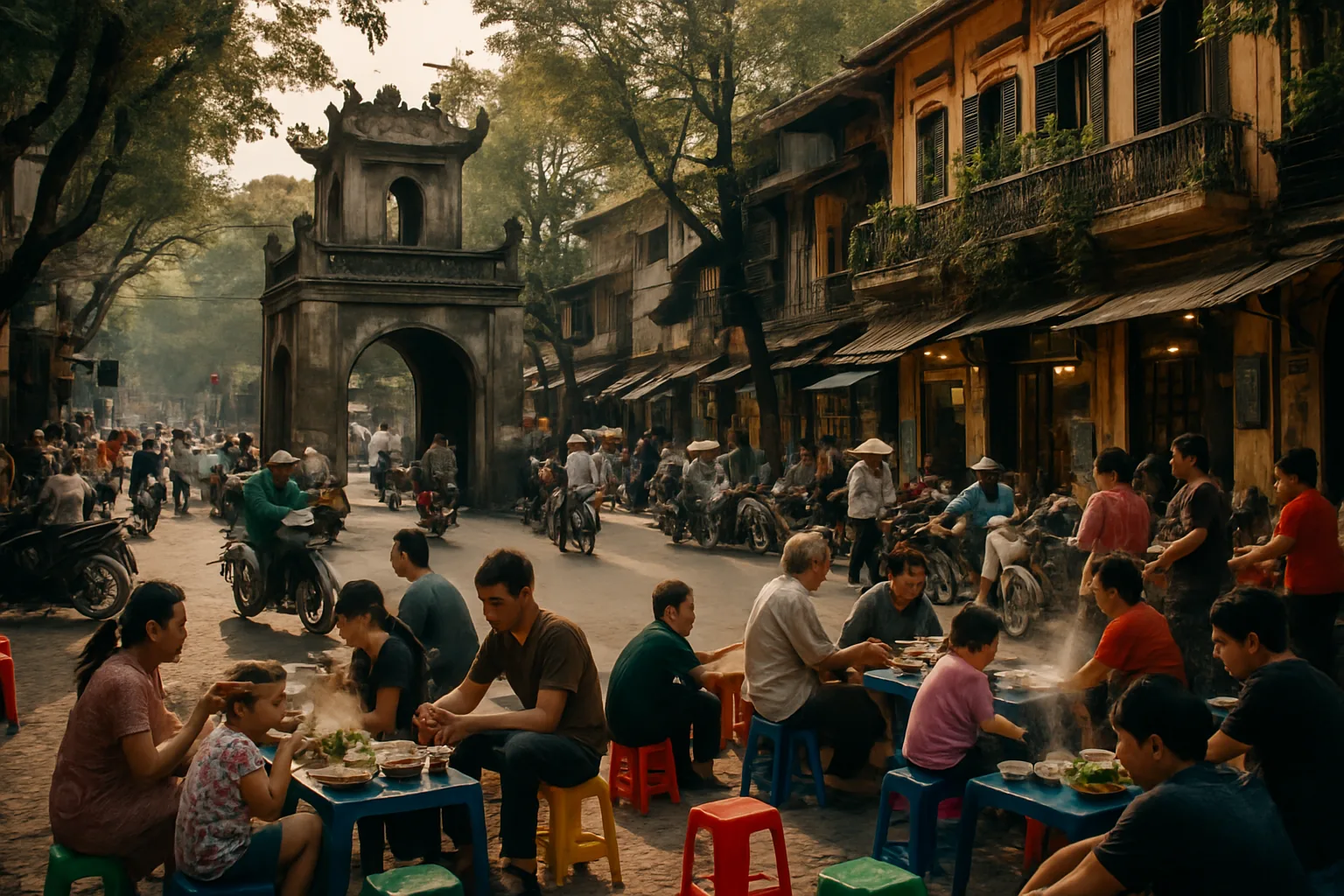
Vietnam has a reputation that often arrives before you do — a swirl of motorbikes, war history, and street food chaos that sounds either thrilling or terrifying depending on who’s telling the story. But if you’re putting together a serious Vietnam travel guide, the first thing worth knowing is this: most of what people think they know about this country is only half the picture. Vietnam stretches more than 1,000 miles from north to south, taking in everything from the limestone pillars of Ha Long Bay to the waterways of the Mekong Delta, and it’s consistently ranked as one of the cheapest places to travel in all of Southeast Asia. So whether you’re planning your first solo trip or your third return visit, there’s always more to uncover.
Why Vietnam Gets Misunderstood — and Why That’s Actually Good News for You
Every destination carries myths, but Vietnam seems to attract more than its fair share. Some of those stories come from travelers who passed through decades ago. Others come from people who never visited at all. The result is a collection of misconceptions about safety, costs, traffic, and language barriers that stop some travelers from booking a flight — and that’s a genuine shame.
Here’s the good news: most of those fears dissolve within the first 48 hours on the ground. The country is far more navigable, welcoming, and affordable than its reputation suggests. And understanding where the myths come from helps you travel smarter and more confidently from day one.
The Traffic Is Dangerous
Let’s start with the big one. Hanoi alone has a population of around 6 million people and roughly 5 million scooters. That sounds like a recipe for disaster. But locals have developed an almost choreographed relationship with the roads — the traffic flows like water, and once you understand the rhythm, crossing a street becomes second nature. The key is to move steadily and predictably. Don’t freeze, don’t sprint. Let the scooters read you, and they will flow around you.
It’s Too Expensive
Vietnam is genuinely one of the most budget-friendly destinations in Southeast Asia. A bowl of phở from a street stall costs a fraction of what you’d pay for a coffee back home. Guesthouses, local buses, overnight trains — the infrastructure for affordable travel is well-established and easy to use. You can travel comfortably without counting every cent, which is rare.
You Won’t Be Able to Communicate
Vietnamese is a tonal language, and learning it fluently takes years. But in cities and tourist areas, English is widely spoken — especially among younger Vietnamese. In markets and smaller towns, a combination of gestures, translation apps, and genuine goodwill goes a long way. Don’t let the language barrier be a dealbreaker. It rarely is in practice.
It’s Not Safe for Solo Travelers
This one comes up constantly, especially in conversations about solo female travel. The reality is that Vietnam has a strong culture of community and hospitality. Petty theft exists, as it does in every major city on earth, but violent crime targeting tourists is uncommon. The standard precautions — keep valuables secure, stay aware of your surroundings, trust your instincts — apply here just as they would anywhere else. Thousands of solo travelers move through Vietnam every month without incident.
You Need a Tour Group to See the Country
Organized tours have their place, and Vietnam has excellent options for young travelers who want a structured experience. But independent travel here is genuinely accessible. Trains, buses, and domestic flights connect the major destinations efficiently. Booking accommodation on the fly is easy in most cities. You don’t need a guide to have a meaningful experience — though a local guide can absolutely deepen one.
Hanoi: More Than You’re Expecting
Vietnam’s capital is one of those cities that takes a day to disorient you and a week to fall in love with. The Old Quarter is the obvious starting point — narrow streets, colonial architecture, the smell of grilled meat drifting out of doorways — but Hanoi rewards the traveler who wanders beyond the obvious grid.
→ Read also: Vietnam Beyond the Guidebook: What You Actually Need to Know
Start your first morning at a local cà phê trứng — egg coffee — a Hanoi invention that tastes somewhere between a dessert and a revelation. Find a plastic stool on the pavement, order a bowl of bún chả, and watch the city move. That’s not a tourist activity. That’s just breakfast.
A Three-Day Hanoi Itinerary Worth Following
Day one belongs to the Old Quarter. Walk the 36 streets, each historically named for the trade practiced there. Visit Hoan Kiem Lake in the early morning, when locals are doing tai chi by the water and the city feels genuinely peaceful. Cross the red bridge to Ngoc Son Temple. In the evening, grab a plastic stool on Ta Hien Street — also known as Beer Street — and join the crowd.
Day two is for culture and context. The Vietnam Museum of Ethnology is one of the best museums in Southeast Asia, full stop. It gives you a real sense of the country’s extraordinary diversity — Vietnam has 54 recognized ethnic groups, and the museum does justice to that complexity. Afterward, head to the West Lake area, which has a quieter, more residential feel than the tourist center. The lakeside cafés here are where Hanoians actually come to relax.
Day three is for getting slightly lost. Take the Long Bien Bridge on foot or by bicycle — the old French colonial railway bridge offers a remarkable view over the Red River and the villages below. Then explore the Tay Ho district, home to a growing community of artists, independent coffee shops, and some of the best bánh mì you’ll find in the north. End the day at a rooftop bar watching the city light up.
Hanoi vs. Saigon: Two Cities, Two Completely Different Vibes
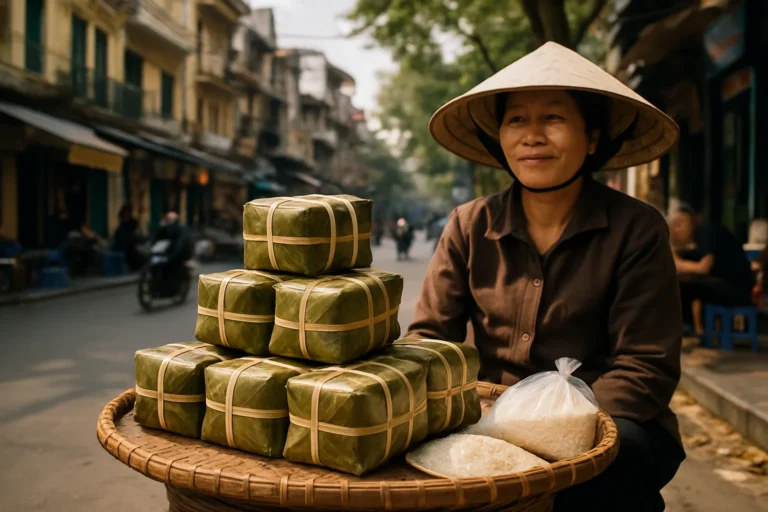
If you’re spending time in both cities — and you should — go in knowing that Ho Chi Minh City (Saigon) and Hanoi are not interchangeable. They have distinct personalities, different paces, and different relationships with their own history.
Hanoi is older, more formal, and carries a certain northern reserve. The architecture is heavier with French colonial influence. The food is subtler — less sweet, more focused on broth and herb. The city moves quickly but feels layered, like there’s always something older underneath whatever you’re looking at.
Saigon is louder, faster, and more immediately chaotic in the best sense. It’s a city in a constant state of becoming — glass towers rising next to century-old shophouses, rooftop bars filling up at midnight, street food scenes that run around the clock. Dustin Kemp, a travel writer based in Saigon, has written extensively about the city’s energy and why it keeps drawing people back. That energy is real. Saigon doesn’t slow down, and somehow that becomes addictive.
Travelers who prefer a slower, more contemplative pace often find themselves drawn to Hanoi. Those who want to be in the middle of something constantly evolving tend to love Saigon. The honest answer is that you need both — they show you different sides of the same country.
Street Food: The Real Reason to Visit
You can read every Vietnam travel guide ever written, but nothing prepares you for the actual experience of eating your way through this country. Vietnamese cuisine is regional, seasonal, and deeply tied to place. What you eat in Hanoi is not what you eat in Hội An, and neither of those is what you eat in Saigon.
In Hanoi, phở bò — beef noodle soup — is a morning ritual. The broth is clear, deeply aromatic, and served with fresh herbs and a squeeze of lime. It’s not the same dish you’ve had at Vietnamese restaurants back home. It’s better, and it costs almost nothing.
→ Read also: Beyond the Guidebook: What Hanoi Actually Feels Like
In Saigon, hủ tiếu — a southern noodle soup with a sweeter, pork-based broth — is the local equivalent. Markets like Bến Thành are worth visiting for context, but the real street food happens in the alleys around them, where plastic tables spill onto the pavement and the cooking is done on open flames.
The rule across the country: follow the locals. If a stall has a queue of Vietnamese people at 7am, join it. Don’t overthink it. Point at what someone else is having. That approach will lead you somewhere memorable every single time.
Solo Travel and Safety: What You Actually Need to Know
Vietnam is genuinely welcoming to solo travelers of all backgrounds. The country has a well-worn backpacker trail that connects the major destinations — Hanoi, Ha Long Bay, Hội An, Da Nang, Nha Trang, Saigon — and moving between them independently is straightforward. Overnight trains are comfortable and atmospheric. Sleeper buses are cheap and reliable enough.
Common sense applies everywhere. Watch your bag on busy streets, especially in areas popular with tourists. Be cautious with motorbike taxi drivers who approach you aggressively. Use reputable booking platforms for accommodation. Keep digital copies of your important documents. None of this is Vietnam-specific — it’s just sensible travel.
What is Vietnam-specific is the warmth you’ll encounter. Locals will wave you over to share food. Guesthouse owners will draw maps by hand and explain bus routes in broken English. Fellow travelers will become friends over shared tables. That community aspect of traveling through Vietnam is one of the things people remember most.
For visa requirements and entry information, the official Vietnam tourism website is the most reliable source to check before you go, as regulations can change and it’s worth having current information directly from the source.
Getting the Most Out of Vietnam’s Diversity
One of the biggest mistakes travelers make is treating Vietnam as a single destination rather than a collection of distinct regions. The country’s geography alone — more than 1,000 miles from north to south — means that climate, culture, food, and landscape shift dramatically as you move.
Ha Long Bay in the north offers one of the most visually striking landscapes on earth — thousands of limestone karsts rising from green water, best explored on an overnight cruise. Central Vietnam gives you the ancient town of Hội An, where lanterns light up the river at night and the food is considered by many to be the finest in the country. The south opens into the Mekong Delta, a world of floating markets, river villages, and a pace of life that feels entirely its own.
A Vietnam travel guide that only covers Hanoi and Saigon is only telling part of the story. Budget at least two to three weeks if you want to move through the country at a pace that lets you actually absorb it. Rush it, and you’ll feel like you’ve seen a highlight reel. Take your time, and you’ll feel like you’ve lived something.
Practical Things Worth Knowing Before You Go
- Currency: The Vietnamese đồng is the local currency. ATMs are widely available in cities, but carry cash when heading to smaller towns or rural areas.
- SIM cards: Affordable local SIM cards are available at the airport and in convenience stores. Get one immediately — having data makes navigation infinitely easier.
- Transport: Grab (Southeast Asia’s equivalent of ride-hailing apps) works well in major cities and is generally safer and more transparent than flagging down random taxis.
- Dress respectfully: When visiting temples, pagodas, or religious sites, cover your shoulders and knees. Carry a light scarf for this purpose.
- Bargaining: In markets, light bargaining is expected and normal. In restaurants and shops with fixed prices, it’s not. Read the context.
- Best time to visit: Vietnam’s climate varies significantly by region. The north is best in autumn (September to November) and spring (March to April). The south is generally good from November through April. The central coast has its own distinct wet season.
Vietnam doesn’t ask you to be a certain kind of traveler. It meets you where you are — whether you’re 17 and on your first solo adventure, or 28 and looking for something that cuts through the noise of over-touristed destinations. The chaos is real, but it has a rhythm. The food is extraordinary. The people are genuinely kind. And the country, all 1,000-plus miles of it, keeps revealing new things the longer you stay. That’s not a myth — that’s just what happens when you actually show up.
This article was produced with AI assistance and reviewed editorially.


Vietnam Uncovered: Beyond the Chaos, Into the Real Story

Beyond the Guidebook: What Hanoi Actually Feels Like


