
Asia
Beyond the Guidebook: What Hanoi Actually Feels Like
Discover what Hanoi really offers beyond the myths. This Hanoi travel guide combines myth-busting insights with a practical 3-day itinerary from a local resident.

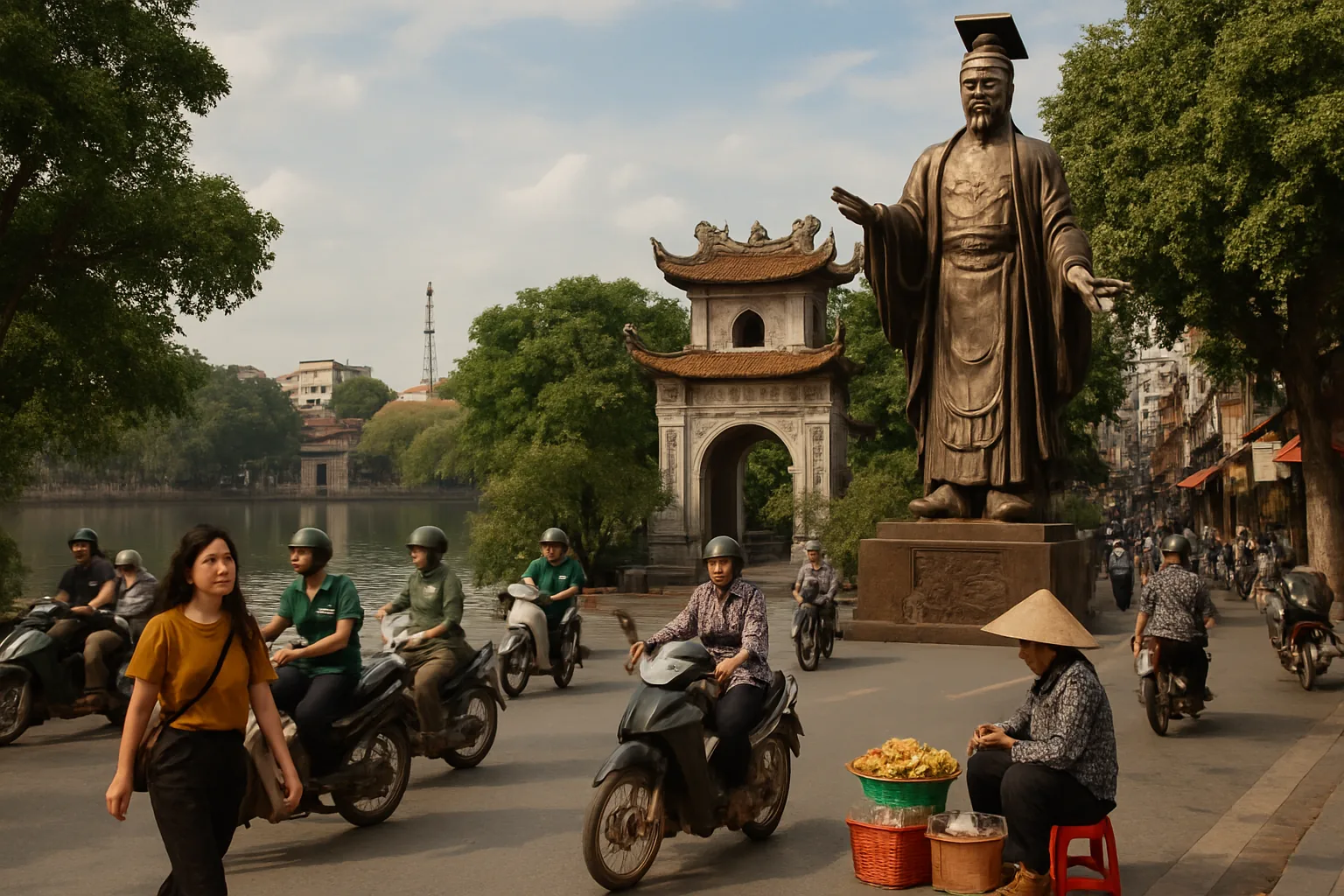
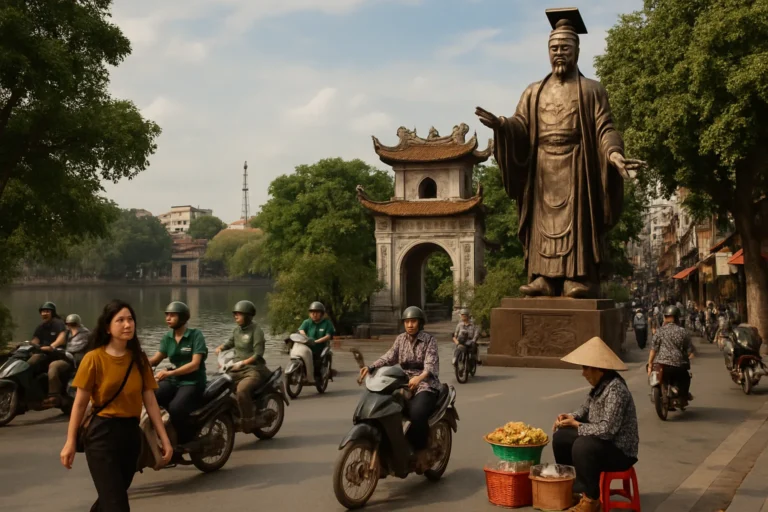
If you’ve been putting off a trip to Hanoi because of something you half-heard, half-read, or half-imagined about Vietnam, this Hanoi travel guide is here to set the record straight. Hanoi is one of those cities that has a way of surprising you — it’s ancient and electric at the same time, chaotic on the surface but deeply ordered underneath, and it rewards curious travelers with experiences that are genuinely hard to find anywhere else in Southeast Asia. The myths surrounding it, though, are stubborn. Let’s dismantle them one by one, and then get you moving through the city with a solid three-day plan.
The Myths That Are Keeping You Away
Almost every traveler who hesitates about Vietnam does so because of a story they heard secondhand. The traffic looks terrifying in videos. The food seems risky if you’re not used to street eating. The language barrier feels insurmountable. And somewhere in the back of many Western travelers’ minds, there’s still a ghost of geopolitical anxiety that has absolutely no place in the Hanoi of today.
Here’s the truth about the most common ones:
The traffic will kill you
Hanoi’s streets are genuinely busy. Scooters flow like water, and at first glance the intersections look ungovernable. But there’s a logic to it. Traffic moves relatively slowly through the Old Quarter, and drivers are used to navigating around pedestrians. The golden rule is simple: walk steadily and predictably. Don’t freeze, don’t sprint. Move at a calm, consistent pace and the scooters will flow around you. Thousands of first-time visitors figure this out within a few hours. You will too.
The street food is dangerous
This one is perhaps the most damaging myth, because it keeps people from one of the greatest pleasures Hanoi has to offer. Street food stalls in Hanoi often serve food that is cooked to order, piping hot, and turned over rapidly because demand is constant. High turnover means fresh ingredients. Look for stalls where locals are actually eating — if there’s a queue of Vietnamese people waiting for a bowl of phở or a plate of bún chả, that’s your sign. Your stomach will thank you.
Nobody speaks English
In the Old Quarter and tourist-adjacent areas, English is widely spoken in guesthouses, restaurants, and tour operators. Outside those zones, you’ll encounter a language gap — but that’s part of the adventure, not a crisis. Translation apps work well, locals are patient and often enthusiastic about communicating through gestures and smiles, and the effort you make to communicate respectfully will be met with warmth almost every time.
Vietnam still holds resentment toward Western visitors
This myth is outdated to the point of being almost comical if you’ve actually been to Hanoi. Vietnam is one of the most welcoming countries in Southeast Asia for international travelers, regardless of where they’re from. The Vietnamese people have an extraordinary capacity for looking forward rather than backward, and the country’s tourism industry has grown substantially because of that openness. You will be welcomed. Full stop.
It’s too chaotic to navigate without a tour
Hanoi’s Old Quarter is actually one of the most walkable urban areas in the region. Streets are dense but navigable, neighborhoods have distinct characters, and the city rewards slow, curious exploration on foot. You don’t need a guide to wander through the 36 guild streets, find a cà phê trứng (egg coffee) shop tucked up a narrow staircase, or stumble onto a temple courtyard that feels like a secret. The city is designed, in a way, for exactly the kind of spontaneous discovery that young travelers live for.
What Hanoi Actually Feels Like on the Ground
Hanoi is described accurately as an ancient city with an incredible food scene — but that description barely scratches the surface of what it feels like to actually be there. The city has layers. French colonial architecture sits alongside traditional tube houses and gleaming modern cafés. The smell of broth simmering on a street corner mixes with incense drifting from a temple. Old men play chess in the shade of a banyan tree while a few meters away, university students scroll through their phones at a specialty coffee shop.
It’s a city that exists in multiple centuries simultaneously, and that tension is exactly what makes it so compelling for young travelers who want something more than a sanitized tourist experience. Hanoi doesn’t perform for you — it just gets on with being itself, and you’re invited to join in.
→ Read also: Vietnam Beyond the Guidebook: What You Actually Need to Know
The Old Quarter, centered around Hoàn Kiếm Lake, is the natural starting point for any visit. But Hanoi’s character extends well beyond it — into the French Quarter’s wide boulevards, the quieter residential streets of the Tây Hồ (West Lake) neighborhood, and the street-food corridors that come alive at dusk.
A Three-Day Hanoi Itinerary Worth Following
This is a framework, not a rigid schedule. Leave room for detours — some of the best moments in Hanoi happen when you follow a smell, a sound, or a curious alleyway.
Day One: The Old Quarter and Hoàn Kiếm Lake
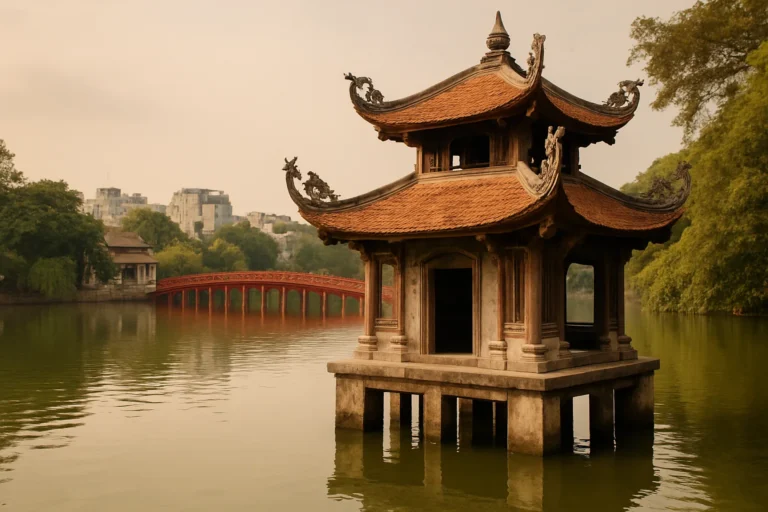
Start early. Hanoi mornings have a particular quality — the air is cooler, the streets are quieter, and you’ll see the city in a more contemplative mood. Head to Hoàn Kiếm Lake for a walk around the perimeter. The Ngọc Sơn Temple, sitting on a small island connected by a red bridge, is worth visiting first thing before the crowds build.
From there, lose yourself in the Old Quarter. Each of the traditional guild streets — named after the goods once sold there, like Silk Street and Paper Street — has its own atmosphere. Stop for a bowl of phở at a street stall where the plastic stools are already full of locals. This is breakfast, Hanoi-style.
In the afternoon, visit the Hỏa Lò Prison Museum for a sobering but important perspective on the city’s history. Then wind down with an egg coffee at one of the cafés near Hoàn Kiếm — a Hanoi invention that tastes like a dessert and a coffee at the same time. As evening falls, join the crowds on Hàng Mã Street or find a rooftop bar overlooking the lake.
Day Two: Culture, History, and Local Life
Day two is for going deeper. Start at the Temple of Literature (Văn Miếu), Vietnam’s first university, founded in the eleventh century. It’s a genuinely beautiful complex — quiet courtyards, stone steles, and a sense of scholarly calm that feels miles away from the street-level energy of the Old Quarter.
From there, make your way to the Vietnam Museum of Ethnology. If you visit only one museum in Hanoi, make it this one. It documents the country’s 54 ethnic groups with remarkable depth and care, and the outdoor section features full-scale traditional houses from different regions. It’s the kind of place that reframes everything you thought you knew about Vietnam as a single, monolithic culture.
Lunch should be bún chả — grilled pork patties served with vermicelli noodles and a dipping broth, a dish that is essentially synonymous with Hanoi. Find it at a local spot rather than a tourist-facing restaurant and you’ll understand immediately why Hanoians are so proud of their food culture.
In the evening, explore the Tây Hồ (West Lake) area. It has a different energy from the Old Quarter — more residential, more relaxed, popular with expats and young Vietnamese professionals. The lakeside promenade at sunset is genuinely lovely, and the neighborhood has excellent restaurants and bars if you want to extend the evening.
Day Three: Hidden Corners and Departure Day Prep
Use your final full day to explore the parts of Hanoi that don’t make it onto every itinerary. The Long Biên Bridge, a French-built iron railway bridge crossing the Red River, offers a completely different view of the city — and the market activity on and around it in the early morning is a photographer’s dream.
→ Read also: Vietnam Beyond the Stereotypes: Hanoi in 3 Days + 11 Debunked Misconceptions
Spend the mid-morning in the French Quarter, walking the wide, tree-lined boulevards and admiring the colonial architecture around the Opera House. It’s a striking contrast to the density of the Old Quarter and gives you a sense of how layered Hanoi’s history really is.
For your final afternoon, revisit whatever you didn’t get enough of — a particular food stall, a temple courtyard, a café where you felt completely at ease. Then pick up some local coffee to take home. Vietnamese coffee, especially the robusta-heavy blends from Hanoi’s specialty shops, is one of the best souvenirs you can carry in a backpack.
Why Hanoi Works So Well for Young Travelers
Part of what makes Hanoi stand out as a destination — especially compared to Vietnam’s other major cities — is its walkability combined with genuine cultural depth. You can cover a remarkable amount of ground on foot, and every block offers something worth pausing for. The cost of living is low enough that you can eat well, sleep comfortably, and explore freely without watching your budget anxiously.
Hanoi and Ho Chi Minh City are completely different experiences, and which one suits you depends on what you’re looking for. Ho Chi Minh City is faster, more commercially intense, more overtly modern. Hanoi moves differently. It has a historic Old Quarter character that gives it a sense of accumulated time — you feel the weight of centuries in its architecture, its food traditions, its rhythms. For travelers who want to connect with Vietnamese culture rather than just pass through it, Hanoi tends to leave a deeper impression.
The food culture alone is worth the trip. Hanoi’s culinary identity is distinct from the rest of Vietnam — more restrained in some ways, more intensely flavored in others. Phở here is considered by many Vietnamese to be the definitive version. Bún chả, chả cá (turmeric fish with dill), and egg coffee are all Hanoi originals. Eating your way through the city is not just a pleasure — it’s a form of cultural education.
Safety, as a practical concern, is worth addressing directly. Hanoi is a safe city for young travelers, including solo travelers and those traveling alone for the first time. Standard urban awareness applies — watch your belongings in crowded areas, be cautious with unlicensed motorbike taxis, and use reputable apps for transport when you need it. But the baseline level of safety in the city is high, and the anxiety that some travelers bring with them based on outdated perceptions simply doesn’t match the reality on the ground.
Before You Go: Practical Things Worth Knowing
A few essentials that will make your trip smoother:
- Visa: Check current entry requirements well before you travel. Vietnam’s e-visa system has made entry significantly more straightforward in recent years, but requirements can change.
- Currency: The Vietnamese đồng is the local currency. Cash is king in markets, street stalls, and smaller establishments. ATMs are widely available in the Old Quarter.
- Getting around: Walking is your best tool in the Old Quarter. For longer distances, ride-hailing apps are reliable, affordable, and remove the negotiation stress of unlicensed taxis.
- Weather: Hanoi has four distinct seasons, which is unusual for Southeast Asia. Winters (roughly November to March) can be cool and drizzly. Spring and autumn tend to offer the most pleasant conditions for walking and exploring.
- Dress respectfully: When visiting temples and religious sites, cover your shoulders and knees. Carrying a light scarf in your bag solves this problem instantly.
- Bargaining: Expected in markets, not in restaurants or shops with fixed prices. Read the context and follow the lead of other customers.
For deeper research into what to do once you’re there, Travel Lemming’s regularly updated guide to Hanoi is a solid resource with current, practical recommendations.
The Bigger Picture: What Hanoi Changes in You
Every experienced traveler has a city that recalibrated something for them — a place that quietly shifted how they think about culture, community, or what daily life can look like. For a lot of young travelers, Hanoi becomes that city. It’s not flashy about it. It doesn’t try to impress you. It just gets on with being extraordinary, and somewhere between your third bowl of phở and your second evening watching the lake reflect the city lights, you realize you’ve stopped being a tourist and started feeling like a temporary local.
That’s the thing about Hanoi that no myth can touch. The city has a way of making you feel genuinely welcome — not in a commercial, hospitality-industry way, but in the deeper sense of being absorbed into the rhythm of a place that has been doing things its own way for a very long time. Come with curiosity, leave the assumptions at home, and give it three days. You’ll almost certainly want more.
This article was produced with AI assistance and reviewed editorially.


Vietnam Uncovered: Beyond the Chaos, Into the Real Story

Beyond the Guidebook: What Hanoi Actually Feels Like


