
Asia
Vietnam Beyond the Stereotypes: What Hanoi Reveals to First-Timers and Repeat Visitors
Discover authentic Hanoi with this insider’s travel guide debunking 11 common Vietnam myths. Navigate the Old Quarter, food culture, and daily life like a local.

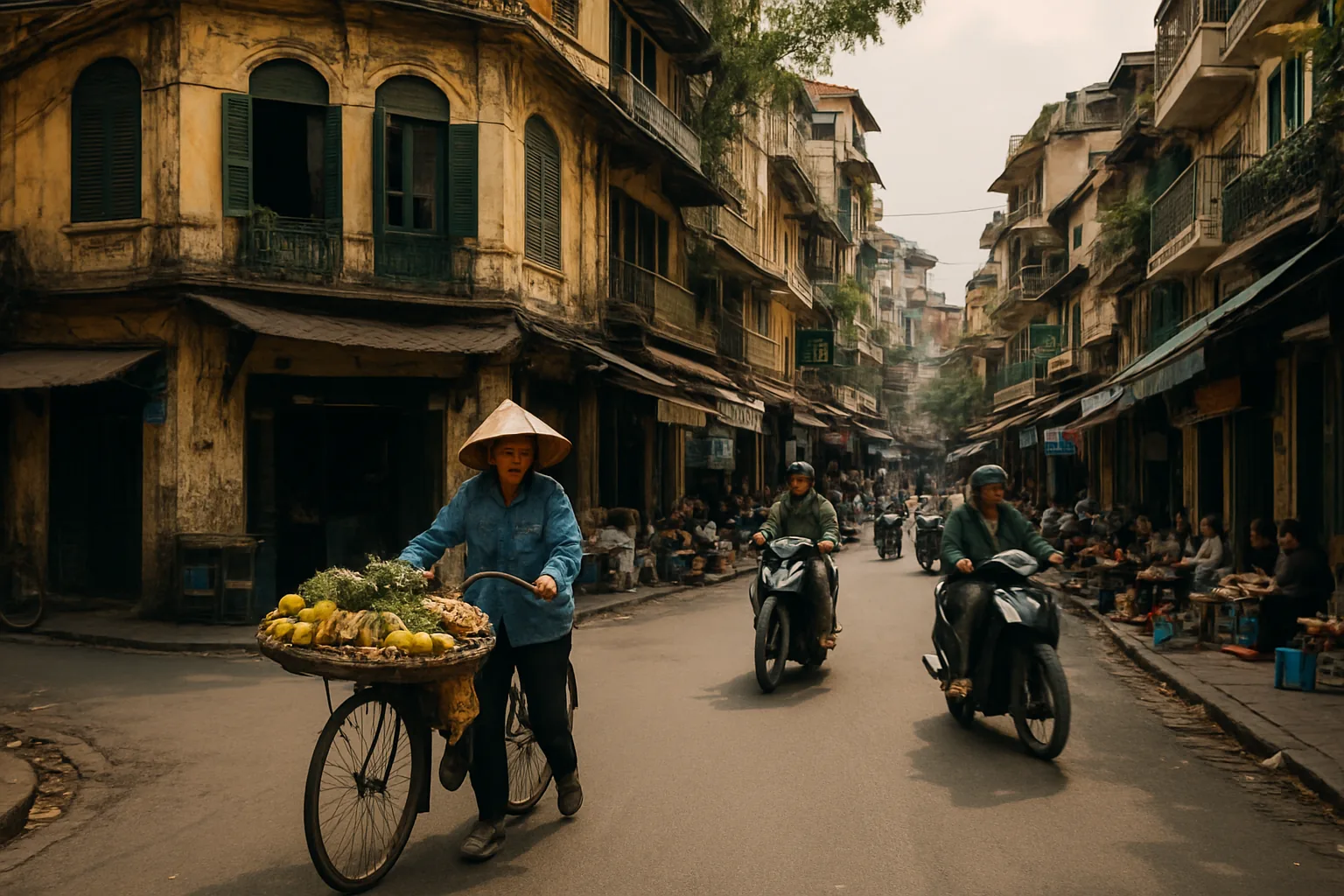
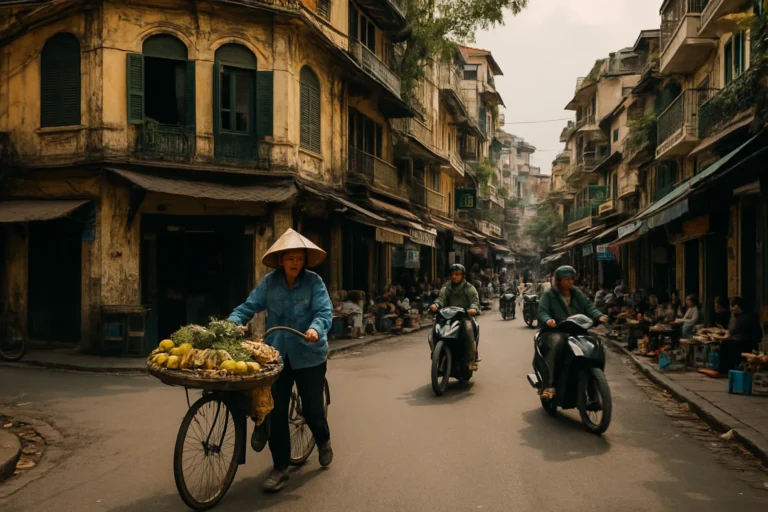
Hanoi is one of those cities that tends to surprise people — not because it’s hiding some grand secret, but because almost everything you think you know about it before you arrive turns out to be at least a little bit wrong. Whether you’re using this as your first Hanoi travel guide or you’ve already been to Vietnam and want to dig deeper this time around, this article is here to give you the honest, unfiltered picture: the food, the chaos, the culture, and all the things that make this city genuinely worth your time.
Why Hanoi Deserves More Credit Than It Gets
Most travelers flying into Vietnam for the first time head straight for Ho Chi Minh City — and that’s understandable. It’s the bigger, louder, more internationally familiar option. But Hanoi, the country’s capital in the north, offers something different. It’s older, slower in places, and more layered. The city carries centuries of history in its architecture, its street food, and even the way people move through it.
That doesn’t mean Hanoi is quiet. Far from it. But there’s a certain rhythm to the place that feels more rooted than the frenetic energy of the south. The streets of the Old Quarter — a dense, labyrinthine grid of colonial-era buildings and narrow lanes — have been trading and breathing since the 11th century. Walking through them, you get the sense that the city has absorbed everything thrown at it and kept going.
First-time visitors often underestimate how much there is to explore here. The Old Quarter alone could fill several days if you let it. Add Hoan Kiem Lake, the Temple of Literature, and the surrounding neighborhoods, and you’re already looking at a city with serious depth. The mistake is treating Hanoi like a quick stopover before heading south. It’s not a layover city. It’s a destination.
Common Myths About Vietnam That Hanoi Will Quickly Debunk
Before we get into the practical stuff, let’s talk about the assumptions that follow Vietnam around — the ones that shape how travelers behave before they’ve even landed. Some of these myths are harmless. Others can genuinely affect how you experience the country.
Myth: Vietnam is cheap, so you don’t need to budget carefully. Yes, Vietnam is affordable by Western standards. But “affordable” doesn’t mean “free.” If you’re eating at tourist-facing restaurants, booking convenience stores instead of local markets, and taking private taxis everywhere, you’ll spend more than you expected. The real savings come from eating where locals eat and using local transport.
Myth: The food is all the same. This one genuinely frustrates people who know Vietnam well. Northern Vietnamese food — the food you’ll eat in Hanoi — is noticeably different from what you’ll find in the south. Pho in Hanoi tends to be cleaner and more restrained in flavor, with a clear broth and fewer garnishes. Southern pho comes loaded with herbs, bean sprouts, and sauces. Neither is better. They’re just different expressions of the same dish, shaped by different climates and culinary traditions.
Myth: You need to speak Vietnamese to get around. You don’t. Especially in Hanoi’s tourist areas, English is widely spoken enough to navigate daily life. That said, learning even a handful of Vietnamese phrases — xin chào (hello), cảm ơn (thank you) — will open doors in ways that pure English won’t. People respond warmly to the effort, even when it’s imperfect.
Myth: Vietnam is dangerous for solo travelers. It’s not. Vietnam, and Hanoi specifically, is considered one of the safer destinations in Southeast Asia for solo travelers of all backgrounds. Standard precautions apply — watch your belongings in crowded areas, be aware of your surroundings — but the baseline level of safety is high. Many travelers, including solo women, do the full journey from Hanoi to Ho Chi Minh City over two weeks without any major issues.
Myth: The traffic will be terrifying and impassable. The traffic in Hanoi is chaotic, yes. Motorbikes move in a flow that looks random but actually has its own logic. The key is to cross streets slowly and steadily. Don’t freeze, don’t run, and don’t wait for a gap that will never come. Move at a consistent pace and the traffic flows around you. It takes about half a day to get comfortable with it, and then it becomes almost meditative.
Your First Three Days: A Realistic Hanoi Itinerary
Three days in Hanoi is enough to get a genuine feel for the city without rushing. Here’s how to use them well.
Day One: The Old Quarter and Hoan Kiem Lake
Start your first morning early. The Old Quarter before 8am is a completely different place — quieter, cooler, and full of locals going about their routines. Pick up a bowl of pho from a street stall, ideally one with plastic stools and no English menu, and eat it standing or crouched on the pavement. That’s the experience.
→ Read also: Vietnam Beyond the Stereotypes: Hanoi in 3 Days + 11 Debunked Misconceptions
Spend the morning wandering the 36 streets of the Old Quarter, each historically dedicated to a specific trade. Some of that heritage is still visible — you’ll find streets lined with paper goods, silk, or hardware. Others have evolved into cafés and souvenir shops, but the bones of the old city are still there if you look up past the ground-floor displays.
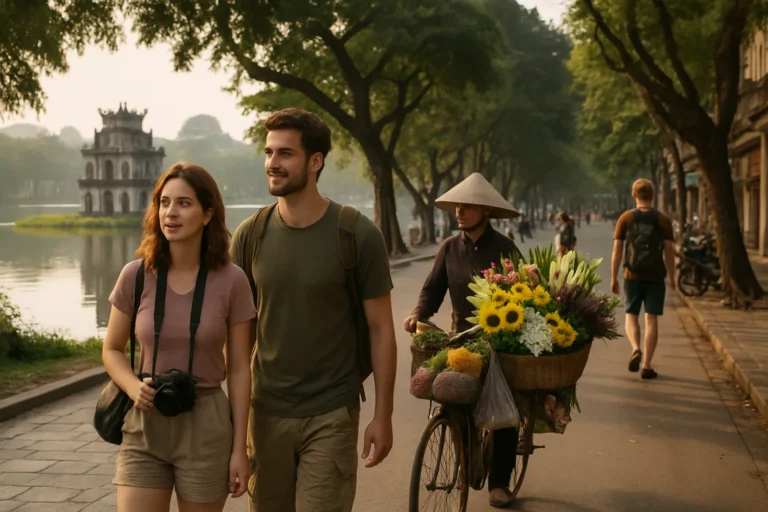
By mid-morning, walk down to Hoan Kiem Lake. The lake sits at the heart of the city and is genuinely lovely, especially on weekend mornings when the surrounding streets close to traffic and fill with people exercising, playing badminton, and socializing. The Ngoc Son Temple, sitting on a small island in the lake, is worth the short visit. In the afternoon, find a rooftop café and try egg coffee — cà phê trứng — a Hanoi invention that tastes somewhere between a dessert and an espresso. It’s one of those things you’ll be thinking about for weeks.
Day Two: History, Culture, and Getting Lost
The Temple of Literature is one of Hanoi’s most iconic sites, and it earns that status. Built in the 11th century as Vietnam’s first national university, it’s a beautifully preserved complex of courtyards, pavilions, and stone steles. Go in the morning before tour groups arrive. Take your time in each courtyard. It’s a place that rewards slowness.
In the afternoon, consider catching a Thang Long Water Puppet show. This is a traditional Vietnamese art form with roots going back centuries, performed on a water stage with wooden puppets controlled by rods beneath the surface. It sounds niche, but it’s genuinely captivating — especially if you go in knowing a little about the stories being told, which often draw from Vietnamese folklore and agrarian life.
End the day by exploring one of the neighborhoods just outside the Old Quarter. The area around West Lake (Hồ Tây) has a completely different feel — wider streets, local restaurants, and a more residential pace. It’s where you start to see what daily life in Hanoi actually looks like beyond the tourist center.
Day Three: Day Trip or Deep Dive
By day three, you have a choice. You can use Hanoi as a base for a day trip — Ha Long Bay and Ninh Binh are both reachable in a day, though Ninh Binh is closer and often overlooked in favor of its more famous neighbor. Alternatively, spend the day going deeper into the city: visit the Vietnam Museum of Ethnology, explore the French Quarter’s colonial architecture, or simply wander with no agenda. Some of the best Hanoi moments happen when you’re not trying to tick anything off a list.
Food Culture: What Eating in Hanoi Actually Looks Like
Food in Hanoi isn’t just sustenance — it’s the organizing principle of social life. People eat outside, on the street, at all hours. Breakfast is a serious meal. Lunch is communal. Late-night snacks are a cultural institution.
Beyond pho, there’s a whole world of dishes that most visitors never encounter. Bún chả — grilled pork patties served in a light broth with rice noodles and herbs — is a Hanoi staple that locals eat almost exclusively at lunch. Bánh mì, the Vietnamese baguette sandwich, is everywhere and endlessly customizable. Bánh cuốn, steamed rice rolls filled with pork and mushrooms, is a breakfast dish that’s easy to walk past without knowing what it is.
The rule of thumb for finding good food in Hanoi is simple: look for queues, look for plastic stools, and look for places where the menu is written on the wall rather than printed in English. That’s not snobbery — it’s just where the food tends to be freshest and most honest. Locals are loyal to their neighborhood spots, and those spots have earned that loyalty.
Street food safety is a common concern for first-time visitors. In general, high turnover is your friend — places that are busy move through their ingredients quickly, which means fresher food. Use your judgment, eat where you see other people eating, and don’t let anxiety stop you from trying things. The food is one of the main reasons to be here.
Navigating Daily Life: Traffic, Transport, and Getting Around
Hanoi’s traffic is legendary, and it deserves its reputation. The city runs on motorbikes, and the sheer volume of them on the road at any given time can feel overwhelming at first. But it’s manageable once you understand the logic — which is less about rules and more about flow.
For getting around, you have several options. Ride-hailing apps are widely used in Hanoi and make transport easy and fairly transparent in terms of pricing. They’re reliable, affordable, and remove the uncertainty of negotiating fares. For shorter distances within the Old Quarter, walking is often faster than any vehicle — the streets are narrow and traffic moves slowly.
→ Read also: Vietnam Beyond the Guidebook: What You Actually Need to Know
Renting a motorbike is an option if you’re an experienced rider, but the city center is not the place to learn. If you want the motorbike experience, consider joining a guided street food tour by motorbike, which lets you experience the city from the back of a bike without the stress of navigating yourself.
The city’s public bus network is functional and very affordable, though routes can be confusing without local knowledge. For day trips out of the city, organized tours or rented cars with drivers are the most practical options for most travelers.
Cultural Immersion: Going Beyond the Tourist Trail
The difference between a good trip to Hanoi and a genuinely memorable one often comes down to how willing you are to slow down and pay attention. The city rewards curiosity.
Spend a morning at one of the local markets — not the tourist-facing night market in the Old Quarter, but a neighborhood market where people are buying vegetables, fish, and tofu for the day’s cooking. You don’t need to buy anything. Just being present in that space, watching how people interact and what they prioritize, tells you more about Vietnamese daily life than any museum exhibit.
If you’re staying for more than a few days, consider taking a Vietnamese cooking class. Many are run by local families rather than commercial operations, and they typically involve a market visit followed by cooking and eating together. It’s one of the most direct ways to connect with local food culture on a human level.
Respect for local customs goes a long way. Dress modestly when visiting temples and pagodas — shoulders and knees covered is the standard. Remove your shoes when asked. Speak quietly in sacred spaces. These aren’t restrictions; they’re invitations to engage with the culture on its own terms.
For a comprehensive starting point on logistics, the Vietnam Unlock Hanoi travel guide — built from years of on-the-ground experience in the city — covers practical details in useful depth.
Hanoi vs. Ho Chi Minh City: Which One Should You Start With?
This is one of the most common questions travelers ask when planning a Vietnam trip, and the honest answer is: it depends on what you’re looking for. Ho Chi Minh City is faster, more cosmopolitan, and in some ways easier to navigate as a first introduction to Vietnam. It’s a city that feels globally connected.
Hanoi, by contrast, feels more distinctly Vietnamese. The French colonial architecture, the old trading streets, the lake at the city’s center, the particular way northern Vietnamese food is prepared — all of it adds up to a place with a stronger sense of its own identity. If you’re interested in history, culture, and a city that rewards exploration, Hanoi is arguably the stronger starting point.
If you’re doing the full north-to-south route — which many travelers do over two to three weeks — starting in Hanoi makes logistical sense. You begin in the north, travel south through Hue, Da Nang, and Hoi An, and end in Ho Chi Minh City, flying out from there. It’s a natural arc that gives you the full range of what Vietnam has to offer.
Whatever you decide, don’t treat either city as a box to tick. Give yourself enough time to actually be somewhere rather than just passing through. Hanoi, especially, opens up the longer you stay — and the more you’re willing to put down the Hanoi travel guide and just walk.
The city will surprise you. That’s the whole point.
This article was produced with AI assistance and reviewed editorially.


Vietnam Uncovered: Beyond the Chaos, Into the Real Story

Beyond the Guidebook: What Hanoi Actually Feels Like


