
Asia
Vietnam Beyond the Guidebook: What You Actually Need to Know
Discover what’s actually true about Vietnam. We debunk 11 common travel myths about safety, food, traffic, and culture based on on-the-ground experience.

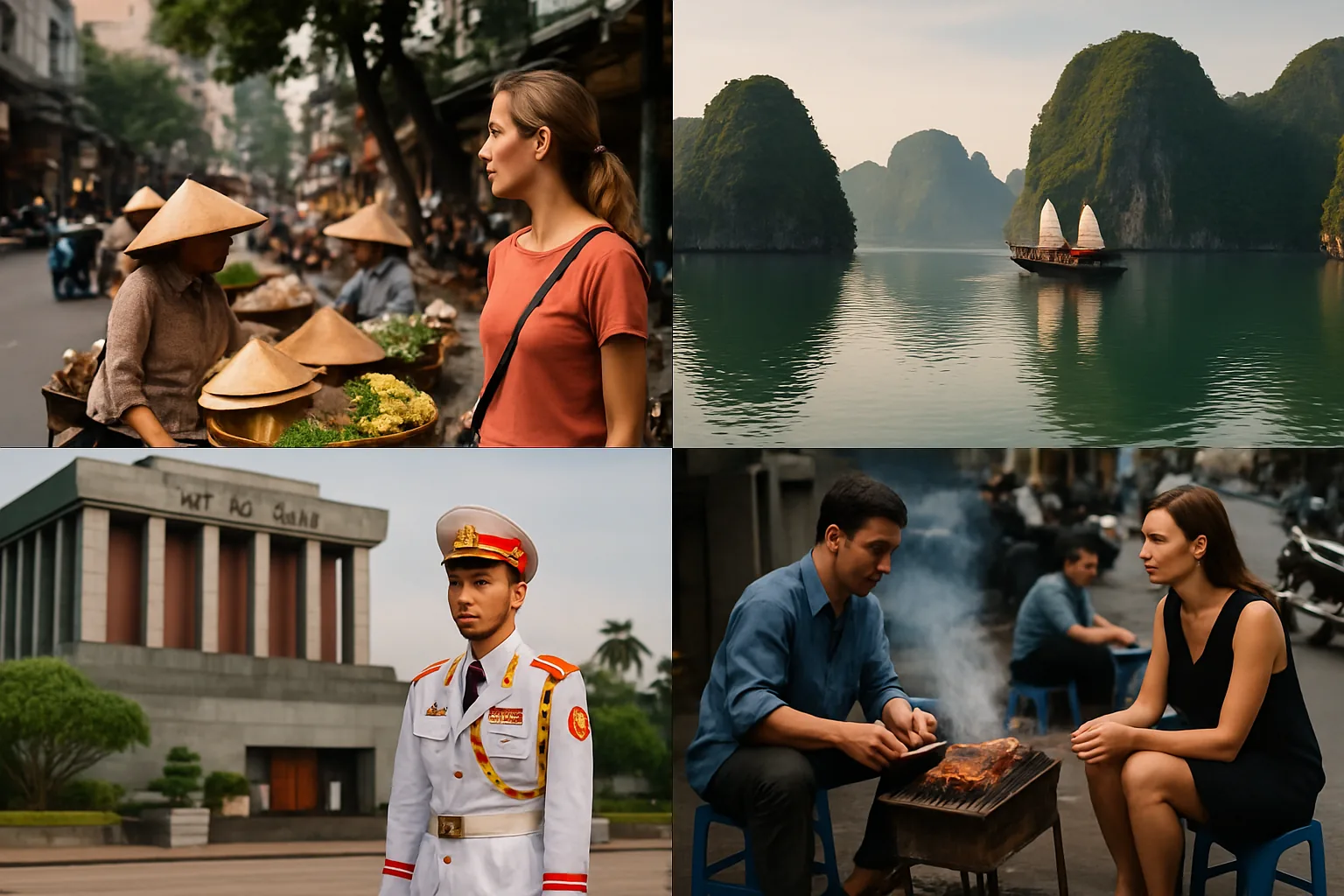
Vietnam is one of those destinations that arrives in your imagination long before you ever set foot there — carried in by war films, half-remembered geography lessons, and the kind of sweeping travel content that flattens a whole country into a single mood. The result is a tangle of vietnam travel myths that can genuinely distort your expectations, shape the wrong packing decisions, and cause you to miss the parts of this country that are actually worth your time. Whether you’re planning your first trip or you’ve already been and want to go deeper, it’s worth untangling what’s real from what’s just noise.
Why Vietnam Gets Misread So Easily
Part of the problem is that Vietnam is genuinely hard to summarise. It stretches over 1,600 kilometres from north to south, contains more than 50 distinct ethnic groups, and moves at wildly different speeds depending on whether you’re in a highland village, a coastal fishing town, or the middle of Ho Chi Minh City at rush hour. When a country contains that many versions of itself, oversimplification is almost inevitable.
The other part of the problem is that a lot of the most widely shared content about Vietnam was created years — sometimes decades — ago, and the country has changed at a pace that makes old impressions genuinely misleading. Vietnam has evolved significantly, but many people still engage with it through outdated stereotypes. That gap between image and reality is exactly where the most interesting travel experiences get lost.
So let’s work through the myths that actually matter — the ones that shape decisions, limit experiences, or simply make Vietnam feel more intimidating than it needs to be.
Busting the Most Persistent Vietnam Travel Myths
Myth 1: Vietnam is still a rural, traditional country where most people are farmers
This is one of the most common misconceptions about Vietnam, and it’s worth addressing head-on. Vietnam is rapidly urbanising, with cities like Hanoi and Ho Chi Minh City functioning as dynamic, modern metropolises with thriving tech scenes, contemporary art spaces, specialty coffee culture, and architectural ambition that surprises most first-time visitors. Yes, rural Vietnam is beautiful and worth exploring — but assuming that’s the whole picture means you’ll arrive completely unprepared for the energy of the cities.
The country’s young population skews the vibe further. A huge proportion of Vietnamese people are under 35, and they’re connected, entrepreneurial, and building something. Spend an afternoon in a Hanoi co-working café or wander through a weekend market in Saigon and you’ll feel it immediately.
Myth 2: The traffic is too dangerous to deal with
Okay — the traffic is chaotic. That part is true. But dangerous for tourists and chaotic to observe are two very different things. Vietnamese traffic operates on a kind of fluid logic that feels overwhelming at first and starts to make sense surprisingly quickly. The key insight is that it moves slowly and continuously rather than in aggressive bursts. Crossing the street isn’t about waiting for a gap — it’s about walking steadily and letting traffic flow around you.
Most travellers find their feet within a day or two. And if you’re genuinely nervous, starting in a smaller city or a quieter neighbourhood before hitting the main boulevards is a perfectly sensible approach. The traffic is part of the texture of Vietnam, not a barrier to it.
Myth 3: Vietnam isn’t safe for solo travellers
Vietnam is consistently considered one of the safer countries to travel in Southeast Asia, with violent crime against tourists being genuinely uncommon. Petty theft — particularly bag snatching from motorbikes — does happen in busier cities, and it’s worth being sensible about how you carry your belongings. But the baseline level of safety is high, and solo travellers — including solo women — report feeling comfortable and welcomed across most of the country.
The more useful conversation isn’t “is Vietnam safe?” but rather “what do I need to know to travel smartly?” Keep your phone out of your hand while walking busy streets, use reputable transport apps rather than flagging random vehicles, and trust your instincts in the same way you would anywhere else.
Myth 4: Vietnamese food is just pho
Pho is extraordinary. But it is one dish in a culinary landscape of staggering depth and regional variation. Bún bò Huế — the spicy beef noodle soup from central Vietnam — is completely different in character. Bánh mì is a world unto itself. Cao lầu, found almost exclusively in Hội An, has a flavour profile that doesn’t exist anywhere else on the planet. Northern Vietnamese food tends to be subtler and less sweet than southern cooking. Central Vietnamese food leans spicier.
→ Read also: Vietnam Beyond the Postcard: What You Actually Need to Know About Hanoi
If you arrive expecting one flavour and one texture, you’ll miss the point entirely. Eat where locals eat, order things you can’t identify, and let the food be a genuine discovery rather than a confirmation of what you already thought you knew.
Myth 5: You need to speak Vietnamese to get around
You don’t — but learning even a handful of words will change how people respond to you. Xin chào (hello), cảm ơn (thank you), and a willingness to laugh at your own pronunciation go a long way. Vietnamese tones are genuinely complex, and locals are generally delighted rather than impatient when visitors make the effort.
In tourist-heavy areas, English is widely spoken. In smaller towns and villages, translation apps and a bit of patience will get you further than you might expect. The language barrier is real but rarely as impenetrable as it sounds on paper.
Myth 6: Vietnam is only for backpackers on a tight budget
Vietnam can absolutely be done on a shoestring — and done brilliantly. But the country has also developed a genuinely strong offering for travellers who want something more considered: boutique guesthouses with real character, farm-to-table restaurants, beautifully designed heritage hotels, and wellness retreats that don’t feel like afterthoughts. The range is enormous, and the value at every level of the market is remarkable compared to most destinations of equivalent quality.
Myth 7: The war is all Vietnam wants to talk about
Vietnam’s history is complex, layered, and worth engaging with seriously. The museums and memorial sites that address the American War are powerful and important. But that history is one thread in a much larger story, and most Vietnamese people are far more focused on the present and future than on relitigating the past with foreign visitors.
If you approach Vietnam only through the lens of conflict, you’ll have a narrow and ultimately distorted experience. The country’s older history — its thousand-year resistance to Chinese domination, the sophistication of the Cham civilisation, the imperial grandeur of Huế — is equally compelling, and its contemporary culture is evolving fast enough to be interesting on its own terms.
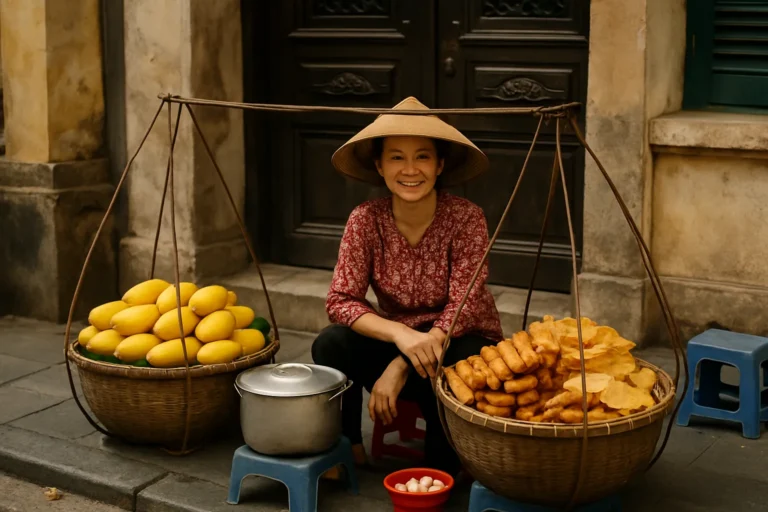
Myth 8: All of Vietnam feels the same
Hanoi and Ho Chi Minh City feel like different countries. The north is cooler, more reserved, more architecturally French-influenced in its older quarters. The south is louder, warmer, more entrepreneurial in energy. The central coast has its own distinct identity entirely. The highlands are something else again. Regional identity in Vietnam runs deep, and the differences you’ll notice between cities and regions aren’t superficial — they reflect genuinely different histories, cuisines, dialects, and ways of moving through the world.
Myth 9: Vietnam is too touristy to feel authentic
The most-visited spots — certain streets in Hội An’s old town, the tourist strip in Hạ Long Bay — can feel crowded and commercialised, especially at peak times. But Vietnam is a large country with an enormous amount of territory that sees relatively few international visitors. Getting even slightly off the main trail — into the hill towns of the northwest, along the less-visited stretches of central coast, into the Mekong Delta’s quieter backwaters — reveals a country that feels completely unperformed.
The trick is not to let the busy zones define your whole impression. Use them as a starting point, then follow your curiosity outward.
Myth 10: Bargaining is aggressive and uncomfortable
Bargaining is a normal part of commerce in many Vietnamese markets, but it’s rarely the hostile negotiation that some travellers dread. It’s usually closer to a conversation — and a brief one at that. A smile, a counter-offer, a moment of good-natured back-and-forth, and you’re done. The key is to approach it lightly rather than as a confrontation. And in many contexts — restaurants, shops with fixed prices, transport apps — there’s no bargaining expected at all.
Myth 11: You need weeks to see Vietnam properly
You could spend months in Vietnam and still feel like you’re just beginning. But a focused week or ten days can be genuinely rich if you resist the urge to race from north to south and back again. Choosing a region and going deep — rather than ticking off every major city in a blur of overnight buses — almost always produces a better experience. Vietnam rewards slowness. The best moments tend to happen when you stop trying to see everything and start actually being somewhere.
→ Read also: Vietnam Beyond the Stereotypes: Hanoi in 3 Days + 11 Debunked Misconceptions
Hanoi vs. Ho Chi Minh City: Which One Is Right for You?
This is one of the most common questions first-time visitors ask, and the honest answer is that they offer genuinely different experiences rather than one being objectively better.
Hanoi is older, more compact, and easier to explore on foot. The Old Quarter’s tangle of narrow streets — historically organised by trade, with streets named after the goods sold there — is one of the most walkable urban environments in Southeast Asia. The city has a slower, more contemplative pace, particularly in the early mornings when locals practice thái cực quyền (tai chi) around Hoàn Kiếm Lake and the streets smell of phở and incense. For first-time visitors who want to feel genuinely embedded in a place rather than just passing through, Hanoi tends to deliver that more easily.
Ho Chi Minh City (still widely called Saigon) is bigger, faster, and more commercially intense. It’s an extraordinary city in its own right — with a food scene that arguably rivals anywhere in Asia, a nightlife culture that runs until dawn, and a creative energy that’s genuinely exciting. But it can also feel overwhelming if you arrive without a plan, and its scale makes it harder to feel like you’ve actually understood it in a short visit.
For travellers with limited time who want depth over breadth, Hanoi’s walkability and concentrated cultural richness make it a strong starting point. For travellers who thrive on urban energy, want to eat their way through a city, and don’t mind a steeper learning curve, Saigon is endlessly rewarding.
A Three-Day Hanoi Framework for Curious Travellers
Rather than a rigid itinerary, think of this as a rhythm — a way of moving through the city that lets it reveal itself gradually rather than ticking boxes.
Day one: Go slow in the Old Quarter. Spend your morning walking without a destination. The Old Quarter is dense enough that you’ll stumble onto something interesting every few minutes — a courtyard temple, a street food cart that’s been in the same family for generations, a narrow alley that opens unexpectedly onto a lake. Eat breakfast where you see locals eating breakfast. In the afternoon, visit Hoàn Kiếm Lake and the Ngọc Sơn Temple, which sits on a small island connected by a red bridge. In the evening, find a rooftop spot and watch the city shift into its night mode.
Day two: Go deeper into history and culture. The Temple of Literature is one of Hanoi’s most significant historical sites — Vietnam’s first university, dating back to the 11th century, and still beautiful in its proportions and calm. The Vietnam Museum of Ethnology is genuinely one of the best museums in Southeast Asia, offering a thoughtful and visually rich introduction to the country’s extraordinary ethnic diversity. In the evening, consider a bia hơi — a street-corner draught beer — which is both extremely cheap and a genuine slice of Hanoi social life.
Day three: Get out of the tourist circuit. Explore the French Quarter’s wide boulevards and faded colonial architecture. Walk along the Long Biên Bridge — the old French railway bridge that still carries pedestrians and motorbikes across the Red River — for a view of the city that most visitors never see. Spend time in the Tây Hồ (West Lake) neighbourhood, which has a more residential, unhurried character and some of the city’s best independent cafés and restaurants. End the day slowly.
Navigating Vietnamese Culture Without Getting It Wrong
A few things genuinely matter here, and they’re not complicated once you know them. Dress modestly when visiting temples and pagodas — this means covering shoulders and knees, and it’s worth carrying a light layer specifically for this purpose. Remove your shoes when entering someone’s home or when you see shoes lined up at a doorway. Greet older people with particular respect; Vietnamese culture places real weight on age and seniority.
Avoid pointing with a single finger — use your whole hand instead. Don’t touch someone’s head. At the table, wait for elders to begin eating before you do. These aren’t arbitrary rules; they reflect a coherent value system around respect and community that, once you understand it, makes Vietnam feel less foreign and more legible.
The Vietcetera platform — a Vietnamese media outlet run by and for a younger Vietnamese audience — is one of the best resources for understanding contemporary Vietnamese culture from the inside, covering everything from food and design to identity and social change.
Ultimately, the most important thing you can bring to Vietnam is genuine curiosity — not the kind that treats the country as an exotic backdrop, but the kind that asks real questions and pays real attention. The vietnam travel myths that distort people’s expectations all share the same root: they flatten something complex into something simple. Vietnam resists that. It rewards the traveller who’s willing to sit with complexity, follow a street without knowing where it leads, and let the country be more than they expected it to be. That’s where the real trip begins.
This article was produced with AI assistance and reviewed editorially.


Sri Lanka in October: Skip the Crowds, Embrace the Adventure

Vietnam Beyond the Guidebook: What You Actually Need to Know


