
Asia
Hanoi in 3 Days: A Local’s Guide to Vietnam’s Most Walkable City
Explore Hanoi in 3 days with this local’s guide covering the Old Quarter, Hoan Kiem Lake, temples, street food, and authentic experiences that make Vietnam’s capital unfo

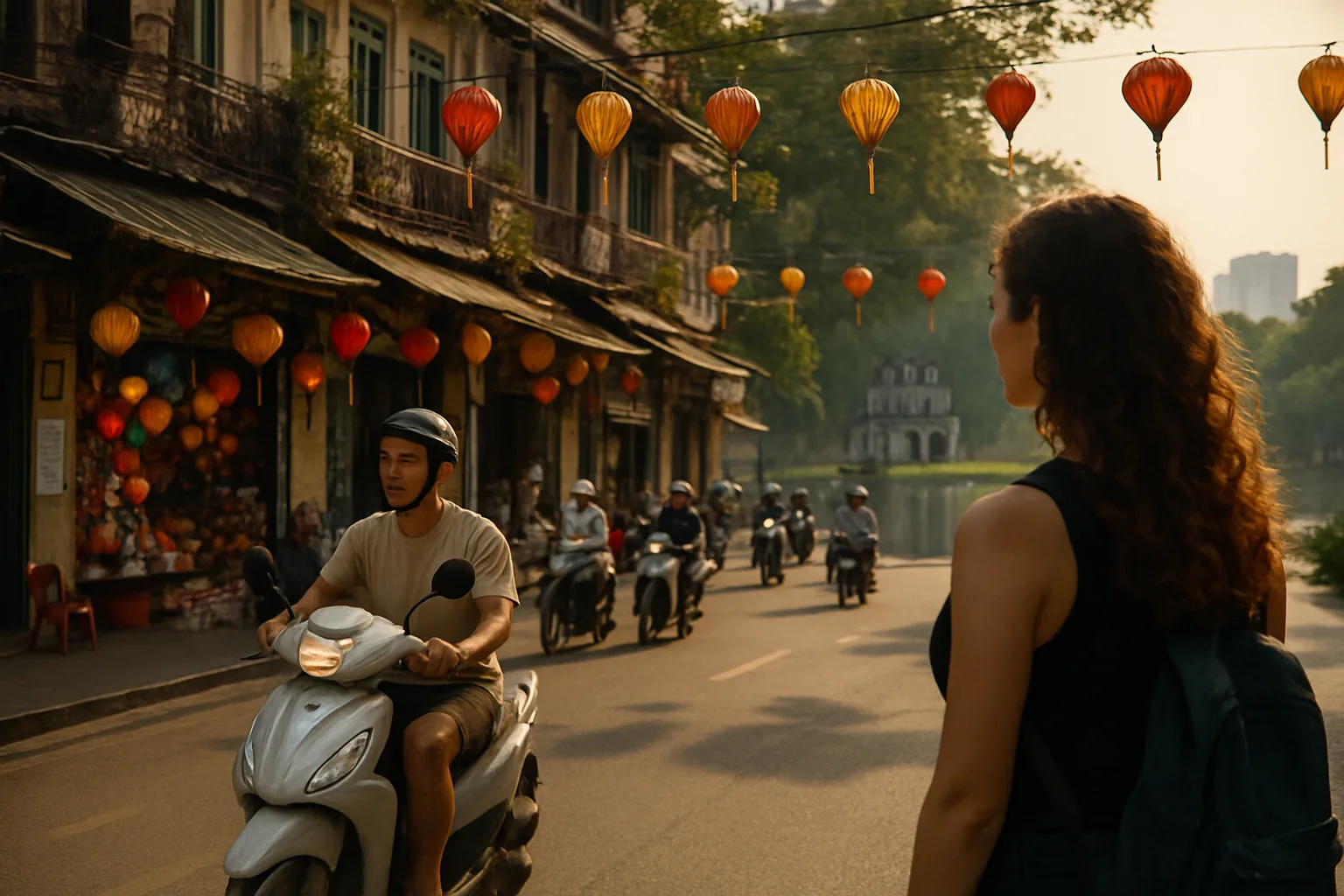
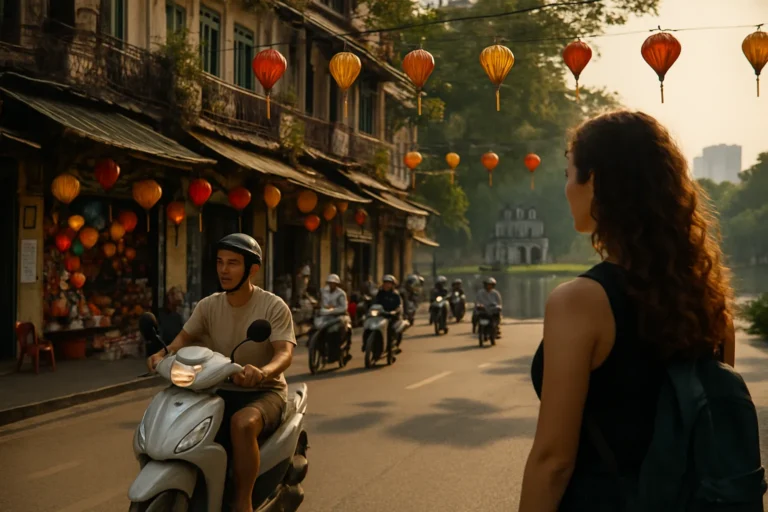
Hanoi has a way of getting under your skin. It’s chaotic and calm at the same time, ancient and buzzing with life, full of contradictions that somehow make perfect sense once you’re standing in the middle of it all. If you’re putting together a 3 days in Hanoi itinerary, you’re making a genuinely smart call — because three days is just enough time to feel the rhythm of this city without rushing through it. Vietnam’s 1,000-year-old capital, home to around 8.6 million people, rewards slow walkers, curious eaters, and anyone willing to let the city lead.
Why Hanoi Deserves More Than a Layover
A lot of travelers treat Hanoi as a pit stop — somewhere to land before heading south to Hoi An or east to Ha Long Bay. That’s a mistake. Hanoi is a destination in its own right, and once you spend a full day wandering its streets, you’ll understand why people who visit for a weekend end up staying for weeks.
What makes Hanoi so compelling is the layering. You’ve got French colonial architecture sitting alongside ancient temples, street vendors cooking beside boutique coffee shops, and a lake at the center of the city that somehow manages to feel like a quiet escape even when it’s surrounded by motorbikes. This isn’t a city that performs for tourists — it just lives, loudly and beautifully, and you get to be part of it for a few days.
The Old Quarter alone could occupy an entire trip. Its narrow streets, each historically named after the goods once sold there, are genuinely fascinating to explore on foot. Silk Street, Paper Street, Tin Street — the names have stuck even as the shops have evolved. You’ll find everything from herbal medicine to wedding decorations to fresh phở within a few blocks of each other. It’s dense, a little overwhelming at first, and completely alive.
Day One: The Old Quarter and Hoan Kiem Lake
Start your first morning early. Hanoi’s Old Quarter is best experienced on foot, and the earlier you’re out, the more you’ll see of the city before the heat and the crowds settle in. Grab a small plastic stool at a street-side phở stall and eat your breakfast the way locals do — quickly, with chopsticks, watching the street wake up around you.
From there, wander without a fixed plan. The Old Quarter’s grid of streets rewards getting slightly lost. You’ll stumble across a courtyard temple, a family-run fabric shop, a narrow alley that opens into a whole hidden neighborhood. This is the kind of city where the best moments aren’t on any map.
By mid-morning, make your way to Hoan Kiem Lake. This is the emotional center of Hanoi — a calm stretch of water surrounded by trees, vendors, joggers, and couples sitting on benches. The Ngoc Son Temple, sitting on a small island connected to the shore by a red bridge, is worth visiting. It’s not grand by Southeast Asian temple standards, but it’s genuinely atmospheric, especially in the early light.
Spend the afternoon exploring the streets immediately around the lake. This area has some of Hanoi’s best café culture — from tiny egg coffee shops tucked up narrow staircases to open-fronted cafés where you can sit for hours and watch the city move. Hanoi’s cà phê trứng, or egg coffee, is something you need to try at least once. It’s rich, slightly sweet, and completely unlike anything you’ve had before.
In the evening, book a ticket to the UNESCO-recognized Water Puppet Show. It’s one of those experiences that sounds touristy on paper but turns out to be genuinely captivating. The art form is centuries old, rooted in the Red River Delta, and watching puppets move across the water with live traditional music is a reminder that you’re in a city with an extraordinarily deep cultural history. It’s a great way to end your first day.
👉 Read also: Southeast Asia Decoded: Hanoi 3-Day Itinerary + Vietnam Misconceptions Debunked
Day Two: Temples, History, and the Street Food Circuit
Day two is for going deeper into Hanoi’s history. Start at the Temple of Literature — Văn Miếu — one of the city’s most important cultural sites. Built in the eleventh century, it was Vietnam’s first national university and remains a beautifully preserved complex of courtyards, pavilions, and stone stelae that record the names of doctoral graduates from centuries past. It’s peaceful in the morning, and the architecture is stunning without being overwhelming.
From there, head toward the Ho Chi Minh Mausoleum complex. Even if you’re not particularly interested in political history, this area of the city is worth visiting for its sheer scale and the contrast it presents with the rest of Hanoi. The Lăng Chủ tịch Hồ Chí Minh sits within a large ceremonial square, surrounded by manicured gardens and government buildings. The One Pillar Pagoda, a tiny lotus-shaped structure rising from a pond, is just nearby and is one of the city’s most photographed landmarks — though its real beauty is in its symbolism rather than its size.
Lunch on day two should be a street food mission. Hanoi has its own distinct food identity, separate from the cuisine of central or southern Vietnam. Look for bún chả — grilled pork patties served with vermicelli noodles and a fragrant dipping broth. It’s a Hanoi specialty, and the best versions come from small, unassuming restaurants that have been doing the same thing for generations. You’ll know you’ve found a good spot when there are locals eating there and nowhere obvious to sit.
The afternoon is a good time to explore the French Quarter, a quieter, more elegant part of the city where wide tree-lined boulevards and colonial-era buildings give Hanoi a completely different feel. The Hanoi Opera House anchors this part of the city, and the streets around it are great for walking, people-watching, and finding some of the city’s more interesting independent shops and galleries.
End the evening in the Old Quarter’s Ta Hien Street area, known locally as Beer Street. It’s rowdy, social, and genuinely fun — a place where travelers and locals mix easily over cold bia hơi, Hanoi’s famously cheap draught beer. It’s not a hidden gem, but it’s a real part of how this city socializes, and that makes it worth experiencing.
Day Three: Slower Mornings and Off-the-Beaten-Path Neighborhoods
By day three, you’ve earned a slower start. Hanoi rewards the traveler who lingers, and your third day is the perfect time to explore the parts of the city that most people miss because they’re busy ticking off the main sights.
Head to the West Lake area — Hồ Tây — in the morning. It’s Hanoi’s largest lake, and the neighborhoods around it have a noticeably different energy from the Old Quarter. You’ll find tree-shaded streets, upscale cafés, and a more relaxed pace. The Tran Quoc Pagoda, sitting on a small peninsula jutting into the lake, is one of the oldest Buddhist temples in Vietnam and genuinely beautiful in the early morning light.
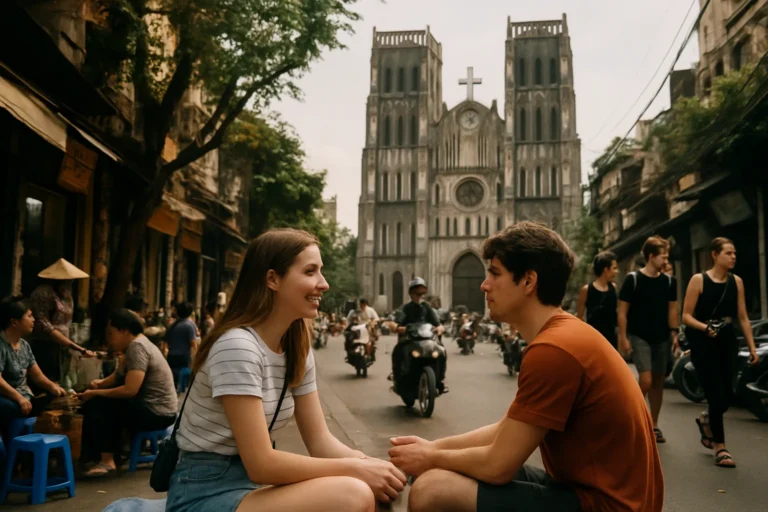
The area around West Lake also has some of Hanoi’s most interesting independent coffee shops. This is a city that takes its café culture seriously — not just as a place to get caffeine, but as a way of spending time. Sitting in a well-designed café with a book or a notebook for an hour isn’t killing time in Hanoi; it’s participating in the culture.
For lunch, try bún bò Nam Bộ — a dry noodle dish with beef, herbs, and roasted peanuts that’s lighter and fresher than many of Hanoi’s richer dishes. It’s a good midday meal before an afternoon of more exploring.
Spend your last afternoon back in the Old Quarter, but this time go looking for the streets you haven’t walked yet. Hanoi’s old city has a way of revealing new details every time you pass through it — a doorway you didn’t notice before, a family cooking in a courtyard, a tiny shrine tucked between two shopfronts. The city doesn’t give everything up at once, which is part of what makes it so compelling.
👉 Read also: Hanoi vs. Saigon: Which Vietnamese City Should You Visit First?
Getting Around: Practical Tips for Navigating Hanoi
Hanoi is genuinely one of the most walkable cities in Southeast Asia, at least within the Old Quarter and the areas immediately surrounding it. For most of your sightseeing, your feet will take you where you need to go. Comfortable shoes are not optional — the streets are uneven, the pavements are often occupied by parked motorbikes, and you’ll be on your feet for hours.
For longer distances — getting to West Lake, the Ho Chi Minh complex, or further-flung neighborhoods — you have a few solid options:
- Ride-hailing apps like Grab are reliable, affordable, and easy to use. You can get across a significant chunk of the city for a small amount of money, and the app handles payment so you don’t need to negotiate fares.
- Xe ôm (motorbike taxis) are available everywhere and can be faster in traffic, though agree on a price before you get on if you’re not using an app.
- Cyclos — the three-wheeled bicycle taxis — are still around in the Old Quarter and are a genuinely enjoyable way to see the streets slowly, though they’re more of an experience than a practical transport option.
- Walking remains the best way to experience the Old Quarter. The streets are narrow, the traffic is constant, and the only way to really see everything is at a pace that lets you stop, look, and wander.
One thing to know about crossing the road in Hanoi: it looks terrifying, and it is slightly terrifying, but the system works. Walk at a steady, predictable pace and the motorbikes will flow around you. Don’t freeze, don’t sprint, and don’t wait for a gap that isn’t coming. You’ll get the hang of it quickly.
When to Go and What to Pack
Hanoi has four distinct seasons, which sets it apart from most of Southeast Asia. The most comfortable time to visit is during the cooler, drier months — roughly from October through April — when temperatures are pleasant for walking and the humidity is manageable. Summers can be genuinely hot and rainy, though the city is still very much worth visiting year-round.
Pack light, but pack smart. Lightweight, breathable clothing works for most of the year, but if you’re visiting between November and February, bring a layer or two — Hanoi can get genuinely cool, especially in the evenings. A compact rain jacket is useful in any season.
Comfortable walking shoes are essential. A small day bag for carrying water, snacks, and a camera is all you really need. Leave the big backpack at the hotel and travel light through the streets — you’ll enjoy the city more for it.
Making the Most of Your 3 Days in Hanoi
The best 3 days in Hanoi itinerary isn’t the one that fits the most landmarks into the least time. It’s the one that leaves room for the unexpected — the alley you ducked into because something smelled good, the conversation you had with a guesthouse owner, the hour you spent sitting by the lake watching the city breathe. Hanoi rewards curiosity more than efficiency.
If you want to go deeper into the city’s history and culture, GetYourGuide’s Hanoi weekend guide has a useful overview of key experiences and tours worth considering for a short stay.
Come with an open schedule, a willingness to eat things you can’t fully identify, and a readiness to be slightly overwhelmed in the best possible way. Hanoi is the kind of city that doesn’t just show you a good time — it gives you stories you’ll still be telling years from now, to anyone who’ll listen.
Three days is a beginning. For most people who visit, it’s also the start of a long and complicated love affair with a city that refuses to be summarized, simplified, or forgotten.
This article was produced with AI assistance and reviewed editorially.


Travel on a Shoestring: How Young Travelers Are Exploring the World for Less

Hanoi in 3 Days: A Local’s Guide to Vietnam’s Most Walkable City


