
Asia
Southeast Asia on a Shoestring: Budget Routes Across Thailand, Vietnam & Cambodia
Travel Southeast Asia cheaply with real itineraries across Thailand, Vietnam & Cambodia. Learn visa strategies, border crossings, and honest daily costs from $40–$60.

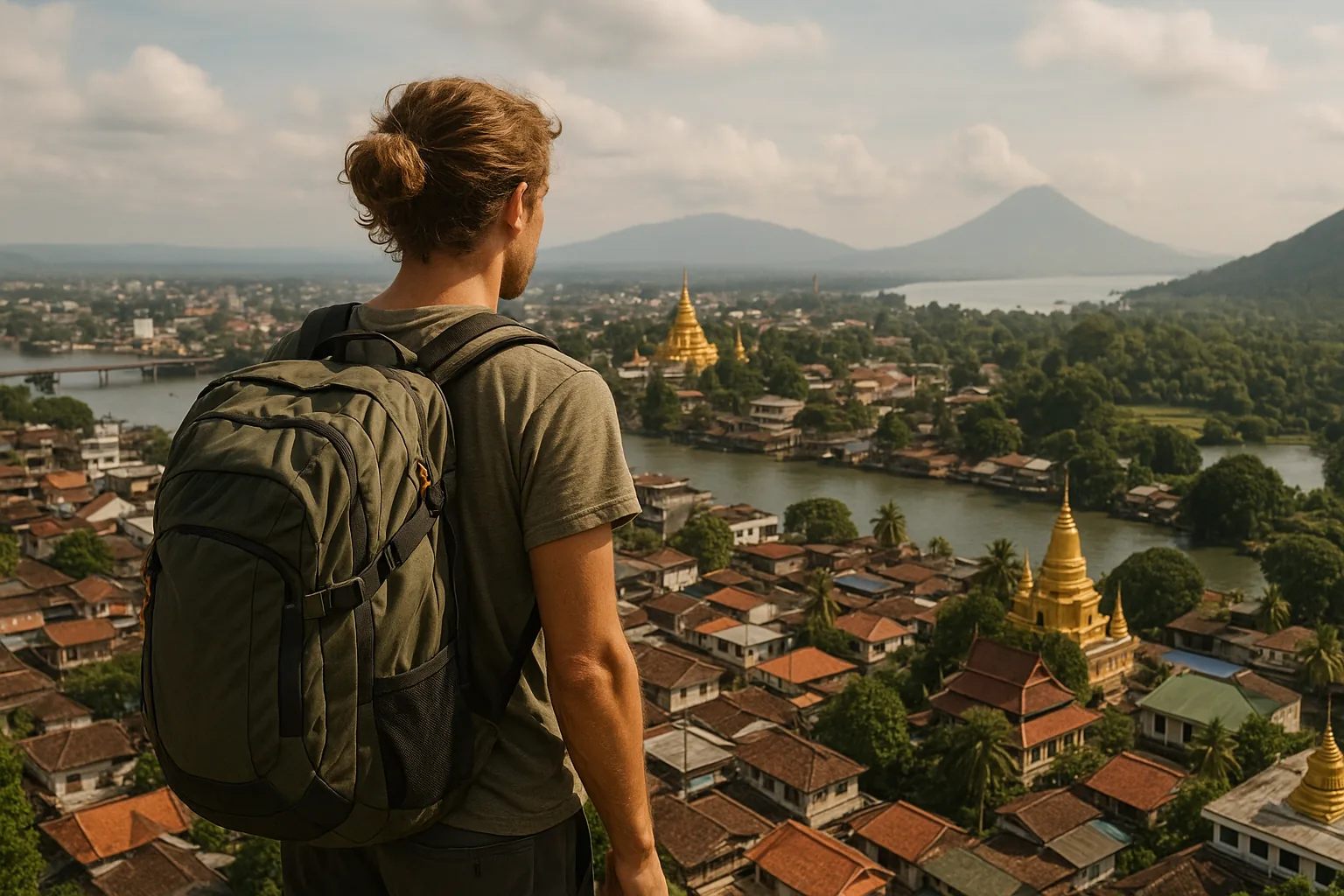
There’s a reason the Banana Pancake Trail keeps pulling in a new generation of travelers every single year. Budget backpacking Southeast Asia is one of the most rewarding things you can do with a few weeks, an open mind, and a willingness to figure things out as you go. Thailand, Vietnam, and Cambodia alone offer an almost overwhelming variety of landscapes, cultures, street food, and human connection — and the region remains genuinely affordable in ways that much of the world simply isn’t anymore. Whether you’re stepping off a plane for the first time or returning for another lap of the classic trail, this guide will help you travel smarter, spend less, and come back with stories worth telling.
Understanding the Classic Route and Why It Works
The so-called Banana Pancake Trail — the well-worn backpacker circuit connecting Thailand, Laos, Vietnam, Cambodia, and surrounding countries — exists for good reason. It’s not just a tourist cliché. The route makes logistical and financial sense. Overland travel between these countries keeps costs lower than hopping between flights, lets you absorb the gradual shift in culture and landscape, and gives you the flexibility to slow down whenever somewhere grabs you.
A typical starting point is Bangkok, Thailand’s chaotic, electric capital. From there, most travelers head either north toward Chiang Mai and the Laos border, or east through Cambodia toward Vietnam. Both directions work. The key is not to rush. Southeast Asia rewards patience. The traveler who spends five days in a small town they hadn’t planned on often ends up with the best stories.
Content creators like Paddy Doyle — who has traveled the route multiple times and built a following of over 340,000 subscribers documenting his journeys — have helped demystify the trail for a new generation. His approach reflects what experienced backpackers have known for years: the region is navigable, affordable, and endlessly surprising when you’re willing to go beyond the highlights reel.
What Budget Backpacking Southeast Asia Actually Costs
Let’s talk numbers honestly, because vague reassurances don’t help you plan. The range is genuinely wide. On the lower end, budget Asia tours can start from around $42 per day, which typically covers a bed in a hostel dorm, street food meals, and local transport. On the higher end, a structured three-country experience through Thailand, Cambodia, and Vietnam — including a Halong Bay cruise, 3-star hotels, and guided itineraries — runs closer to $130 per day.
Most independent backpackers land somewhere in between. If you’re comfortable in dorm rooms, eating where locals eat, and taking overnight buses instead of flights, you can travel comfortably on $40–$60 a day across much of the region. Vietnam and Cambodia tend to be slightly cheaper than Thailand, where tourist infrastructure has driven prices up in popular spots. That said, Thailand also offers some of the best value in terms of quality — a $10 meal in Chiang Mai can be genuinely excellent.
The biggest budget killers are usually the things people don’t plan for: activities and excursions (boat tours, temple entry fees, cooking classes), drinking, and impulse flights. Build a buffer. If you plan for $50 a day and spend $45, great. If you plan for $30 and hit an unexpected visa fee or a delayed bus that costs you a night’s accommodation, it throws everything off.
- Accommodation: Hostel dorms from $5–$12/night; private rooms from $15–$30/night
- Food: Street food meals from $1–$4; sit-down local restaurants $4–$8
- Transport: Overnight buses $10–$25; local tuk-tuks and motorbike taxis $1–$5
- Activities: Temple entry fees $3–$20; boat tours $15–$60 depending on duration
- Visas: Variable — some countries offer free entry for certain passports, others charge $25–$50
Navigating Borders, Visas, and Overland Crossings
This is where a lot of first-time backpackers get nervous, and it’s understandable. Crossing a land border in Southeast Asia sounds complicated. In reality, it’s one of the most straightforward parts of the journey — as long as you’ve done basic preparation.
The first thing to do is check your passport’s visa requirements for each country you’re entering. Requirements vary significantly by nationality. Many countries in the region offer visa-on-arrival or e-visa options, which you can arrange online before you travel. Doing this in advance removes stress at the border and often saves time. For Vietnam, the e-visa system is now well-established and covers most nationalities. Cambodia offers e-visas and visa-on-arrival at major crossings. Thailand has a visa exemption for many passport holders for stays of up to 30 or 60 days, depending on nationality.
👉 Read also: Southeast Asia on a Shoestring: Rookie Mistakes, Budget Hacks, and Real Costs
Popular overland crossings include the route from Bangkok to Siem Reap in Cambodia (via Poipet), the crossing from Cambodia into Ho Chi Minh City in Vietnam (via Moc Bai), and the northern route from Vietnam into Laos. These crossings are well-traveled and well-documented. You’ll find buses and minivans specifically designed for backpackers doing these routes, often bookable through your hostel or a local travel agent.
A few things to keep in mind at land borders: carry US dollars — they’re widely accepted for visa fees across the region. Keep passport photos on hand (some crossings still ask for them). And be patient. Border crossings can take anywhere from 30 minutes to several hours depending on the day, the crossing, and how many tour buses arrive at the same time as you.
One practical tip that experienced backpackers swear by: never book a non-refundable onward ticket until you’re confident in your border timeline. Delays happen. Build buffer days around crossings, especially if you have a flight to catch on the other side.
Three Days in Hanoi: What to Actually Expect
Hanoi divides people. Some travelers arrive, get overwhelmed by the traffic and the noise, and immediately want to leave. Others fall completely in love with it within 24 hours. The truth is that Hanoi rewards curiosity. It’s not a city that reveals itself instantly — it unfolds gradually, through the smell of phở on a cold morning, a conversation with a local in a street-side coffee shop, or getting genuinely lost in the Old Quarter.
Three days is enough to get a real feel for the city without rushing. On your first day, walk the Old Quarter slowly. Don’t try to tick off landmarks — just wander. The streets are organized by trade (silk street, paper street, tin street), and the architecture tells centuries of layered history. Stop for bún chả for lunch, which you’ll find at small plastic-table spots that have been serving the same recipe for decades. In the evening, grab a cheap bia hơi — fresh draft beer — from a street corner and watch the city move around you.
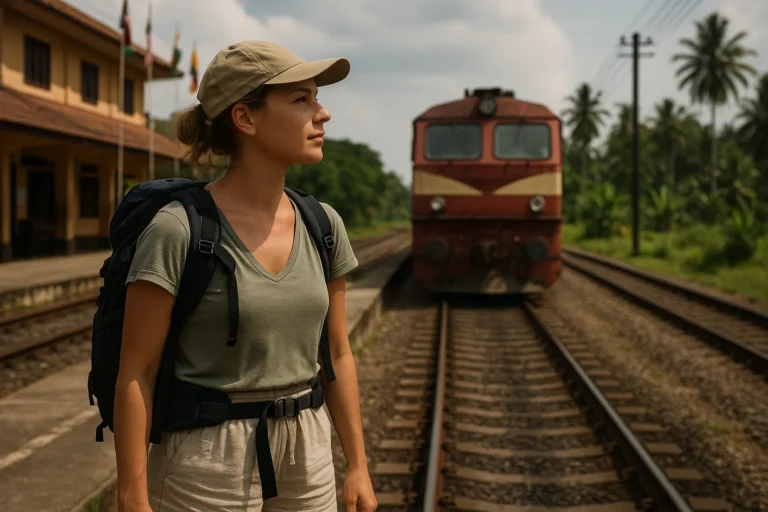
On day two, head to Hoan Kiem Lake in the morning when locals are doing their tai chi and walking routines. Visit the Temple of the Jade Mountain on the small island in the lake. In the afternoon, the Vietnam Museum of Ethnology is one of the best museums in the country — genuinely interesting, well-curated, and not overly crowded. That evening, if you can get a ticket, the Water Puppet Theatre near the lake is a traditional performance unlike anything you’ll see elsewhere.
Day three is ideal for a half-day trip out of the city — the Perfume Pagoda or the villages around Hanoi are accessible and give you a completely different perspective on Vietnamese life beyond the capital. Come back for one last bowl of phở before your overnight bus or train south.
On the topic of Vietnam misconceptions: the traffic looks terrifying before you cross the road for the first time. After that, it becomes almost meditative. The trick is to walk slowly and steadily — motorbikes flow around you like water. Don’t freeze, don’t sprint. The food is safe to eat at street stalls (locals eat there every day), and Vietnam is, by most measures, an extremely safe country for solo travelers of all backgrounds.
Cambodia: Beyond Angkor Wat
Most people come to Cambodia for Angkor Wat, and it absolutely deserves its reputation. Watching the sunrise over those ancient towers, reflected in the still water of the moat, is the kind of moment that stays with you. But Cambodia has more to offer than its most famous temple complex, and the budget traveler who takes time to explore finds a country that’s both heartbreaking and quietly beautiful.
👉 Read also: Southeast Asia on a Shoestring: Budget Travel Guide to Border Crossings & Regional Itineraries
Siem Reap, the gateway city to Angkor, has developed a strong backpacker scene with affordable guesthouses, excellent food, and a vibrant night market. Spend at least two days at the temples — Angkor Wat is just one of dozens in the complex, and Ta Prohm (the one being slowly consumed by tree roots) and Bayon (with its enormous carved faces) are equally extraordinary.
Further south, Phnom Penh is a city that asks something of you emotionally. The Tuol Sleng Genocide Museum and the Killing Fields memorial at Choeung Ek are difficult but important. Visiting them is not about dark tourism — it’s about understanding modern Cambodian history and the resilience of the people who rebuilt from it. Give yourself time to process after visiting. The city’s riverside cafés and local markets are good places to sit quietly and reflect.
For beach time, Koh Rong and Koh Rong Samloem offer some of the most beautiful and still-relatively-unspoiled islands in the region. Ferries run from Sihanoukville, and while the mainland town itself has changed significantly in recent years, the islands retain a laid-back, off-grid energy that’s increasingly rare in Southeast Asia.
Thailand’s Northern Circuit: Chiang Mai and Beyond
If Bangkok is Southeast Asia’s pulse, Chiang Mai is its breath. The northern capital is slower, cooler in temperature, and surrounded by mountains that beg to be explored. It’s also one of the most budget-friendly cities in the region — your money genuinely goes further here than almost anywhere else on the trail.
The Sunday Walking Street market in Chiang Mai is one of the best markets in all of Southeast Asia: local crafts, street food, live music, and a real community atmosphere rather than a tourist trap. Cooking classes are popular here and worth the small investment — you’ll learn to make dishes you’ll attempt (with mixed results) at home for years afterward.
From Chiang Mai, the Mae Hong Son Loop — a motorbike route through mountain villages, waterfalls, and hill tribe communities — is one of the great road trip experiences in Asia. You can rent a motorbike for a modest daily fee and take two to four days to complete the loop, camping or staying in guesthouses along the way. It requires some riding experience and confidence, but the rewards are significant: landscapes that feel genuinely remote, and encounters with communities that tourist buses never reach.
Smart Habits That Keep Your Budget Intact
Experienced backpackers develop certain instincts over time. Here are the ones that make the biggest difference when you’re trying to stretch your money without sacrificing the experience.
- Travel overnight when possible. An overnight bus or train saves you a night’s accommodation while covering distance. It’s not always comfortable, but it’s efficient — and sometimes the journey itself becomes part of the story.
- Eat where locals eat. The best food in Southeast Asia is almost always the cheapest. Follow the crowds at lunchtime, look for plastic stools and hand-written menus, and trust your instincts. A busy stall is a safe stall.
- Book accommodation flexibly. Booking one or two nights in advance is usually enough. Locking in a full itinerary months ahead removes spontaneity and often costs more. Hostels in popular areas rarely fill up on weekdays.
- Use local SIM cards. Buying a local SIM at the airport or a convenience store is cheap and gives you reliable data for maps, translation apps, and staying in touch. Don’t rely on roaming.
- Negotiate respectfully, not aggressively. Bargaining is normal in markets. A smile and a reasonable counteroffer will get you further than hard-nosed haggling. Remember that the difference between your price and theirs is often tiny to you and meaningful to them.
- Join group tours for big-ticket experiences. Activities like Halong Bay cruises or island-hopping tours are significantly cheaper when booked as part of a group. Hostel noticeboards and reception desks are often the best source for these deals.
One more thing worth saying directly: budget backpacking Southeast Asia is not about being cheap for its own sake. It’s about making deliberate choices so that your money goes toward experiences that matter to you. Spend on the sunrise boat tour. Skip the overpriced airport cocktail. Know the difference, and travel accordingly.
Southeast Asia has a way of getting under your skin. You’ll plan for three weeks and start looking at flights for a return trip somewhere around day ten. The food will surprise you, the people will humble you, and the landscapes — from the limestone karsts of Halong Bay to the temple-dotted plains of Siem Reap — will give you the kind of visual memories that don’t fade. Go with a rough plan, a flexible attitude, and enough buffer in your budget to say yes when something unexpected comes up. That’s where the best parts usually happen. For more inspiration on building your route, BestPrice Travel’s Thailand-Cambodia-Vietnam itinerary guide is a solid starting point for understanding the logistics of the classic three-country loop.
This article was produced with AI assistance and reviewed editorially.


Southeast Asia on a Shoestring: Budget Routes Across Thailand, Vietnam & Cambodia

Southeast Asia Decoded: Hanoi 3-Day Itinerary + Vietnam Misconceptions Debunked


