
Itineraries
Exploring Thailand’s Islands & Coasts: Koh Lanta, Chiang Mai Burning Season & 1–4 Week Itineraries
Plan your Thailand itinerary with flexible frameworks for 1, 2, 3, or 4 weeks. Explore Koh Lanta, Chiang Mai, and seasonal travel tips for 2026.

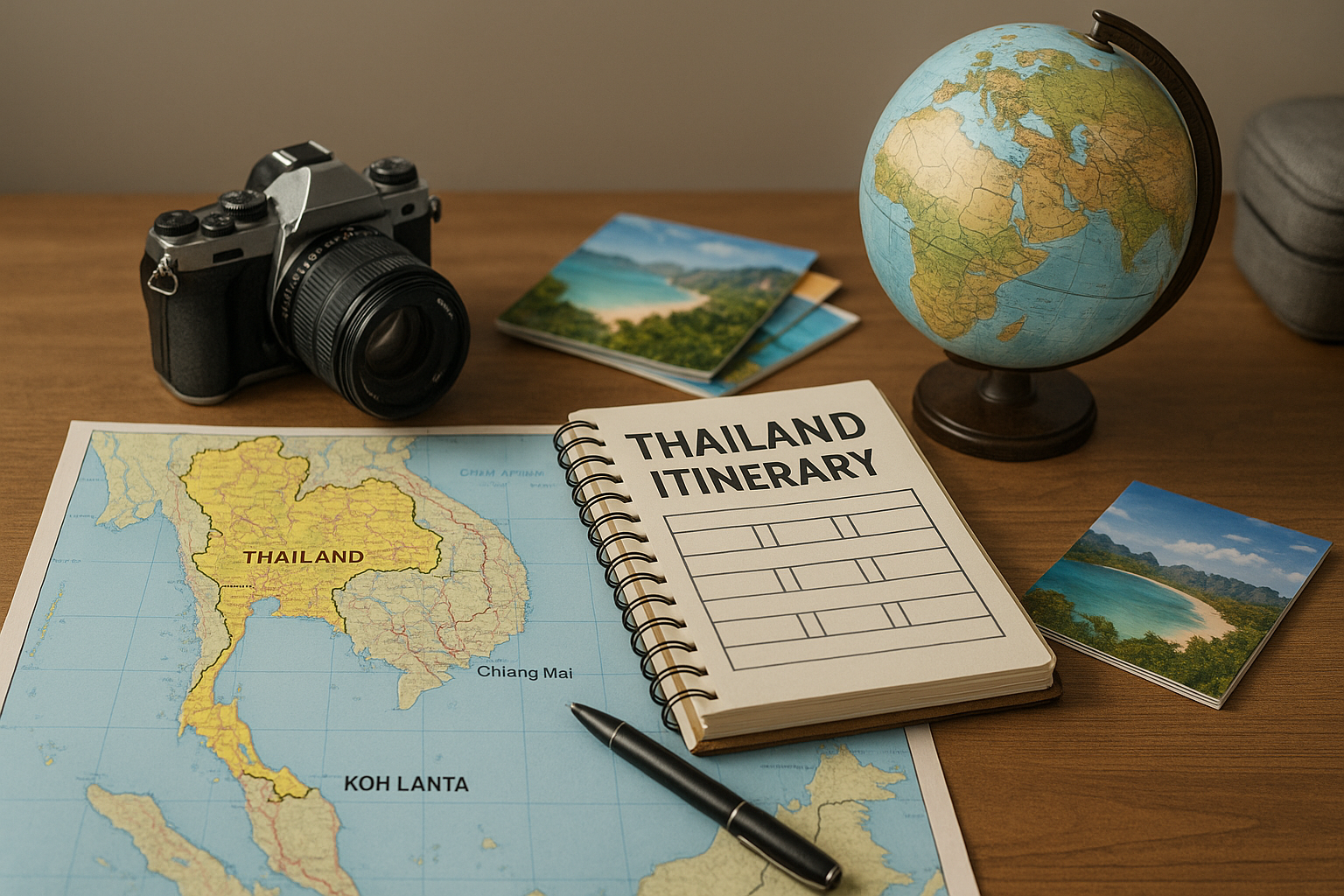
Your Complete Thailand Itinerary: Islands, Mountains, and Everything In Between
Thailand has a way of getting under your skin. You arrive for two weeks and start wondering how to extend your visa. You go for the beaches and end up staying for the food, the temples, the people, and the feeling that you’ve somehow stumbled into a place that rewards curiosity at every turn. Whether you’re building a thailand itinerary from scratch or trying to figure out how to fit Chiang Mai, Koh Lanta, and a handful of islands into a single trip, this guide is your starting point. We’ll cover the destinations worth your time, the seasonal realities you need to know about, and flexible frameworks you can adapt to any trip length — one week, two, three, or four.
Why Thailand Still Delivers for Young Travelers
Thailand isn’t a new discovery. It’s been on the backpacker circuit for decades. But here’s the thing — it keeps delivering. The country has an extraordinary range packed into a relatively compact geography. You can spend the morning in a misty northern mountain town, board an overnight train, and wake up a short journey from turquoise water. The food scene is world-class at street level. The culture is layered, the people are genuinely welcoming, and the infrastructure for independent travelers is solid without being sterile.
What makes Thailand particularly good for younger travelers is the flexibility it offers. You can go deep on one region or skim several. You can spend almost nothing or spend a bit more for comfort. You can plan obsessively or leave entire days open to chance. Few countries handle that kind of traveler range as gracefully as Thailand does.
The North vs. The South: Understanding the Divide
Before you start building your thailand itinerary, it helps to understand the fundamental split that shapes every trip here: north versus south.
Northern Thailand
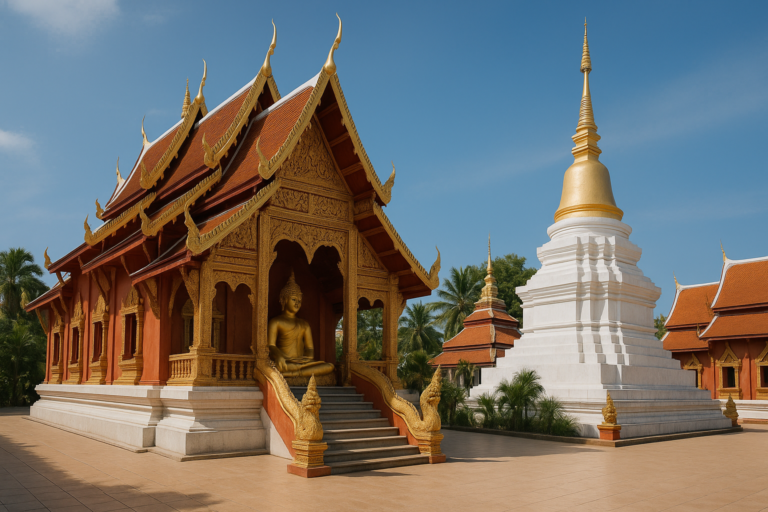
Chiang Mai is the anchor of the north. It’s a city with a walled old town full of temples, a thriving café culture, excellent cooking classes, and easy access to mountain villages, elephant sanctuaries, and trekking routes. The pace is slower than Bangkok. The food scene is distinct — northern Thai cuisine has its own identity, heavier on herbs and fermented flavors. If you care about culture, history, and outdoor adventure in cooler temperatures, the north belongs in your plans.
Beyond Chiang Mai, northern Thailand opens up into Chiang Rai, the Golden Triangle, Pai, and a network of smaller towns that reward slower travel. This is the region for motorbike loops, homestays, and mornings spent watching monks collect alms at sunrise.
Southern Thailand
The south is where Thailand’s island reputation lives. The Gulf of Thailand and the Andaman Sea offer two distinct coastlines, each with their own personality and their own weather patterns. The Gulf side — Koh Samui, Koh Phangan, Koh Tao — tends to stay drier when the Andaman side is getting hit by the southwest monsoon, and vice versa. That’s useful to know when you’re planning around seasons.
The Andaman coast includes the Krabi area, the Phi Phi Islands, and further south, Koh Lanta — one of the most underrated islands in the country and a destination we’ll explore in detail below.
Koh Lanta: The Island That Doesn’t Try Too Hard
If you’ve been to Koh Phi Phi and found it a little overwhelming, or if Phuket feels too developed for your taste, Koh Lanta is the answer. It’s an island that bridges laid-back Thai charm with effortless, independent travel — a place with lovely beaches that works well as a reliable base for days or even weeks at a time.
Travelers who’ve spent extended periods on Koh Lanta consistently describe it as one of those rare places that doesn’t feel like it’s performing for tourists. The beaches are genuinely beautiful without the infrastructure overload you find elsewhere. The island has a long, relatively flat western coastline where most of the accommodation and beach life is concentrated, and a wilder, less-visited eastern side that faces the mangroves and the mainland.
What to Expect on Koh Lanta
The vibe here is unhurried. Mornings are for swimming and reading on the beach. Afternoons might involve renting a scooter and exploring the southern end of the island, where the national park begins and the crowds thin out considerably. Evenings settle into beachside restaurants with fresh seafood and cold drinks as the sun drops into the Andaman Sea.
Koh Lanta also has a small but genuine local community — the island has a long history as a fishing settlement, and the old town on the eastern coast is one of the more authentic spots you’ll find in the Thai south. Walking through it feels different from the tourist-facing west coast. There are stilted wooden shophouses, a small Muslim community, and a slower pace that feels genuinely lived-in.
Budget and Accommodation on Koh Lanta
Koh Lanta sits comfortably in the budget-to-mid-range sweet spot. You’ll find guesthouses and bungalow operations scattered along the beach road, ranging from basic fan rooms steps from the sand to small boutique places with pools. The island hasn’t seen the same level of luxury resort development as Koh Samui or parts of Phuket, which keeps the overall feel more accessible and the prices more reasonable. For budget travelers, it’s one of the better value islands in the south.
The best approach is to book a night or two in advance and then walk the beach road to find something that suits you. Most accommodation is concentrated along the western coast, and the further south you go, the quieter and generally cheaper things get.
Best Time to Visit Koh Lanta
Koh Lanta’s high season runs roughly from November through April, when the Andaman coast is at its driest and calmest. The sea is clear, the weather is warm, and this is when the island is at its most accessible. Outside of this window — particularly from May through October — the southwest monsoon brings heavy rain and rough seas, and many businesses close entirely. If you’re visiting between November and early April, you’re in good shape. North Abroad’s Koh Lanta travel guide offers a useful current-perspective look at what the island is like on the ground.
Chiang Mai’s Burning Season: What You Need to Know
Here’s something that doesn’t make it into enough Thailand travel content: if you’re planning to visit Chiang Mai, you need to know about the burning season. It’s one of the most significant seasonal factors affecting travel in northern Thailand, and ignoring it can genuinely affect your health and your experience.
What Is the Burning Season?
The burning season in Chiang Mai is a period of severe air pollution caused primarily by agricultural burning — farmers clearing fields across northern Thailand and neighboring countries — combined with the geography of the Chiang Mai valley, which traps smoke and haze. The result is some of the worst urban air quality you’ll encounter anywhere in Southeast Asia.
The period from January through March is broadly known as the smoky season, when air quality begins to deteriorate significantly. By March and into April, things reach their worst. During peak burning season, the Air Quality Index in Chiang Mai regularly climbs past 150 — which is classified as unhealthy for everyone — and on the worst days, AQI readings have been recorded above 300, which falls into the hazardous category. By March, Chiang Mai has repeatedly appeared on global lists of cities with the worst air quality in the world. That’s not a minor inconvenience — it’s a genuine health consideration, especially if you have any respiratory conditions. CNX Local’s local guide to burning season breaks this down in practical detail from a resident’s perspective.
When Exactly Does It Happen?
The burning season typically runs from mid-February through April, with the peak intensity concentrated in March and into early April. The haze continues until the southwest monsoon arrives in May, which brings rain that clears the air. So if you’re planning a Chiang Mai visit between November and January, you’re largely fine. February starts to get borderline. March and April are the months to think carefully about.
Should You Skip Chiang Mai During Burning Season?
Not necessarily — but you should go in with realistic expectations and take precautions. Here’s what actually helps:
- Wear a proper mask. A standard surgical mask won’t cut it for fine particulate matter. Look for N95 or KN95 masks, which filter the particles that cause the most damage.
- Check the AQI daily. Apps and websites that track real-time air quality data will tell you what you’re walking into. On genuinely bad days, limit your time outdoors.
- Choose accommodation with air filtration. Many guesthouses and hotels in Chiang Mai now have air purifiers in rooms specifically because of the burning season. Ask before you book.
- Plan indoor activities on the worst days. Chiang Mai has excellent cooking classes, markets, museums, and café culture that works just as well when the air outside is thick.
- Consider shifting your northern Thailand visit. If you have flexibility, November through January offers Chiang Mai at its most comfortable — cooler temperatures, clear skies, and none of the haze.
The burning season is one of the most important seasonal considerations when building a thailand itinerary that includes the north. Plan around it when you can.
Building Your Thailand Itinerary: Flexible Frameworks by Trip Length
One of the best things about Thailand is that it scales well to different trip lengths. A week gives you a real taste. Two weeks lets you combine north and south properly. Three or four weeks opens up the slower, deeper travel that the country genuinely rewards. Here’s how to think about each.
One-Week Thailand Itinerary
A week in Thailand means making a choice: go deep in one region rather than trying to cover everything. Attempting to squeeze Bangkok, Chiang Mai, and southern islands into seven days will leave you exhausted and underwhelmed by all of them.
The smartest one-week approach is to pick a focus. If you want beaches and warmth, fly into Bangkok, spend a day or two there (it’s worth it — Bangkok is genuinely one of the world’s great cities for eating and exploring), then head south to the islands. Koh Lanta, Koh Tao, or Koh Phangan each work well as a four-to-five day base. If you want culture and adventure, stay north: Bangkok plus Chiang Mai gives you a solid, satisfying week without the exhaustion of constant movement.
Two-Week Thailand Itinerary
Two weeks is the sweet spot for combining north and south. A classic structure that works well: start in Bangkok for two to three days, head north to Chiang Mai for three to four days, then fly south to the islands for the remaining time. This gives you the cultural depth of the north and the relaxed beach time of the south without feeling rushed in either place.
Within this framework, Koh Lanta works particularly well as a two-to-three day island stop, especially if you’re coming from the Krabi area. You can combine it with a day trip to the surrounding islands or simply use it as a place to decompress before heading home.
Three-Week Thailand Itinerary
Three weeks lets you breathe. You can add Chiang Rai or Pai to your northern loop, spend more time island-hopping in the south, and leave room for the kind of spontaneous detours that make travel memorable. This is the length where Thailand really opens up — you stop rushing between highlights and start discovering the spaces in between.
A three-week thailand itinerary might look like: Bangkok (three days), Chiang Mai and surroundings (five to six days), overnight train south, a couple of days in Krabi or Ao Nang, then time split between two or three islands before a final night back in Bangkok before your flight.
Four-Week Thailand Itinerary
A month in Thailand is a genuine luxury, and the country rewards it. With four weeks, you can explore the northeast (Isaan region), spend time in smaller towns that rarely make it into shorter itineraries, go deep on a cooking course in Chiang Mai, or simply slow down on an island and let the rhythm of the place take over. Koh Lanta, for example, is the kind of island where spending two to three weeks — not just days — makes complete sense. The longer you stay, the more it reveals.
For longer trips, think in terms of chapters rather than a day-by-day schedule. Give each region a week, build in buffer days, and resist the urge to over-plan. Some of the best Thailand memories come from missing a bus and ending up somewhere you hadn’t considered.
Practical Tips for Planning Your Trip
Getting Around
Domestic flights in Thailand are affordable and frequent, making north-to-south transitions easy. Overnight trains are a classic option — you save on accommodation and wake up somewhere new. Minivans and buses connect most destinations for budget travelers, though journey times can be longer than you’d expect. On islands, songthaews (shared pickup trucks) and scooter rentals are the standard.
Seasonal Timing
The general rule: November through February is the most comfortable time to visit most of Thailand — cool in the north, dry on the Andaman coast, and manageable everywhere else. March and April bring heat and the burning season in the north. May through October is monsoon season, which affects different coasts at different times. The Gulf coast (Koh Samui side) can actually be a good option when the Andaman side is getting heavy rain. Understanding this split is key to planning a thailand itinerary that works with the weather rather than against it. The Blonde Abroad’s island-hopping guide covers the seasonal nuances of the southern islands in useful detail.
Budget Considerations
Thailand is one of Southeast Asia’s best-value destinations, but costs vary significantly by region and travel style. The south — particularly the more developed islands — tends to be pricier than the north. Street food remains extraordinarily affordable everywhere. Accommodation ranges from very basic guesthouses to comfortable mid-range options that won’t break a young traveler’s budget. The key is to mix: eat local, stay simple, and spend your money on experiences rather than comfort upgrades you won’t remember.
Final Thoughts: Make It Your Own
The best thailand itinerary isn’t the one that ticks the most boxes — it’s the one that matches how you actually want to travel. Some people want to move fast and see everything. Others want to find one place and go deep. Thailand accommodates both, and everything in between. Whether you end up spending three weeks on Koh Lanta’s quiet beaches, waking up early to watch the sunrise over Chiang Mai’s old city walls, or eating your way through Bangkok’s street food scene one neighborhood at a time, the country has a way of making every version of the trip feel like the right one. Start with a rough plan, stay curious, and let Thailand do the rest.
This article was produced with AI assistance and reviewed editorially.


Vietnam Uncovered: Beyond the Chaos, Into the Real Story

Beyond the Guidebook: What Hanoi Actually Feels Like


