
Europe
European Hiking Escapes: Where to Stay in Croatia’s Korcula & the UK’s Peak District (2026)
Discover two stunning hiking destinations in Europe beyond the crowds. Explore Croatia’s Korcula Island and the UK’s Peak District with trail guides and budget lodging ti

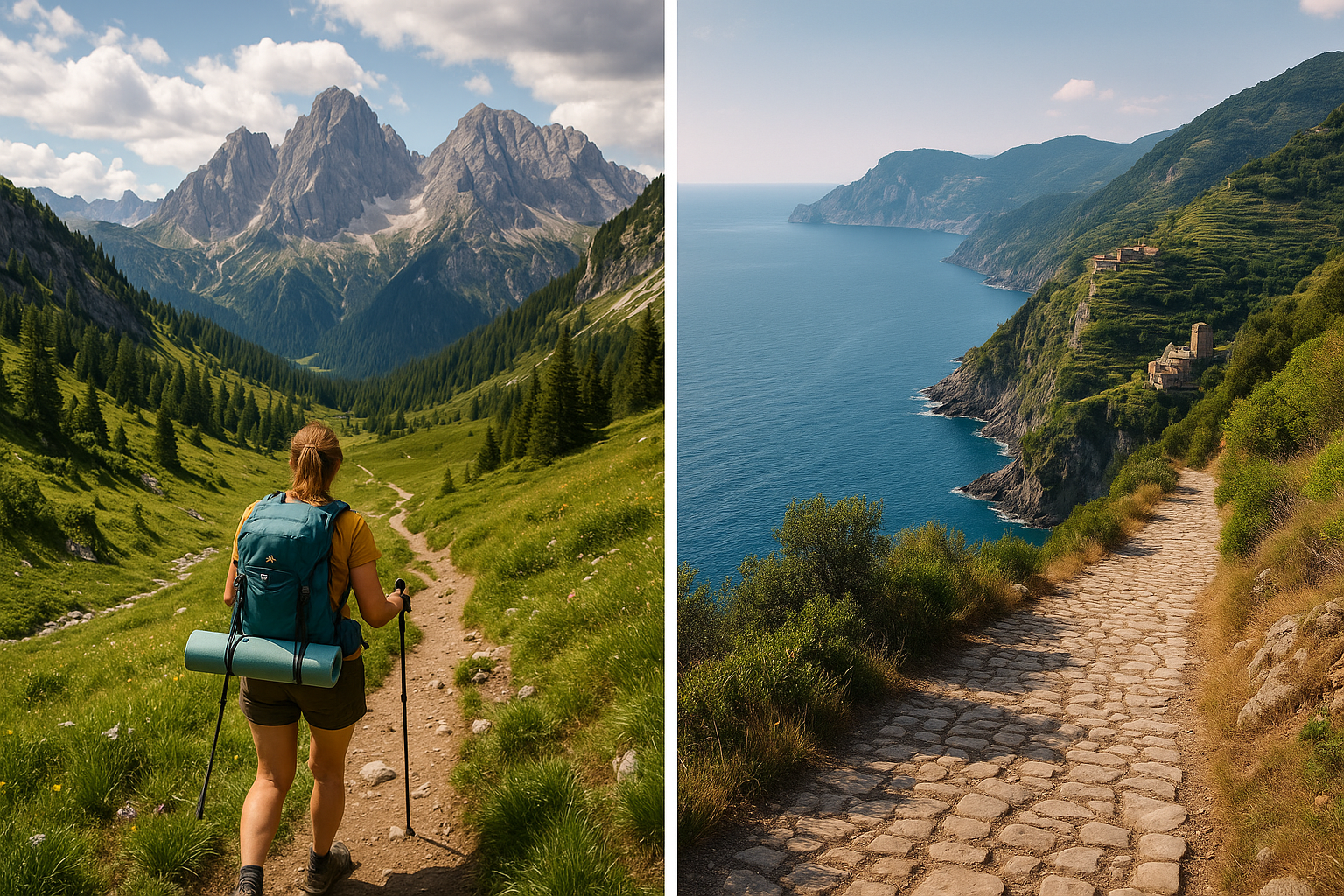
Two Hiking Destinations in Europe Worth Trading the Tourist Trail For
Everyone talks about the same places. The same sun-bleached terraces, the same Instagram cliffs, the same queues stretching around the corner before 9am. But some of the most rewarding hiking destinations in Europe are the ones that don’t make it onto every travel influencer’s feed — places where you can actually hear yourself think, feel the ground under your boots, and end the day genuinely tired in the best possible way. Croatia’s Korcula Island and the UK’s Peak District are two destinations that deserve far more attention from young travelers who want real adventure without the chaos. This guide breaks down what makes each place worth your time, what to expect on the trails, and how to find somewhere decent to sleep without draining your budget.
Korcula Island, Croatia: The Adriatic’s Best-Kept Secret
Croatia already has a reputation for stunning coastline, crystal-clear water, and medieval towns that look like they were designed by someone with an unhealthy obsession with beauty. But while most travelers head straight for Dubrovnik or Split, Korcula Island sits quietly in the Adriatic Sea, offering something those more famous spots have largely lost: a sense of genuine discovery.
Described by many travelers as one of Croatia’s coolest islands, Korcula has that rare quality of feeling both vibrant and unhurried. The old town — a compact tangle of stone streets, terracotta rooftops, and sea views from nearly every angle — is the kind of place you wander into without a plan and end up spending three hours in without noticing. But beyond the town walls, the island opens up into forested hills, quiet coastal paths, and landscapes that reward anyone willing to lace up their boots and explore.
What Hiking on Korcula Actually Feels Like
Korcula isn’t a destination built around hardcore trekking infrastructure, and that’s part of its charm. The island’s interior is a patchwork of vineyards, olive groves, and pine forests, with paths that wind between small villages and open out onto views of the surrounding Adriatic. You’re not going to find the kind of marked, heavily trafficked trail networks you’d encounter in the Alps — and for many travelers, that’s exactly the appeal.
Walking here feels exploratory rather than prescribed. You might follow a coastal path that hugs the shoreline before climbing gently through fragrant scrubland to a viewpoint where the sea stretches out in every direction. Or you might head inland, moving through the quiet agricultural heart of the island where the pace of life hasn’t changed much in decades. The terrain is generally accessible, making it a solid choice if you’re relatively new to hiking or want something that balances physical effort with cultural immersion.
Because the trail network is less formalized, it’s worth picking up a local map when you arrive, asking at your accommodation for route suggestions, or connecting with a local guide who knows the island well. This kind of spontaneous, curiosity-led exploration is exactly what makes Korcula memorable — you’re not just completing a route, you’re actually discovering a place.
When to Go
Spring and early autumn are generally considered the sweet spots for visiting Korcula. The summer months bring heat and more visitors, which can make hiking uncomfortable and accommodation pricier. Arriving in May, June, September, or October gives you pleasant walking temperatures, quieter trails, and a more authentic sense of island life. The sea is still warm enough to swim in during September, which means you can genuinely spend a morning hiking and an afternoon cooling off in the water — not a bad combination.
Where to Stay on Korcula
One of Croatia’s genuine strengths as a travel destination is its accessibility for budget-conscious travelers. The country offers a range of accommodation options that don’t require you to compromise on experience, and Korcula is no exception. From family-run guesthouses in the old town to beachfront properties on the island’s quieter stretches of coast, there’s something for most budgets.
If you want to stay close to the water, options like Tara’s Lodge — a beachfront hotel with an outdoor pool and sun terrace — give you that coastal access without needing to go anywhere particularly fancy. For travelers who prefer to be in the heart of things, staying within or just outside Korcula Town means you can walk to restaurants, the harbor, and the start of several coastal paths without needing transport.
Private rooms in local guesthouses are often the best value and the most rewarding socially — hosts tend to know the island well and can point you toward spots that don’t make it into the guidebooks. Booking a few nights in advance during peak season is sensible, but outside of July and August you’ll generally have more flexibility.
For a broader look at accommodation options across the island, resources like The Broke Backpacker’s Korcula guide break down the different areas and what each one offers for different types of travelers.
Getting to Korcula
The island is reachable by ferry from Split and Dubrovnik, which are both well-connected to the rest of Europe by air. Croatia’s broader travel infrastructure is solid enough that combining Korcula with a sailing tour or coastal adventure makes real sense — operators running small group trips from Split and Dubrovnik often include island stops that let you experience the Adriatic from the water as well as on foot. If you have the time, building a multi-destination Croatian itinerary around Korcula gives the trip a genuine sense of journey rather than just a destination.
The Peak District, UK: Wild Moorland and Stone Village Charm
Switching from the Adriatic to the English Midlands might sound like a dramatic gear shift, but the Peak District earns its place among the most compelling hiking destinations in Europe for reasons that have nothing to do with sunshine or sea. This is a landscape that works on a different register entirely — dramatic moorland, deep limestone valleys, ancient stone walls stitching together rolling hills, and skies that can shift from golden to stormy in the time it takes to eat a sandwich.
The Peak District was the UK’s first national park, and it remains one of the most visited natural areas in the country — yet it still manages to feel genuinely wild once you move away from the most popular car parks and visitor centers. For hikers who want to earn their views, this is a place that delivers.
Understanding the Landscape
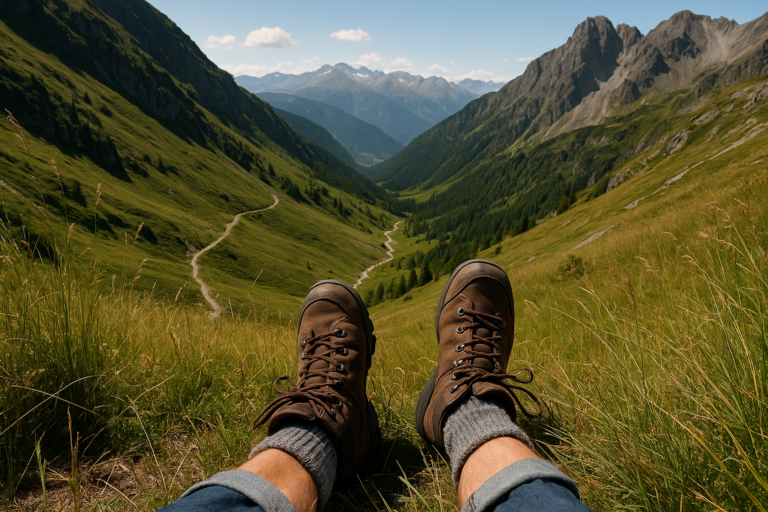
The Peak District divides broadly into two distinct zones, and knowing which one you’re heading into shapes your experience significantly. The Dark Peak in the north is the wilder, more demanding half — vast peat moorlands, gritstone edges, and high ground that can feel genuinely remote even though it’s surrounded by major cities. The White Peak in the south is softer, characterized by limestone dales, river valleys, and a network of trails that are more accessible and often more scenic in a pastoral, storybook kind of way.
Both areas offer excellent walking, and the contrast between them is one of the Peak District’s most interesting qualities. You can spend a morning crossing open moorland with nothing but skylarks for company, then drop into a limestone dale in the afternoon where the light filters through trees and a river runs clear over flat stones. It’s the kind of variety that keeps a multi-day trip feeling fresh.
Trail Options for Different Experience Levels
The Peak District caters to a genuinely wide range of hikers. If you’re relatively new to walking in upland terrain, the White Peak’s dale walks — through places like Dovedale or Lathkill Dale — offer well-marked, manageable routes with dramatic scenery and minimal navigation challenge. These are the kind of walks where you can move at your own pace, stop whenever something catches your eye, and not worry too much about weather or route-finding.
For more experienced walkers, the Dark Peak opens up routes that require proper preparation: good waterproof gear, map and compass skills (or a reliable GPS), and an understanding that the weather can change quickly. Crossing the high moorland on a clear day, with views stretching to the horizon in every direction, is one of those experiences that stays with you. Catching it in mist and wind is a different kind of memorable — more humbling, but equally worth having.
The Pennine Way, one of England’s most famous long-distance trails, passes through the Dark Peak, offering a taste of serious multi-day hiking for those who want to commit to something more ambitious. But even a single-day section of it gives you a sense of what wild walking in England actually means.
For a broader overview of trail options across Europe — including beginner-friendly routes that help you build confidence before tackling more demanding terrain — 57Hours’ guide to the best hikes in Europe is a genuinely useful starting point.
When to Visit the Peak District
The Peak District is a year-round destination, but each season brings a genuinely different experience. Spring brings wildflowers and long evenings; summer offers the best weather for high moorland walking; autumn turns the landscape into something painterly, with bracken going amber and the light taking on a quality that photographers chase specifically; winter can be stark and beautiful, though the high ground demands more respect and preparation.
If you’re visiting primarily for hiking, late spring and early autumn hit a sweet spot — the days are long enough to cover serious distance, the crowds are thinner than midsummer, and the landscape is at its most varied and colorful. Weekdays are noticeably quieter than weekends, which matters in a destination this close to major population centers.
Where to Stay in the Peak District
The Peak District has a well-developed network of accommodation options that suit travelers at different budget levels. Youth hostels run by national hiking organizations are scattered across the park, often in historic buildings in genuinely spectacular locations — waking up in a stone hostel on the edge of moorland is an experience in itself. These are social, practical, and affordable, making them ideal if you’re traveling solo or want to meet other hikers.
Village guesthouses and B&Bs are another strong option, particularly in places like Castleton, Bakewell, or Edale. Staying in one of these villages puts you within walking distance of trailheads and gives you access to local pubs where you can dry out your boots, eat something substantial, and hear from other walkers about what conditions are like on the high ground. It’s the kind of practical, community-centered travel experience that’s hard to replicate in a hotel chain.
For longer stays or groups, self-catering cottages in the Peak District offer independence and often work out cheaper per person than individual rooms. Booking ahead is essential during school holidays and summer weekends; outside those windows, you’ll generally find more availability and better prices.
Comparing the Two: Different Experiences, Equal Value
Korcula and the Peak District aren’t competing for the same traveler — they’re offering two fundamentally different versions of what it means to explore Europe on foot. Korcula gives you warmth, Mediterranean light, coastal paths that open onto sea views, and the particular pleasure of hiking somewhere that still feels genuinely undiscovered. The Peak District gives you wild, changeable, ancient landscape — the kind of terrain that makes you feel small in a good way, and rewards preparation with some of the most satisfying walking in northern Europe.
What both destinations share is a quality that the most overcrowded spots in Europe have largely lost: the sense that you’re actually experiencing a place rather than just passing through it. You’re not shuffling through a queue to see a famous view. You’re moving through landscape at your own pace, making decisions, noticing details, and building the kind of memories that come from genuine effort and curiosity.
Both are also accessible for travelers on realistic budgets. Croatia remains one of Europe’s more affordable destinations for young travelers, and the Peak District — while not as cheap as some parts of Europe — offers enough budget accommodation options to make it viable without financial stress.
Practical Tips Before You Go
- Pack layers for both destinations. Korcula’s coastal weather can shift, and the Peak District’s moorland is notoriously unpredictable. A lightweight waterproof is non-negotiable for either trip.
- Invest in decent footwear. Trail shoes work well for Korcula’s paths; the Peak District’s boggy moorland genuinely calls for waterproof hiking boots with ankle support.
- Download offline maps. Phone signal can be unreliable in both destinations once you’re away from towns. Apps like OS Maps (for the Peak District) or Maps.me (for Korcula) let you navigate without depending on connectivity.
- Travel light but smart. A daypack with water, snacks, a first aid kit, and a fully charged phone covers most situations on both types of terrain.
- Book accommodation early if visiting in summer. Both destinations see increased demand between June and August. Flexibility is easier in shoulder seasons.
- Connect with locals. Whether it’s your guesthouse host on Korcula or a fellow hiker in a Peak District pub, local knowledge consistently beats anything you’ll find in a guidebook.
- Give yourself more time than you think you need. Both destinations reward slow travel. A rushed two-night stop barely scratches the surface of what either place can offer.
Why These Destinations Matter Right Now
There’s a growing conversation in the travel world about overtourism — about what happens to places when too many people arrive at once, and what gets lost in the process. Choosing hiking destinations in Europe that sit slightly off the main tourist circuit isn’t just good for your own experience; it’s a more sustainable way to travel. Spending money in smaller communities, staying in locally-owned accommodation, and moving through landscapes at a pace that respects them — these choices matter, and they tend to produce better trips anyway.
Korcula and the Peak District both offer something that feels increasingly rare: the chance to be genuinely present somewhere. Not performing travel for an audience, not rushing between highlights, but actually being in a place — feeling the ground, noticing the light, talking to people who live there, and coming home with a perspective that’s slightly different from the one you left with. That’s what the best hiking does, and it’s what the best travel does too.
Whether you find yourself watching the Adriatic catch the evening light from a coastal path on Korcula or crossing a windswept moor in the Peak District with rain on your face and a village pub waiting at the end — both experiences are worth every step. Start planning, pack your boots, and go find out for yourself.
This article was produced with AI assistance and reviewed editorially.


Vietnam Uncovered: Beyond the Chaos, Into the Real Story

Beyond the Guidebook: What Hanoi Actually Feels Like


