
Asia
Sri Lanka in October: Skip the Crowds, Embrace the Adventure
Planning a trip to Sri Lanka and wondering if October is the right month to go? The short answer is: it can be, but you need to know what you’re working wi

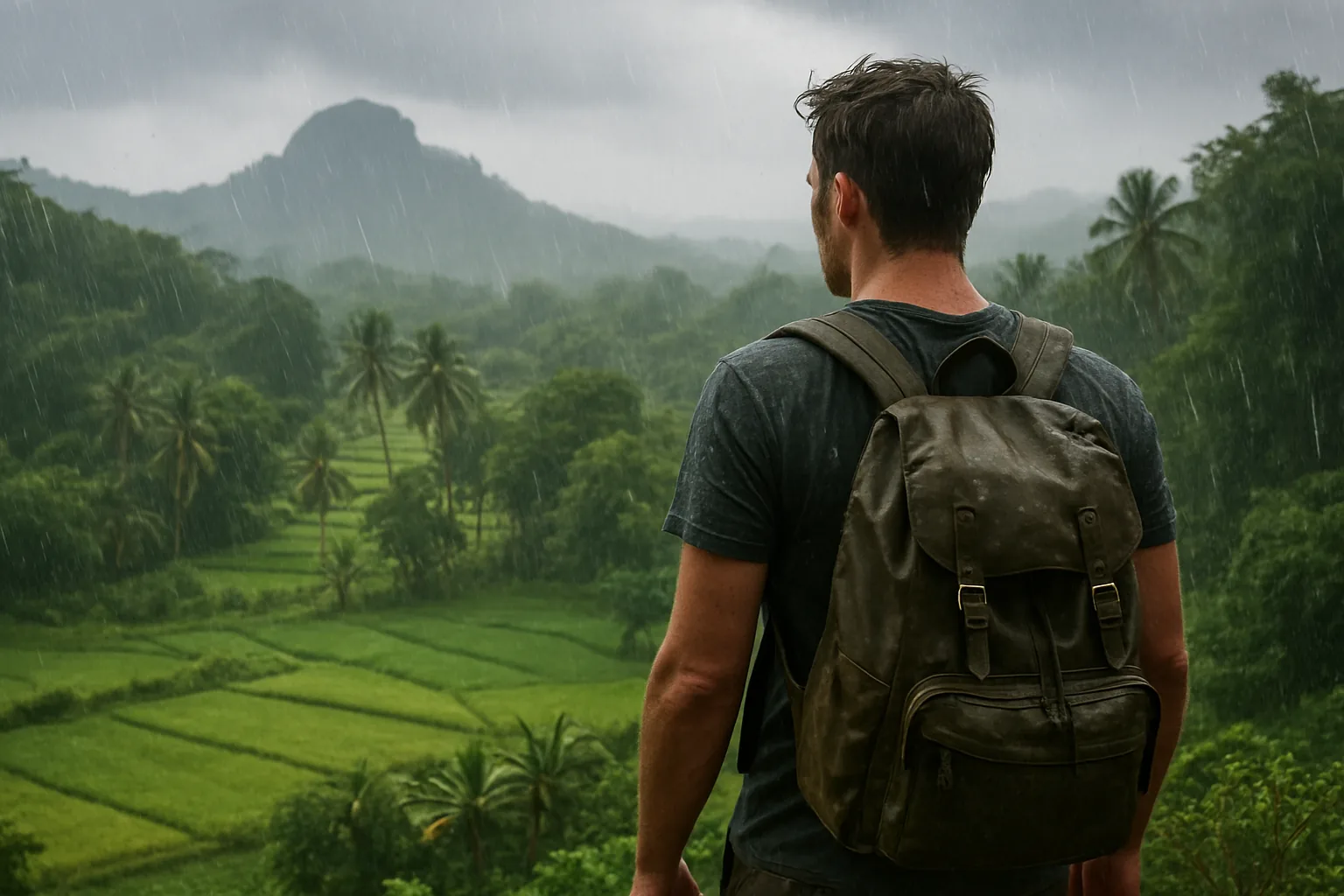

Planning a trip to Sri Lanka and wondering if October is the right month to go? The short answer is: it can be, but you need to know what you’re working with. Sri Lanka October weather is one of the most misunderstood topics in Southeast Asian travel — and getting it wrong can mean spending your beach days under a rain cloud while the other side of the island is bathed in sunshine. Get it right, and you’ll have a teardrop-shaped island almost to yourself, with lower prices, lush landscapes, and that electric, post-rain freshness that makes everything feel more alive.
What’s Actually Happening with the Weather in October
October falls right in Sri Lanka’s inter-monsoon period — the transitional window squeezed between the departing southwest monsoon and the arriving northeast monsoon. That sounds complicated, but in practice it means one thing: the weather is dynamic, unpredictable, and deeply regional. It’s not a simple “good” or “bad” month. It’s a month that rewards travelers who understand the island’s geography.
Here’s the pattern you’ll notice almost everywhere on the island. Mornings tend to start clear and bright, with that golden tropical light that makes every temple and rice paddy look like a painting. By early afternoon, clouds build quickly, and thunderstorms often roll through — sometimes intense, sometimes brief. By evening, things can clear again. If you structure your days around this rhythm, you’ll be fine.
The numbers are worth knowing. Daytime temperatures hit around 30°C, with nights staying warm at roughly 24°C — so you’re never cold, ever. You get about 12 hours of daylight and around 6 hours of actual sunshine per day on average. Monthly rainfall sits at approximately 371 mm, spread across roughly 16 days of some precipitation. And the UV index? A punishing 11 or above — that’s classified as extreme, so sunscreen isn’t optional, it’s non-negotiable.
The heat and humidity together can feel intense, especially if you’re coming from a cooler climate. Give yourself a day or two to acclimatize before you start hiking up rock fortresses or cycling through ancient ruins.
The Regional Divide: Where to Go and Where to Wait
Sri Lanka’s weather isn’t uniform — and this is the most important thing to understand about Sri Lanka in October. The island is split into distinct climate zones, and the monsoon systems hit different coasts at different times.
During October, the west and south coasts — think Colombo, Mirissa, Unawatuna, and Hikkaduwa — are still catching the tail end of the southwest monsoon. Seas can be rough, and beach conditions aren’t ideal for swimming. This isn’t the moment to plant yourself on a sun lounger in Mirissa and expect postcard weather.
→ Read also: Sri Lanka's Best Backpacking Routes: Where to Go & What to Skip in 2026
The east coast, on the other hand, is genuinely exciting in October. Places like Arugam Bay, Trincomalee, and Batticaloa have already come through their rainy season and are entering a drier, calmer window. Arugam Bay in particular has a reputation as one of Asia’s top surf spots, and October still catches some of that energy before the northeast monsoon closes things down later in the year. If you’ve never surfed before, this is a genuinely good place to learn — the vibe is relaxed, the instructors are local, and the food scene around the bay has grown into something worth exploring in its own right.
The central highlands — Kandy, Ella, Nuwara Eliya — sit at elevation and have their own microclimate. Rain is possible, but the cool air is a relief from the coastal heat, and the mist that settles over the tea plantations in the morning is one of those sights you’ll keep thinking about long after you’ve gone home. The train journey from Kandy to Ella, often cited as one of the most scenic rail routes in Asia, runs year-round and is worth building your itinerary around regardless of the month.
The ancient cultural sites in the dry north-central zone — Sigiriya, Polonnaruwa, Anuradhapura — tend to see less rainfall than the coasts in October, making them genuinely accessible. Climbing Sigiriya Rock Fortress at dawn, before the midday heat kicks in, is the kind of experience that resets your sense of what travel can feel like.
Building a Route That Works with October Conditions
The key to a great October trip is leaning east and inland, rather than chasing the west coast beaches. A route that follows the weather rather than fighting it might look something like this:
- Start in Colombo — a day or two to get your bearings, eat well (the street food scene around Pettah market is genuinely excellent), and organize onward transport.
- Head to the Cultural Triangle — Sigiriya and Polonnaruwa make for a natural pairing. Stay in Dambulla or the small guesthouses near Sigiriya village to keep costs down and get early access to the sites before tour groups arrive.
- Drop down to Kandy — the cultural capital, home to the Temple of the Tooth Relic and a relaxed lakeside atmosphere. October occasionally brings the tail end of the Kataragama festival season, so check local calendars.
- Take the train to Ella — book this in advance, because seats (especially the scenic ones) go fast. Ella itself is small, walkable, and surrounded by hiking trails. Little Adam’s Peak is an easy morning walk with outsized views.
- Cross to the east coast — Arugam Bay or Trincomalee for your beach fix. This is where October actually delivers on the tropical paradise promise.
This kind of loop — west to east, highlands in the middle — plays to October’s strengths rather than its weaknesses. You’re not trying to sunbathe in Unawatuna while the monsoon has other ideas. You’re moving with the island’s rhythm.
Getting Around on a Budget
Sri Lanka is one of the more affordable destinations in Asia for independent travelers, and October’s shoulder-season status works in your favor. Tourist numbers are lower than peak season (which runs roughly December through March on the west coast), which means guesthouses and tuk-tuk drivers are often more willing to negotiate, and popular sites feel less crowded.
Tuk-tuks are the classic way to get around within towns and between nearby villages. For longer distances, the train network is both cheap and genuinely enjoyable — the hill country routes especially. Intercity buses are even cheaper than trains and cover routes the rail network doesn’t reach, though they can be cramped and fast-paced in a way that’s either thrilling or exhausting depending on your mood.
→ Read also: Sri Lanka Solo: Backpacking Routes, Hostels & Local Spots Worth Your Time
For accommodation, Sri Lanka has a solid range of guesthouses and family-run homestays that offer a far more authentic experience than large hotels — and usually at a fraction of the price. Staying with a local family often means home-cooked rice and curry for breakfast, travel tips you won’t find in any guide, and the kind of genuine connection that’s the whole point of travel in the first place.
Food costs are low if you eat where locals eat. A kottu roti — Sri Lanka’s beloved street dish of chopped flatbread stir-fried with vegetables, egg, and your choice of protein — is filling, delicious, and costs very little from a roadside stall. Save the tourist restaurants for special occasions and spend the rest of your food budget exploring local kades (small shops and eateries).
Practical Tips for Navigating October’s Quirks
October’s weather asks a few specific things of you as a traveler. Here’s what actually helps:
- Start your outdoor activities early. Whether it’s hiking, visiting ruins, or exploring a national park, mornings are your golden window. By early afternoon, the clouds roll in and the rain often follows. Plan accordingly and you’ll rarely get caught out.
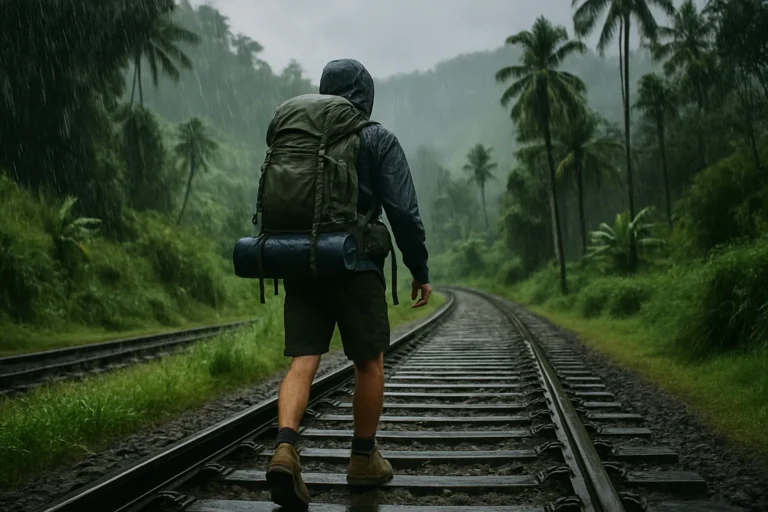
- Pack a lightweight rain jacket or poncho. Not a heavy waterproof — you’ll overheat. Something packable that you can throw on quickly when a thunderstorm appears out of nowhere.
- Bring serious sun protection. With a UV index above 11, you can burn faster than you’d expect, even on overcast days. High-SPF sunscreen, a hat, and UV-protective sunglasses are all worth the bag space.
- Stay flexible with your itinerary. October’s weather is unpredictable by nature. If a day looks stormy, use it for slower travel — a train journey, a cooking class, a visit to a local market. The trip gets better when you stop fighting the weather and start working with it.
- Check road conditions if you’re renting a scooter. Heavy rain can make mountain roads slippery, especially in the hill country. Morning rides are generally safer.
- Drink plenty of water. The combination of heat and humidity is deceptively draining. Coconut water from roadside stalls is both hydrating and one of the best things you’ll taste anywhere.
What Makes October Worth It
Here’s the honest case for choosing this month. Sri Lanka in October isn’t the easiest weather window, but it’s one of the most rewarding for travelers who want something beyond the polished, peak-season version of the island. The landscapes are intensely green — the kind of green that only exists when the rains have been doing their work. Waterfalls that are barely a trickle in February are roaring. Rice paddies are full. The air smells like earth and rain and something floral you can’t quite name.
The crowds are thinner, particularly at cultural sites. Standing at the top of Sigiriya without a hundred other tourists in your peripheral vision is a completely different experience. You can move at your own pace, linger longer, and actually feel like you’re discovering something rather than ticking a box.
The east coast beach scene in October has a laid-back, end-of-season energy that suits independent travelers well. You’ll meet surfers, long-term backpackers, and locals who are genuinely happy to talk — because the island isn’t overwhelmed with visitors right now. That’s when the real connections happen.
For anyone wanting to go deeper on the climate data before booking, Weather2Travel’s Sri Lanka October page has a solid breakdown of the monthly averages worth bookmarking.
Sri Lanka in October isn’t a compromise — it’s a choice. A choice to see the island when it’s a little wilder, a little quieter, and a lot more honest. Pack light, start early, follow the east coast when the west gets wet, and let the afternoon storms become part of the story rather than a problem to solve. The travelers who understand the rhythm of this island in October tend to leave with something the peak-season crowd never quite finds: the feeling that they actually got to know the place.
This article was produced with AI assistance and reviewed editorially.


Sri Lanka in October: Skip the Crowds, Embrace the Adventure

Vietnam Beyond the Guidebook: What You Actually Need to Know


