
Croatia
Balkans Backpacking: Split’s Best Hostels & the Valbona-Theth Alpine Trail
Discover Split’s top 5 backpacker hostels and learn how to combine coastal hostel culture with the epic Valbona-Theth alpine trail in Albania for the ultimate Balkans adv

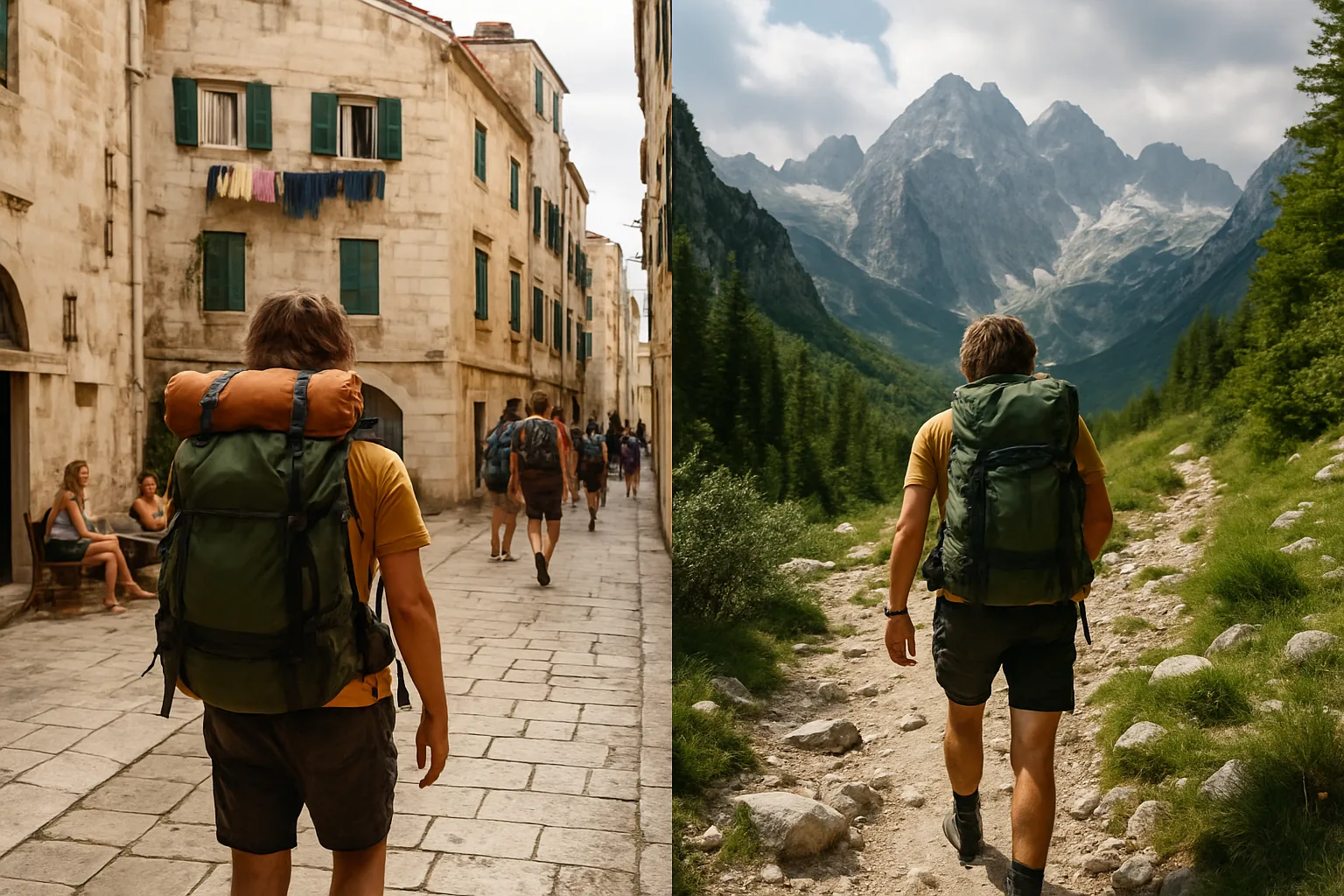
The Balkans have a way of getting under your skin. You arrive for a week and suddenly find yourself rerouting your entire trip, swapping beach days for mountain trails and city hostels for remote alpine homestays. If you’re planning a Balkans backpacking route that blends coastal energy with wild, untouched landscapes, then combining Split hostels backpacking culture with the legendary Valbona to Theth trail in Albania might just be the most rewarding itinerary you’ve never considered — until now.
Why Split Belongs on Every Balkans Backpacking Route
Split is one of Croatia’s most iconic destinations on the Adriatic Coast, and for good reason. It’s the kind of city that doesn’t need to try hard. Ancient Roman walls sit right next to buzzing café terraces. The sea glitters just beyond the old town’s stone alleys. And somewhere between your first rakija and your third swim of the day, you realize you’ve completely lost track of time — and you’re perfectly fine with that.
For backpackers, Split works as both a destination and a launchpad. You can spend a few days soaking it in before hopping on a ferry to the islands, or use it as a pivot point between the Croatian coast and the wilder, less-traveled corners of the Balkans further south. The hostel scene here is genuinely one of the most social in the region, which means it’s easy to find travel companions, swap route tips, and figure out your next move over a shared breakfast.
Budget travelers will be glad to know that hostel beds in Split start from around US$15–16 per night, making it surprisingly affordable for a city with this much going on. The range of options spans from party-forward social hostels to quieter guesthouses where you can actually get some sleep — which is more important than it sounds after a few days of Balkans-style nights out.
The Best Hostels in Split for Backpackers
Choosing the right hostel in Split shapes your whole experience. Stay somewhere too isolated and you’ll miss the community that makes backpacking here so memorable. Stay somewhere too chaotic and you’ll be running on fumes by day three. Here are five of the most talked-about options across the Split hostel scene, each offering something a little different.
Split Guesthouse & Hostel
This one consistently earns strong praise from solo travelers and small groups alike. It strikes a comfortable balance between social atmosphere and actual comfort — the kind of place where you’ll meet people at breakfast and end up exploring the city together by afternoon. The staff are known for being genuinely helpful with local tips, not just the tourist-brochure kind.
Gravitas Hostel
Gravitas Hostel is a solid choice if you want a well-run, friendly space without the full-on party vibe. It’s particularly recommended for solo travelers who want to connect with others at their own pace. The location keeps you close to Split’s old town, so you’re never far from the action — but you’re also not sleeping above a bar.
Booze & Snooze Social Hostel
The name tells you exactly what you’re signing up for. Booze & Snooze is one of Split’s most social hostels, designed for people who want to dive headfirst into the backpacker community. Organized events, communal spaces, and a crowd that’s always up for something make this a great pick if you’re traveling solo and want to hit the ground running.
👉 Read also: Budget Hiking in the Balkans: Valbona to Theth Trail Guide
Backpackers Fairytale Hostel
Don’t let the whimsical name fool you — this is a proper backpacker hostel with a warm, welcoming atmosphere. It’s popular with travelers who are a little more curious about the city itself rather than just the nightlife. Expect good conversation, local recommendations, and the kind of common room energy where someone always seems to have a guitar or a deck of cards.
Hostel Dvor
Hostel Dvor is specifically highlighted as one of the best options for female solo travelers in Split, offering a safe and comfortable environment without sacrificing the social element that makes hostel life worthwhile. It’s a thoughtful choice if you’re navigating the city on your own and want somewhere that feels genuinely welcoming rather than just tolerant.
The Community Shift: Coastal Hostels vs. Inland Balkans
One of the most fascinating things about backpacking through the Balkans is how dramatically the traveler energy changes as you move inland and south. In Split, the hostel scene is vibrant, international, and heavily shaped by the summer coastal crowd. People are sun-kissed, relaxed, and often in the middle of island-hopping itineraries. Conversations tend to revolve around ferry schedules, beach recommendations, and which konoba does the best fresh fish.
The further south and inland you travel — through Montenegro, into Kosovo, or down toward Albania — the more the crowd shifts. You start meeting people who are there specifically because fewer people go. The travelers tend to be a little more experienced, a little more curious, and a lot more willing to embrace uncertainty. Hostel common rooms in places like Shkodër or Prizren feel different: quieter, more intentional, full of people comparing hiking notes and planning routes through landscapes that haven’t made it onto mainstream travel radar yet.
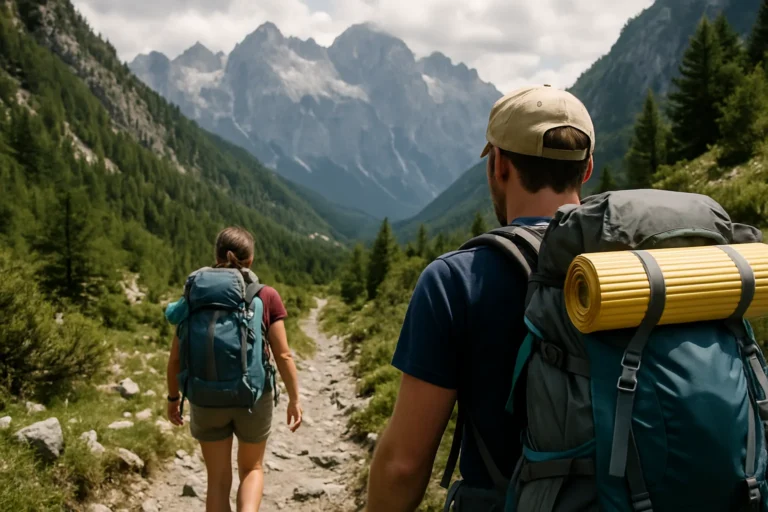
This shift isn’t better or worse — it’s just different. And if you’re doing a multi-country Balkans route, experiencing both ends of that spectrum is part of what makes the journey feel complete. Split gives you the social energy and coastal beauty. Albania gives you something rawer and harder to describe.
Albania’s Crown Jewel: The Valbona to Theth Trail
If you’ve spent any time in backpacker circles in the Balkans, you’ve heard about this hike. The Valbona to Theth trail is widely considered one of the most spectacular hikes in Albania and across the entire Balkans region — and once you’ve done it, you’ll understand why people talk about it the way they do.
The trail cuts through the Albanian Alps, a range so dramatic and remote that it still feels genuinely undiscovered compared to more famous European hiking destinations. You’re walking through deep valleys, past glacial streams, and up over mountain passes that reveal views you won’t find on a postcard — because most people haven’t made it up there to take the photo yet.
The journey typically begins with one of the most memorable travel experiences in the region: a scenic ferry ride across Komani Lake. This isn’t a tourist ferry with commentary and gift shops. It’s a working boat service that winds through a narrow gorge of extraordinary beauty, the water an almost unreal shade of green-blue, the cliffs rising sharply on either side. Even before the hiking starts, you already feel like you’ve arrived somewhere genuinely special.
👉 Read also: The Valbona to Theth Trail: Albania's Most Rewarding Mountain Hike
From Valbona, the trail climbs steadily through forested slopes before opening up into high alpine terrain. The crossing of the main pass is the physical and emotional peak of the hike — literally and figuratively. On a clear day, the panorama from the top is the kind of view that makes you stop walking and just stand there for a moment. Then it’s a long descent into Theth, a village so quietly beautiful that many hikers end up staying longer than they planned.
What to Know Before You Hike Valbona to Theth
This trail is accessible to fit, motivated hikers — but it’s not a casual afternoon walk. The terrain is genuinely challenging in places, and the mountain weather can shift quickly. Going in prepared makes the difference between an incredible experience and a difficult one.
- Fitness matters. The hike involves significant elevation gain and a full day of walking. Build up your fitness before you arrive, especially if you’ve been spending your Balkans trip mostly on beaches and in city hostels.
- Footwear is non-negotiable. Proper hiking boots with ankle support are essential. The trail includes rocky, uneven sections that will punish anything less.
- Start early. Most experienced hikers recommend setting off at first light. This gives you time to reach the pass before afternoon weather builds, and it means you’re not scrambling to reach Theth in fading light.
- Carry enough water. There are natural water sources along the route, but don’t rely on them being where you expect. Carry more than you think you need.
- Check the weather. A clear forecast makes the hike; a bad one can make it genuinely dangerous. Don’t push it if conditions look uncertain.
- Pack layers. Even in warmer months, the temperature at the pass can drop significantly. A wind layer and something warm are worth the extra weight in your pack.
One of the most appealing aspects of this trail is the homestay culture along the route. Local families in both Valbona and Theth open their homes to hikers, offering beds, home-cooked meals, and a warmth of hospitality that’s hard to find anywhere else. Staying in a homestay here isn’t just a budget option — it’s an experience in itself. You’re sitting at someone’s kitchen table, eating food grown in their garden, and getting a glimpse of mountain life that most travelers never see.
For a detailed visual sense of what the trail looks and feels like, the video guide by Kitti and Jon offers an honest, on-the-ground perspective that’s genuinely useful for planning.
Putting the Route Together: A Multi-Country Balkans Journey
The beauty of combining Split with the Valbona-Theth trail is that they represent two very different but equally compelling sides of the Balkans. You can move between them in stages, letting the journey build naturally rather than rushing between highlights.
A practical approach might look something like this: spend a few days in Split, get your bearings, connect with other travelers in the hostel scene, and explore the old town and nearby coastline. Then start moving south — through Montenegro’s dramatic coastline and mountains, or through Bosnia and Herzegovina if you want to add Mostar and Sarajevo to your route. Both paths eventually lead you toward Albania, where the pace slows down and the landscapes get wilder.
Shkodër, in northern Albania, is the natural base for organizing your Komani Lake ferry and Valbona access. It’s a vibrant, underrated city with a growing backpacker scene of its own — worth at least a night or two before you head into the mountains. After the hike, Theth itself rewards those who linger. The village is surrounded by trails, waterfalls, and the kind of silence that feels genuinely restorative after weeks of moving around.
The Balkans reward travelers who move slowly and stay curious. Every border crossing brings a new language, a new currency, a new set of customs — and a new reason to stop, look around, and pay attention. That’s the thing about this part of the world: it never quite lets you switch off. There’s always something unexpected around the next corner, whether it’s a medieval fortress above a lake, a mountain family inviting you in for coffee, or a trail that turns out to be the most beautiful thing you’ve ever walked.
From the lively hostel common rooms of Split to the alpine silence above Theth, this is a route that gives you the full range of what Balkans backpacking can be — social and solitary, coastal and wild, easy and challenging. Pack your boots alongside your flip-flops, keep your itinerary loose, and let the region do what it does best: surprise you.
This article was produced with AI assistance and reviewed editorially.


Balkans Backpacking: Split’s Best Hostels & the Valbona-Theth Alpine Trail

Caye Caulker Slow Travel: Snorkeling, Street Food, and Why You Should Stay Longer


