
Spain
Spain’s Coast & Capital: Madrid, Barcelona Beaches, Ibiza & Where to Actually Stay in 2026
Plan your Spain trip across Madrid, Barcelona, and Ibiza with neighborhood guides, beach recommendations, and where to stay in each city.

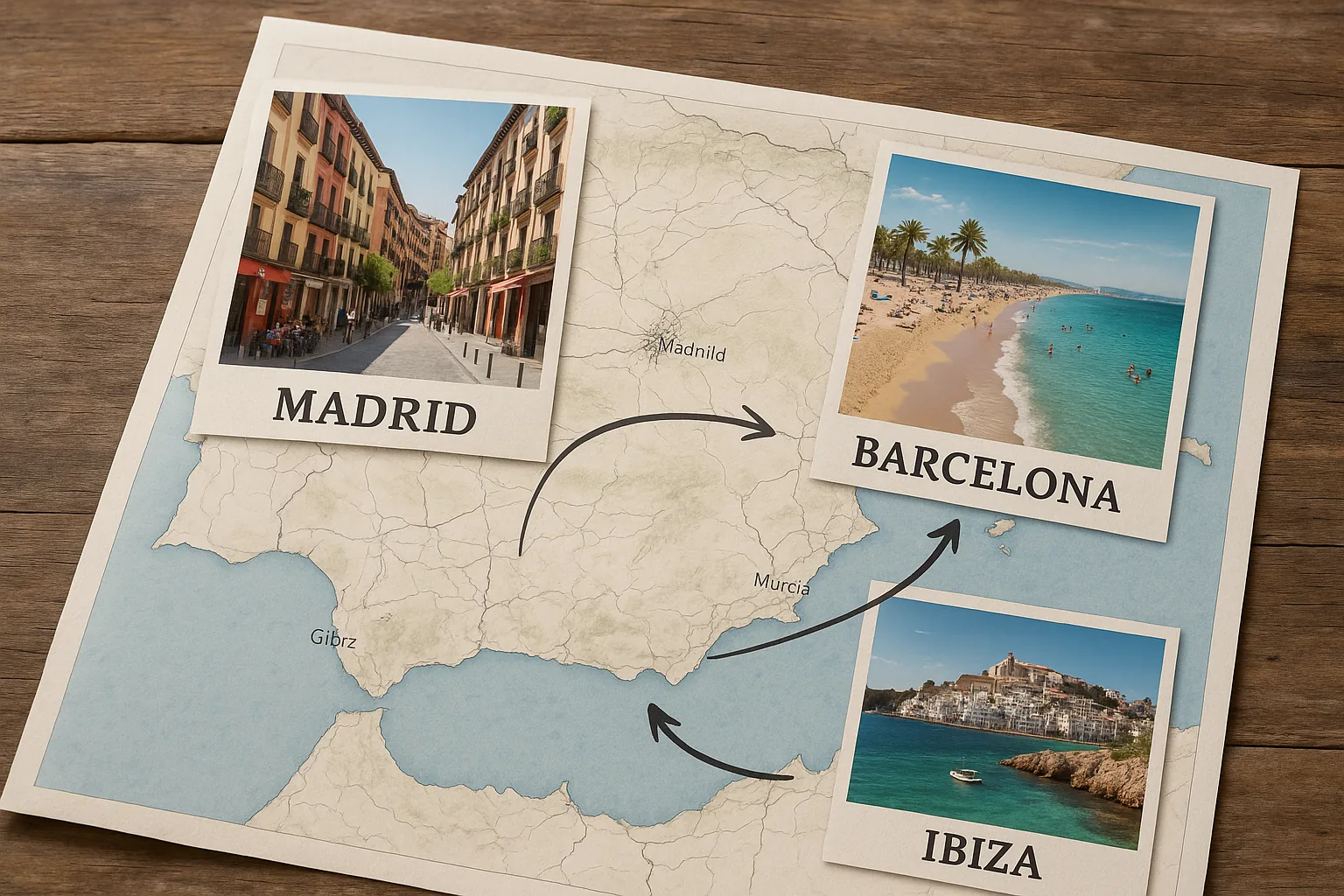
Planning a Spain trip covering Madrid, Barcelona, and Ibiza is one of those ideas that starts as a daydream and, once you commit to it, becomes one of the most rewarding journeys you’ll ever take. You get everything — a capital city that pulses with art, food, and neighborhood energy; a coastal metropolis where the Mediterranean stretches right to the edge of the city; and an island that somehow manages to be both legendary and genuinely beautiful beneath all the hype. The trick is knowing how to thread these three places together so the trip flows rather than exhausts. This guide is your blueprint for doing exactly that in 2026.
Why This Three-Destination Combination Works So Well
Spain is one of those countries that defies easy summarization. Its distinct regions carry completely different architectural identities, culinary traditions, and local characters — from the Mediterranean coastline and the mountainous interior to the Moorish south and the Basque Country. That diversity is precisely what makes a Madrid–Barcelona–Ibiza itinerary so satisfying. You’re not repeating yourself. Each stop feels like a different chapter of the same extraordinary story.
Madrid gives you depth — the kind of city you can wander for days and still feel like you’re only scratching the surface. Barcelona layers urban culture onto a coastal setting in a way that few cities in the world manage. And Ibiza? It rewards the curious traveler who looks beyond the clubs. Together, these three destinations cover the full emotional spectrum of what a Spain trip can be: intellectually stimulating, physically relaxing, and genuinely alive.
Logistically, the combination also makes sense. High-speed trains connect Madrid and Barcelona in around two and a half hours, making the transition between the two cities smooth and almost scenic. From Barcelona, flights to Ibiza are short and frequent. You can realistically spend four or five days in Madrid, three or four in Barcelona, and three in Ibiza without feeling rushed — though even two weeks would leave you wanting more.
Madrid: How to Actually Experience the City
A lot of first-time visitors to Madrid make the same mistake: they treat it like a checklist. Museum, palace, park, repeat. But Madrid rewards a slower, more curious approach. The city’s neighborhoods are where the real character lives, and spending time in them — rather than rushing between landmarks — is what separates a good Madrid trip from an unforgettable one.
Getting to Know the Neighborhoods
Start in La Latina, one of the oldest parts of the city, where narrow cobblestone streets open suddenly onto lively plazas. Sunday mornings here, when the Rastro flea market fills the streets, are something you’ll be describing to people for years. Then move toward Malasaña, a neighborhood that has the energy of a place that’s always just discovering itself — independent bookshops, vintage clothing stores, and cafés that don’t open until noon but stay buzzing until well past midnight.
Lavapiés is worth an afternoon for its multicultural street life and some of the most interesting contemporary art spaces in the city. And if you want to understand Madrid’s relationship with elegance and tradition, Salamanca offers wide boulevards, beautiful architecture, and the kind of tapas bars where the food is taken seriously.
What to Actually Do
Yes, you should visit the Museo del Prado — it’s one of the great art museums of the world, and rushing through it would be a waste. Give it a proper morning. But balance that with experiences that feel less like tourism and more like living. Eat a late lunch at a market, then follow it with a walk through Retiro Park, where locals row boats on the lake and read on the grass. Catch a flamenco show in a small venue rather than a tourist-facing production — the intimacy makes it hit completely differently.
Madrid’s food culture deserves its own paragraph. The city is famous for bocadillos de calamares — fried squid sandwiches that you’ll find near the Plaza Mayor — but the broader culinary scene goes far deeper. Rooftop bars in the Gran Vía area offer views that justify the slightly elevated drink prices. And eating dinner before ten o’clock will immediately mark you as a tourist; lean into the local rhythm and you’ll have a much better time.
👉 Read also: Barcelona & Beyond: Best Beaches, Neighborhoods & Where to Actually Stay in 2026
Barcelona: Beaches, Coast, and the City Between Them
Barcelona’s reputation as a beach city is both accurate and slightly misleading. The beaches within the city itself — particularly around Barceloneta — are lively, accessible, and genuinely enjoyable, especially in the early morning before the crowds arrive. But here’s what locals will tell you: the best beaches in Barcelona are actually outside of Barcelona. That insight changes how you plan your coastal time.
The City Beaches and When to Use Them
Don’t dismiss the city beaches entirely. Barceloneta is great for a morning swim before the heat of the day, or for an evening walk along the passeig marítim as the sun drops. The beach bars — chiringuitos — that line the shore are perfect for a cold drink and people-watching. Further north, beaches like Mar Bella tend to draw a younger, more local crowd and feel noticeably less touristy.
The key is using the city beaches for what they’re good at — convenience, atmosphere, and proximity to everything else Barcelona offers — rather than expecting them to be pristine and uncrowded in peak season. They won’t be. And that’s fine.
Escaping the City for Better Coastline
If you have a day to spare — and you should try to — take a short train or bus ride north toward the Costa Brava or south toward Sitges. Sitges in particular is a charming coastal town with beautiful beaches, a vibrant atmosphere, and a genuinely welcoming energy. It’s close enough to Barcelona that a day trip feels effortless, but different enough that it gives you a completely fresh perspective.
Beyond the beaches, Barcelona’s neighborhoods deserve the same slow-travel treatment as Madrid’s. El Born is dense with independent shops, medieval architecture, and excellent restaurants. Gràcia feels like a village within the city — quieter, residential, and full of local cafés where you could easily lose an afternoon. And the Gothic Quarter, while crowded, rewards early-morning exploration when the streets are almost empty and the light falls beautifully through the narrow lanes.
Where to Stay in Barcelona
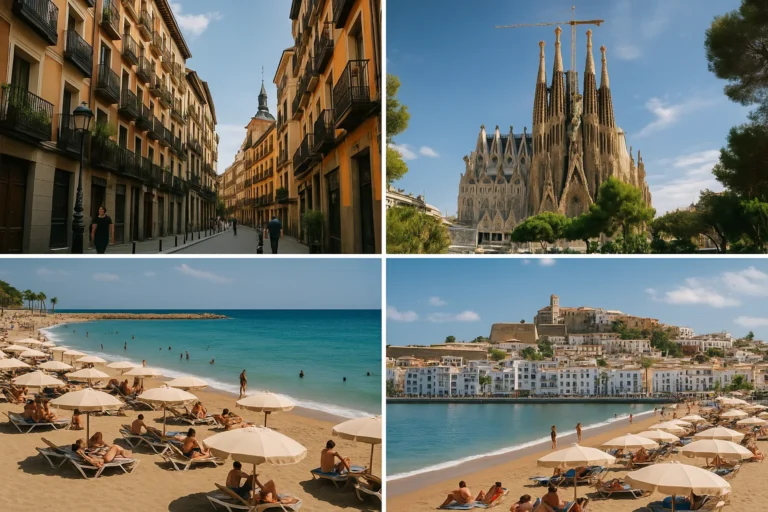
For budget-conscious travelers, the area around El Raval and the edges of the Gothic Quarter offers the best value for central accommodation — hostels here tend to have good social atmospheres and easy access to public transport. If you’re willing to spend a little more, staying in El Born or Eixample puts you in the middle of the city’s best food and nightlife without the intensity of the tourist center. Eixample in particular, with its famous grid layout and wide boulevards, is one of the most pleasant neighborhoods to actually live in for a few days.
Ibiza: Beyond the Clubs and Into the Island
Ibiza has a reputation that precedes it so dramatically that many travelers either rush toward it expecting one thing or avoid it entirely assuming it’s not for them. Both reactions miss the point. Ibiza is genuinely one of the top beach destinations in Europe for young travelers in 2026, and not only because of its famous nightlife. The island has a landscape, a pace, and a culture that are worth discovering on their own terms.
The Nightlife Side — Done Right
If you’re coming for the clubs, come prepared. Ibiza’s famous venues are large, late, and expensive — but they’re also genuinely world-class experiences if electronic music is your thing. The key is pacing yourself across multiple nights rather than trying to do everything in one. Arrive in Ibiza already rested, because the island will test your stamina.
Pre-party events at beach bars in the late afternoon are often more enjoyable than the main club nights anyway — better light, better prices, and a more relaxed atmosphere where you can actually meet people. The west coast of the island, particularly around San Antonio, is famous for its sunset-watching culture, and it’s one of those things that lives up to the hype completely.
👉 Read also: Spain's Capital Reimagined: A 5-Day Madrid Itinerary Beyond the Guidebook
The Hidden Side of Ibiza
Rent a scooter or a small car for at least one day and explore the interior of the island. The north is dramatically different from the party-heavy south — quieter villages, pine forests, and a laid-back hippie heritage that has been part of Ibiza’s identity for decades. Markets in the north of the island sell handmade crafts, local food, and clothing, and they attract a mix of long-term residents and curious travelers that makes for genuinely interesting people-watching.
The beaches on the quieter parts of the island — away from the main tourist hubs — are among the most beautiful in the Mediterranean. Small coves accessible by foot or boat offer clear water and relative calm even in summer. Ibiza Town itself, with its historic Dalt Vila (the old walled city perched on a hill), is a UNESCO World Heritage site and one of the most atmospheric places to spend an evening in all of Spain. Wander up through the gates as the sun sets and you’ll understand immediately why people keep coming back to this island.
Where to Stay in Ibiza
Where you stay in Ibiza shapes your entire experience. Ibiza Town is the best base if you want a mix of culture, nightlife access, and beautiful surroundings — accommodation here ranges from budget guesthouses in the lower town to more comfortable hotels with views of the harbor. San Antonio is the budget-friendly option, closer to the party scene and with plenty of hostels and affordable apartments. If you want peace and the more natural side of the island, look for accommodation in the north — smaller, quieter, and often a better value than the tourist-heavy south.
Where to Stay in Madrid
Madrid’s accommodation scene is genuinely good for budget and mid-range travelers. The area around Malasaña and Chueca is one of the best places to base yourself — central, walkable, and full of the neighborhood energy that makes Madrid special. Hostels in this area tend to have strong social scenes and easy metro access to everything else. For a step up in comfort without a dramatic increase in price, Lavapiés and the area around Atocha station offer solid mid-range options that keep you close to the major museums and parks.
One practical tip: Madrid’s metro system is excellent, so don’t stress too much about being in the absolute center. A slightly peripheral neighborhood often means better value, more local atmosphere, and a more authentic experience of how the city actually lives.
Putting the Trip Together: A Practical Framework
The most natural order for this trip is Madrid first, then Barcelona, then Ibiza. Starting in the capital eases you into Spain’s rhythm — the late nights, the long lunches, the unhurried pace — before the coastal energy of Barcelona and the full sensory experience of Ibiza. Ending on the island also means you can decompress on the beach before heading home, which is a much better way to close a trip than flying out of a busy city.
Budget-wise, Madrid tends to be the most affordable of the three for food and accommodation. Barcelona sits in the middle. Ibiza, particularly if you’re engaging with its nightlife, can be expensive — but it doesn’t have to be if you’re strategic about where you stay and eat. Cooking occasionally in a hostel kitchen, eating lunch as your main meal (when set menus offer remarkable value across Spain), and choosing pre-party events over main club nights will keep costs manageable.
For travel between destinations, the Madrid–Barcelona high-speed train is genuinely one of the great rail journeys in Europe — comfortable, fast, and scenic enough to feel like part of the trip rather than just transit. From Barcelona, budget airlines connect to Ibiza in under an hour. You can find comprehensive Spain travel resources on Expedia’s destination guide to help with flight and accommodation comparisons as you plan.
A Spain trip that moves through Madrid, Barcelona, and Ibiza isn’t just a holiday — it’s a genuine education in how varied, how vibrant, and how deeply livable this country is. You’ll eat things you can’t stop thinking about, sleep in neighborhoods that feel like discoveries, and find yourself on beaches or in plazas wondering why you didn’t come sooner. The only real mistake you can make is trying to rush it. Give each place the time it deserves, stay curious, and let Spain do the rest.
This article was produced with AI assistance and reviewed editorially.


Cornwall’s Best Beaches & Coastal Towns: A Week-Long Coastal Escape Through England’s Gem

Luxury Train Travel for Young Adventurers: The Eastern & Oriental Express Experience


