
Ecuador
Quito, Ecuador: From Stopover to 10-Day Adventure in the Andes
Discover why Quito, Ecuador deserves 10 days of your time. Explore colonial neighborhoods, day trips to jungle and sierra, and practical tips for this mountain capital.

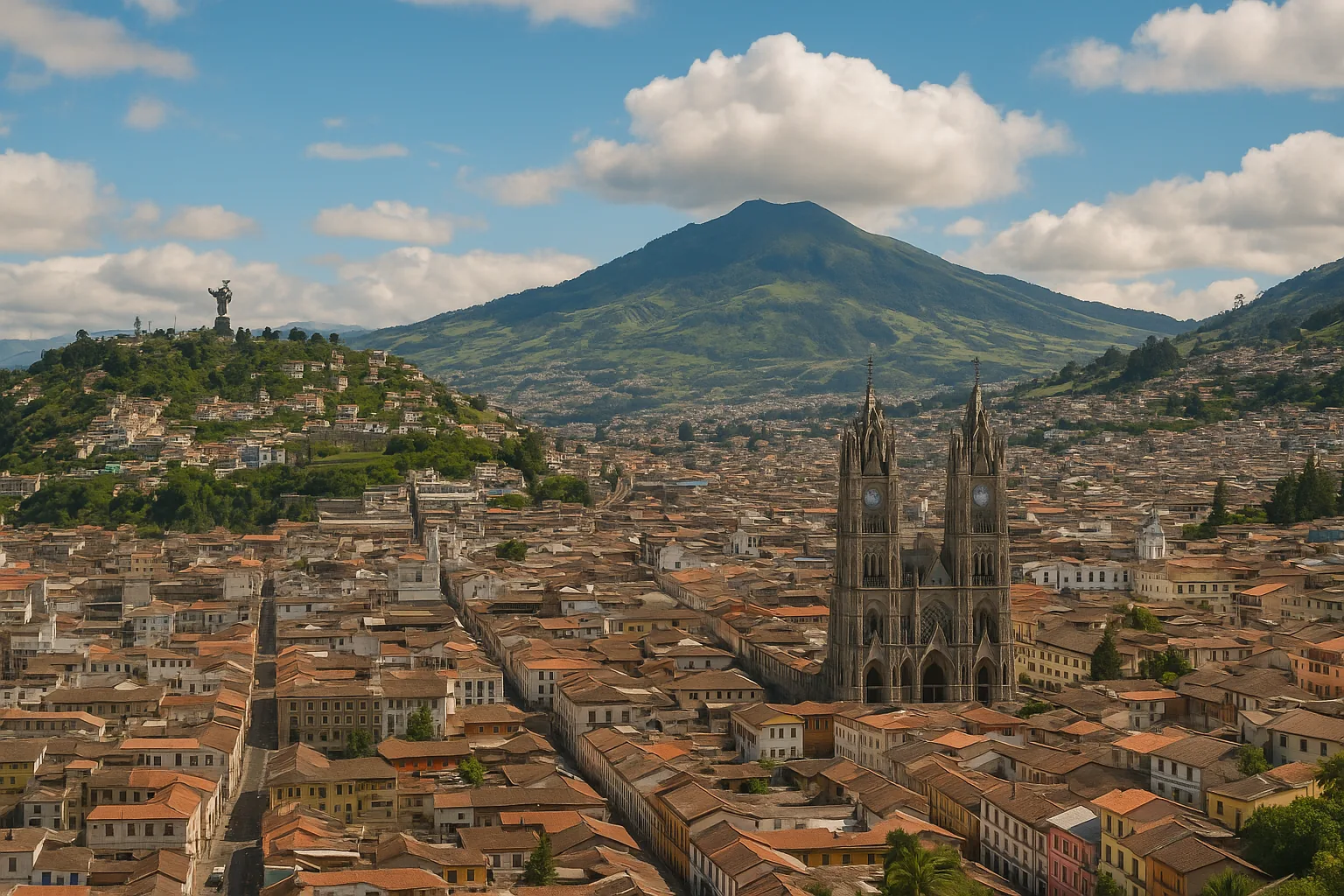
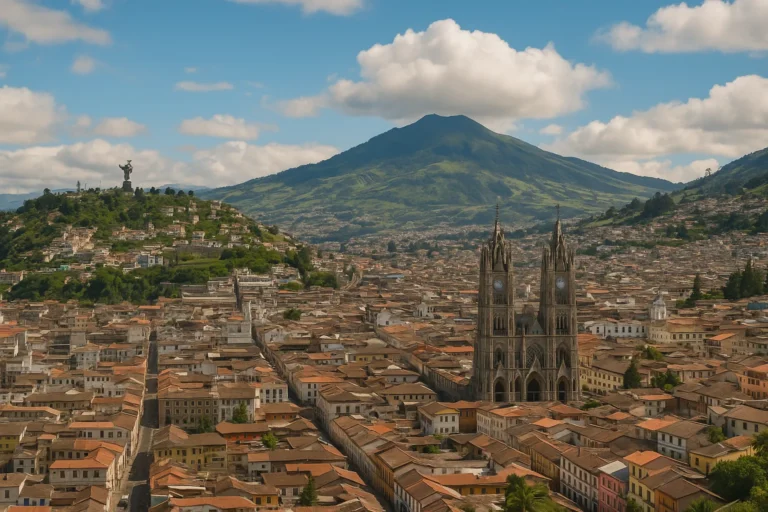
Most travelers land in Quito with the same plan: spend one night, catch their breath at altitude, then rush south toward Cotopaxi or the Galápagos. But spend a little longer here — really commit to Quito, Ecuador for 10 days — and something shifts. The city pulls you in. The Andes wrap around you. The food gets better every day. The people you meet in a hostel common room start to feel like old friends. Suddenly, that quick stopover becomes the whole story.
Why Quito Deserves More Than a Night
Quito sits at roughly 2,850 metres above sea level, nestled inside a long, narrow valley flanked by volcanic peaks. That geography alone makes it unlike almost any other capital city in the world. The air is thinner, the light is sharper, and the weather shifts between warm sunshine and cool mountain drizzle sometimes within the same hour. It takes a day or two just to feel like yourself again — and that’s actually a gift. It forces you to slow down.
The city is also one of the best-preserved colonial capitals in Latin America. The historic centre — a UNESCO World Heritage Site — is a labyrinth of cobblestone streets, gilded baroque churches, and lively plazas where street food vendors, schoolchildren, and elderly couples all share the same space. This isn’t a museum piece. It’s a living, breathing neighbourhood that just happens to look like it was built in another century. Because it was.
Beyond the old town, Quito stretches north into a modern, walkable district full of cafés, galleries, independent restaurants, and hostels that genuinely cater to young travellers. The contrast between the two sides of the city is striking — and exploring both is reason enough to stay longer than you planned.
Understanding the Altitude (Before It Understands You)
Let’s be honest: altitude sickness is real, and Quito is high. Your first day or two should be intentionally slow. Drink agua constantly, avoid heavy meals, skip the alcohol for at least 24 hours, and resist the urge to sprint up every staircase. Most travellers feel noticeably better by day three.
The locals have a remedy for everything: mate de coca, a herbal tea made from coca leaves, is widely available and traditionally used to ease altitude symptoms. It’s legal, it’s mild, and it works well enough that you’ll find it in nearly every café and guesthouse in the city. Accept every cup offered.
Use those first slow days to explore on foot. The historic centre is compact enough to walk end to end, and wandering without a strict agenda is genuinely one of the best ways to understand how the city is laid out — and where you want to return later.
A 10-Day Framework for Quito and the Surrounding Region
Spending 10 days based in or around Quito, Ecuador gives you enough time to do the city justice and still reach some of the most dramatic landscapes in South America. Think of it less as a rigid itinerary and more as a layered experience: city first, then outward.
👉 Read also: Quito, Ecuador: From 24-Hour Stopover to 10-Day Base Camp (Travel Guide 2026)
Days 1–2: Arrive, Acclimatise, and Explore the Historic Centre
Land, check in, drink water. Seriously. On day two, when you’re feeling steadier, head into the Centro Histórico. Walk the main plaza, step inside the churches (the interiors are genuinely jaw-dropping — gold leaf everywhere, centuries-old paintings, ornate altars), and find a spot for lunch where locals are actually eating. Follow the sound of conversation rather than the tourist menus posted outside.
In the late afternoon, take the cable car — Teleférico — up to the flanks of Volcán Pichincha for a panoramic view of the city below. It’s one of those moments where you realise exactly how extraordinary Quito’s setting really is.
Days 3–4: Go Deeper Into the City
The northern modern district rewards slower exploration: independent bookshops, local design stores, rooftop bars, and coffee shops run by people who are genuinely passionate about Ecuadorian coffee. Spend an afternoon in a local market — not the tourist craft market, but a neighbourhood food market — and try whatever looks good. Llapingachos (potato cakes), seco de pollo (slow-cooked chicken stew), and fresh fruit juices made from Amazonian fruits you’ve never heard of are all worth seeking out.
This is also a good time to book your day trips for the rest of the week and connect with other travellers who can share recommendations.
Days 5–6: Otavalo and the Northern Highlands
A couple of hours north of Quito, Otavalo is home to one of the most celebrated indigenous markets in South America. Weavings, ceramics, leather goods, and textiles fill the stalls — and unlike many tourist markets, this one has been running for centuries and remains genuinely community-driven. Arrive early on a Saturday morning for the full experience.
The surrounding landscape is beautiful: volcanic lakes, flower farms, and small villages where life moves at a pace that feels completely removed from any city. Consider staying overnight in the area rather than rushing back to Quito. The evenings are quiet, the skies are clear, and the stars at this altitude are extraordinary.
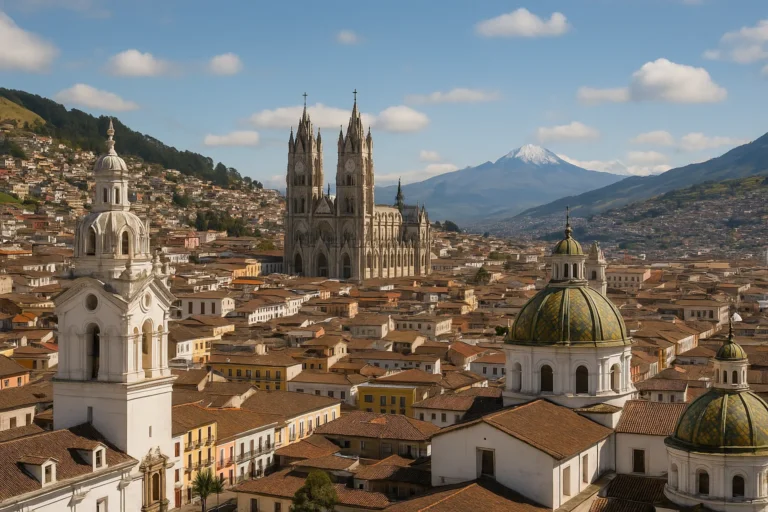
Days 7–8: Cotopaxi and the Central Andes
Cotopaxi is one of the world’s highest active volcanoes, and on a clear day you can see its snow-capped cone from Quito itself. Getting closer — hiking through the national park that surrounds it, riding horses across the páramo (the high-altitude grassland ecosystem), or simply standing at the base and looking up — is one of those experiences that stays with you.
You don’t need to be an experienced mountaineer to visit. The national park is accessible and well worth a full day. Many travellers combine it with a stop at Quilotoa Lake, a stunning turquoise crater lake a few hours further south. The hike around the rim is challenging but manageable, and the views into the crater are unlike anything else in the region.
Days 9–10: A Taste of the Amazon or the Pacific Coast
One of Ecuador’s most remarkable qualities is how compact it is. Ecuador encompasses the Amazon rainforest, the Andes mountains, Pacific Coast beaches, and the Galápagos Islands — and from Quito, you can reach the Amazon basin in just a few hours by road or a short flight. Spending even one night in a jungle lodge gives you a completely different perspective on the country you’ve been exploring.
👉 Read also: Ecuador's Mountain Capital: Quito as a Stopover & 10-Day Destination—What Solo Travelers Actually Experience
If the jungle isn’t calling you, the Pacific Coast is another option for a final stretch. The contrast between Quito’s cool mountain air and the warm coastal humidity is striking — and after 10 days at altitude, a beach day feels genuinely earned.
Getting Around Without Losing Your Mind
Quito has a metro system that connects the north and south of the city efficiently and cheaply. For longer journeys — to Otavalo, Cotopaxi, or Quilotoa — shared minibuses (cooperativas) leave regularly from the main bus terminals and are the most affordable option. Taxis and ride-hailing apps are widely available for shorter city trips and are generally inexpensive by European or North American standards.
For day trips into the national parks or more remote areas, joining a small group tour from a local agency is often the most practical choice. It removes the logistical headache and usually includes transport, a guide, and entry fees in a single price. Shop around, ask other travellers for recommendations, and book with agencies that employ local guides — it makes a real difference to the quality of the experience.
Where to Sleep and What to Eat
Quito has a solid range of accommodation for budget-conscious travellers. The historic centre and the northern modern district both have hostels ranging from basic dormitories to private rooms with real character — exposed brick, rooftop terraces, communal kitchens. Staying in the historic centre puts you close to the main sights but means navigating slightly steeper streets. The northern district is flatter, livelier at night, and closer to the café culture that makes slow mornings so enjoyable.
Food in Quito is one of its great underrated pleasures. Ecuadorian cuisine draws on Andean, Amazonian, and coastal influences, and the city’s restaurant scene reflects all of them. Street food is safe, delicious, and cheap — look for hornado (slow-roasted pork), empanadas filled with cheese or meat, and freshly squeezed juices made from tropical fruits. For something more substantial, local restaurants serving set lunches (almuerzos) are the best value in the city: a soup, a main course, a juice, and sometimes dessert for a price that will make you genuinely happy.
Practical Things Worth Knowing Before You Go
- Currency: Ecuador uses the US dollar, which simplifies budgeting considerably for most travellers.
- Safety: Like any city, Quito has areas that require more awareness than others. Stay alert in crowded areas, keep your phone in your pocket on busy streets, and ask your accommodation for current advice on which neighbourhoods to approach with extra caution.
- Connectivity: SIM cards with data are widely available and affordable. Pick one up at the airport or in any phone shop in the city.
- Packing: Layers are essential. Mornings and evenings in Quito can be genuinely cold, while midday sun at this altitude is intense. A light rain jacket, sunscreen, and comfortable walking shoes will cover most situations.
- Day trip booking: For popular destinations like Cotopaxi and Quilotoa, booking a day or two in advance during high season is worth it. Many hostels can arrange trips directly.
- Language: Spanish is the primary language. Even a basic working knowledge of common phrases will open doors, earn smiles, and make every interaction feel warmer.
Why the Vortex Reputation Makes Sense
Travellers who spend time in Quito often describe a phenomenon that’s hard to explain logically: you arrive planning to stay two days, and somehow two weeks pass. The city is sometimes called The Vortex in backpacker circles — a place that draws people in and makes leaving feel harder than expected. Whether that’s the altitude softening your sense of urgency, the warmth of the people you meet, the food that keeps getting better, or simply the fact that every day trip reveals something new just a few hours away, it’s a reputation that feels earned.
Part of it is also structural. Quito sits at the centre of an extraordinarily diverse country, and every direction you travel from it offers something completely different. North: indigenous highlands and volcanic lakes. South: one of the world’s great active volcanoes and a dramatic crater lake. East: the Amazon. West: the Pacific. The city isn’t just a starting point — it’s a hub, and the more time you spend there, the more you realise how much is still within reach.
For a travel guide resource on broader Ecuador itinerary options, Rough Guides’ 10-day Ecuador itinerary offers a solid framework to build from.
Ten days in Quito and the surrounding Andes isn’t a long time — but it’s enough to stop being a tourist and start feeling like someone who actually knows a place. You’ll leave with a handful of favourite streets, a go-to lunch spot, a sunrise you didn’t expect, and probably a few plans to come back. That’s the thing about Quito: it doesn’t just give you memories. It gives you reasons to return.
This article was produced with AI assistance and reviewed editorially.


Quito, Ecuador: From Stopover to 10-Day Adventure in the Andes

Ecuador & South America’s Gateway: Quito as a Base for Adventure


