
Asia
Hiking Japan’s Hidden Peaks: Kamikochi in the Japanese Alps (What to Know Before You Go)
Explore hiking Kamikochi Japan in the Northern Alps. Learn logistics from Tokyo, seasonal conditions for 2026, what to pack, and why this 15km alpine valley matters.

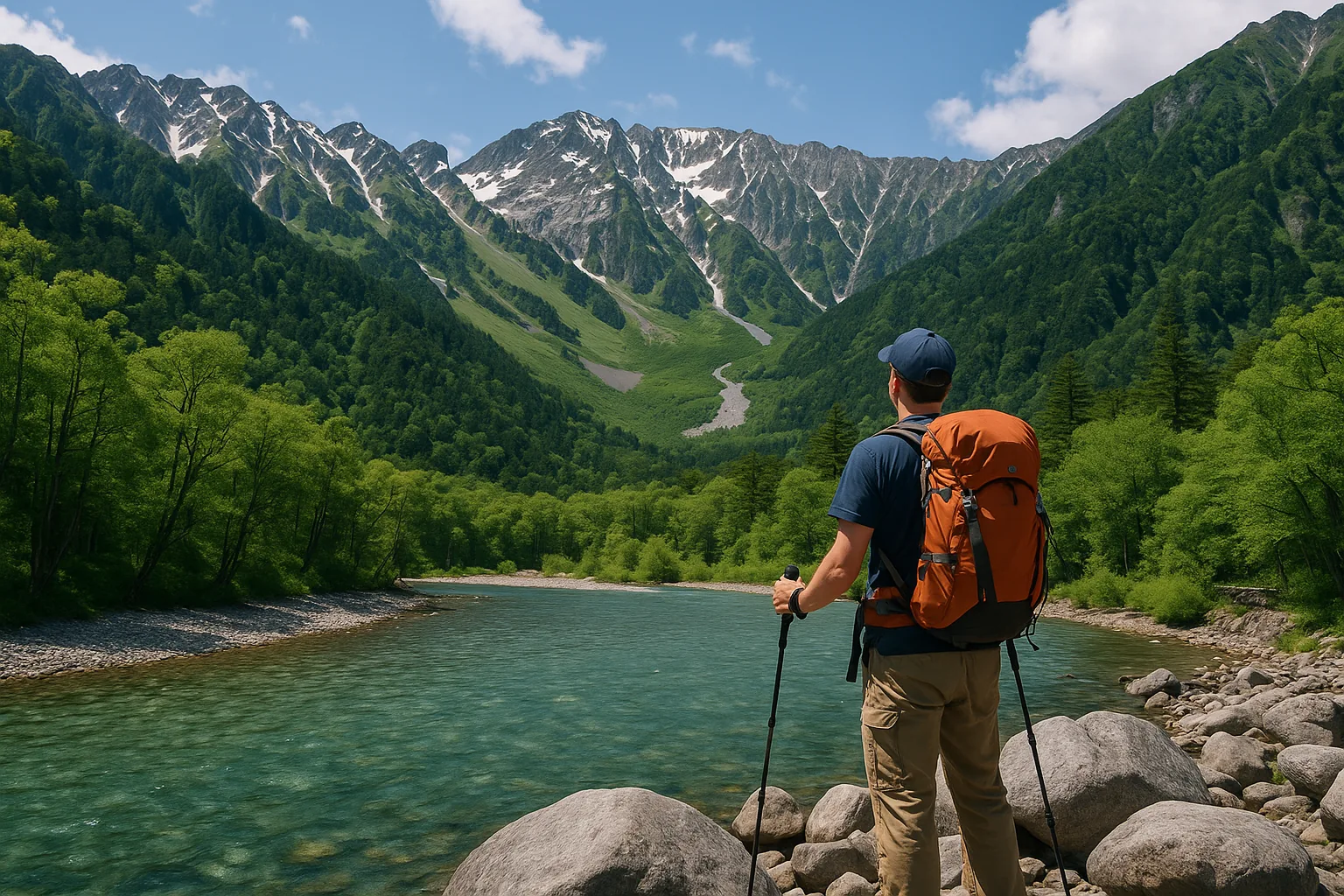
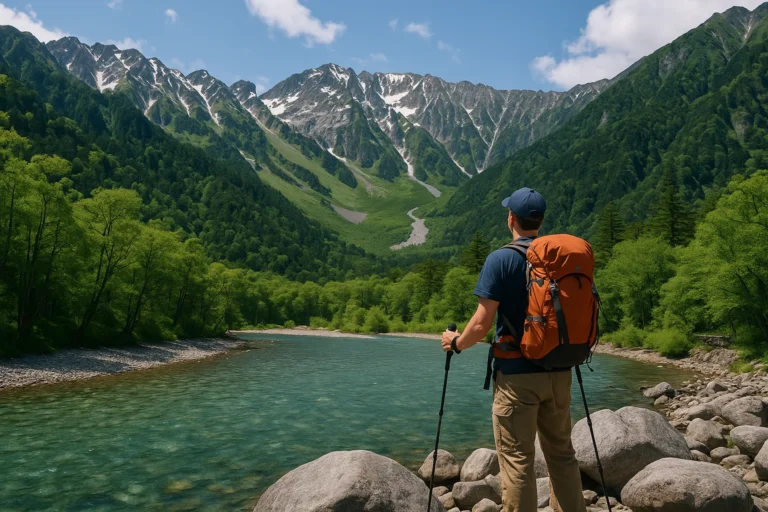
If you’ve spent time in Japan hopping between temples, neon-lit cities, and bullet trains, you already know how incredible the country is. But there’s a version of Japan that feels completely different — quieter, wilder, and somehow even more memorable. Hiking Kamikochi, Japan’s crown jewel of alpine travel, is exactly that kind of experience. Tucked deep into the Northern Japanese Alps in Nagano Prefecture, this place has a way of stopping you in your tracks — literally and figuratively.
What Kamikochi Actually Is (And Why It’s Worth the Journey)
Kamikochi isn’t a city, a temple, or a theme park. It’s a 15-kilometre-long mountain plateau carved out along the Azusa River, sitting at roughly 1,500 metres above sea level, deep inside Chubu Sangaku National Park. The valley is hemmed in on all sides by serious peaks — Okuhotakadake at 3,190 metres (the third tallest mountain in Japan), Maehotakadake at 3,090 metres, Nishihotakadake at 2,909 metres, and the volcanic Yakedake at 2,455 metres. Standing at the valley floor and looking up at those ridgelines is genuinely humbling.
It’s widely considered the most popular hiking destination in the Japanese Alps — and once you arrive, you’ll understand why immediately. The air is sharp and clean. The river runs a startling shade of turquoise-green. And the mountains seem to rise out of nowhere, impossibly tall and close. This isn’t the Japan of Instagram cherry blossom shots. It’s rawer, quieter, and in many ways more honest.
What makes Kamikochi especially interesting for young travelers is the contrast it offers. You can spend three days in Tokyo, absorbing the energy of one of the world’s most electric cities, then step off a bus into a mountain valley that feels like a completely different country. That kind of contrast is rare, and it’s exactly what makes Japan such a rewarding place to explore.
Getting There: The Logistics You Need to Know
Here’s one of the first things that surprises people: private cars are completely banned from Kamikochi. The only way in is by bus or taxi from the nearby town of Matsumoto or through connecting routes from other access points. Far from being an inconvenience, this restriction is actually one of the reasons the valley has stayed so beautifully preserved. No traffic noise. No exhaust fumes. Just the sound of the river and the wind through the trees.
From Tokyo, the most straightforward route is a combination of the Azusa limited express train to Matsumoto, followed by a bus connection toward Kamikochi. The journey takes roughly three to four hours in total, which is very manageable for a weekend trip. From Osaka or Nagoya, there are also direct highway bus options that run seasonally, making it accessible even if you’re basing yourself in the Kansai region.
A few practical notes worth keeping in mind:
- Book your bus tickets in advance during peak season — the valley gets busy, especially in autumn.
- Matsumoto is worth a night on its own. The castle there is one of Japan’s finest, and the city has a relaxed, walkable energy that pairs well with a pre-hike rest day.
- If you’re arriving early in the season or late in autumn, check current road conditions, as mountain weather can be unpredictable.
- The bus ride itself is scenic — winding through mountain passes with views that already feel like a reward before you’ve even laced up your boots.
When to Go: Seasons, Conditions, and the Sweet Spots
Kamikochi is a seasonal destination. It opens every year on April 17 and closes on November 15 — outside of those dates, the valley is inaccessible and largely buried under snow. That six-month window gives you a range of very different experiences depending on when you show up.
👉 Read also: Hidden Hiking Trails for Young Adventurers: Valbona-Theth (Albania) & Kumano Kodo (Japan) in 2026
Late April and May bring the thrill of early spring — snow still clings to the higher peaks, the crowds are thinner than summer, and there’s something deeply satisfying about being one of the first visitors of the season. The air is cold, though, and you’ll want proper layering. Temperatures at 1,500 metres can drop sharply after sunset even when it feels mild during the day.
July and August are peak season. The trails are lively, the mountain huts are fully operational, and the weather is generally stable enough for multi-day routes. This is the best window if you’re planning to tackle higher elevation hikes like those leading toward Mt. Yarigatake — the fifth tallest mountain in Japan — or the ridges of the Hotaka range. Just expect company on the trail, and book accommodation well ahead.
September and October are genuinely special. The summer crowds thin out, the air cools, and the valley transforms into a canvas of amber, gold, and deep red as the koyo (autumn foliage) arrives. Many experienced hikers consider this the finest time to visit. The light in October in particular has a quality that’s hard to describe — golden and low, cutting through the trees in long shafts that make every photograph look effortless.
Early November is for the adventurous. The season is winding down, some facilities have already closed, and frost is a real possibility at night. But the solitude is extraordinary, and if you catch a clear day, the views are unbeatable.
A Practical Two-Day Hiking Itinerary
You don’t need to be a seasoned mountaineer to enjoy Kamikochi. The valley floor itself offers gentle, well-marked walks along the Azusa River that are suitable for almost anyone. But if you want to go deeper — and you should — a two-day structure gives you the best of both worlds: accessible scenery on day one, and a more challenging push on day two.
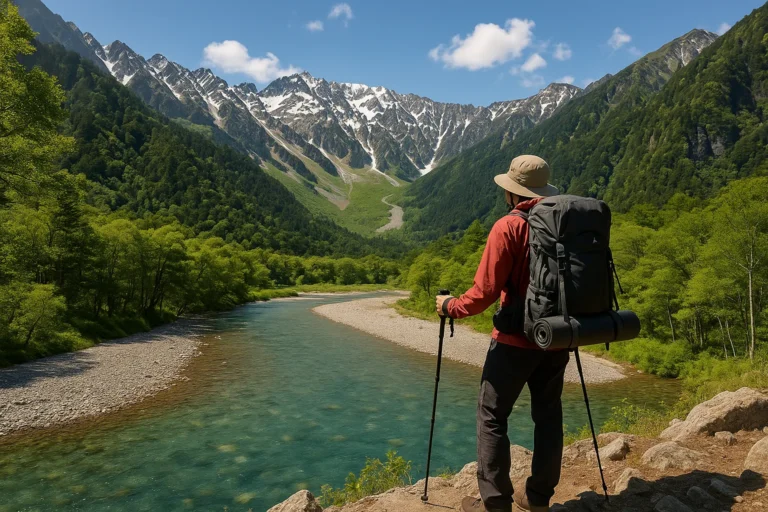
Day one is about settling in and finding your footing. Start at Kappa Bridge, the iconic wooden suspension bridge near the main bus terminal, and walk upstream along the river toward Myojin Pond. This stretch is roughly five kilometres one way and stays relatively flat. The pond itself, framed by forest and mountain reflections, is one of those places you’ll want to sit with for a while. On the return, take the opposite riverbank for a slightly different perspective. In the evening, if you’re staying in one of the valley’s mountain lodges, step outside after dark — the star visibility at this altitude, away from city light pollution, is remarkable.
Day two is where the real hiking begins. The trail toward Dakesawa and the lower slopes of the Hotaka range takes you into steeper, more demanding terrain. The path climbs through mixed forest before opening onto rocky alpine ground with sweeping views back down the valley. You don’t need technical gear for this section, but you do need proper hiking boots — trail runners at a minimum, with ankle support. The round trip from the valley floor takes most hikers between five and seven hours depending on pace and how long you linger at viewpoints.
For those with more experience and ambition, the Kamikochi-Yari-Hotaka Circuit is a celebrated three-day route that connects the valley to the upper peaks, including the dramatic spire of Mt. Yarigatake. This is a genuine mountain adventure that requires fitness, the right equipment, and ideally some prior experience with alpine hiking.
What to Pack and How to Prepare
Kamikochi rewards preparation. The valley’s elevation means conditions can shift quickly, and even in summer, mornings and evenings can be genuinely cold. Here’s what to think about before you go:
👉 Read also: Kumano Kodo Trail: Japan's Sacred Pilgrimage Hike (5 Days, Costs & Logistics)
- Layering is everything. A moisture-wicking base layer, an insulating mid-layer, and a waterproof outer shell will cover you across most conditions you’re likely to encounter.
- Footwear matters more than anything else. The valley floor trails are manageable in good trainers, but if you’re heading uphill, waterproof hiking boots with ankle support are non-negotiable.
- Bring cash. Mountain huts and some facilities in the valley operate on a cash-only basis, and ATM access is extremely limited once you’re inside the park.
- Pack snacks and a reusable water bottle. The river water in Kamikochi is famously clean, and there are designated points where you can refill. Reducing plastic waste in a protected national park is both practical and the right thing to do.
- Sun protection at altitude. UV exposure increases significantly above 1,500 metres. Sunscreen, sunglasses, and a hat aren’t optional — even on cloudy days.
- A lightweight headlamp. If you’re staying overnight and plan to be up before dawn (which you absolutely should be — sunrise over the Hotaka peaks is unforgettable), you’ll need one.
One thing first-time hikers often underestimate is the importance of pacing. The altitude in Kamikochi isn’t extreme enough to cause serious altitude sickness for most people, but it does mean your body works a little harder than usual. Take your time on the ascents, drink plenty of water, and don’t feel like you need to rush. The whole point of being here is to slow down.
Beyond the Trail: What Makes Kamikochi Feel Different
There’s a reason hiking Kamikochi, Japan’s most celebrated alpine valley, leaves such a lasting impression on people who’ve also done the classic tourist circuit. It’s not just the scenery, though that’s extraordinary. It’s the atmosphere — the sense that you’ve stepped into a place that operates on its own terms, completely indifferent to trends or tourism cycles.
The Taisho Pond, near the southern entrance to the valley, is one of the most quietly spectacular sights in the whole of Japan. Dead trees rise from the water’s surface, remnants of a volcanic event that created the pond over a century ago, and the Hotaka peaks reflect in the still water on calm mornings. It looks like a painting. It’s also free to visit and only a short walk from the main bus stop.
The mountain huts scattered throughout the valley and on the routes above it are worth mentioning too. Staying in one is a genuine cultural experience. You’ll share meals with other hikers, sleep in close quarters, and wake up to the smell of miso soup and mountain air. It’s communal, warm, and exactly the kind of travel memory that sticks with you long after you’ve forgotten the name of whatever hotel you stayed in on the city leg of your trip.
For travelers who’ve been working their way through Japan’s famous highlights — the temples of Kyoto, the chaos of Shibuya, the deer parks of Nara — Kamikochi offers something genuinely different. It’s a reminder that Japan’s most powerful landscapes aren’t always the ones with the longest queues. You can find the full practical overview of Kamikochi on Japan Guide, which is consistently reliable for logistics and seasonal updates.
Respecting the Space You’re Visiting
Kamikochi’s preservation is a direct result of the restrictions placed on access and behaviour within the park. Private vehicles are banned, development is tightly controlled, and visitors are expected to follow leave-no-trace principles. This isn’t bureaucracy for its own sake — it’s what keeps the valley looking the way it does.
Take your rubbish out with you. Stay on marked trails, especially above the treeline where vegetation is fragile and slow to recover. Keep noise down near wildlife. And if you’re visiting during peak season, be patient with the crowds — everyone there is chasing the same thing you are, and a little goodwill goes a long way on a narrow mountain path.
The fact that Kamikochi remains as pristine as it does, despite being the most popular hiking destination in the Japanese Alps, is genuinely impressive. Keeping it that way is a collective responsibility, and travelers who take that seriously tend to leave with a deeper connection to the place.
Kamikochi doesn’t need to be on every traveler’s radar to be worth your time — in fact, the people who find it are often the ones who came looking for something beyond the obvious. If you’re already planning a trip to Japan and wondering whether to add a few days in the mountains, the answer is almost certainly yes. Pack your boots, book your bus, and give yourself the time to actually be there. The peaks will do the rest.
This article was produced with AI assistance and reviewed editorially.


Quito, Ecuador: From Stopover to 10-Day Adventure in the Andes

Ecuador & South America’s Gateway: Quito as a Base for Adventure


