
Turkey
Turkey’s Coastal Towns: Where to Stay in Bodrum & Other Aegean Gems
Find the best neighborhoods to stay in Bodrum, from central beaches to quieter Bitez and Yalikavak. Budget tips, seasonal pricing, and local insights for Turkish Aegean t

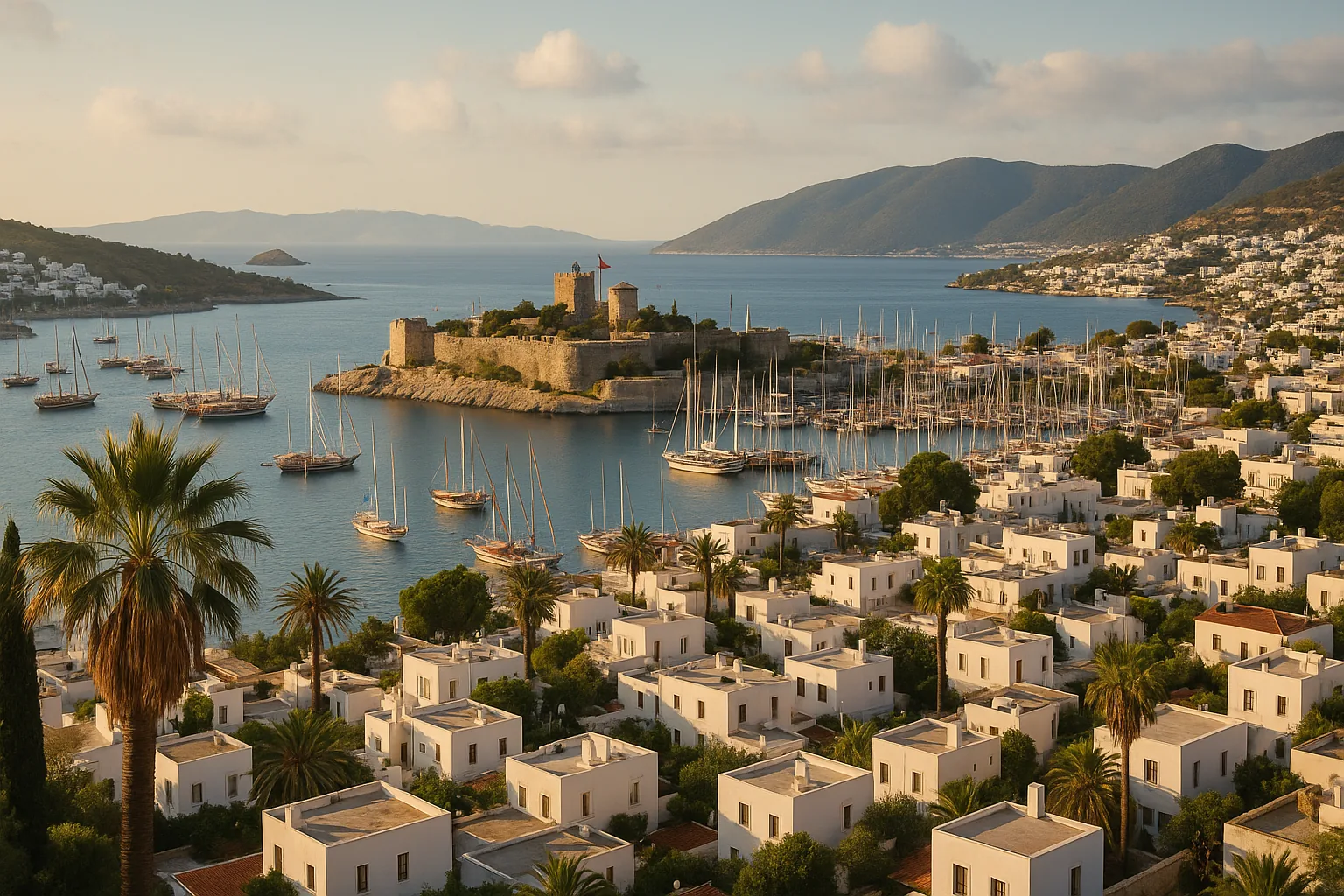
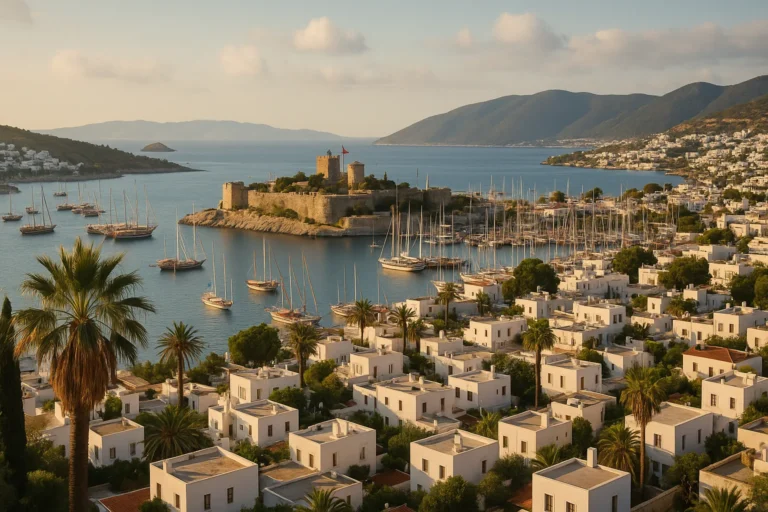
Turkey’s Aegean coastline is one of those places that quietly gets under your skin. You arrive expecting beautiful beaches and maybe some decent food, and you leave having completely rearranged your travel priorities. Bodrum sits at the heart of this stretch of coast — often called the ‘St. Tropez of Turkey’ — and it delivers on almost every level: vivid nightlife, ancient history, sparkling water, and a social energy that pulls you in from the moment you step off the bus. But figuring out where to stay in Bodrum, and how to navigate the wider Aegean coast without blowing your budget or missing the good stuff, takes a bit of insider knowledge. This guide covers all of it.
Why Bodrum Deserves More Than a Passing Visit
Bodrum isn’t just a beach destination. It’s a place where ancient history and modern energy collide in a way that feels genuinely exciting rather than forced. The iconic Bodrum Castle rises above the harbour, its stone walls reflected in water dotted with white-sailed gulets. Wander down into the marina and you’ll find upscale bars and restaurants alongside fishermen unloading their catch at dawn. That contrast — the old and the new, the local and the cosmopolitan — is what makes Bodrum worth more than a quick overnight stop.
The town is also more touristy than many other spots along the Turkish coast, and it’s worth knowing that going in. Bodrum is a much busier, more touristy city than Marmaris, for example, which means higher prices in peak season and more crowded beaches. But it also means better infrastructure for travelers, more transport connections, and a wider range of places to stay. If you come prepared, the energy works in your favour.
And then there’s the history. The surrounding region connects to some of the ancient world’s most significant sites, including Ephesus — which at the height of its existence was the second largest city of Rome. You don’t have to be a history enthusiast to feel the weight of that. Standing among those ruins, it’s hard not to feel something shift.
Choosing Where to Stay in Bodrum: A Neighbourhood Guide
The question of where to stay in Bodrum really comes down to what kind of trip you want. The peninsula spreads out across several distinct areas, each with its own character, pace, and price point. Knowing the differences before you book saves you from landing in the wrong spot for your travel style.
Central Bodrum
Central Bodrum is where most of the action is concentrated. The castle, the harbour, the main bazaar streets, the rooftop bars — all of it is within walking distance if you base yourself here. Accommodation ranges from small family-run guesthouses tucked into whitewashed alleyways to more polished boutique hotels with sea views. It’s the most convenient option if you want to be in the middle of things, though it’s also the noisiest and, in peak summer months, the most expensive.
If you’re traveling on a tighter budget, look for small guesthouses and pansiyons — the Turkish equivalent of a bed and breakfast — in the streets slightly back from the waterfront. They’re quieter, more affordable, and often run by local families who can point you toward the best spots in town. Hostels exist here too, though the selection is smaller than you’d find in Istanbul. Booking platforms that aggregate local rentals are worth checking as an alternative to chain hotels, especially if you’re traveling with a small group and want a kitchen.
Bitez
Bitez sits a short drive west of central Bodrum and has a noticeably calmer atmosphere. The beach here is long and relatively uncrowded compared to the town centre, and the bay is sheltered enough to make it popular with windsurfers and families. If you want to spend your days on the water without the full intensity of central Bodrum’s social scene, Bitez is a strong choice.
Accommodation in Bitez tends toward smaller guesthouses, self-catering apartments, and holiday villas. It’s a good area for travelers who want flexibility — being able to cook your own meals matters when you’re trying to stretch your budget across a longer trip. The local café scene is genuinely pleasant, with places serving fresh gözleme and strong Turkish tea at prices that remind you you’re not in a tourist trap.
👉 Read also: Island Hopping on a Budget: Where to Stay in Greece's Milos, Capri, and the Isles of Scilly
Ortakent
Further along the peninsula, Ortakent feels even more removed from the tourist circuit. It’s a quieter village with a long sandy beach and a slower rhythm that suits travelers who want to actually decompress rather than just change location. The accommodation here is mostly small family-run places and self-catering apartments, which keeps costs down and gives you a more authentic sense of daily life on the peninsula.
Ortakent is worth considering if you’re spending a week or more in the area. The beach is one of the best on the peninsula, the evenings are peaceful, and you’re still close enough to central Bodrum to dip in when you want the energy of the town.
Yalıkavak
Yalıkavak, on the northwestern tip of the peninsula, has evolved into one of the most fashionable corners of the Turkish Aegean. Its marina is a destination in itself, lined with restaurants and boutiques, and the sunsets from this side of the peninsula are genuinely spectacular. It attracts a wealthier crowd, which pushes prices up, but there are still affordable guesthouses in the village if you look beyond the waterfront.
For young travelers, Yalıkavak works well as a day trip from central Bodrum rather than a base. Spend an afternoon there, grab dinner at the marina as the light fades over the Aegean, and head back. That way you get the experience without paying the premium for accommodation.
Timing Your Visit: Seasons and What They Mean for Your Trip
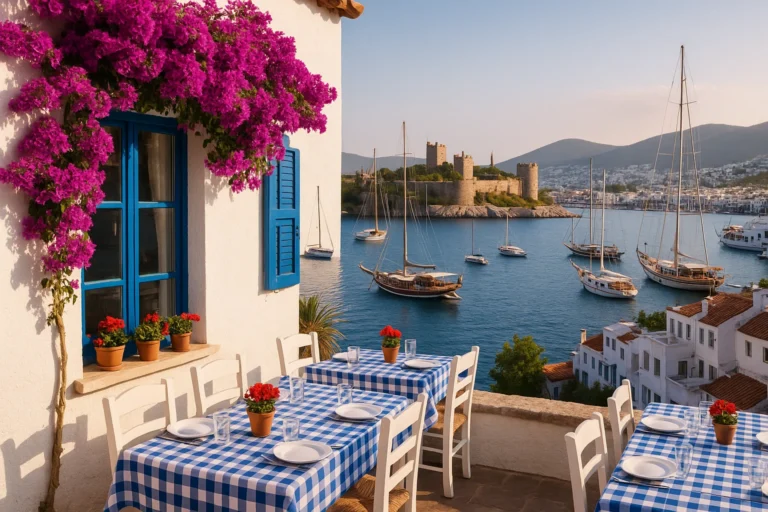
The Turkish Aegean coast follows a clear seasonal rhythm, and understanding it helps you plan smarter. Peak season runs roughly from late June through August, when temperatures are at their highest, the beaches are at their most crowded, and prices across all accommodation types spike significantly. If you’re flexible, this is the period to avoid — or at least to book well in advance if you have no choice.
Late spring (May to early June) and early autumn (September to October) are widely considered the sweet spots. The sea is warm enough to swim in, the crowds have thinned, and prices drop noticeably. The light in September along this coast is extraordinary — golden and soft in a way that makes everything look slightly cinematic. Restaurants are less rushed, locals are more relaxed, and you’re more likely to have a genuine conversation rather than a transactional one.
If you’re on a tight budget, shoulder season is where the real value is. Guesthouses that charge peak-season rates in July and August will often negotiate in May or October, especially for longer stays. It’s worth asking directly rather than relying entirely on booking platforms, which don’t always reflect the flexibility that’s available in quieter months.
Eating, Drinking, and Finding the Local Scene
One of the easiest ways to drain your travel budget in Bodrum is to eat exclusively at the waterfront restaurants aimed at tourists. The food is usually fine, but you’re paying for the view, not the cooking. Move one or two streets back from the harbour and the picture changes completely.
Look for small lokanta — traditional Turkish lunch restaurants that serve a rotating menu of home-cooked dishes. You point at what you want, you pay a fraction of what you’d pay on the seafront, and the food is often far better. Fresh meze, grilled fish, pide, and lahmacun are all worth seeking out. Markets are another good option for self-catering travelers — fresh produce, olives, cheese, and bread at prices that make eating well genuinely affordable.
👉 Read also: Hidden Gems Beyond the Main Strip: Where to Actually Stay in Popular Destinations
Bodrum’s nightlife is well-established and genuinely lively. The central area has everything from rooftop bars with sea views to clubs that run well into the early hours. Kusadasi, further north along the coast, also has vibrant nightlife and seaside promenades if you’re moving through multiple towns. The key is to pace yourself — the Aegean coast is best explored slowly, not rushed through in a blur of late nights and early buses.
Day Trips and Getting Around the Aegean Coast
One of Bodrum’s real strengths as a base is how well-connected it is. There are many day trips from Bodrum that allow you to explore coastal beaches or the islands of the Aegean Sea. The most striking option is the ferry to Kos, Greece — a short crossing that drops you into a completely different atmosphere while keeping you geographically close. It’s the kind of spontaneous border-crossing that makes travel feel genuinely adventurous.
Boat trips around the peninsula are a staple of the Bodrum experience, and for good reason. Hiring a spot on a shared gulet — the traditional Turkish wooden sailing boat — for a day of island-hopping and swimming in clear water is one of those experiences that’s hard to replicate anywhere else. Prices vary, so it’s worth comparing a few options at the harbour rather than booking the first one you see.
Further afield, the Aegean coast opens up into a string of towns that each deserve time. Marmaris, where the Aegean meets the Mediterranean, has transformed from a fishing village into a harbour city for exclusive yachts — but it retains a more relaxed character than Bodrum, and the bay’s many islands make the water noticeably calmer. It’s a solid next stop if you’re moving south.
Fethiye is one of the most rewarding destinations on the entire coast. Famous for its natural harbour, ancient Lycian rock tombs carved directly into the cliffs above the town, and the nearby Ölüdeniz Beach — often described as the most photographed beach in the world — it’s a place that rewards slow exploration. The combination of history, natural beauty, and a genuinely welcoming local atmosphere makes it a highlight of any Aegean journey.
If you dive, or have ever thought about learning, Kaş is worth a detour. It’s a popular destination for divers, offering rich underwater ecosystems and ancient shipwrecks that sit in remarkably clear water. The town itself is small and charming, with a laid-back atmosphere that contrasts pleasantly with Bodrum’s intensity.
For transport between towns, dolmuş — shared minibuses — are the most affordable and often the most interesting way to travel. They run frequently along the coast, connect smaller villages to larger towns, and give you a far more authentic experience than private transfers. Long-distance buses between major coastal cities are comfortable and reasonably priced. For the ferry to Kos and other island crossings, booking a day or two ahead during peak season is sensible. You can find more detailed ferry and transport information through Turkish Riviera Homes’ coastal town guide, which covers the broader geography of the region.
Beyond Bodrum: Other Aegean Towns Worth Your Time
The Aegean coast stretches from near Istanbul all the way down to the Marmaris peninsula, and there’s genuine variety across that distance. Kusadasi in the north is a lively town with a strong social scene and easy access to the ruins of Ephesus — one of the most significant ancient sites in the world. If you’re making your way down the coast, it’s worth spending at least a couple of nights here.
Further east, Antalya — sometimes called the ‘Turquoise Paradise’ — anchors the Mediterranean end of this coastal stretch. Its beaches, including Lara Beach and Konyaalti Beach, are among the most visited in Turkey, and the old city quarter has a warmth and character that makes it easy to linger. And then there’s Alanya, a bustling resort town that balances historical sites with a vibrant nightlife and the kind of beach energy that suits travelers who want sun, sea, and a social atmosphere in equal measure.
The Turkish Aegean coast isn’t a single destination — it’s a journey. The towns are different enough from each other to reward exploration, and connected enough to make moving between them genuinely easy. Whether you anchor yourself in Bodrum for a week and make day trips, or move slowly from town to town with a loose itinerary, you’re going to collect the kind of memories that make you want to come back. Start in Bodrum, get your bearings, find a guesthouse in a neighbourhood that suits your pace — and then let the coast do the rest.
This article was produced with AI assistance and reviewed editorially.


Almaty & Tashkent: Central Asia’s Modern Cities Beyond the Silk Road Clichés

Stay Smart in Asia: Budget Accommodation in Osaka, Kyoto & Kuala Lumpur 2026


