
LATAM
Central & South America’s Best-Kept Secrets: Granada, Quito & Colombia’s Caribbean Coast
Discover hidden gems central south america—from Granada’s colonial streets to Quito’s mountain culture and Colombia’s Caribbean coast. Real traveler insights inside.

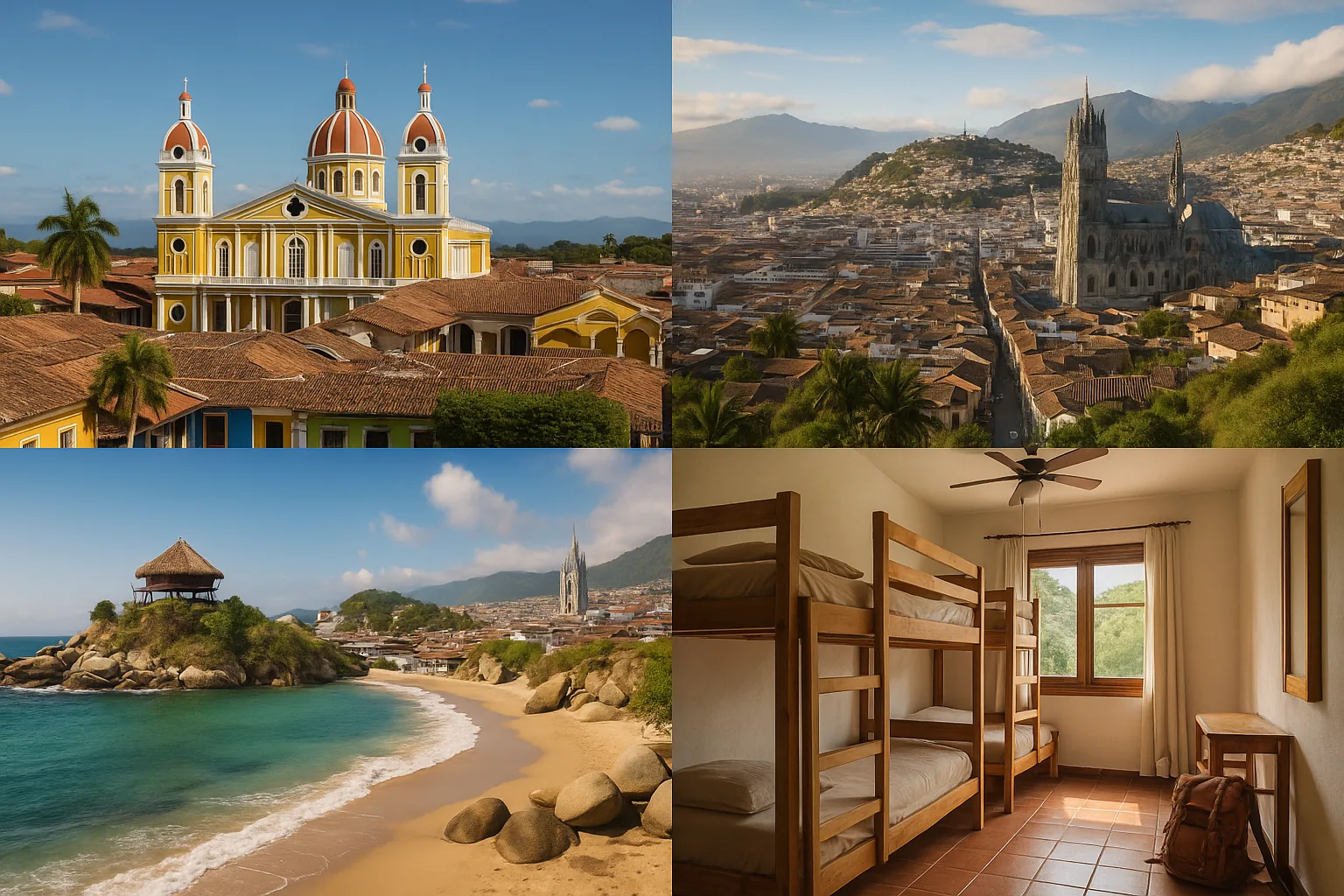
If you’re the kind of traveler who gets restless scrolling through the same Instagram-famous spots, Central and South America have something far more rewarding waiting for you. The hidden gems of central and south america stretch from colonial hilltop towns in Nicaragua to Andean mountain cities in Ecuador and wild Caribbean coastlines in Colombia — and most of them are still blissfully under the radar. This guide takes you through three distinct corners of Latin America that deserve a serious spot on your travel list, with the kind of honest, practical detail that actually helps you plan.
Granada, Nicaragua: Colonial Color Without the Crowds
Granada sits on the western shore of Lake Nicaragua, and the moment you step off the bus, you understand why travelers who find it tend to stay longer than planned. The streets are painted in deep yellows, burnt oranges, and colonial blues — colors that look almost unreal in the afternoon light. It’s one of the oldest European-founded cities in the Americas, and that history is written into every archway and cobblestone lane.
What makes Granada different from the colonial cities you’ve probably already heard of is the pace. There’s no rush here. Locals sit in the central park in the evenings, street vendors sell vigorón and nacatamales, and the cathedral glows gold against a darkening sky. You don’t need a plan — just wander, and the city reveals itself.
From the rooftop of the Iglesia de La Merced, you can look out over the city’s terracotta rooftops toward the lake and the distant silhouette of Mombacho Volcano. It’s one of those views that stays with you. If you want to get out of the city for a day, boat trips through the Las Isletas — a cluster of small islands formed by an ancient volcanic eruption — are affordable, easy to arrange, and genuinely beautiful.
Granada is also a great base for travelers on a budget. Accommodation is inexpensive compared to most of the region, food is filling and cheap, and the local culture is warm and accessible. It rewards curiosity. Spend a morning in the Mercado Municipal, get lost in the side streets south of the park, and you’ll start to feel like you actually live here — even if it’s just for a few days.
Quito, Ecuador: High-Altitude Culture That Hits Different
Quito sits at roughly 2,850 meters above sea level, nestled between the folds of the Andes, and it has the kind of energy that’s hard to put into words until you’re actually there. It’s a city that takes your breath away — sometimes literally, as your body adjusts to the altitude — but mostly because of what it offers: a UNESCO-listed historic center, a thriving arts scene, volcanic landscapes on the horizon, and a local food culture that’s quietly becoming one of the most exciting in South America.
The Centro Histórico is the heart of the city and one of the best-preserved colonial centers on the continent. The Basílica del Voto Nacional, the Plaza Grande, and the ornate churches that line the hillside streets are all worth exploring on foot. But Quito isn’t just about the past. The neighborhood of La Floresta is full of independent cafés, street art, and creative spaces that reflect a younger, more contemporary side of the city.
One of the best things you can do in Quito is eat. Ceviche de chochos, llapingachos, and seco de pollo are just a few of the local dishes you should be actively seeking out. Head to the Mercado Central for a lunch that costs almost nothing and tastes extraordinary. Sit next to strangers, point at what they’re eating, and order the same thing. That’s the kind of travel memory that sticks.
👉 Read also: Latin America's Colonial Gems: Granada, Quito & Beyond for Culture-Hungry Travelers
Day trips from Quito are exceptional. The Mitad del Mundo monument marks the equatorial line just outside the city, and the Quilotoa Loop — a hiking route through indigenous villages and volcanic crater lakes — is one of the most rewarding adventures in Ecuador. If you’re willing to get up early, the views from the Teleférico cable car over the city and surrounding peaks are worth every second of lost sleep.
Getting the Most Out of Quito on a Budget
Quito is more affordable than many travelers expect. The trole and ecovía bus systems cover most of the city for a fraction of what you’d pay for a taxi. Free walking tours of the historic center run daily and are genuinely excellent — tip what you can and ask your guide for restaurant recommendations afterward. Most hostels in the Mariscal and La Floresta neighborhoods are well-run, social, and well-connected to the city’s best experiences.
- Allow at least a day to adjust to the altitude before doing anything strenuous
- Drink agua aromática — herbal tea — to help with acclimatization
- Book day trips through your hostel rather than tourist agencies to save money
- Visit the Mercado Central for lunch between 12 and 2 pm when it’s busiest and freshest
- Walk the historic center in the morning before tour groups arrive
Colombia’s Caribbean Coast: Where the Hidden Gems of Central and South America Get Wild
Colombia’s Caribbean coast is one of those places that genuinely has something for every kind of traveler — and yet it still feels like a secret compared to the European and Southeast Asian routes that dominate most travel conversations. Colombia is one of the most biodiverse countries in the world, home to both lush rainforests and arid regions, and nowhere is that contrast more visible than along this stretch of coastline. You can go from dense jungle to white sand beach to vibrant Afro-Colombian villages within a single day.
Most travelers start in Cartagena, which is a UNESCO World Heritage site and one of the most photogenic cities in Latin America. The walled city — La Ciudad Amurallada — is a maze of bougainvillea-draped balconies, cobbled plazas, and colonial mansions that have been converted into boutique hotels and rooftop bars. It’s worth spending a couple of days here, but don’t stop there. The coast beyond Cartagena is where things get genuinely interesting.
The Rosario Islands: Snorkeling and Stillness
A short boat ride from Cartagena, the Rosario Islands are located off Colombia’s Caribbean coast and are ideal for snorkeling and diving. The water here is clear and warm, the coral reefs are alive with color, and the pace of life slows down to something close to perfect. You can take a day trip from Cartagena, but staying overnight on the islands gives you access to the quieter hours — early morning, when the day-trippers haven’t arrived, and evening, when the sky turns colors you won’t find anywhere else.
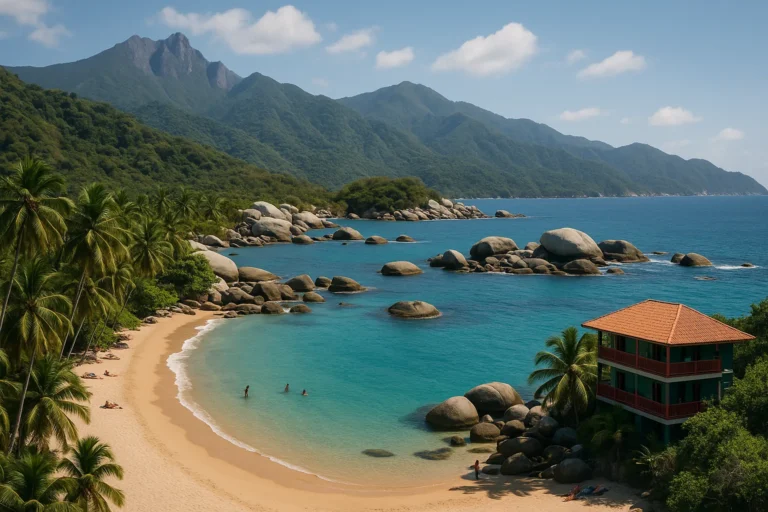
Pack light, bring reef-safe sunscreen, and leave your itinerary on the boat. The Rosario Islands reward spontaneity.
Tayrona Park: Jungle Meets the Sea
Tayrona Park is located along Colombia’s Caribbean coast and features lush jungle that tumbles right down to the water’s edge. It’s one of those places that looks like it was designed to make your jaw drop — except it wasn’t designed at all. It’s completely wild. Hiking trails wind through dense forest, past ancient indigenous ruins, and down to beaches that feel genuinely remote even when they’re not.
The most popular beach within the park, Cabo San Juan, is worth the hike to reach it. You can sleep in hammocks strung between palm trees right on the beach, which is exactly as good as it sounds. Get there early if you want a hammock, and go in the shoulder season if you want the trails to yourself.
👉 Read also: Latin America Uncovered: Granada, Quito & Lima—Colonial Cities & Mountain Vibes
Be aware that Tayrona has entry requirements and visitor limits — it’s worth checking the current rules before you go, as the park periodically closes for environmental recovery. That’s not a downside; it’s a sign that Colombia takes this place seriously, and you should too.
Playa Blanca and Palenque: Culture Beyond the Beach
Playa Blanca is a beach on Colombia’s Caribbean coast with turquoise water and white sand that genuinely lives up to its name. It’s more accessible than Tayrona and a great option if you want a beach day without a long hike. Vendors sell fresh fish and cold drinks along the shore, and the atmosphere is relaxed and social.
But one of the most meaningful stops on the Caribbean coast isn’t a beach at all. Palenque is a location known for its Afro-Colombian music and culture, and it’s the kind of place that shifts your perspective. Founded by formerly enslaved Africans who won their freedom centuries ago, Palenque has preserved a unique language, musical tradition, and cultural identity that you won’t find anywhere else in the world. The music — rhythmic, powerful, and deeply rooted in history — fills the streets in a way that feels both ancient and completely alive.
Visiting Palenque with a local guide makes a real difference. It’s not a tourist attraction; it’s a living community, and approaching it with genuine curiosity and respect is the only way to go.
Practical Tips for Traveling These Routes
These three destinations — Granada, Quito, and Colombia’s Caribbean coast — can be combined into a single multi-week trip, or each can stand alone as the focus of a shorter journey. Here’s what you need to know before you go.
- Visa requirements vary by nationality. Check current requirements for Nicaragua, Ecuador, and Colombia separately before booking anything.
- Safety in all three destinations has improved significantly, but standard travel awareness still applies — keep valuables out of sight, use registered taxis or ride-sharing apps, and ask your accommodation for neighborhood-specific advice.
- Language is Spanish across all three countries. Even basic Spanish goes a long way and opens doors that guidebooks can’t.
- Best time to visit Colombia’s Caribbean coast is generally between December and April, when rainfall is lower and the sea is calmer. Quito and Granada have relatively stable climates year-round, though dry seasons vary.
- Getting around between destinations requires a mix of local buses, domestic flights, and the occasional boat. Budget extra time — this is Latin America, and schedules are suggestions, not guarantees.
- Money: carry local currency in cash for smaller towns and markets. Card acceptance is improving but still inconsistent outside major cities.
Why These Places Still Feel Like Secrets
The hidden gems of central and south america share something in common: they haven’t been packaged, polished, and sold to the masses yet. Granada doesn’t have a theme-park version of itself. Quito doesn’t have an international chain hotel on every corner. And Colombia’s Caribbean coast — beyond Cartagena’s famous walls — still has stretches of beach and jungle where you might spend an entire afternoon without seeing another traveler.
That’s not an accident. It’s a combination of geography, infrastructure, and the simple fact that most travelers follow the same well-worn routes. When you step off those routes, you find the version of travel that actually changes you — the conversations with strangers, the meals you didn’t know existed, the moments of quiet beauty that no one told you to look for.
For a deeper look at Colombia’s Caribbean coast specifically, KimKim’s Colombia Caribbean coast guide is a solid resource with detailed regional information.
The real reason to seek out places like these isn’t to avoid other tourists. It’s to find the version of a destination that’s still shaped by the people who actually live there. Granada’s colors, Quito’s markets, Palenque’s music — these aren’t curated for visitors. They exist because they’ve always existed. You just have to show up, pay attention, and let the place do the rest. That’s what travel at its best actually feels like — and these three corners of Latin America are very, very good at it.
This article was produced with AI assistance and reviewed editorially.


SafetyWing Travel Insurance: Real Claims Process Review & What Actually Happens When You Need It

Underrated Cities in Southeast Asia and South America: Hat Yai, Vung Tau & Quito


