
Asia
Japan for First-Timers: A 2-Week Itinerary + 31 Essential Travel Tips for 2026
Plan your two-week Japan trip with this realistic itinerary covering Tokyo, Kyoto, and regional stops, plus practical tips for first-time visitors in 2026.

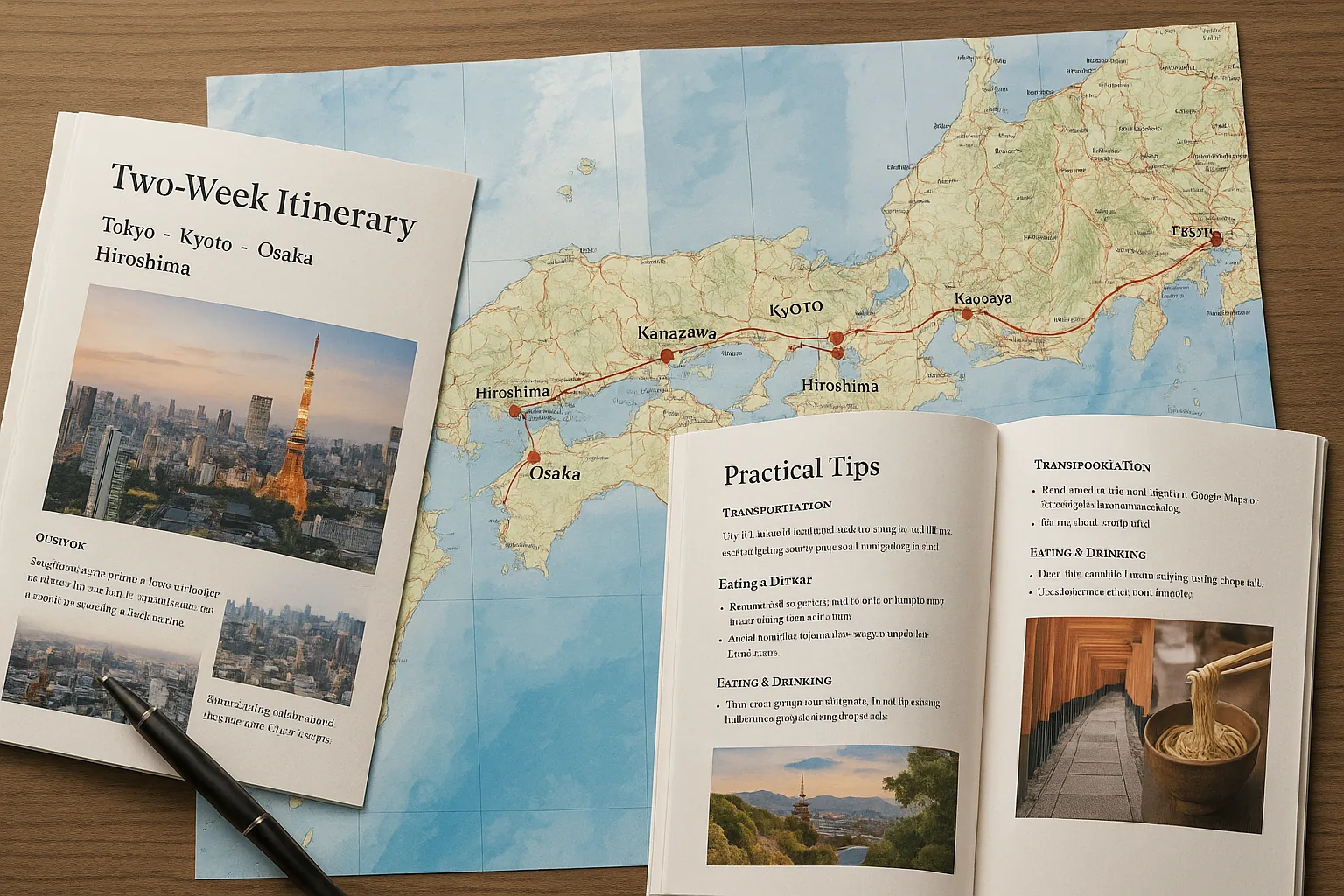
Japan has a way of getting under your skin before you even board the plane. The mix of ancient temples, neon-lit streets, world-class food, and a culture that feels genuinely unlike anywhere else makes it one of the most talked-about destinations among young travelers right now — and for good reason. Planning a japan itinerary two weeks long is widely considered the sweet spot for first-timers: enough time to move between major cities, take a few day trips, and actually breathe between experiences rather than sprinting from one sight to the next. This guide brings together a realistic, well-paced route and a collection of practical tips to help you arrive informed, curious, and ready to make the most of every day.
Why Two Weeks in Japan Works So Well
A lot of people wonder whether two weeks is enough — or too much. The honest answer is that it’s close to ideal for a first visit. You won’t see everything (nobody does), but you’ll cover enough ground to understand why Japan keeps pulling travelers back for second and third trips.
With fourteen days, you can spend real time in Tokyo without rushing, make your way through the cultural heartland of Kyoto, and still squeeze in smaller stops that give the trip texture and depth. Japan’s train network makes this kind of multi-city journey genuinely easy. The shinkansen — Japan’s bullet train system — connects major cities in minutes or hours rather than days, so moving around doesn’t feel like a chore. It feels like part of the adventure.
Two weeks also gives you enough flexibility to slow down when a place surprises you. Maybe you’ll spend an unplanned afternoon wandering a neighborhood you stumbled into. Maybe a conversation with a local sends you somewhere you’d never have found in a guidebook. That kind of spontaneity is exactly what makes a trip memorable — and it only happens when you’re not completely overscheduled.
A Realistic Two-Week Route for First-Timers
There are countless ways to structure a japan itinerary two weeks long, but the route below balances iconic experiences with a few less-obvious stops that most travelers are glad they included. Think of it as a framework you can adapt rather than a rigid schedule.
Tokyo — Days 1 to 4
Start in Tokyo and give yourself four nights to settle in. The jet lag is real, and Tokyo is a city that rewards slow exploration. On your first day, resist the urge to power through a list. Walk around your neighborhood, find a convenience store (yes, really — Japanese convenience stores are genuinely worth your time), and let the city come to you.
Over the next few days, move between Shinjuku, Shibuya, Harajuku, Asakusa, and Akihabara. Each district has its own personality. Asakusa gives you old Tokyo — the Senso-ji temple, traditional craft shops, rickshaws. Shibuya gives you the famous crossing and the buzzing energy of modern Japan. Harajuku offers street fashion and the peaceful contrast of Meiji Jingu shrine hidden behind its forest. Don’t try to tick every box. Pick the areas that interest you most and go deep rather than wide.
A day trip to Kamakura — about an hour from central Tokyo by train — is well worth it. The giant Daibutsu (Great Buddha) statue is genuinely striking, and the coastal town has a relaxed energy that contrasts nicely with the city.
👉 Read also: Thailand Itinerary 2026: How to Spend 2, 4, or 6 Weeks (Realistic Routes)
Kanazawa — Day 5
Instead of heading straight to Kyoto, consider breaking the journey in Kanazawa for a night. This city on the Sea of Japan coast often gets called “little Kyoto,” but it deserves more credit than that comparison suggests. The Higashi Chaya geisha district, the sprawling Kenroku-en garden, and a seriously impressive fish market make it a highlight that many first-timers skip and later regret.
Takayama — Days 6 and 7
Two nights in Takayama in the Japanese Alps gives the itinerary a completely different feel. This is old Japan in the best possible sense — preserved wooden merchant houses, sake breweries, mountain air, and morning markets that have been running for centuries. If your trip falls in the right season, the surrounding landscape is extraordinary. From Takayama, you can also visit Shirakawa-go, a UNESCO-listed village famous for its steep-roofed gassho-zukuri farmhouses.
Kyoto — Days 8 to 11
Four nights in Kyoto is the right amount of time to experience the city properly without burning out. Kyoto is where Japan’s cultural depth becomes impossible to ignore. The Fushimi Inari shrine — with its thousands of vermillion torii gates winding up a forested mountain — is as striking in person as it looks in photos. Go early in the morning to beat the crowds. The Arashiyama bamboo grove, Kinkaku-ji (the Golden Pavilion), and the preserved geisha district of Gion are all within reach.
Use one of your Kyoto days for a day trip to Nara, about 45 minutes away by train. The friendly deer that roam freely around Todai-ji temple are one of those experiences that sounds gimmicky until you’re actually there, and then it’s genuinely wonderful.
Hiroshima — Day 12
A single night in Hiroshima is enough to visit the Peace Memorial Park and Museum, one of the most moving and important sites in Japan. It’s a heavy day, emotionally, but it’s one that most travelers say changed how they saw the trip. From Hiroshima, a short ferry ride takes you to Miyajima Island, where the famous Itsukushima shrine appears to float on the water at high tide. Try to time your visit around the tides for the full effect.
Osaka — Days 13 and 14
End your trip in Osaka, which is the perfect city to finish on. It’s louder, grittier, and more food-obsessed than anywhere else you’ll have visited. Dotonbori at night — neon signs reflecting off the canal, street food stalls, the general sense of joyful chaos — is one of those scenes you’ll remember for years. Eat takoyaki (octopus balls), okonomiyaki (savory pancakes), and as much street food as you can manage. Osaka takes its food culture seriously, and so should you.
Getting Around: Transport Tips That Actually Matter
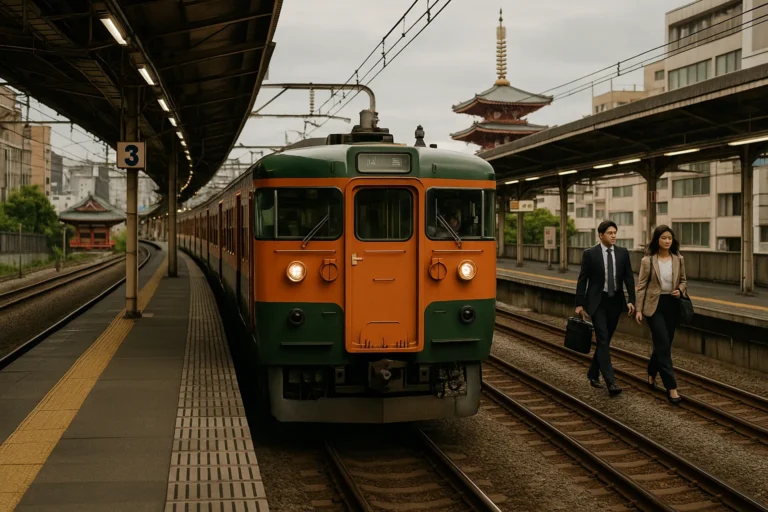
Japan’s public transport system is famously efficient, but it can feel overwhelming when you first arrive. A few things will make your life significantly easier.
- Get an IC card (like Suica or ICOCA) as soon as you arrive. These rechargeable cards work on trains, buses, and even in many convenience stores across the country. They save you from buying individual tickets every time you move.
- If you’re following a route like the one above — with multiple long-distance train journeys — look into a Japan Rail Pass before you travel. It’s only available for purchase outside Japan and can save you a significant amount if you’re covering a lot of ground.
- Google Maps works extremely well in Japan and gives accurate train directions including platform numbers and transfer times. Download offline maps for the areas you’ll be visiting, just in case.
- Taxis exist but are expensive. Use them only when you really need to — late at night or when you’re carrying heavy luggage.
- Within cities, walking is often the best option. Tokyo and Kyoto in particular reveal a lot more when you’re on foot.
Cultural Etiquette: The Unwritten Rules Worth Knowing
Japan has a strong culture of consideration for others, and being aware of a few basic customs will make your experience richer and help you avoid accidentally causing offence.
👉 Read also: Budget Stays in Japan: Capsule Hotels, Airbnbs & Guesthouses Across Tokyo, Kyoto & Mt. Fuji
- Remove your shoes when entering someone’s home, many traditional restaurants, and some temples. Look for the step up at the entrance — that’s your cue.
- Don’t eat or drink while walking. It’s considered impolite in most contexts. Eating at a stall or a designated spot is fine; strolling down the street with a bowl of ramen is not.
- On trains and buses, keep your voice low, put your phone on silent, and avoid talking on calls. Quiet carriages are the norm, not the exception.
- Rubbish bins are rare in public spaces, so carry a small bag for your waste until you find one — usually near a convenience store.
- Tipping is not part of Japanese culture and can actually cause confusion or discomfort. Excellent service is simply the standard, not something that requires extra payment.
- When visiting shrines and temples, follow the rituals if you’re comfortable doing so — rinsing your hands at the temizuya (water basin) before entering is a sign of respect.
- Bowing is the standard greeting. A small nod or shallow bow is perfectly appropriate from a visitor. Don’t overthink it — the gesture is appreciated even when it’s imperfect.
Food: How to Eat Well Without a Plan
One of the great joys of traveling in Japan is that eating well requires almost no effort. The food culture is so deeply embedded that even the most ordinary-looking restaurant or convenience store is likely to serve something genuinely good.
Don’t limit yourself to sit-down restaurants. Convenience stores like 7-Eleven, Lawson, and FamilyMart in Japan are a different category from what you’re used to at home. Fresh onigiri (rice balls), hot foods, sandwiches, and bento boxes are all available around the clock at very low prices. Many travelers end up relying on them for quick breakfasts or late-night meals, and they’re genuinely enjoyable.
Ramen, sushi, tempura, yakitori, udon, soba — these aren’t just tourist foods. They’re everyday meals that Japanese people eat regularly, and you’ll find excellent versions of all of them at every price point. Conveyor belt sushi (kaiten-zushi) is a fun, affordable option. Standing ramen bars are quick and satisfying. Department store basement food halls (depachika) are worth visiting just to see the variety.
If you have dietary restrictions, it’s worth learning a few phrases or carrying a card written in Japanese explaining what you can’t eat. Vegetarian and vegan options exist but require more effort to find in some areas, particularly outside major cities.
Practical Tips to Make the Trip Run Smoothly
Beyond the itinerary and the cultural etiquette, a handful of practical details can make a real difference to how your trip feels day to day.
- Pocket Wi-Fi or a local SIM card is essential. You’ll be using maps, translation apps, and transport information constantly. Sort this out before you arrive — many travelers arrange pick-up at the airport.
- Carry cash. Japan remains more cash-dependent than most developed countries, and many smaller restaurants, temples, and local shops don’t accept cards. ATMs at 7-Eleven and Japan Post offices reliably accept foreign cards.
- Pack light if you can. Moving between cities with heavy luggage on busy trains is genuinely tiring. Many travelers use Japan’s takkyubin luggage forwarding service to send bags ahead to their next hotel — it’s affordable, reliable, and takes a lot of stress out of travel days.
- Download a translation app that works with your camera. Being able to point your phone at a menu or a sign and get an instant translation is useful more often than you’d expect.
- Book accommodation in popular areas — particularly in Kyoto — well in advance. Demand is high year-round, and the best-value places fill up quickly.
- Learn a handful of basic Japanese phrases. Sumimasen (excuse me / sorry), arigatou gozaimasu (thank you), and eigo ga hanasemasu ka? (do you speak English?) will take you a long way. Japanese people genuinely appreciate the effort, even when your pronunciation isn’t perfect.
- The estimated budget for two weeks, excluding flights, runs to roughly ¥263,000 (around $1,750 USD) if you’re being reasonably careful — covering accommodation, food, transport, and entry fees. You can go lower with budget hostels and convenience store meals, or higher if you want fancier dinners and more comfortable hotels.
Managing Expectations: What Japan Is Really Like
Japan has a reputation for being almost impossibly orderly, clean, and safe — and that reputation is largely accurate. Trains run on time. Streets are tidy. People are courteous. It’s one of those places where the reality matches the hype in ways that genuinely surprise you.
What catches some travelers off guard is the language barrier. English signage is common in tourist areas and on most train systems, but outside of that, communication can require patience and creativity. This isn’t a problem — it’s part of the experience. Most people will go out of their way to help you, even without shared language.
Another thing worth knowing: Japan can feel overwhelming in the best possible way. There’s so much to take in — visually, sensory, culturally — that some travelers feel a kind of pleasant exhaustion by the end of each day. Build rest into your schedule. A quiet afternoon in a temple garden or a slow walk through a neighborhood with no particular destination is not wasted time. It’s often when the best moments happen.
The japan itinerary two weeks structure outlined here isn’t a checklist to complete — it’s a rhythm to follow loosely, adjusting as you go. Japan rewards the traveler who stays curious, stays open, and doesn’t treat every day as a race to the next attraction. Go at your own pace. Eat something you can’t identify. Get slightly lost. Talk to people when the opportunity arises. The stories you’ll carry home from Japan won’t come from the famous sites alone — they’ll come from the small, unexpected moments in between. And those, more than anything, are what make a trip worth taking. For more on planning your journey, Japan’s official tourism site is a reliable starting point for current entry requirements and regional travel information.
This article was produced with AI assistance and reviewed editorially.


SafetyWing Travel Insurance: Real Claims Process Review & What Actually Happens When You Need It

Underrated Cities in Southeast Asia and South America: Hat Yai, Vung Tau & Quito


