
Asia
What Hanoi Is Actually Like: A Local’s Honest Take
Discover what Hanoi is really like from a local perspective. This Hanoi travel guide debunks common misconceptions about safety, food, and traffic with a practical 3-day

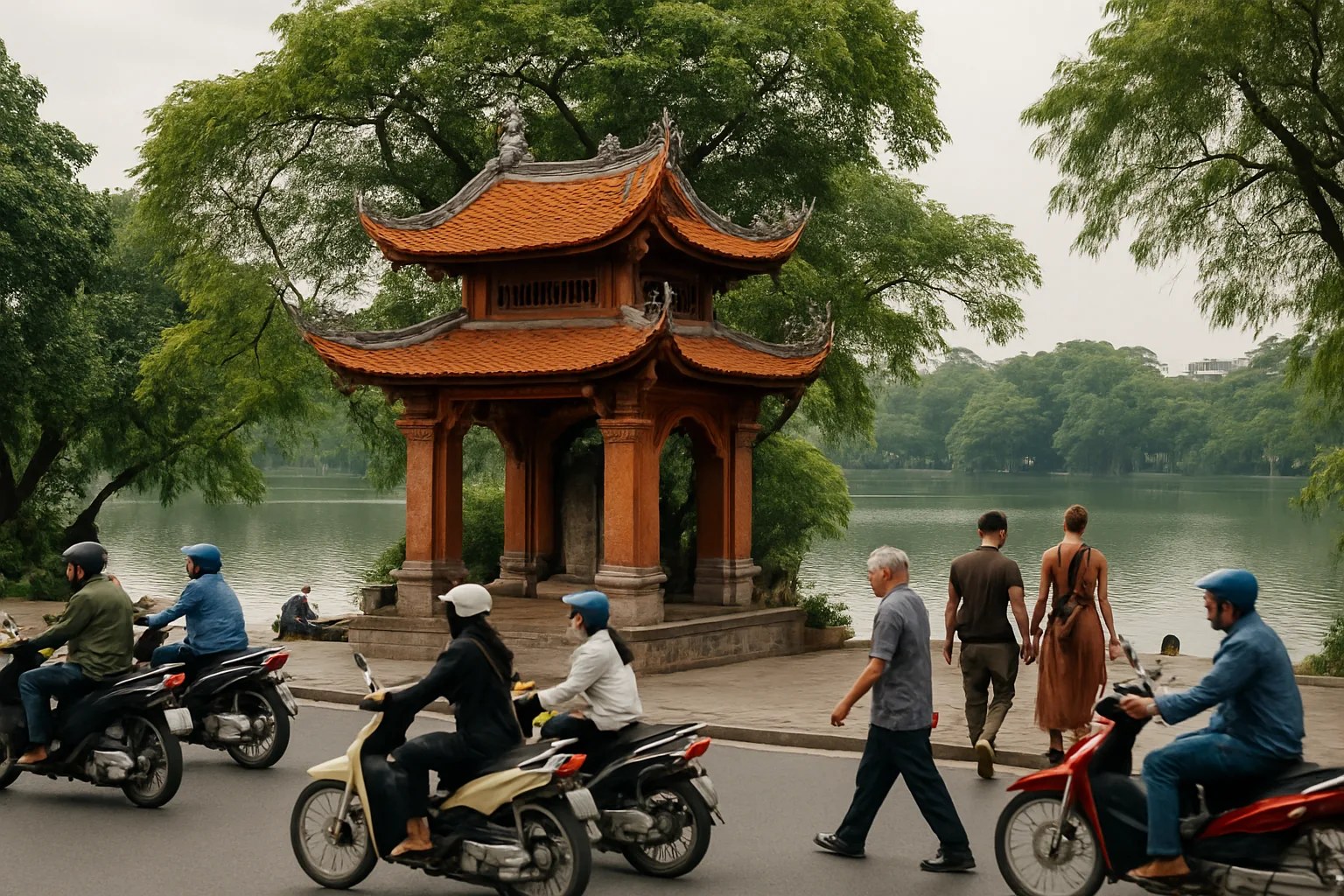
If you’ve been scrolling through travel forums trying to piece together a Hanoi travel guide that actually makes sense, you’ve probably run into a lot of conflicting opinions — people who loved it, people who didn’t get it, and a whole lot of advice that sounds like it was written by someone who spent three days there and left. Hanoi is one of those cities that rewards curiosity. It doesn’t hand you its best moments. You have to wander into them.
The Version of Vietnam You’ve Probably Heard
Before you even book a flight, Vietnam tends to arrive pre-packaged with assumptions. You’ve probably heard some version of these: it’s chaotic, it’s unsafe, the food is strange, the locals won’t warm to you, it’s too hot, it’s too cheap to be worth taking seriously. Some of these ideas come from outdated sources. Some come from travelers who went in with expectations that didn’t match the reality. And some are just myths that have been passed around long enough to sound credible.
The truth is that Vietnam consistently appeals to young travelers for its combination of budget-friendly travel, genuine adventure, rich culture, incredible food, and strong safety record. That’s not marketing language — it’s the pattern you’ll find when you talk to people who’ve actually been. But there’s a difference between knowing Vietnam is worth visiting and understanding why Hanoi, specifically, is such a strong starting point.
So let’s clear the air on some of the most common misconceptions — and then get into how to actually spend your time there.
Misconceptions That Keep People From Going
It’s not as safe as people say
This one lingers despite little evidence to support it. Hanoi is a city of millions of people going about their daily lives — commuting, eating, working, socializing. Petty opportunism exists in every major city on earth, and Hanoi is no exception, but the idea that it’s particularly dangerous for travelers simply doesn’t hold up. Keep your phone in your pocket in crowded areas, don’t flash expensive gear unnecessarily, and use the same common sense you’d apply anywhere. Most travelers — including solo travelers of all backgrounds — report feeling comfortable and welcomed.
The traffic is impossible to navigate
Yes, the traffic in Hanoi is intense. Yes, crossing the street for the first time will feel like an event. But here’s what nobody tells you: it has a logic to it. Traffic flows constantly and relatively slowly in busy areas, and the key is to move steadily and predictably rather than darting or freezing. Within a day or two, most visitors find their rhythm. The traffic is one of those things that sounds terrifying in a trip report and becomes a normal part of your day surprisingly quickly. It’s also, honestly, part of what makes the city feel so alive.
The food will be too unfamiliar
This might be the most unfounded concern of all. Vietnamese food is one of the most approachable cuisines in the world — fresh, layered, herb-forward, and varied enough that even the most cautious eater will find something they love. Street food in Hanoi ranges from pho (the iconic noodle soup) to banh mi (a baguette sandwich that reflects the city’s French colonial history) to bun cha (grilled pork with noodles and dipping broth). You don’t need to be adventurous to eat well here. You just need to be willing to sit down at a plastic stool and try something.
Vietnam is just beaches and backpacker bars
This perception probably comes from the popularity of places like Da Nang and Hoi An, which are genuinely beautiful but represent only one side of the country. Hanoi is a capital city with centuries of history, a thriving arts scene, serious food culture, and neighborhoods that feel completely distinct from each other. It’s not a beach destination. It’s a city destination — and a deeply rewarding one.
Locals aren’t interested in connecting with tourists
Hanoi is described by people who know it well as a city full of people living their lives — and that’s exactly the point. It’s not a theme park built around tourism. People are busy, yes. But curiosity is mutual. Smile, make an effort, learn a few words of Vietnamese, and you’ll find that genuine connection is absolutely possible. Many travelers leave Hanoi having had real conversations, been invited to share meals, or stumbled into local events simply by being open and present.
It’s too chaotic to enjoy
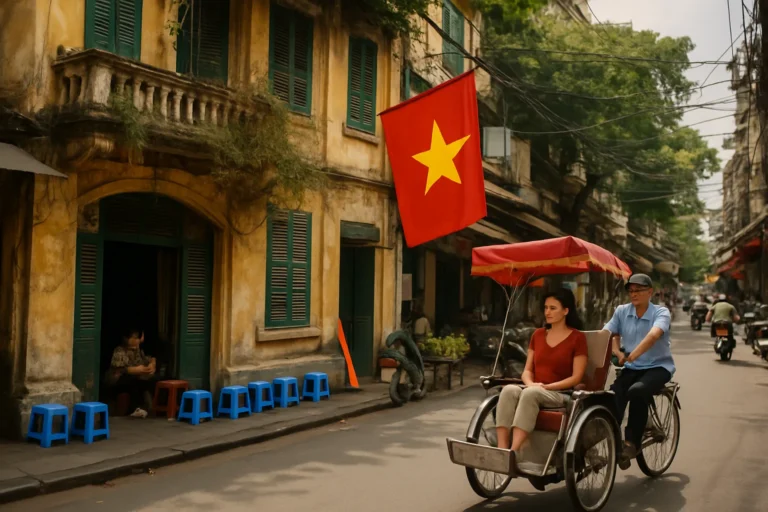
Hanoi is busy. It is full of energy, noise, and motion. If you’re looking for a slow, resort-style escape, this isn’t your city — and that’s okay. But busy doesn’t mean chaotic in the sense of being unmanageable. The Old Quarter, for example, is one of the best places in Southeast Asia for cultural sightseeing and people-watching, precisely because so much of Hanoi’s life plays out in public. The streets are the experience. Lean into it.
→ Read also: Beyond the Guidebook: What Hanoi Actually Feels Like
Everything is the same as Ho Chi Minh City
Travelers sometimes treat Vietnam as a single, uniform destination. It isn’t. Hanoi and Ho Chi Minh City (Saigon) are genuinely different places — different pace, different food culture, different architecture, different atmosphere. Hanoi tends to feel older, more layered, more rooted in Vietnamese history. Saigon is faster, more cosmopolitan, more internationally connected. Neither is better. But for first-time visitors who want to understand Vietnam’s cultural depth before diving into its modern energy, Hanoi tends to offer a more grounded entry point.
It’s only worth a day or two
You’ll see this advice scattered across travel forums, and it consistently comes from people who stuck to the main tourist circuit and felt like they’d “done” the city. Hanoi rewards slower travel. Three days is a solid minimum. A week reveals layers that three days can’t touch. The neighborhoods beyond the Old Quarter, the lake-side cafés, the local markets at dawn — these things take time to find, and they’re worth finding.
Street food is unhygienic
This concern is understandable but largely overstated. Hanoi’s street food culture is built on high turnover and fresh ingredients. Look for stalls that are busy — consistent local traffic is a reliable indicator of quality and freshness. Use your judgment, carry basic medication just in case, and don’t let unfounded worry keep you from one of the best culinary experiences in Asia.
You need a tour group to see anything meaningful
Hanoi is an exceptionally walkable city in its historic core, and independent exploration is not only possible but often more rewarding than a guided tour. You’ll stumble across things no itinerary would have taken you to. That said, a guided experience can add real depth for specific sites — a knowledgeable local guide at the Temple of Literature or the Hoa Lo Prison Museum will give you context that a self-guided visit might miss. Mix both approaches.
It’s a budget destination, so expectations should be low
Affordable doesn’t mean low quality. This might be the most important misconception to shake before you arrive. Vietnam’s value for money is extraordinary — but what you’re getting in return is genuinely excellent: fresh, complex food, rich history, beautiful architecture, and a city that has been shaped by thousands of years of culture. The low cost is a bonus, not a warning sign.
A Three-Day Framework for First-Time Visitors
Day One: Get Your Bearings in the Old Quarter
Start slow. Your first morning in Hanoi should be about orientation, not achievement. Walk the Old Quarter before the heat picks up — the streets are quieter, the light is softer, and you’ll get a feel for the city’s rhythm before it hits full speed. The Old Quarter’s street grid is historic and slightly maze-like, which is part of its charm. Each street was traditionally associated with a specific trade, and traces of that identity still show up in the signage and shops.
Spend your first afternoon at Hoan Kiem Lake, the geographic and emotional center of the city. The lake is surrounded by cafés, street vendors, and locals taking their lunch breaks. It’s a genuinely lovely place to sit, watch, and decompress from travel. In the evenings, the area around the lake becomes a pedestrian zone on weekends — one of the best spots for people-watching in the city.
For dinner on your first night, find a local bun cha spot. Bun Cha Hong Lien is a well-known Hanoi restaurant associated with a famous visit by Anthony Bourdain and Barack Obama — a meal that put this particular dish on the global map. Whether you go there or find your own neighborhood spot, bun cha is a quintessentially Hanoian dish and a strong introduction to what the city’s food culture is about.
Day Two: History, Culture, and Getting Off the Main Circuit
Dedicate your second day to Hanoi’s cultural and historical depth. The Temple of Literature is one of the city’s most beautiful sites — a well-preserved complex that served as Vietnam’s first university and offers a quiet, reflective contrast to the busy streets outside. Go in the morning before tour groups arrive.
The Hoa Lo Prison Museum is a more sobering but essential visit. It tells the story of the prison used during the French colonial period and later during the American War, and it does so with a perspective that’s genuinely different from what Western travelers might expect. It’s thought-provoking in the best way — the kind of experience that shifts how you understand a place.
→ Read also: Vietnam Uncovered: Beyond the Chaos, Into the Real Story
In the afternoon, explore the French Quarter, where wide tree-lined boulevards and colonial-era architecture give the city a completely different feel. Have coffee at one of the area’s many cafés — Vietnamese coffee culture is serious and worth slowing down for. Try ca phe trung, or egg coffee, a Hanoi specialty that’s richer and more interesting than it might sound.
End the day in the Tay Ho (West Lake) area, which has a more relaxed, residential feel than the Old Quarter. It’s popular with expats and young locals, and the lakeside restaurants offer a quieter dinner experience than the city center.
Day Three: Markets, Day Trips, and Local Life
On your third day, wake up early and visit a local market. The Dong Xuan Market in the Old Quarter is the largest covered market in Hanoi and gives you a window into the city’s commercial life that’s completely different from the tourist-facing streets nearby. Go before 9am for the most authentic atmosphere.
If you have energy and curiosity, consider a half-day trip to the Perfume Pagoda or the surrounding countryside. Hanoi’s location in northern Vietnam puts you within reach of some genuinely beautiful landscapes — limestone karsts, river valleys, and rural villages that feel a world away from the city’s energy.
Spend your final evening back in the Old Quarter. Grab a bia hoi — fresh, locally brewed draft beer sold at street-side stalls for almost nothing — and sit with whatever mix of locals and travelers happens to be there. It’s informal, unpretentious, and one of the most enjoyable ways to end a day in Hanoi. No itinerary required.
Practical Things Worth Knowing Before You Arrive
Hanoi’s weather is genuinely variable depending on the time of year, so check the seasonal forecast before you pack. The city has a cooler, drier period in the winter months and a hot, humid summer — both are manageable, but they require different preparation. A light rain jacket is useful almost any time of year.
Getting around the city is easiest on foot in the Old Quarter and by ride-hailing apps (widely available and reliable) for longer distances. Motorbike taxis are common and affordable. Public buses exist and are cheap, but the routes take time to learn. For day trips, organized transport or private drivers are often the most practical option.
Vietnamese dong is the local currency, and cash is still king at street food stalls and local markets. ATMs are widely available in the city center. Tipping isn’t culturally embedded in Vietnam the way it is in some countries, but it’s appreciated at restaurants and for guides.
For deeper planning, Vietnam Unlock is a solid resource built on years of on-the-ground experience in the city — the kind of perspective that’s hard to find in generic travel roundups.
Why Hanoi Stays With You
There’s a reason people who visit Hanoi once tend to think about going back. It’s not a city that gives you everything immediately. It’s layered. It’s busy. It’s full of people living their lives, not performing for tourists — and that’s exactly what makes it feel real in a way that’s increasingly rare in heavily visited destinations.
The food alone is worth the trip. But it’s the combination — the history you can walk through, the neighborhoods that each have their own personality, the coffee culture, the lake at dusk, the chaos of the streets that somehow starts to feel like home — that makes Hanoi one of those places you’ll still be thinking about long after you’ve gone home. Go with an open mind, leave the checklist mentality behind, and let the city show you what it actually is. That version is far more interesting than any misconception.
This article was produced with AI assistance and reviewed editorially.


What Hanoi Is Actually Like: A Local’s Honest Take

Hiking Albania’s Valbona to Theth Trail: What You Need to Know Before You Go


