
Tips & Tricks
Travel on a Shoestring: Eating Well, Sleeping Safe, and Exploring More for Less
Learn practical budget travel tips for finding cheap flights, affordable accommodations, and eating well while traveling on a shoestring budget.

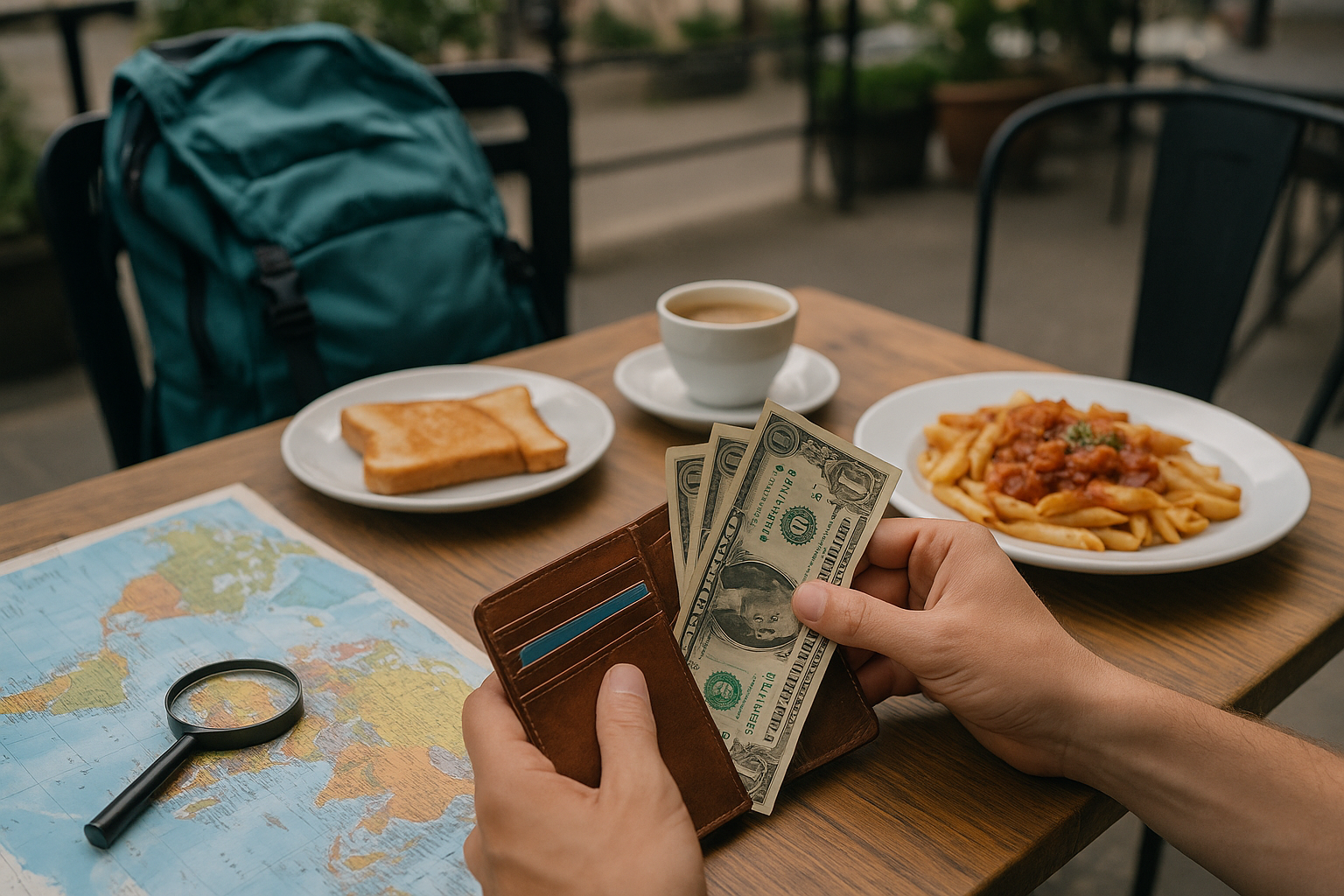
Why Stretching Your Budget Is Actually a Travel Superpower
Here’s something experienced travelers know that most first-timers don’t: spending less doesn’t mean experiencing less. In fact, some of the most authentic, memorable journeys happen precisely because you’re not insulated by a luxury hotel or a pre-packaged tour. When you travel on a tight budget, you eat where the locals eat, sleep in places where you meet real people, and move through a destination with curiosity rather than convenience. These budget travel tips aren’t about cutting corners — they’re about making smarter choices so your money goes further and your experiences go deeper.
Whether you’re planning your first solo trip or you’ve already got a few stamps in your passport, knowing how to travel affordably is one of the most liberating skills you can develop. It turns a two-week trip into a two-month adventure. It transforms a distant dream into a very real plan. And it starts right here.
Plan Smart: Timing, Flexibility, and Finding Cheap Flights
Flights are usually the biggest expense in any trip, and they’re also where you can save the most — if you know how to play the game. The single most effective thing you can do is stay flexible. When you’re open to leaving on a Tuesday instead of a Friday, or flying into a smaller regional airport instead of the main hub, prices can drop dramatically.
How to Find the Best Flight Deals
- Use flight comparison tools. Search across multiple platforms before booking. Set up price alerts so you’re notified when fares drop on routes you’re watching.
- Book at the right time. Generally, booking several weeks in advance gives you access to better prices, but last-minute deals do exist for flexible travelers.
- Travel in the shoulder season. The weeks just before or after peak tourist season often offer significantly lower prices on both flights and accommodation — with fewer crowds as a bonus.
- Consider budget airlines. Low-cost carriers serve an enormous number of routes. Just read the fine print on baggage fees before you book.
- Be open about your destination. Sometimes searching “everywhere” on a flight tool and choosing based on what’s cheapest leads to the most spontaneous adventures.
Flexibility is your most valuable asset when hunting for affordable flights. If your dates and destination are set in stone, you’ll always pay a premium. The more you can move, the more you save.
Budget Travel Tips for Finding Great Accommodation
Where you sleep shapes your entire trip — and it doesn’t have to drain your wallet to be comfortable, safe, and genuinely enjoyable. The key is knowing what your options are beyond the standard hotel booking.
Hostels: Still One of the Best Decisions You Can Make
If you haven’t stayed in a hostel before, set aside whatever assumptions you might have. Modern hostels — especially in popular backpacker destinations — are clean, social, and often come with perks like free breakfast, communal kitchens, and organized events. A dorm bed costs a fraction of a private hotel room, and the people you meet in a hostel common room can turn into travel companions, local guides, or lifelong friends.
Private rooms in hostels are also an option if you want your own space without paying hotel prices. It’s a solid middle ground, especially in cities where solo rooms at guesthouses are reasonably priced.
Alternative Accommodation Worth Exploring
- Guesthouses and family-run inns. In many parts of Asia, Latin America, and Eastern Europe, these are cheaper than hotels, more personal, and often come with local knowledge you can’t find in any guidebook.
- Work exchanges. Platforms that connect travelers with hosts who offer free accommodation in exchange for a few hours of work each day — think helping in a hostel, working on a farm, or assisting at a guesthouse — are a genuine way to extend your trip at almost no cost.
- Couchsurfing communities. Staying with a local for free isn’t just about saving money. It’s one of the most direct ways to experience a place from the inside. Hosts often become guides, cooks, and storytellers.
- Apartment rentals. For longer stays, renting a room or a small apartment through a short-term rental platform can be more economical than nightly hotel rates, and you’ll have a kitchen — which is a budget game-changer.
Staying Safe Wherever You Sleep
Budget accommodation is not synonymous with unsafe accommodation. That said, it’s worth doing a few things consistently. Read recent reviews before booking — not just the star rating, but the actual comments about security, cleanliness, and location. Choose places that have lockers or secure storage for valuables. Keep digital copies of your important documents. And trust your instincts: if something feels off about a place when you arrive, it’s always okay to find somewhere else.
Resources like Expert Vagabond’s travel tips — written by a digital nomad who has been exploring the world for over a decade — offer grounded, experience-backed advice on navigating accommodation decisions as a budget traveler.
Eating Well Without Spending Much
Food is one of the great joys of travel. And ironically, the cheapest meals are often the best ones. The restaurant with the laminated photo menu and the English-language sign out front is almost never where the magic happens. The magic happens at the street stall with the queue of locals, at the market where vendors are cooking fresh food right in front of you, at the family-run spot tucked down a side street with no social media presence whatsoever.
How to Eat Like a Local on a Budget
- Follow the locals. If a place is packed with people who live there, the food is probably good and the prices are honest.
- Eat the local staple. Every culture has an affordable, filling dish that locals eat regularly. Seek it out. Whether it’s a bowl of pho in Vietnam, a plate of rice and beans in Central America, or a flatbread wrap in the Middle East, these dishes are usually delicious and cost almost nothing.
- Use markets. Morning and afternoon markets are often the cheapest and freshest places to eat. You can build an entire meal from market stalls for a fraction of what a restaurant charges.
- Cook when you can. If you have access to a kitchen — in a hostel or a rented apartment — buying ingredients at a local supermarket and cooking a few meals a week makes a real difference to your overall spend.
- Lunch over dinner. Many restaurants offer a set lunch menu at significantly lower prices than their dinner equivalent. Same kitchen, same quality, half the cost.
- Avoid tourist traps. Restaurants near major landmarks almost always charge a premium. Walk a few streets away and prices drop noticeably.
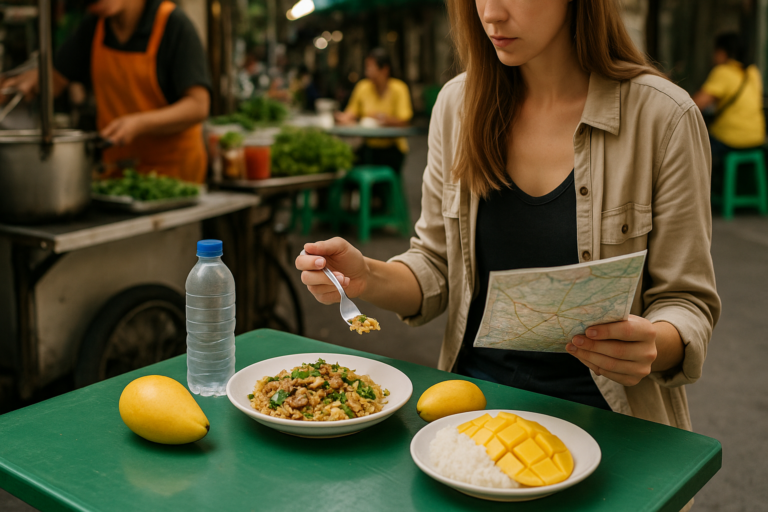
Eating well on a budget isn’t about sacrifice. It’s about paying attention — and being willing to try something unfamiliar. Some of the most memorable meals you’ll ever have will cost less than a coffee back home.
Getting Around: Transport Hacks That Actually Work
Once you’ve landed and settled in, getting around efficiently without overspending is the next challenge. Transport costs can quietly accumulate into one of your biggest daily expenses if you’re not paying attention.
- Use public transport. Buses, metros, trams, and local trains are almost always cheaper than taxis or ride-hailing apps — and they give you a much more authentic experience of how a city actually moves.
- Walk more than you think you should. Many city neighborhoods are far more walkable than maps suggest. Walking is free, and you’ll discover things you’d never find any other way.
- Rent a bicycle. In flat cities especially, cycling is one of the most enjoyable and affordable ways to explore. Many places have affordable daily rental options or even free city bike schemes.
- Take overnight buses or trains. On longer journeys, an overnight bus or sleeper train saves you both the transport cost and a night’s accommodation. It’s not always glamorous, but it’s effective.
- Book intercity travel in advance. Just like flights, buses and trains between cities are cheaper when booked ahead, especially during busy periods.
Free and Low-Cost Experiences Worth Seeking Out
The assumption that great experiences cost a lot of money is one of the biggest myths in travel. Some of the most extraordinary things you can do in any destination are either free or very close to it.
Most major cities have free walking tours — you pay what you feel the experience was worth at the end. These tours are led by locals who are genuinely passionate about their city, and they’re one of the best ways to orient yourself and pick up recommendations you won’t find in any app.
Museums often have free entry days or discounted hours. Parks, beaches, viewpoints, markets, festivals, religious sites — so much of what makes a destination worth visiting is publicly accessible. The key is doing a little research before you arrive so you know what’s available and when.
Connecting with locals is also one of the most enriching things you can do — and it costs nothing. Strike up a conversation at a café, join a community event, or simply be open and curious. The stories and perspectives you gain from genuine human connection are the experiences you’ll talk about for years.
For more inspiration on destinations that offer incredible value, EF’s guide to budget travel tips is a practical starting point for planning a trip that balances cost with experience.
Managing Your Money on the Road
Knowing how to handle your money while traveling is just as important as knowing how to spend less of it. A few smart habits can prevent unnecessary fees, protect you from common scams, and keep you in control of your finances no matter where you are.
- Use a travel-friendly bank card. Many banks and financial apps offer accounts with zero foreign transaction fees and free ATM withdrawals abroad. Research your options before you leave.
- Withdraw local currency from ATMs rather than exchange bureaus. Airport exchange desks and tourist-area currency booths almost always offer poor rates. An ATM in a local bank is usually a better deal.
- Set a daily budget and track it. It sounds obvious, but actually writing down what you spend each day keeps you aware of where your money is going and helps you course-correct before things get out of hand.
- Keep emergency funds separate. Have a backup card or some emergency cash stored separately from your main wallet. If you lose one, you’re not stranded.
- Be cautious with dynamic currency conversion. When a card machine offers to charge you in your home currency instead of the local one, decline. The conversion rate is almost always worse.
The Right Mindset Makes All the Difference
Every experienced traveler will tell you the same thing: the best budget travel tips aren’t really about money at all. They’re about mindset. When you let go of the idea that travel has to look a certain way — that you need the nicest hotel, the smoothest itinerary, the most Instagram-ready moments — you open yourself up to something far more interesting.
The missed bus that leads you to a conversation with a stranger. The cheap guesthouse run by a family who invites you to dinner. The market meal that becomes the highlight of your entire trip. These things don’t happen in spite of traveling on a budget. They happen because of it.
Budget travel teaches you to be resourceful, adaptable, and genuinely present. It pushes you toward local experiences rather than tourist ones. It connects you with other travelers who are equally curious and open. And it makes the world feel more accessible — not just now, but every time you travel after this.
Start Planning: Your Next Adventure Is Closer Than You Think
The gap between wanting to travel and actually traveling is almost always smaller than it seems. With the right approach to flights, accommodation, food, and daily spending, a meaningful trip is within reach for almost any budget. You don’t need to wait until you have more money, more time, or more confidence. You just need a destination, a rough plan, and the willingness to figure the rest out as you go.
Start with one of these budget travel tips. Then add another. Before long, you’ll have a travel style that’s entirely your own — one that takes you further, keeps you longer, and fills your life with the kind of stories that no amount of money can buy. The world is waiting. Go find your corner of it.
This article was produced with AI assistance and reviewed editorially.


Quito, Ecuador: From Stopover to 10-Day Adventure in the Andes

Ecuador & South America’s Gateway: Quito as a Base for Adventure


