
Mexico
Cancun to Tulum & Isla Mujeres: Transportation Options & Day Trip Planning (2026)
Explore the best ways to travel from Cancun to Tulum and Isla Mujeres. Compare shuttles, buses, ferries, costs, and schedules for your Yucatán Peninsula trip.

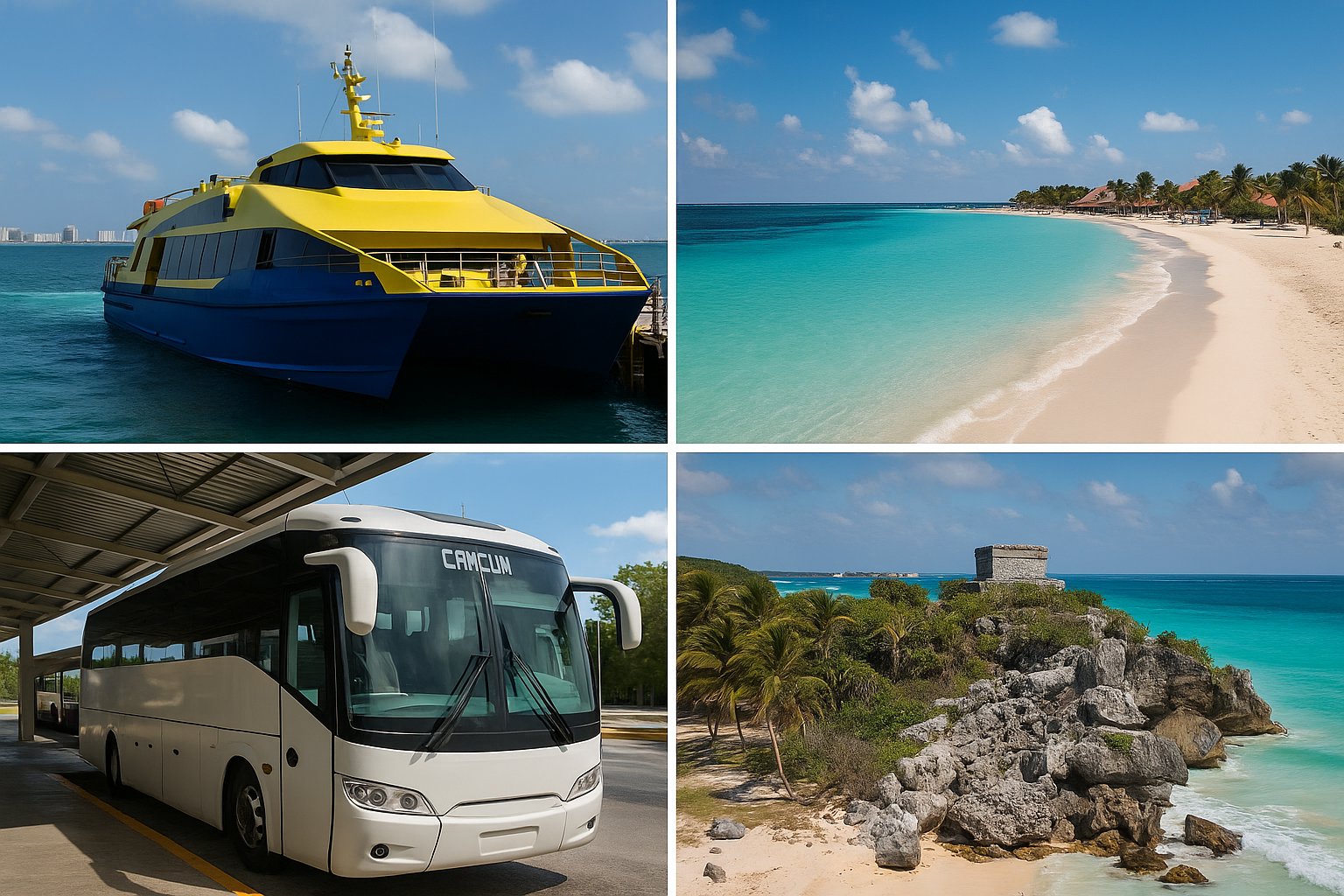

Everything You Need to Know About Getting from Cancun to Tulum and Isla Mujeres
The Yucatán Peninsula is one of those places that gets under your skin. You arrive in Cancun, and within hours you’re already planning how to escape the hotel zone and discover what’s beyond it. Two destinations sit at the top of almost every young traveler’s list: the jungle-fringed ruins and bohemian beach clubs of Tulum, and the laid-back island paradise of Isla Mujeres just off the coast. Sorting out your Cancun to Tulum transportation — and figuring out how to reach Isla Mujeres — is genuinely one of the best decisions you can make before your trip begins. Get it right, and you’ll spend your time exploring instead of standing confused at a bus stop with a heavy backpack. This guide breaks down every realistic option, so you can move through the peninsula on your own terms.
Why These Two Destinations Deserve a Spot on Your Itinerary
Before we get into the logistics, it’s worth understanding what you’re actually heading toward — because the journey makes a lot more sense once you know what’s waiting at the end of it.
Tulum: More Than Just an Instagram Backdrop
Tulum sits roughly 130 kilometers south of Cancun, and the contrast between the two places is striking. Where Cancun is loud and neon-lit, Tulum moves at a slower, more intentional pace. You’ll find Mayan ruins perched dramatically on cliffs above turquoise water, cenotes hidden in the jungle, and a beach road lined with open-air restaurants and small boutique stays. It’s a place where you can spend a morning swimming in an ancient sinkhole, an afternoon exploring archaeological sites, and an evening watching the sun disappear over the Caribbean. The town itself — Tulum Pueblo — has its own energy, with local taco spots and street food that costs a fraction of what you’d pay on the beach strip.
Isla Mujeres: The Island That Slows Everything Down
Isla Mujeres is only about eight kilometers long, but it packs in a remarkable amount of character. The island sits just off the coast of Cancun, close enough to reach in under half an hour by ferry, yet worlds away in atmosphere. Think pastel-painted streets, hammocks strung over clear water, and the kind of unhurried pace that makes you forget what day it is. It’s also one of the best spots in the region for snorkeling, with vibrant reef life and the chance to swim alongside whale sharks during certain seasons. Whether you’re going for a full day or thinking about staying overnight, Isla Mujeres rewards anyone willing to slow down and explore it properly.
Cancun to Tulum Transportation: Your Real Options
The route between Cancun and Tulum is one of the most-traveled on the peninsula, which means you have genuine choices. Each option comes with its own trade-offs in terms of cost, comfort, and flexibility. Here’s what you’re actually working with.
Private Shuttle: The Comfortable, Hassle-Free Choice
If you’re traveling with a group — or even just with one other person — a private shuttle is often the most sensible option. You get picked up from your accommodation or the airport, your bags go in the boot, and you’re dropped directly at your destination in Tulum. No transfers, no stops, no deciphering bus schedules in a second language.
Providers like eTransfers, which has more than 15 years of experience in the transportation sector, offer shuttle services from around $87 per shuttle one-way — which works out to roughly $10.87 per person when you split it across a group. That’s genuinely competitive. Caribbean Transfers, another established operator with over a decade of experience in tourist ground transportation, lists per-person rates starting from around $21 one-way. Prices vary depending on group size, the time of booking, and whether you’re departing from the airport or a hotel in the hotel zone. The key takeaway: the more people sharing the ride, the better value a private shuttle becomes.
For solo travelers, it’s worth checking whether a provider offers shared shuttle options, which bring the per-person cost down further. The journey itself takes roughly two hours under normal conditions, though traffic around Cancun and the coastal road can add time during peak periods.
ADO Bus: Budget-Friendly and Surprisingly Comfortable
Mexico’s ADO bus network is one of the best-kept secrets in budget travel across the country. The buses are air-conditioned, reliable, and run regular services between Cancun’s main bus terminal and Tulum. For solo travelers watching their spending, this is often the go-to option. You’ll pay a fraction of what a private shuttle costs, and the journey gives you a chance to watch the landscape shift from urban sprawl to jungle as you head south.
The main consideration is logistics: you need to get yourself to the Cancun bus terminal first, and on arrival in Tulum you’ll be dropped at the town center rather than the beach zone. From there, a local collectivo (a shared minivan taxi) or a short bike ride will get you to the coast. It adds steps, but it also adds authenticity — you’ll be moving through the town the way locals do.
Collectivo: The Local Way to Travel
Collectivos are shared minivans that run fixed routes along the coastal highway. They’re cheap, frequent, and an experience in themselves. You’ll find them departing from a spot near the Cancun bus terminal, and they run south toward Playa del Carmen and Tulum throughout the day. The catch is that they can get crowded, they don’t have set departure times in the same way a bus does, and they stop frequently along the route. If you’re traveling light and enjoy the spontaneous energy of local transport, a collectivo is a great choice. If you have bulky luggage or a tight schedule, a shuttle or bus will serve you better.
Rental Car: Freedom on the Road
Renting a car gives you a level of freedom that no other option matches. The highway between Cancun and Tulum is straightforward to drive, and having your own vehicle means you can stop at cenotes along the way, detour through small towns, and arrive in Tulum on your own schedule. It’s particularly worth considering if you’re planning to spend several days in the region and want to explore beyond the main tourist corridors.
That said, driving in Mexico comes with its own considerations: toll roads, unfamiliar traffic patterns, and the importance of having the right insurance coverage. Do your research before you commit, and make sure you understand the rental agreement fully. For a complete breakdown of current transportation options and updated route information, the Xaman-Ha Connections 2026 Transportation Guide is a solid resource to bookmark.
Getting to Isla Mujeres: The Ferry Experience

Reaching Isla Mujeres is a completely different kind of journey — and honestly, it’s part of the fun. The island is accessible by ferry from several points around Cancun, with the Embarcadero being one of the main departure points on the hotel zone side of the city. The crossing takes under half an hour, and watching the Cancun skyline shrink behind you as the island comes into view is one of those small travel moments that sticks with you.
Planning Your Ferry Journey
Ferries run regularly throughout the day, from early morning until late evening, which gives you a lot of flexibility in how you structure your visit. Services operate from a couple of different points around Cancun — including Puerto Juárez to the north and the hotel zone piers — so it’s worth checking which departure point is most convenient based on where you’re staying. Tickets are affordable and can generally be purchased at the dock on the day, though during busy periods it makes sense to arrive a little early to secure your spot on the crossing you want.
For the most current ferry schedules and practical arrival tips, the Isla Mujeres day trip guide is a reliable starting point. It covers departure points, what to expect on arrival, and how to make the most of your time once you’re on the island.
What to Do Once You Arrive
The island is small enough to explore in a day, but rich enough that you’ll want to stay longer. Rent a golf cart from the port — it’s the classic way to get around — and work your way from the colorful streets of the main town down to the quieter southern tip. Playa Norte, the beach closest to town, consistently ranks among the most beautiful in the Caribbean, with shallow, calm water that’s perfect for swimming. The reef on the eastern side of the island is worth exploring if you snorkel or dive.
Eat lunch at a spot off the main tourist drag, where the fish is fresh and the prices reflect what locals actually pay. By late afternoon, find a spot to watch the light change over the water before catching one of the evening ferries back to Cancun.
How to Structure Your Time: Tulum and Isla Mujeres from Cancun
The good news is that both destinations work brilliantly as day trips from Cancun, and both also reward longer stays if your schedule allows. Here’s how to think about structuring your time.
Tulum as a Day Trip
A day trip to Tulum is absolutely doable, but you’ll want to make the most of it. Leave Cancun early — the ruins are stunning in the morning light, and you’ll beat the worst of the midday heat and the crowds. Spend the first part of the day at the archaeological site, then head down to the beach zone for lunch and a swim. If time allows, book a cenote visit for the afternoon; there are several within easy reach of the town. Head back to Cancun in the early evening.
If you can spare two or three days, staying overnight in Tulum changes the experience entirely. You get to explore at your own pace, discover the town’s evening food scene, and wake up to a quieter version of the beach before the day-trippers arrive.
Isla Mujeres as a Day Trip
Isla Mujeres is ideal for a day trip. Catch an early ferry, spend the morning exploring the town and the beach, have a long lunch, explore the rest of the island by golf cart in the afternoon, and catch an evening ferry back. It’s one of the most satisfying day trips you can do from Cancun — manageable, beautiful, and genuinely different in atmosphere from the mainland.
Combining Both Destinations
If you have four or five days based in or around Cancun, there’s no reason you can’t do both. Dedicate one day to Isla Mujeres and another to Tulum, with a day in between to rest, explore Cancun itself, or venture to Playa del Carmen. The Yucatán Peninsula rewards travelers who move through it at a thoughtful pace rather than rushing from one highlight to the next.
Practical Tips Before You Go
- Book your shuttle in advance during peak travel seasons. Availability can tighten quickly, especially around school holidays and major events.
- Carry cash in Mexican pesos for collectivos, local food, and smaller ferry operators who may not accept cards.
- Start early for both destinations. The ruins at Tulum and the beaches at Isla Mujeres are at their best before the main crowds arrive.
- Pack light for Isla Mujeres. A day bag with sunscreen, a towel, and a change of clothes is all you need.
- Check your ferry departure times before you head to the dock, especially if you’re catching a late return crossing.
- Confirm shuttle pickup details the evening before your transfer, including the exact location and time, to avoid any morning stress.
- Stay hydrated. The Caribbean heat is real, and both Tulum and Isla Mujeres involve more walking than you might expect.
Making the Most of the Yucatán Peninsula
The Yucatán Peninsula is one of those rare parts of the world where every direction you travel in reveals something worth discovering. The coastline between Cancun and Tulum is dotted with cenotes, small towns, and stretches of beach that most visitors never reach. Isla Mujeres sits just minutes offshore but feels like a different world entirely. Getting your transportation sorted isn’t just a logistical task — it’s the first step toward actually living the trip rather than just surviving it.
Whether you’re splitting a private shuttle with new friends from your hostel, catching the early ferry to the island with the sunrise behind you, or watching the jungle blur past from a bus window on the way south, the journey itself becomes part of the story. That’s what travel in this part of Mexico is really about: not just arriving somewhere, but moving through a landscape that keeps surprising you at every turn. Plan your routes, stay flexible, and let the peninsula do the rest.
This article was produced with AI assistance and reviewed editorially.


New Zealand’s Geothermal Wonders: Rotorua & Where to Stay for Adventure & Maori Culture

Adventure Beyond the Beach: Things to Do in Jeju, South Korea & Tayrona Park, Colombia


