
North America
Mountain Towns & Hidden Valleys: Where to Stay in Ojai, the Berkshires & Peak District (2026)
Discover three lesser-known mountain towns to visit: Ojai, California; the Berkshires, Massachusetts; and the Peak District, UK. Explore nature, arts, and local culture.

Why Mountain Towns Deserve a Spot on Your Travel Radar
There’s a certain kind of place that doesn’t make it onto every travel influencer’s feed — and that’s exactly what makes it worth visiting. The mountain towns to visit that genuinely stay with you aren’t always the ones with the longest queues or the most-tagged landmarks. Sometimes they’re the ones tucked into valleys, surrounded by trails, and buzzing with a creative energy that feels entirely their own. Ojai in California, the Berkshires in Massachusetts, and the Peak District in the UK are three destinations that fit that description perfectly. Each one offers something different, but all three share the same core appeal: nature, culture, and a pace of life that reminds you why you started traveling in the first place.
Whether you’re road-tripping across the American West, exploring New England for the first time, or making your way through the English countryside, these places reward the curious traveler. They’re not hidden in the sense that nobody knows about them — they’re just overlooked in favor of louder, flashier destinations. That’s your advantage.
Ojai, California: Where the Light Turns Pink at Sunset
Ojai sits in a narrow valley about an hour and a half north of Los Angeles, and the moment you arrive, you’ll understand why people keep coming back. The town is small, walkable, and genuinely unlike anywhere else in Southern California. The surrounding mountains create a kind of natural amphitheater that traps golden — and sometimes pink — light at the end of the day. Locals call it the “pink moment,” and if you catch it from the right hilltop, it’s the kind of thing you’ll be describing to people for months.
The outdoor access here is excellent. The Topatopa Mountains frame the valley, and trails range from easy walks through citrus groves to more demanding climbs with sweeping views. You don’t need to be an experienced hiker to enjoy the landscape — just wear decent shoes and bring water, because the California sun doesn’t negotiate.
Arts, Wellness, and the Ojai Vibe
Ojai has a long history as a gathering place for artists, musicians, and people who think a little differently. That spirit is still very much alive. The downtown strip is lined with independent galleries, bookshops, and cafés where conversations tend to go somewhere interesting. There’s a farmers’ market, live music in unexpected corners, and a wellness culture that feels organic rather than performative.
For accommodation, Ojai offers a genuine range. The Ojai Valley Inn is the destination’s flagship luxury property — a sprawling resort with a spa, golf course, and views that justify every penny if that’s your budget. But Ojai also has boutique guesthouses, vacation rentals, and budget-friendly options scattered around the valley that put you closer to the local rhythm. If you want to wake up, walk to a coffee shop, and spend the morning reading before heading out on a trail, Ojai makes that easy. For a broader look at accommodation styles across the valley, Live Like It’s the Weekend breaks down the options clearly by travel style and budget.
What to Do in Ojai Beyond the Obvious
- Rent a bike and ride the Ojai Valley Trail, a paved path that cuts through the valley with mountain views on both sides.
- Browse the Sunday farmers’ market for local produce, handmade goods, and a genuine slice of community life.
- Visit the Ojai Art Center, one of the oldest arts organizations in California, for rotating exhibitions and occasional live events.
- Spend an evening at a local wine bar or restaurant focused on regional ingredients — the farm-to-table scene here is understated but impressive.
- Catch a live music performance at one of the smaller venues or outdoor spaces that host events throughout the year.
Ojai rewards slow travel. Don’t rush it. Give yourself at least two nights, and you’ll leave wishing you’d booked three.
The Berkshires, Massachusetts: Culture Meets Countryside
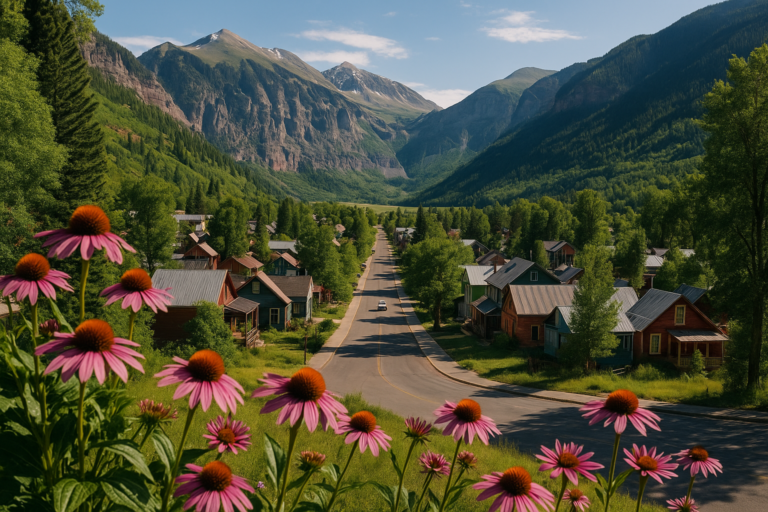
The Berkshires sit in the rolling hills of Western Massachusetts, positioned between New York and Boston in a way that makes them surprisingly accessible from two of the country’s biggest cities. But once you’re there, you feel genuinely far from both. The landscape is classic New England — dense forests, winding rivers, small towns with white-steepled churches — and it shifts beautifully with the seasons. Summer brings festivals and long golden evenings. Autumn turns the hills into something almost unrealistically colorful.
What makes the Berkshires stand out among mountain towns to visit is the sheer density of cultural life packed into a relatively rural area. This is a region with more than 100 world-class cultural attractions, and that’s not marketing language — it’s a genuine reflection of how seriously the Berkshires take the arts. Museums, performance venues, galleries, and historic estates sit alongside hiking trails and farm stands in a combination that feels almost too good to be true.
Music, Art, and Performance in the Hills
The Berkshires have a music calendar that covers serious ground. In 2026, you can expect programming that spans classical masterworks, contemporary experimentation, jazz, indie rock, and immersive performance experiences — all within the same region, often within the same weekend. This isn’t a single festival or a one-off event. It’s a sustained, year-round commitment to live performance that draws audiences from across the country.
Visual art is equally well represented. The region has major museums whose collections would be impressive in any major city, alongside smaller galleries and artist residencies that give the area a working creative energy. You’re as likely to meet a sculptor or a composer at the local diner as you are to find them at an opening night. That kind of creative density is rare, and it gives the Berkshires a character that goes well beyond scenic.
Outdoor Life in the Berkshires
The outdoor recreation here is genuine and varied. The hills offer hiking across a wide range of difficulty levels, from gentle walks through forested valleys to longer ridge trails with panoramic views. In winter, the region draws skiers and snowshoers. In summer, rivers and lakes open up swimming, kayaking, and fishing. The farm-to-table food scene ties it all together — after a morning on the trail, sitting down to a meal built around local ingredients feels like exactly the right reward.
Accommodation in the Berkshires ranges from historic inns and B&Bs in small towns to more contemporary boutique hotels and vacation rentals. The region’s tourism infrastructure is well developed without feeling corporate, which means you can find a place to stay that feels personal and local rather than generic. For trip planning, the official Berkshires tourism site is a genuinely useful resource — it covers events, outdoor activities, and accommodation across the region in real depth.
Towns Worth Exploring in the Berkshires
- Lenox — A graceful small town with a strong performing arts presence and easy access to trails and lakes.
- Stockbridge — Famously picturesque, with a main street that looks like it was designed for a postcard and a surprisingly rich cultural scene.
- Great Barrington — The most lively of the Berkshire towns, with independent restaurants, live music venues, and a young, creative population.
- Williamstown — Home to a respected theater festival and an art museum that draws visitors from far beyond the region.
Each town has its own personality. If you have a few days, move between them. The distances are short, the roads are scenic, and every stop adds something different to the picture.
Peak District, UK: England’s First National Park
The Peak District holds a special place in British travel — it was the first national park established in England, and it remains one of the most visited. That said, it doesn’t feel overrun in the way that some well-known destinations do. The landscape is too vast, too varied, and too genuinely wild for a single visitor center to capture. You can spend a week here and still feel like you’ve only scratched the surface.
The park divides roughly into two areas: the Dark Peak in the north, with its high moorland, gritstone edges, and dramatic open skies, and the White Peak in the south, where limestone valleys, dry stone walls, and village greens create a softer, more pastoral feel. Both are worth your time, and the contrast between them is part of what makes the Peak District so interesting to explore.
Hiking and Adventure in the Peak District
This is one of the best mountain towns to visit in Europe if hiking is your priority. The trails here range from short circular walks through pretty villages to multi-day routes across open moorland. The landscape rewards early starts — morning mist over the valleys, quiet trails before the day-trippers arrive, and the particular satisfaction of reaching a high point with a view that stretches for miles in every direction.
Rock climbing is popular on the gritstone edges, particularly around areas like Stanage Edge, which draws climbers of all levels. Cycling routes wind through the valleys, and the Monsal Trail — a converted railway line — offers a long, relatively flat ride through some of the park’s most scenic terrain. Wild swimming has also grown in popularity here, with rivers and reservoirs offering cold, clear water in beautiful settings.
Villages, Culture, and Where to Stay
The Peak District is dotted with villages that feel genuinely lived-in rather than preserved for tourism. Stone cottages, local pubs with open fires, and markets selling regional produce give the area an authenticity that’s harder to find in more heavily commercialized destinations. Bakewell is perhaps the most well-known — famous for its tart, yes, but also a pleasant market town with good access to the surrounding countryside. Castleton, in the north, sits beneath a dramatic ridge and offers access to some of the park’s most striking walking routes.
Accommodation options range from youth hostels and camping to characterful country inns and self-catering cottages. Staying in a village rather than a larger town gives you the best experience — you’re closer to the trails, closer to the local pubs, and more likely to have the kind of slow morning that makes a trip like this worth taking. Budget travelers will find hostels and camping well-suited to the region, while those who want a bit more comfort can find historic inns that deliver a genuinely warm experience without the price tag of a luxury hotel.
Tips for Visiting the Peak District
- Book accommodation well in advance if you’re visiting in summer or during UK bank holiday weekends — the park is popular and smaller villages fill up quickly.
- Bring layers regardless of the season. The weather changes fast at elevation, and a sunny morning can turn cool and breezy by afternoon.
- Use the local bus network to reach trailheads — it’s surprisingly good and means you don’t need a car to access most of the park’s highlights.
- Visit midweek if possible. The difference in crowd levels between a Saturday and a Tuesday is significant.
- Pick up supplies in a market town before heading to smaller villages, where shop options are limited.
How to Choose Between These Three Destinations
Each of these places offers something distinct, and the right choice depends on what kind of trip you’re after. Ojai is best if you want warmth, a slower pace, and a blend of outdoor access with creative culture in a compact, walkable setting. The Berkshires are ideal if you want to combine serious hiking with world-class arts programming and a food scene that genuinely reflects the landscape. The Peak District is the choice if you want dramatic scenery, real wilderness, and the kind of walking that leaves you properly tired and completely satisfied.
All three reward the traveler who takes their time. None of them are destinations you rush through. They’re places you settle into — where the best moments tend to be unplanned, where you find yourself staying longer than intended, and where the memories you take home are the quiet, specific ones rather than the big, obvious highlights.
Planning Your Trip: Practical Advice for All Three
- Best time to visit Ojai: Spring and autumn offer the most comfortable temperatures. Summer can be hot, but evenings are pleasant and the valley light is at its most dramatic.
- Best time to visit the Berkshires: Summer for festivals and outdoor events; autumn for foliage that genuinely has to be seen to be believed. Winter is quieter but has its own appeal for those who enjoy the cold.
- Best time to visit the Peak District: Late spring through early autumn for the best walking conditions. Winter visits are possible but require proper gear and shorter daylight hours.
- Getting around: Ojai is best explored by bike or car. The Berkshires benefit from a car for moving between towns. The Peak District has good public transport links but a car opens up more remote areas.
- Budget tips: In all three destinations, self-catering accommodation and cooking some of your own meals can significantly reduce costs without compromising the experience.
The Case for Slowing Down in Mountain Destinations
There’s a particular kind of travel that mountain towns and valleys encourage — one that’s less about ticking off sights and more about actually being somewhere. When you’re surrounded by hills, the pace naturally adjusts. You wake up earlier because the light is worth seeing. You walk more because the landscape invites it. You eat better because local food culture tends to be stronger in places where agriculture is still visible from the main street.
Ojai, the Berkshires, and the Peak District all offer this. They’re among the mountain towns to visit if you want to come back from a trip feeling genuinely rested and genuinely inspired — not just like you’ve collected another set of photos. The stories you’ll carry from these places are the kind that come from being present, being curious, and being willing to follow a trail or a conversation wherever it leads.
Your next adventure doesn’t have to be the loudest one on the map. Sometimes the best journeys are the ones that take you somewhere quieter — somewhere the light is different, the air is cleaner, and the experience feels entirely, authentically yours.
This article was produced with AI assistance and reviewed editorially.


New Zealand’s Geothermal Wonders: Rotorua & Where to Stay for Adventure & Maori Culture

Adventure Beyond the Beach: Things to Do in Jeju, South Korea & Tayrona Park, Colombia


