
Asia
Luang Prabang, Laos: How to Experience Spirituality Without the Tourist Crowds
Discover authentic Luang Prabang beyond tourist circuits. This travel guide reveals lesser-known temples, local neighborhoods, spiritual sites, and how to experience the

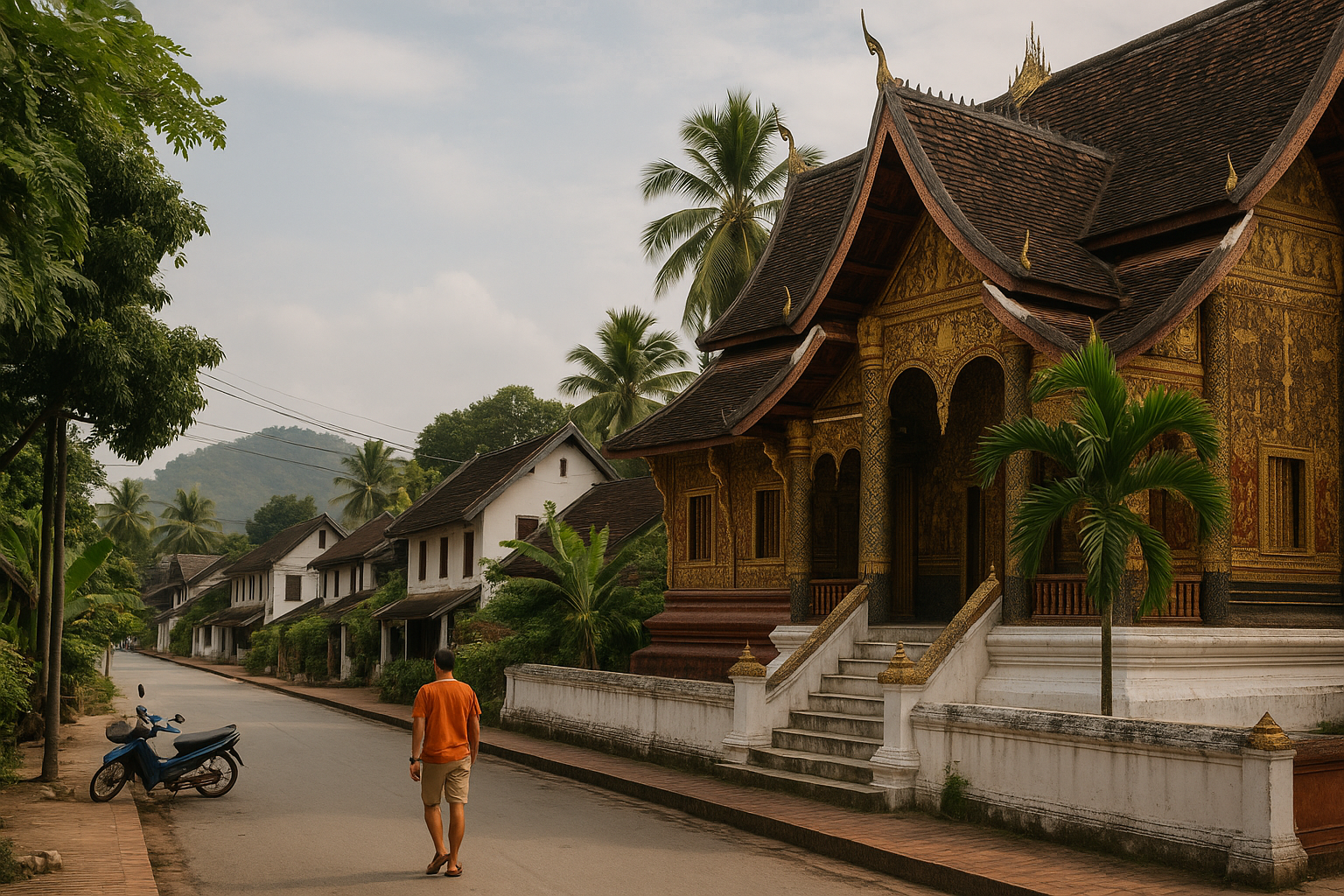
Why Luang Prabang Still Feels Like One of Southeast Asia’s Most Spiritual Cities
There’s a moment that happens to almost every traveler who arrives in Luang Prabang. You step off the bus or out of the airport, the warm air wraps around you, and the pace of everything just… slows down. The city doesn’t rush you. It invites you to breathe. If you’ve been putting together a Luang Prabang travel guide in your head — imagining temples, river views, and mornings that feel genuinely peaceful — this city will exceed what you pictured. But it does take a little intention to find the version of it that doesn’t feel like a theme park.
Luang Prabang is a UNESCO World Heritage city sitting at the confluence of the Mekong and Nam Khan rivers in northern Laos. It was once the country’s royal capital, and that history lives in every carved temple doorway, every saffron-robed monk crossing the street, every crumbling French colonial façade. The city is now the most visited destination in Laos, which means the crowds are real — but so are the quiet corners, if you know where to look.
This guide is about finding both: the iconic experiences done right, and the slower, less photographed version of the city that most visitors miss entirely.
Understanding the City Before You Arrive
Luang Prabang used to be the capital of Laos before the Communist revolution reshaped the country’s political landscape. That royal and colonial past left behind an extraordinary architectural mix — Buddhist temples alongside French colonial villas, narrow lanes that open onto wide riverside promenades, a city that feels layered in time rather than frozen in it.
The peninsula formed by the Mekong and Nam Khan rivers is where most of the tourist infrastructure sits: the main street lined with guesthouses, the famous night market, the majority of the well-known temples. This area is genuinely beautiful, and there’s no shame in spending time there. But it’s also where prices are higher, where tuk-tuk drivers are more persistent, and where the spiritual atmosphere can feel diluted by the sheer volume of people moving through it.
The quieter residential areas spread out beyond the peninsula, across the Nam Khan river and further into the surrounding hills. These neighborhoods are where daily life actually happens — where kids cycle home from school, where families eat dinner on plastic stools outside, where monks walk without being photographed every five steps. Getting yourself into those spaces, even briefly, changes your entire experience of the city.
The Spiritual Side of Luang Prabang — Done Respectfully
The alms-giving ceremony, known as tak bat, is probably the most talked-about spiritual experience in Luang Prabang. Every morning before sunrise, monks walk in silent procession through the streets, receiving offerings of sticky rice from local residents. It’s a genuinely moving tradition — and one that has been significantly disrupted by tourism in recent years.
If you want to witness tak bat with any sense of authenticity, here’s what that looks like in practice: wake up before 5:30am, find a spot away from the main street, stand quietly at a respectful distance, and do not use flash photography. Better still, don’t photograph it at all — just watch. The ceremony is a daily act of devotion for the monks and the lay community. It isn’t a performance. The areas closer to the outskirts of the city, where fewer tourists tend to gather, offer a more genuine version of the experience.
Beyond tak bat, the city’s temples — called wats — are the real anchors of its spiritual life. The most famous ones are absolutely worth visiting, but try to go early in the morning or later in the afternoon when the light is softer and the tour groups have thinned out. Many of Luang Prabang’s lesser-visited temples sit slightly off the main routes, tucked behind walls or set back from the road, and they’re often quieter precisely because they’re not on the standard itinerary. Wandering without a fixed plan, following a temple gate you notice while walking down a side street, tends to lead somewhere more memorable than any curated list.
If you want to connect more deeply with the Buddhist culture here, some temples offer meditation sessions or dharma talks that are open to visitors. These are worth seeking out — they’re a chance to sit with the practice rather than just observe it from the outside.
Where to Stay: Choosing Your Base Wisely
Where you sleep in Luang Prabang shapes everything about how you experience it. The peninsula area is convenient and atmospheric, but it’s also the loudest and most expensive part of the city. Staying here means you’re in the middle of the action — which is great if you want easy access to the night market and the main temples, but less ideal if you’re looking for quiet mornings and a slower rhythm.
Crossing the bamboo bridge over the Nam Khan river takes you into a different world. The neighborhoods on the other side are residential, calm, and significantly more affordable. Guesthouses here tend to be smaller and family-run. You wake up to roosters rather than tuk-tuks. It’s a short walk back into the main part of the city, but the separation feels meaningful.
Further out, toward the edges of the city and into the surrounding hills, you’ll find a handful of eco-guesthouses and small boutique stays that cater to travelers who want to be close to nature rather than close to the night market. These suit people who are happy to rent a bicycle and cycle into town rather than roll out of bed and be immediately in the tourist zone.
For budget travelers, simple guesthouses and small hostels are scattered throughout the city. Luang Prabang isn’t the cheapest destination in Southeast Asia, but it’s far from the most expensive, and staying slightly away from the main drag makes a real difference to your daily costs.
Eating Like You Actually Live Here
The night market on the main street is a Luang Prabang institution, and the food there — grilled meats, papaya salad, sticky rice in bamboo — is genuinely good. But it’s also priced for tourists and can feel overwhelming when it’s packed. The morning market, which runs earlier in the day and draws mostly local shoppers, is a more interesting window into how the city actually eats.
Lao food is distinct from Thai food in ways that reward curiosity. Sticky rice is the staple — eaten by hand, rolled into small balls, and dipped into everything. Larb, a minced meat salad with herbs and toasted rice powder, is the kind of dish you’ll be thinking about long after you’ve left. Or’lam is a hearty Lao stew that’s harder to find on tourist menus but worth seeking out. Mok pa is fish steamed in banana leaves with lemongrass and galangal — subtle, fragrant, and nothing like anything you’d find in a tourist restaurant.
The best places to eat are usually the ones with plastic chairs, no English menu, and a line of locals waiting. Look for small restaurants and noodle shops along the streets that run parallel to the main drag, or in the neighborhoods across the river. Point at what the person next to you is eating. That approach rarely fails.
For coffee, Luang Prabang has a genuinely good café culture — a legacy of French colonial influence combined with excellent Lao coffee beans grown in the south of the country. A slow morning with a strong Lao coffee and a baguette (yes, really — the French left that behind too) is one of the city’s small, quiet pleasures.
Day Trips Worth the Journey
Kuang Si Falls is the most famous day trip from Luang Prabang, and the reputation is earned. The turquoise tiered pools at Kuang Si are genuinely spectacular — the kind of natural feature that makes you understand why people travel halfway around the world to see something. Go early to beat the crowds, bring a swimsuit, and give yourself at least half a day.
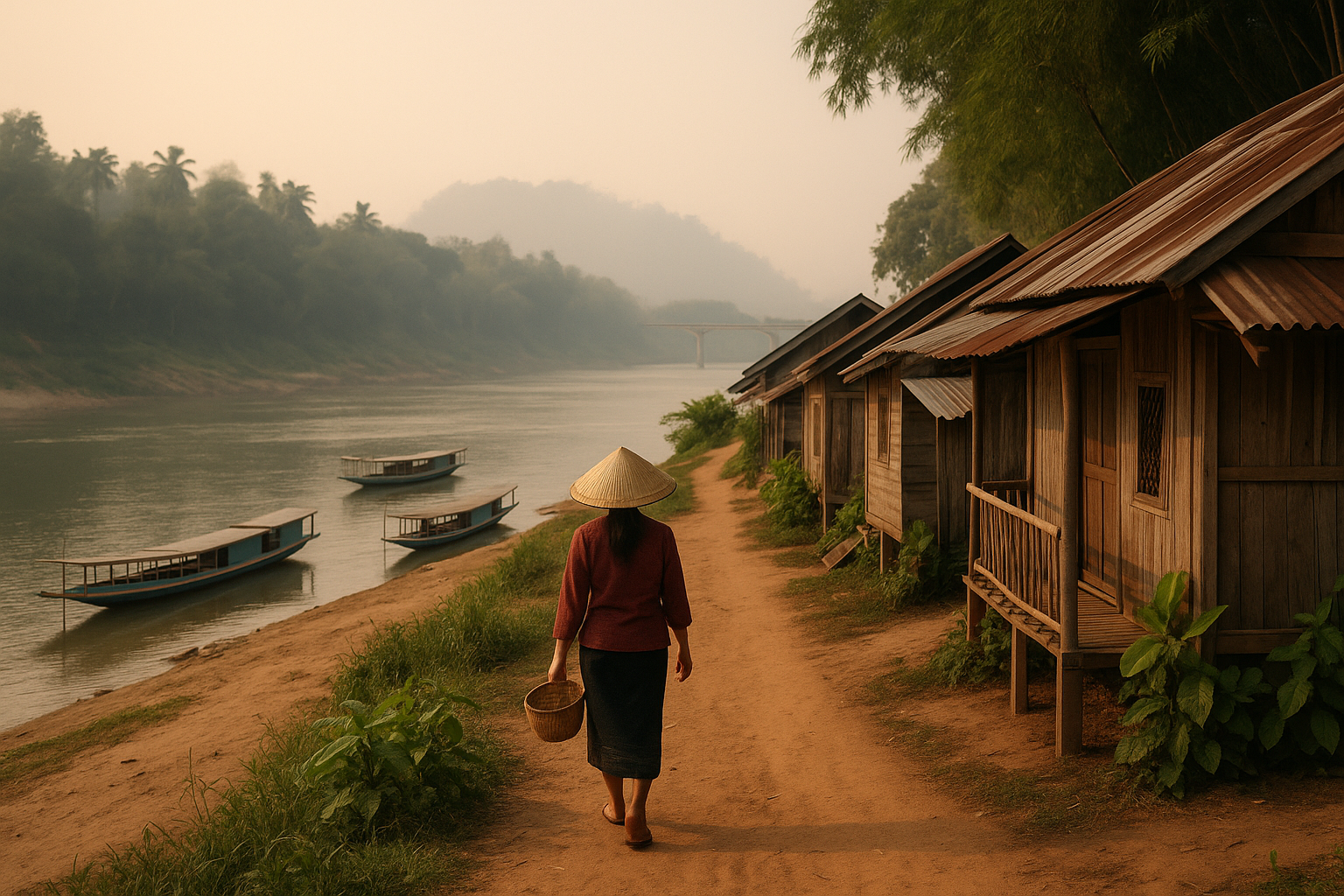
Beyond Kuang Si, the area around Luang Prabang rewards exploration in multiple directions. The Mekong river itself is a destination — slow boat trips upstream or downstream connect you to villages and landscapes that feel entirely removed from the city’s tourist infrastructure. A day on the river, stopping at small settlements along the bank, is one of the most grounding experiences you can have in this part of Laos.
The hills around the city are home to ethnic minority communities who have lived in this region for generations. Visiting these villages requires some care — it’s worth going with a guide who has genuine connections to the community rather than joining a large tour group that treats the village as a photo opportunity. The difference between a meaningful cultural exchange and a voyeuristic experience often comes down to who you go with and how.
Further afield, the landscape of northern Laos opens up into karst mountains, river valleys, and forests that feel genuinely remote. Even a short journey out of the city — two or three hours by road — puts you in scenery that feels like a different country entirely.
When to Go and How to Avoid the Worst Crowds
The cool season in Laos runs from late October to around mid-February and is generally considered the best time to visit. The weather is more comfortable, the air is clearer, and the rivers are at more photogenic levels. But this is also when Luang Prabang is at its busiest.
The city gets particularly crowded from Christmas through New Year’s, when accommodation prices spike and the main streets can feel genuinely overwhelming. Tet (Vietnamese New Year, which falls in late January or February depending on the year) and Chinese New Year bring another surge of visitors. If your schedule is flexible, arriving in November or early December — or waiting until February after the holiday rush — gives you the best of the cool season without the peak crowds.
The wet season, from around May through September, sees fewer tourists and lush green landscapes. The heat and humidity are significant, and some days bring heavy rain. But the city feels more like itself, prices drop, and the temples and markets are far less crowded. It’s worth considering if you don’t mind getting wet occasionally.
Practical Things Worth Knowing Before You Go
- Dress respectfully at temples. Shoulders and knees should be covered. Many temples have sarongs available to borrow, but bringing a light scarf or lightweight trousers takes the pressure off.
- Rent a bicycle. The city is small enough to cycle comfortably, and a bike gives you the freedom to turn down any street that looks interesting without having to negotiate with a tuk-tuk driver.
- Carry small change. Many local food stalls and smaller guesthouses don’t handle large notes easily. Having smaller bills makes transactions smoother and less awkward for everyone.
- Learn a few words of Lao. Even a basic greeting — sabaidee (hello) and khob chai (thank you) — goes a long way. People genuinely appreciate the effort, and it changes the energy of interactions immediately.
- Go slow. Luang Prabang rewards the traveler who isn’t trying to see everything in two days. Give yourself at least four or five nights. The city reveals itself gradually.
- Be mindful at tak bat. If you want to witness the alms-giving ceremony, research the etiquette beforehand and commit to observing it rather than photographing it.
- Check visa requirements. Laos offers visa-on-arrival for many nationalities, but requirements change. Verify your specific situation before you travel.
The Luang Prabang Travel Guide You Actually Need
Every good Luang Prabang travel guide will tell you to visit the temples, watch the monks, eat the food, and take the day trip to the falls. That’s all true — those things are genuinely worth your time. But the version of Luang Prabang that stays with you is the one you find in between the itinerary items. It’s the conversation you have with a guesthouse owner over breakfast. It’s the temple you discover by following a sound of chanting down an unmarked lane. It’s the evening you spend sitting by the Mekong watching the light change, with no particular plan for what comes next.
Laos is known historically as the Land of a Million Elephants and the White Parasol — a name that hints at the country’s layered identity, its royal past, its quiet pride. Luang Prabang carries that identity more visibly than anywhere else in the country. It’s a city that has absorbed centuries of history, survived political upheaval, and adapted to the pressures of modern tourism while somehow managing to hold onto something essential and unhurried.
The crowds are real, but they’re manageable. The tourist infrastructure exists, but it doesn’t define the city. Wake up early, walk in directions that don’t appear on the map, eat where the locals eat, and give the city time to show you what it actually is. That’s when Luang Prabang becomes something more than a destination — it becomes one of those places you’ll still be thinking about long after you’ve gone home.
This article was produced with AI assistance and reviewed editorially.


New Zealand’s Geothermal Wonders: Rotorua & Where to Stay for Adventure & Maori Culture

Adventure Beyond the Beach: Things to Do in Jeju, South Korea & Tayrona Park, Colombia


