
Asia
Southeast Asia First-Timer Mistakes: What I Learned So You Don’t Have To
Learn the most common southeast asia first time mistakes from visa issues to overpacking. Practical tips for first-timers navigating Thailand, Vietnam, Laos, and beyond.

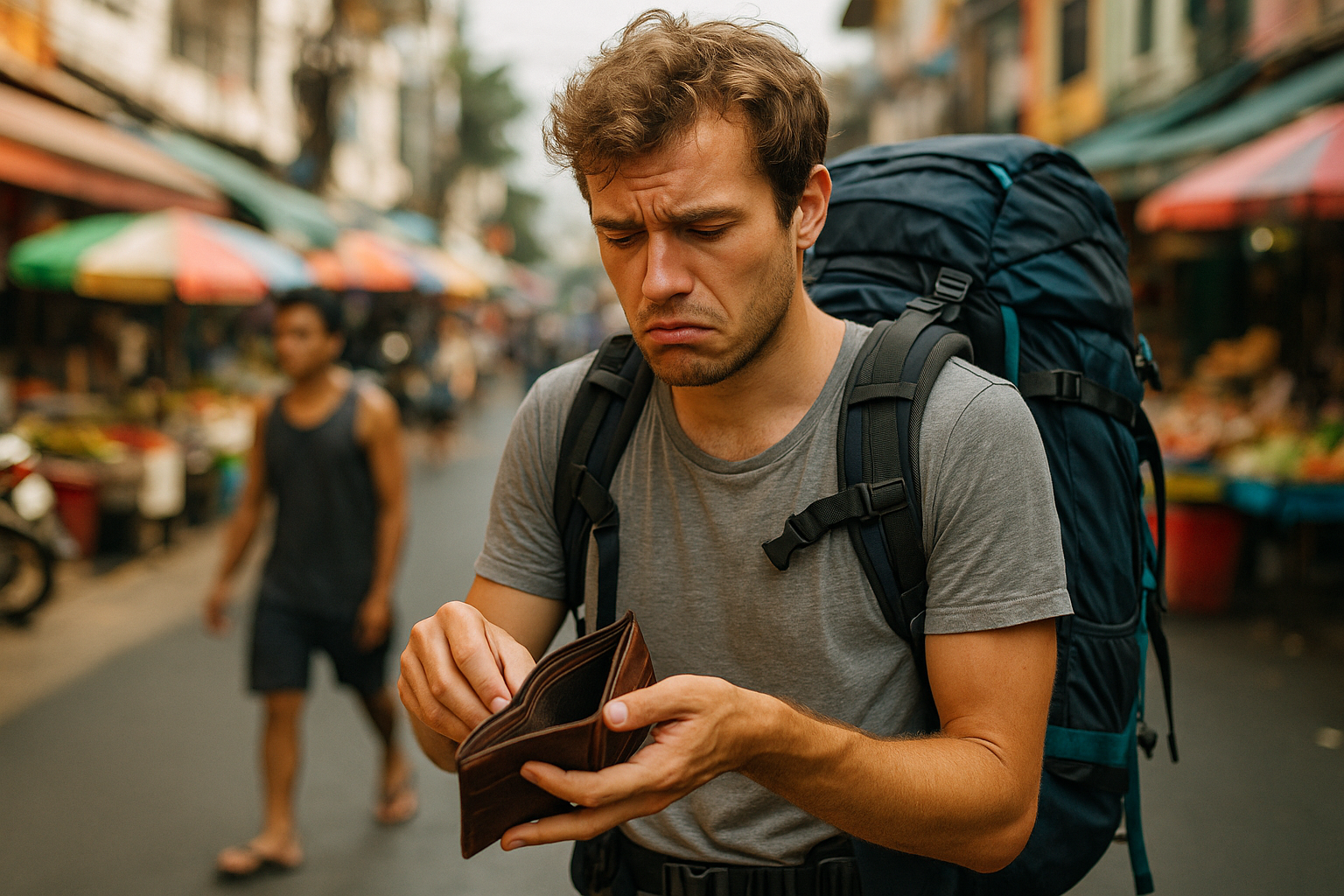
Why Southeast Asia Humbles Every First-Timer (And Why That’s Actually a Good Thing)
Southeast Asia has a way of making you feel like the most clueless person in the room — and somehow, you still end up loving every minute of it. But avoiding the most common southeast asia first time mistakes can be the difference between a trip that frustrates you and one that genuinely changes how you see the world. Whether you’re dreaming of temple-hopping in Thailand, cruising down the Mekong in Laos, or eating your weight in bánh mì across Vietnam, the region rewards the curious and the prepared. So before you pack your bag and book a one-way ticket, let’s talk about what most first-timers get wrong — and how you can do it differently.
Visa Confusion: Don’t Let Paperwork Ruin Your First Week
One of the most stressful southeast asia first time mistakes happens before you even board the plane. Visa requirements across the region vary dramatically from country to country, and they change more often than you’d expect. Thailand, Vietnam, Cambodia, Laos, Indonesia — each has its own rules, and those rules depend on your passport nationality, your intended length of stay, and sometimes even how you plan to enter.
Some countries offer visa-on-arrival at major airports. Others require you to apply in advance through an official government portal or embassy. A few destinations have introduced e-visa systems that are straightforward when you use the right website — but there are plenty of unofficial-looking third-party sites that charge inflated fees for the same service. Always go directly to official government immigration websites, and double-check the information closer to your travel date because policies genuinely do shift.
The other classic blunder? Assuming that one visa covers multiple countries. It doesn’t. Each border crossing means a new set of requirements. If you’re planning a multi-country route — which most backpackers do — map out your visa situation for every destination before you leave home. It takes an hour of research but saves days of panic.
Border Crossings: The Fine Print Matters
Land border crossings are popular among backpackers because they’re often cheaper and more scenic than flying. But they come with their own quirks. Entry points sometimes have different rules than airports, and some crossings only accept certain visa types. A little research goes a long way here. Check travel forums and recent traveler reports — visa policies can shift quickly, and fellow travelers who crossed that border last month will have the most current information.
Overpacking: The Bag That Breaks Your Back (and Your Spirit)
Picture this: it’s 34 degrees, the humidity is somewhere around suffocating, and you’re hauling a 25-kilogram backpack up three flights of stairs to your guesthouse. This is the reality for too many first-timers who pack for every possible scenario instead of packing for the actual trip.
Southeast Asia is hot. Even the “cool” seasons are warm by most standards. You don’t need heavy layers, multiple pairs of jeans, or more than two pairs of shoes. What you do need is lightweight, breathable clothing that dries quickly — because it will get sweaty, it will get rained on, and you’ll want to wash it in a sink and have it dry overnight. Linen and moisture-wicking fabrics are your friends.
Here’s the thing that surprises most first-timers: you can buy almost everything you need once you’re there. Markets across the region sell cheap, good-quality clothing, flip-flops, toiletries, and travel gear. If you forget something, you can almost certainly replace it for a fraction of what you’d pay at home. So leave space in your bag — both literally and mentally.
- Aim for a bag you can carry comfortably for 20 minutes without stopping.
- Pack clothes you can mix and match easily — neutrals and basics go a long way.
- Bring one smart outfit for nicer restaurants or cultural sites that require modest dress.
- A lightweight rain jacket or packable poncho is worth its weight in gold during monsoon season.
- Leave the hair dryer at home. Seriously.
Budget Blunders: Spending Too Much in the Wrong Places
Southeast Asia has a reputation for being incredibly affordable, and it is — but that doesn’t mean money manages itself. Many first-timers either blow their budget in the first week by treating every meal like a restaurant experience, or they’re so focused on saving that they miss out on experiences that are genuinely worth the spend.
The key is knowing where to be generous and where to be smart. Street food is almost always the best option — not just for your wallet, but for the actual experience. Eating where locals eat, at plastic tables on the pavement, is one of the most authentic things you can do in this part of the world. The food is fresh, fast, and often extraordinary. Meanwhile, the tourist-facing restaurants near major attractions tend to charge significantly more for a noticeably less interesting meal.
Transport is another area where costs can creep up. Tuk-tuks, taxis, and motorbike taxis are convenient, but always agree on a price before you get in — or use a reputable ride-hailing app where available. Overnight buses and trains between cities are a smart way to save on both transport and accommodation costs at the same time.
ATM Fees and Currency Exchange
This one catches almost every first-timer off guard. ATM fees in several Southeast Asian countries can be surprisingly high, and they stack up fast if you’re withdrawing small amounts frequently. Withdraw larger amounts less often, and research which banks in each country have lower fees. Currency exchange booths vary wildly in their rates — avoid the ones at airports if you can, and compare rates before handing over your cash.
It’s also worth letting your home bank know you’re traveling before you leave. Nothing derails a trip faster than a blocked card when you’re standing at a checkout counter in a Cambodian market.
Cultural Missteps That Are Easy to Avoid
This is where southeast asia first time mistakes can go from inconvenient to genuinely disrespectful — and most of them happen simply because travelers don’t know what they don’t know. The good news is that locals across the region are generally warm, patient, and forgiving of honest mistakes. But making the effort to understand local customs shows a level of respect that people genuinely appreciate.
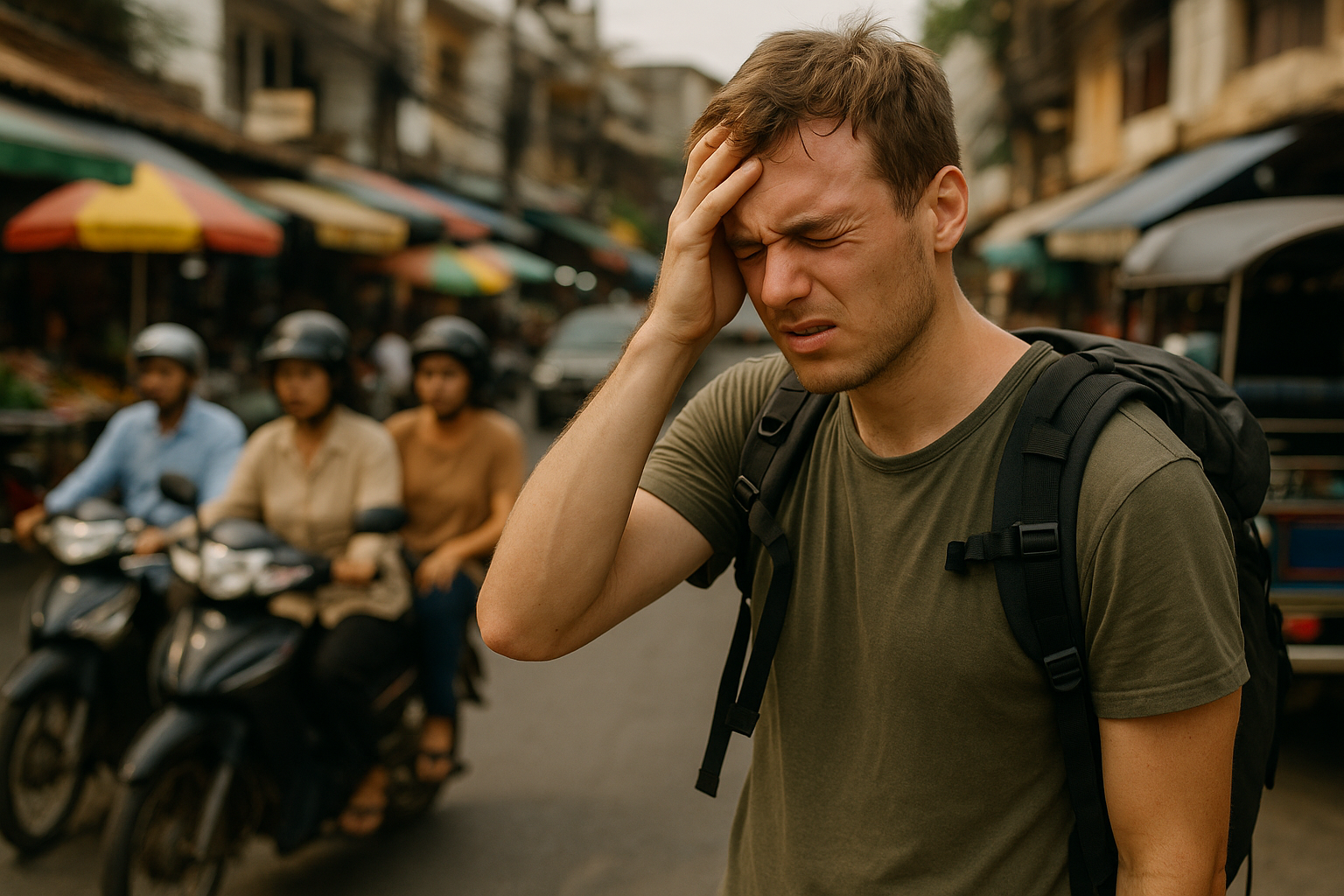
Temples are sacred spaces, not photo backdrops. Before entering any religious site, check the dress code. In most cases, this means covered shoulders and knees — for everyone, regardless of gender. Many temples provide sarongs or wraps at the entrance if you’ve forgotten. Remove your shoes before entering, speak quietly, and be mindful of where you point your feet (in many Southeast Asian cultures, pointing feet toward sacred objects or people is considered deeply rude).
The concept of “saving face” is deeply embedded across much of the region. Public confrontations, raised voices, or aggressive bargaining can cause genuine discomfort and embarrassment. If something goes wrong — a miscommunication, an overcharge, a misunderstanding — approach it calmly and with a smile. You’ll almost always get a better outcome that way.
- Always use both hands (or your right hand) when giving or receiving something, especially money.
- Don’t touch someone’s head — it’s considered the most sacred part of the body in many cultures.
- Dress modestly when outside of beach areas, even in casual settings.
- Ask before photographing people, especially in rural communities or at religious ceremonies.
- Learn a few words in the local language — even “hello” and “thank you” go a very long way.
Resources like Global Work and Travel’s guide to cultural mistakes in Southeast Asia offer a solid starting point for understanding the nuances of local customs before you arrive.
Itinerary Planning: The Trap of Trying to See Everything
Southeast Asia is enormous, diverse, and endlessly interesting. It’s also the reason so many first-timers make the mistake of cramming ten countries into three weeks and ending up exhausted, burnt out, and unable to remember half of what they saw. The region deserves more than a highlight reel.
Pick fewer places and go deeper. Spend a week in one city rather than two nights in five. Walk neighborhoods that aren’t in the guidebook. Eat at the same street food stall three mornings in a row until the vendor recognizes you and starts preparing your order before you ask. That’s the kind of travel that actually stays with you.
The other common itinerary mistake is underestimating travel time. Distances on a map look manageable until you’re on a bus that takes twelve hours to cover what looks like a short route. Factor in travel days properly — they’re not wasted days, but they’re also not sightseeing days. Build in buffer time, especially around border crossings, which can be unpredictable.
Rainy Season: Plan Around It, Not Against It
Southeast Asia doesn’t have a single rainy season — different countries and regions experience monsoon patterns at different times of year. The rain can be heavy and sudden, but it rarely lasts all day. Traveling during the wet season often means fewer crowds, lower prices, and landscapes that are genuinely lush and beautiful. The key is to pack accordingly — quick-dry clothing, a good rain layer, and waterproof bags or covers for your electronics.
Guides like the one from Stray Travel on first-timer mistakes in Southeast Asia are worth reading before you finalize your route, as they often cover seasonal considerations that can significantly affect your experience.
Tourist Traps: How to Spot Them (and What to Do Instead)
Every popular destination has them — the overpriced tuk-tuk tours, the “free” temple visits that end in a hard sell, the gem shop that a friendly local insists you simply must visit. These setups are well-practiced and can be convincing, especially when you’re new to a place and still finding your feet.
The best defense is a relaxed skepticism. If someone approaches you with an unsolicited offer that seems too convenient — a free ride, a special deal, an exclusive experience — it’s worth pausing before saying yes. That doesn’t mean distrusting everyone; the overwhelming majority of people you meet will be genuinely kind and helpful. But it does mean trusting your instincts when something feels off.
Seek out experiences that locals actually participate in. Night markets, community festivals, local transport, neighborhood coffee shops — these are almost always more interesting than the polished tourist version, and they put money directly into local hands rather than large tour operators.
The Mindset That Makes the Biggest Difference
Beyond all the practical advice, the most important thing you can bring to Southeast Asia is an open mind. The region will surprise you constantly — in ways that are funny, humbling, beautiful, and occasionally maddening. Plans will change. Buses will be late. You’ll end up somewhere you didn’t intend to be and discover it’s exactly where you needed to go.
Avoiding southeast asia first time mistakes isn’t about being perfectly prepared. It’s about being adaptable, respectful, and genuinely curious. Talk to people. Slow down. Eat the thing you can’t identify. Say yes to the detour. The travelers who get the most out of Southeast Asia aren’t the ones with the most detailed itineraries — they’re the ones who stay present and let the place show them what it actually is.
First-time travelers to the region often describe it as one of the most rewarding experiences of their lives — not because everything went smoothly, but because the challenges taught them something. The chaos of a crowded market, the warmth of a stranger’s hospitality, the quiet of a temple at sunrise — these are the moments that don’t make it into the Instagram caption but stay with you for years.
Southeast Asia doesn’t ask you to be perfect. It just asks you to show up with a little humility and a lot of curiosity. Do that, and the rest tends to take care of itself. Your first trip to this part of the world won’t be your last — and the mistakes you make along the way will become the best stories you bring home.
This article was produced with AI assistance and reviewed editorially.


New Zealand’s Geothermal Wonders: Rotorua & Where to Stay for Adventure & Maori Culture

Adventure Beyond the Beach: Things to Do in Jeju, South Korea & Tayrona Park, Colombia


