
Asia
Saigon Day Trips: 5 Escapes Within 2.5 Hours When the City Gets Too Much
Discover five realistic day trips from Ho Chi Minh City, from Cu Chi Tunnels to the Mekong Delta. Each includes transport options, costs, and what to do.

When Saigon Feels Like Too Much: Your Guide to the Best Day Trips
Ho Chi Minh City is one of Southeast Asia’s most electric urban experiences. Eight million people, a skyline that never stops growing, streets that pulse with motorbikes from dawn until well past midnight — it’s the kind of city that grabs you by the collar and refuses to let go. But even the most enthusiastic city explorers need to come up for air. That’s exactly why Saigon day trips exist, and why so many travelers who come for the city end up discovering that the surrounding region is just as compelling as the streets of District 1. Within a couple of hours in almost any direction, the concrete gives way to river deltas, coastal towns, wartime history, and national parks that feel worlds apart from the urban buzz you left behind.
This guide covers five destinations you can realistically reach, explore, and return from in a single day — no overnight bag required, no complicated logistics, just a good plan and a sense of curiosity. Whether you’re staying in Saigon for a week or just a few days, at least one of these escapes deserves a spot in your itinerary.
1. Cu Chi Tunnels — Underground History About 60km Away
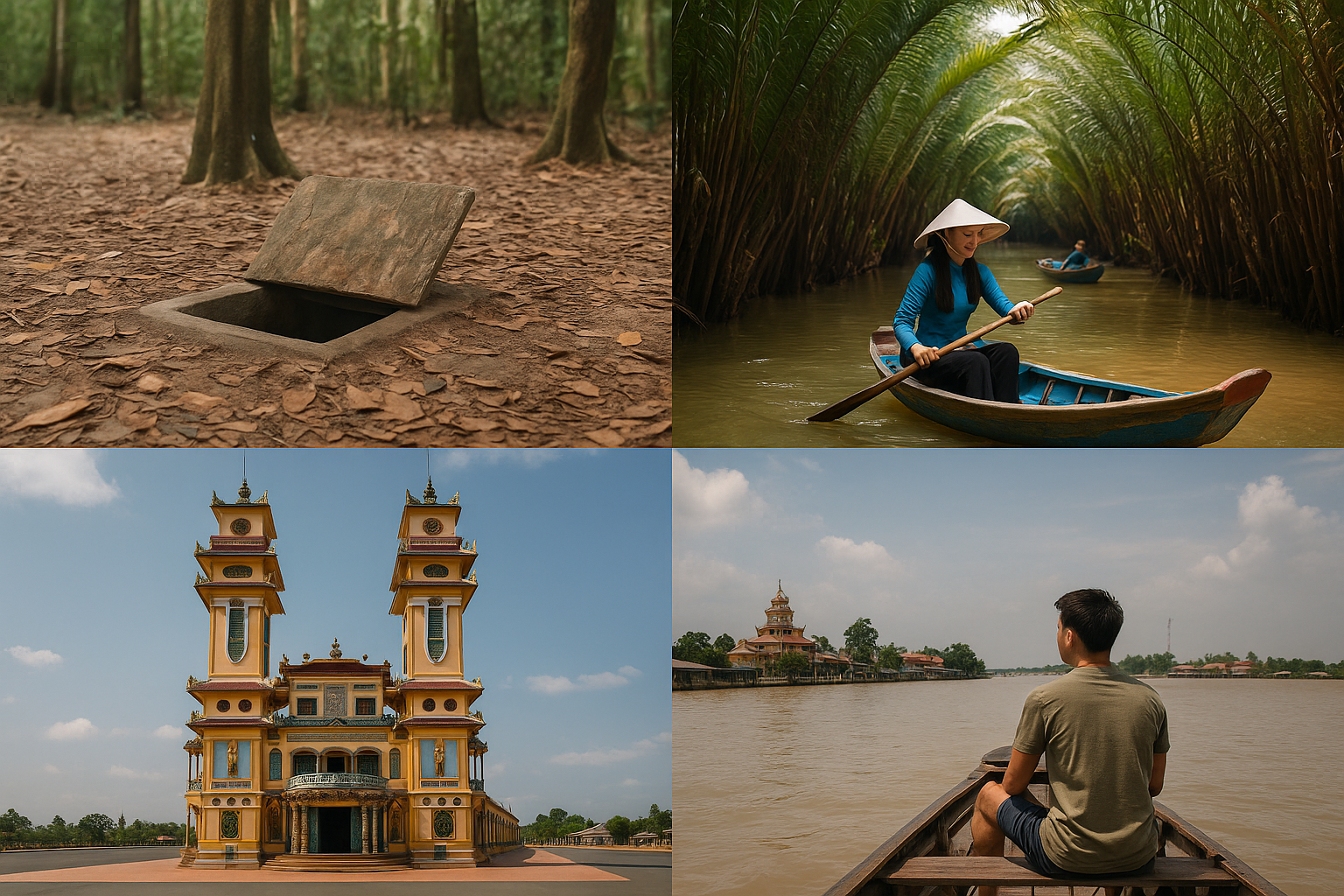
If there’s one day trip that almost every traveler to Ho Chi Minh City ends up taking, it’s the Cu Chi Tunnels. Located roughly 60 kilometers from District 1, this remarkable underground network was used during the Vietnam War as a base of operations, living quarters, and supply route. Today, it’s one of the most visited historical sites in the country — and for good reason.
Crawling through the narrow, dark tunnels (some sections have been widened slightly for tourists, but they’re still genuinely claustrophobic) gives you a visceral, physical understanding of wartime life that no museum exhibit can replicate. You’ll also find reconstructed bunkers, trap demonstrations, and exhibits explaining the ingenuity behind the tunnel system. It’s sobering and fascinating in equal measure.
Getting There
You have real flexibility here. The Cu Chi Tunnels can be reached by taxi, private car, motorbike, local bus, or organized tour. For most travelers staying in the backpacker districts, a guided group tour is the most convenient and cost-effective option — these typically depart in the morning and return by early afternoon. If you prefer independence, a hired car or ride-share app gets you there in roughly 90 minutes depending on traffic. The local bus is the budget option and takes longer but gives you a more authentic experience of navigating the city’s outskirts.
What to Know Before You Go
Arrive early. This site draws significant crowds, particularly on weekends and public holidays. Weekday mornings are noticeably quieter. Wear clothes you don’t mind getting dusty, and if you’re even slightly claustrophobic, it’s worth knowing in advance which tunnel sections you can skip. The surrounding area is also genuinely interesting to walk around — don’t rush straight back to the city if you have time to linger.
2. Mekong Delta — Life on the Water
The Mekong Delta is one of those places that immediately reframes how you think about Vietnam. You’ve been surrounded by urban concrete, and then suddenly you’re drifting along narrow waterways lined with dense tropical vegetation, watching farmers tend floating gardens and local vendors navigate the river on wooden boats. It feels like stepping into a completely different world — one that moves at its own unhurried pace.
The Delta sits to the southwest of Ho Chi Minh City and is one of the two most popular major excursions from the city. Most day trips focus on areas like Ben Tre or My Tho, both reachable within two hours. You’ll typically spend time on boat tours through the canals, visit local workshops producing coconut candy or rice paper, and eat fresh fruit and seafood in the kind of settings that make for genuinely memorable meals.
Getting There
Organized tours are by far the most practical option for a day trip to the Mekong Delta. They handle the boat arrangements, guides, and transport — all the logistics that would otherwise eat into your actual time on the water. If you’re going independently, buses run from the central bus stations to My Tho and Ben Tre regularly. Travel time from central Saigon is typically between one and two hours by road depending on traffic and your exact destination within the Delta.
What to Know Before You Go
The experience varies a lot depending on the season. The dry season (roughly November through April) tends to offer cleaner skies and easier boat navigation. The wet season brings lush green scenery but also occasional flooding and heavier rain. Either way, the Delta is worth visiting — just dress accordingly. Weekend tours can feel crowded at the more popular stops, so if you have a weekday free, use it.
3. Vũng Tàu — Saigon’s Coastal Escape
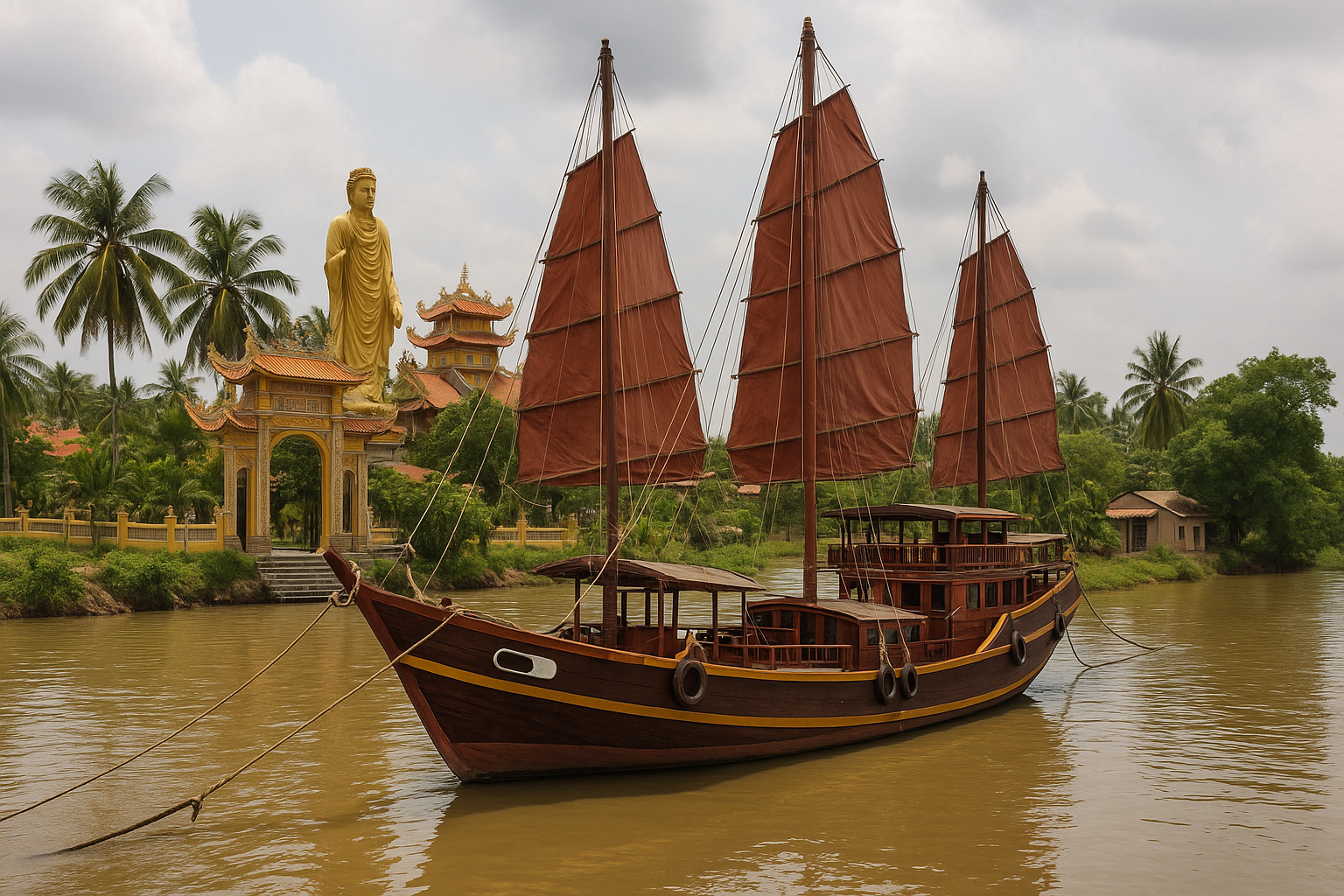
When city residents need a beach day, Vũng Tàu is where they go. This coastal city sits on a peninsula southeast of Ho Chi Minh City and has been a popular seaside retreat for generations. It’s not a pristine, untouched paradise — it’s a lived-in beach town with seafood restaurants, a busy promenade, and the kind of relaxed energy that comes from being a local favorite rather than a tourist destination.
That’s actually what makes it interesting. You’ll share the beach with Vietnamese families on weekend outings, local surf groups, and retirees doing their morning exercises along the waterfront. The giant Christ the King statue overlooking the sea is a landmark worth the climb for the views alone. The town also has a handful of pagodas, a lighthouse, and enough good seafood restaurants to make the journey worthwhile even if you spend the whole afternoon eating.
Getting There
The ferry from Ho Chi Minh City to Vũng Tàu is one of the most enjoyable ways to make the journey — it takes roughly two hours and the ride across the river and into the bay is genuinely scenic. Speedboat options cut the time down significantly. By road, the drive takes between two and two and a half hours depending on traffic, which can be heavy on Friday evenings. Buses and shared minivans depart regularly from the city.
What to Know Before You Go
Weekends at Vũng Tàu get busy — this is a genuine local escape, not just a tourist stop, which means the beaches fill up on Saturday and Sunday. If you can visit on a weekday, you’ll have a much more relaxed experience. The sea conditions vary by season, so check before you plan on swimming. The town is easy to navigate by rented bicycle or motorbike once you arrive, which is the best way to explore beyond the main beach strip.
4. Mũi Né — Dunes, Wind, and a Different Kind of Coast
Mũi Né sits at the outer edge of what most people consider a comfortable day trip from Saigon — it’s roughly four hours by road, which pushes the definition of “day trip” unless you’re prepared for an early start and a late return. That said, many travelers make the journey because the landscape here is genuinely unlike anything else in the region. Red and white sand dunes, a fishing village with brightly painted boats, and a coastline that draws kitesurfers from around the world — it’s a striking combination.
If you’re pressed for time, Mũi Né works better as an overnight trip, but if you’re determined to do it in a day, it’s doable with an early bus departure. The dunes at sunrise or sunset are the highlight — walking across them as the light shifts is one of those quiet, unhurried travel moments that stays with you. The fairy stream, a shallow waterway cutting through colorful rock formations, is another unexpected gem worth an hour of your time.
Getting There
Sleeper buses run overnight from Ho Chi Minh City and are a popular option for budget travelers combining a night’s sleep with the journey. Day buses also operate regularly from the city’s eastern bus terminals. The road trip itself passes through interesting countryside, so if you’re traveling by private car or van, keep your eyes open along the way.
What to Know Before You Go
Wind is a constant here — it’s what makes the kitesurfing so good, but it also means sand gets everywhere. Bring a scarf or lightweight cover if you’re sensitive to that. The dunes are best experienced very early in the morning before tour groups arrive. Mũi Né has been growing as a destination for some years now, so while it’s no longer a hidden gem, it still delivers an experience that feels genuinely different from the rest of southern Vietnam.
5. Cat Tien National Park — Into the Jungle
For travelers who want to trade city noise for something completely different, Cat Tien National Park offers one of the most rewarding escapes within reach of Saigon. Located to the north of Ho Chi Minh City, the park is a UNESCO-listed biosphere reserve and one of the last remaining lowland tropical rainforests in southern Vietnam. It’s the kind of place where you walk in feeling like you need a coffee and walk out feeling genuinely restored.
The park is home to a remarkable range of wildlife — gibbons, sun bears, crocodiles, and hundreds of bird species among them. Guided night walks are a highlight, revealing a side of the forest that most visitors never see. You can also explore the park by bicycle along marked trails, visit the bear rescue center, or simply sit quietly by the river and let the sounds of the jungle replace the sounds of the city for a few hours.
Getting There
Cat Tien is roughly 150 kilometers north of Ho Chi Minh City, making it a longer journey than some of the other options on this list — expect around two and a half to three hours by road. Buses run from the city toward the park, though the final stretch often requires a local taxi or motorbike. Organized tours are available and handle the logistics smoothly. The extra travel time is genuinely worth it if nature is your thing.
What to Know Before You Go
The dry season (December through April) is the easiest time to visit in terms of trail conditions and wildlife spotting. The wet season transforms the park into an intensely green, atmospheric environment, but some trails become difficult. Book guided walks in advance during peak periods, and bring insect repellent — this is a real jungle, not a manicured park.
Practical Tips for All Saigon Day Trips
- Start early. Traffic leaving Ho Chi Minh City can be significant in the morning rush. Getting ahead of it makes a real difference to your day.
- Book transport in advance for weekends. Popular routes fill up quickly, especially on Friday afternoons when locals are also heading out of the city.
- Carry cash. Many smaller towns and local vendors around these destinations don’t accept cards. Having Vietnamese dong in smaller denominations saves hassle.
- Pack light but smart. Sun protection, a reusable water bottle, and a lightweight rain layer cover most scenarios across all five destinations.
- Use reputable tour operators for complex trips. For the Mekong Delta boat tours and Cat Tien guided walks in particular, a good guide transforms the experience. Check reviews and ask at your accommodation for recommendations.
- Respect local customs. Whether you’re visiting a pagoda near Vũng Tàu, a working fishing village at Mũi Né, or a community near the Cu Chi tunnels, dress modestly and be mindful of the spaces you’re entering.
How to Choose the Right Trip for Your Day
The best Saigon day trips are the ones that match your mood and energy. If you’re craving history and something that genuinely moves you, the Cu Chi Tunnels deliver every time. If you want to slow down and connect with the rhythms of rural life, the Mekong Delta is unbeatable. For a beach day with a local feel, Vũng Tàu is the obvious choice. If you want dramatic landscapes and a bit of adventure, Mũi Né earns the longer journey. And if you need to disappear into nature entirely, Cat Tien is where you go.
For more inspiration on planning your time around Ho Chi Minh City, Indie Traveller’s guide to Saigon day trips is a solid starting point, and Lonely Planet’s overview of day trips from Ho Chi Minh City offers useful context on the broader region.
The City Will Still Be There When You Get Back
Ho Chi Minh City doesn’t slow down while you’re away. The motorbikes keep moving, the street food keeps cooking, and the energy stays at full volume. But stepping outside the city for a day — even just once during your trip — gives you something that the city itself can’t: perspective. You come back with fresh eyes, a different appetite, and a fuller picture of what southern Vietnam actually is. The urban intensity is part of the story, but so are the waterways, the coastline, the jungle, and the history buried just beneath the surface. The best version of your trip to Saigon probably includes at least one day when you leave it behind.
This article was produced with AI assistance and reviewed editorially.


New Zealand’s Geothermal Wonders: Rotorua & Where to Stay for Adventure & Maori Culture

Adventure Beyond the Beach: Things to Do in Jeju, South Korea & Tayrona Park, Colombia


