
Itineraries
Thailand Itineraries for Every Timeline: 1 Week to 4 Weeks Modular Planning
Build your perfect thailand itinerary with flexible routes for 1 to 4 weeks. Mix northern temples, southern islands, and coastal towns based on your timeline and budget.

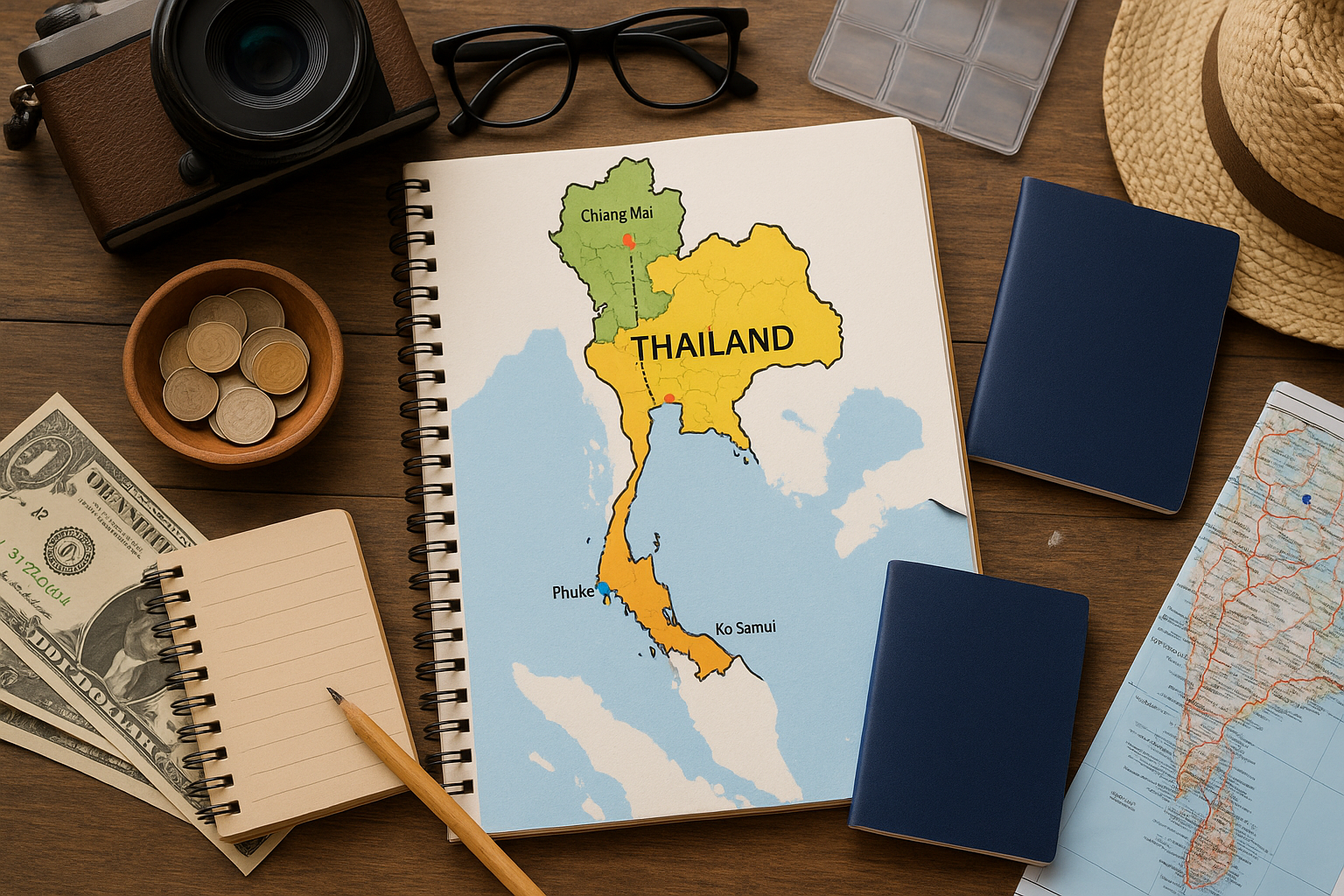
Why Thailand Deserves More Than a Weekend
If you’ve been dreaming about Southeast Asia, chances are Thailand keeps coming up — and for good reason. It’s the most visited country in the region, and a well-planned thailand itinerary can take you from ancient temples draped in morning mist to turquoise islands where the only decision you need to make is whether to snorkel before or after lunch. The country pulls in tens of millions of foreign visitors every year, and yet somehow, it still manages to surprise you.
The challenge isn’t finding things to do. It’s figuring out how to fit everything into the time you actually have. Northern mountains, jungle treks, Buddhist temples, Andaman Coast diving, Gulf islands, street food markets, night bazaars — Thailand is genuinely enormous in scope. This guide breaks it all down into a modular framework, so whether you’ve got one week or four, you can build a trip that makes sense for your timeline, your energy, and your budget.
Understanding Thailand’s Geography Before You Plan
One of the most common planning mistakes is treating Thailand like a small country you can zip across in a day. It isn’t. The country stretches from the mountainous north — think Chiang Mai, jungle terrain, and highland villages — all the way down to two separate coastlines: the Andaman Sea to the west and the Gulf of Thailand to the east. These aren’t just different beaches. They’re different worlds.
Northern Thailand sits at higher elevation, with cooler temperatures, lush forests, and a culture shaped by Lanna heritage. Southern Thailand splits into two distinct coasts, each with its own island chains, diving spots, and seasonal rhythms. Understanding this geography is the first step to planning a trip that doesn’t waste your time on unnecessary backtracking.
- Northern Thailand: Chiang Mai as a base, surrounding mountains, temples, trekking, and local markets
- Central Thailand: Bangkok as a transit hub and cultural anchor, historic sites at Ayutthaya
- Andaman Coast (West): Krabi, Koh Lanta, the Phi Phi Islands, Koh Lipe — known for dramatic limestone karsts and clear water
- Gulf Coast (East): Koh Samui, Koh Phangan, Koh Tao — popular for full moon parties and dive certification courses
For most travelers, the practical question is: do you go north, south, or both? The answer depends on your timeline.
The One-Week Thailand Itinerary: Pick a Focus and Commit
One week is the recommended minimum for a meaningful trip to Thailand. You’ll need a day or two just to shake off jet lag and find your footing — and rushing through five regions in seven days will leave you exhausted rather than inspired. The smarter move is to focus.
Option A: Bangkok and the North
Fly into Bangkok, spend two days exploring the city — the Grand Palace, Wat Pho, Chinatown’s street food scene, and the Chao Phraya riverbanks. Then take an overnight train or a short domestic flight up to Chiang Mai. You’ll have four days to explore the old city’s temples, hire a local guide for a day trek into the surrounding hills, visit a responsible elephant sanctuary, and lose yourself in the Sunday Walking Street market. This route suits travelers who want culture, history, and nature without touching the beach.
Option B: Bangkok and the South
One night in Bangkok to break the journey, then fly south to Krabi or Koh Samui depending on which coast appeals to you. Spend five days island-hopping, kayaking through sea caves, or getting your open-water dive certification on Koh Tao. This is the route for people who arrive wanting sand and sea above everything else.
Either way, resist the urge to do both north and south in a week. You’ll spend more time on planes and overnight buses than actually experiencing anything.
The Two-Week Thailand Itinerary: Where It Really Gets Good
Two weeks is the sweet spot for most young travelers. It gives you enough time to move between regions without feeling like you’re constantly packing and unpacking, and it lets you slow down in places that actually deserve it.
A solid two-week thailand itinerary typically looks like this: two to three days in Bangkok, three to four days in Chiang Mai and the surrounding north, then a flight south to spend the remaining week on the islands or the Andaman Coast. This north-to-south flow is logical, efficient, and gives you genuine variety.
Bangkok: Your Starting Point
Don’t skip Bangkok just because it’s a big city. It’s one of the most energetic urban experiences in the world. Eat your way through a night market, take a long-tail boat through the canals, wander Khao San Road (even if just to people-watch), and catch the chaos of a local wet market at dawn. Two full days here is enough to feel the pulse of the city without getting overwhelmed.
Northern Thailand: Chiang Mai and Beyond
Chiang Mai is the cultural heart of the north. The old city is compact and walkable, ringed by a moat and packed with temples — Wat Chedi Luang, Wat Phra Singh, and dozens of smaller shrines tucked between coffee shops and guesthouses. Three days here gives you time to explore the city, take a cooking class, and do a day trip into the mountains. If you have a fourth day, consider heading further north toward Chiang Rai and the famous White Temple, or taking a slow boat along the Mekong River.
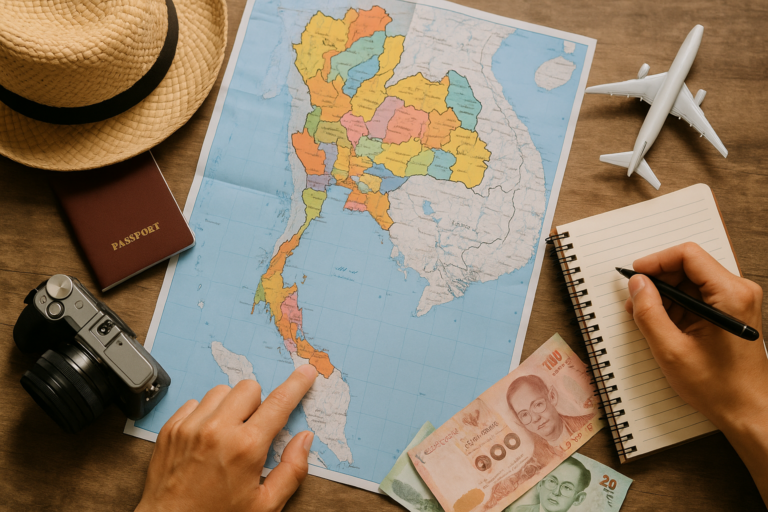
The South: Choosing Your Coast
With five to six days in the south, you can realistically explore one island cluster properly. The Andaman side — Krabi, Railay Beach, Koh Lanta — tends to feel slightly less crowded than some of the Gulf islands and offers extraordinary scenery. Koh Lanta in particular is worth knowing about: it’s more laid-back than some of its neighbors, with long stretches of beach, a charming old town on the east coast, and a genuinely relaxed atmosphere that suits travelers who want to actually rest rather than party.
On the Gulf side, Koh Tao is a world-renowned diving destination where you can get certified for a fraction of what it costs elsewhere in the world. Koh Phangan offers more than just the full moon party — its northern and western shores have quiet beaches and good snorkeling.
The Three-Week Thailand Itinerary: Go Deeper
Three weeks lets you breathe. You can follow the classic north-to-south route and still have time to sit still somewhere for a few days without feeling guilty about it. This is when Thailand stops feeling like a checklist and starts feeling like an actual journey.
Add Ayutthaya to your Bangkok leg — it’s only a short train ride north of the capital and the ancient ruins there are genuinely moving. In the north, extend your time around Chiang Mai to include a multi-day trek or a visit to one of the hill tribe communities near Pai, a small mountain town that attracts travelers looking for something quieter and more offbeat.
In the south, three weeks gives you the freedom to try both coasts if you want. Spend four or five days on the Andaman side, then cross the peninsula to the Gulf. The journey between coasts is straightforward by bus or minivan and takes half a day at most.
This is also the timeline where slow travel starts to make sense. Renting a scooter on Koh Lanta and exploring at your own pace. Staying in a guesthouse run by a local family in Pai. Taking a Thai cooking class that lasts a full day rather than a rushed two-hour tourist version. Three weeks is long enough to have those kinds of experiences.
The Four-Week Thailand Itinerary: The Full Picture
A month in Thailand is a genuine luxury, and if you have it, use it wisely. The temptation is to try to see everything. The better approach is to go deeper into the places that resonate with you, while adding a few destinations you’d normally skip.
With four weeks, your thailand itinerary can include the north in real depth — not just Chiang Mai, but the Golden Triangle region near the Myanmar and Laos borders, the tea plantations and misty hills around Doi Mae Salong, and the riverside town of Chiang Khong if you’re planning to cross into Laos afterward. In the south, you have time to reach the more remote islands that require ferry connections and a bit of patience: Koh Lipe near the Malaysian border, or the national park islands in the Ang Thong Marine Park.
A month also gives you the chance to use Thailand as a base for short regional excursions — a few days in Luang Prabang in Laos, or a quick trip to Penang in Malaysia. Southeast Asia is remarkably well-connected, and Thailand sits at the center of it all.
Seasons, Timing, and the Burning Season
When you go matters as much as where you go. Thailand has distinct seasons, and planning around them can make a real difference to your experience.
The cool, dry season running roughly from November through February is generally considered the best time to visit most of the country. Temperatures are more comfortable, skies are clearer, and the beaches are at their most inviting. This is also peak tourist season, so popular spots can feel crowded and prices tend to rise.
The hot season from March through May brings intense heat across much of the country. It’s also when northern Thailand experiences what’s known as the burning season — a period when agricultural burning and forest fires create thick haze across Chiang Mai and the surrounding region. If you’re planning to spend time in the north and respiratory health or air quality is a concern for you, it’s worth timing your visit to avoid these months. The haze can significantly affect visibility and outdoor activities in the mountains.
The wet season from roughly June through October brings heavy rain to much of the country, though the timing varies between coasts. The Andaman side gets the worst of the monsoon from May to October, while the Gulf Coast’s wet season peaks later in the year. Traveling in the shoulder seasons — October to November or March — can be a smart move if you want fewer crowds without committing to full monsoon conditions.
For more detailed seasonal planning, resources like Rough Guides’ Thailand planning guide and Nomadic Matt’s Thailand travel tips offer solid region-by-region breakdowns worth reading before you book.
Getting Around: Transportation Between Regions
Thailand has a well-developed transport network that’s genuinely easy to navigate once you understand the options. The key is matching your transport choice to the distance and your timeline.
- Domestic flights: The fastest and often most practical way to cover long distances. Bangkok to Chiang Mai or Bangkok to Krabi takes about an hour in the air. Budget airlines operate frequent routes and fares can be very reasonable if you book in advance.
- Overnight trains: A classic Southeast Asia experience. The overnight sleeper from Bangkok to Chiang Mai takes around twelve hours but saves you a night’s accommodation and arrives in the morning. Comfortable, affordable, and worth doing at least once.
- Buses and minivans: Good for medium distances and popular routes. Minivans connect most tourist hubs efficiently, though they can be cramped on longer journeys.
- Ferries: Essential for island travel. Most ferry routes are well-organized with clear schedules, though services can be reduced or suspended during rough weather in the monsoon season.
- Scooter rental: Ideal for exploring individual islands or towns at your own pace. If you’re comfortable riding, it transforms your experience of places like Koh Lanta or the roads around Pai.
The general rule of thumb: fly between major regions to save time, use trains or buses for medium distances where the journey itself is part of the experience, and rent a scooter once you’ve settled somewhere for a few days.
Building Your Own Modular Thailand Itinerary
The beauty of Thailand as a destination is that it genuinely rewards flexible planning. The country’s regions work like building blocks — you can mix and match based on your timeline, your interests, and how you’re feeling on the road.
Start with your anchor points: Bangkok is almost always the entry and exit point, so build outward from there. Decide early whether you want to prioritize the north, the south, or both. If you’re short on time, commit fully to one region rather than spreading yourself thin. If you have three weeks or more, the classic north-to-south route gives you the full range of what makes Thailand so compelling.
Think about pace as much as places. Some of the best moments in Thailand happen when you slow down — when you spend a whole morning in one temple, when you find a beach that isn’t on anyone’s top-ten list, when you eat three rounds of the same street food stall because it’s that good. Build that kind of space into your plan deliberately.
Thailand has been welcoming travelers for decades, and it remains Southeast Asia’s most visited destination for a reason. The temples are genuinely awe-inspiring. The food is extraordinary. The landscapes shift from jungle to mountain to island in ways that never stop feeling surprising. Whatever your timeline, a thoughtful thailand itinerary will give you more than you expect — and almost certainly leave you planning a return trip before you’ve even landed home.
This article was produced with AI assistance and reviewed editorially.


Vietnam Uncovered: Beyond the Chaos, Into the Real Story

Beyond the Guidebook: What Hanoi Actually Feels Like


