
Asia
Thailand’s Hidden Gems: Koh Lanta & Chiang Mai Beyond the Guidebook
Discover authentic Thailand beyond the usual tourist trail. This travel guide explores Koh Lanta’s undeveloped beaches and Chiang Mai’s local culture with budget tips.

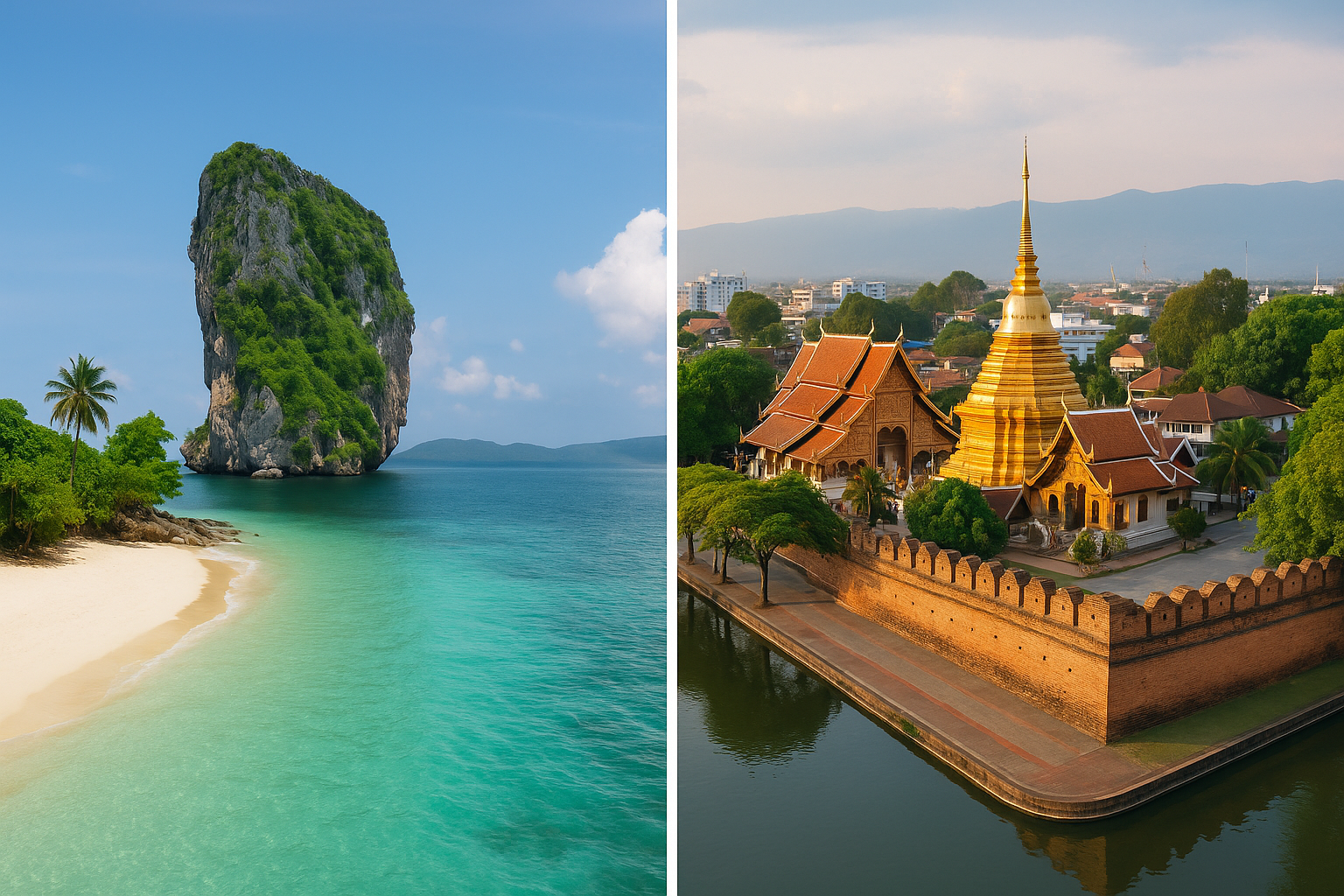
Thailand Off the Beaten Path: Your Real Thailand Travel Guide to Koh Lanta and Chiang Mai
Most travelers land in Bangkok, tick off the Grand Palace, and then follow the well-worn trail south to Phuket or north to the obvious highlights of Chiang Mai’s old city. And honestly? There’s nothing wrong with that. But if you’re the kind of traveler who wants to feel like you’ve actually discovered something — rather than just queued for the same photo everyone else has — this thailand travel guide is for you. We’re going deeper into two destinations that reward curiosity: Koh Lanta, the island that somehow stayed chill while its neighbors turned into tourist theme parks, and Chiang Mai, a northern city so layered and alive that one traveler famously returned twelve times and still found new things to love.
Koh Lanta: The Island That Didn’t Sell Out
There’s a particular kind of magic to arriving somewhere and realizing it hasn’t been packaged up and sold back to you. Koh Lanta has that magic. While nearby islands became synonymous with party beaches and overpriced cocktails, Koh Lanta quietly stayed itself — and the people who found it kept coming back.
According to Travel + Leisure, the island is genuinely known for its crowd-free beaches and its resistance to the kind of overdevelopment that’s transformed so much of Thailand’s coastline. That’s not marketing language — it’s something you feel the moment you arrive. The roads are quieter. The sunsets are less crowded. The pace is slower in the best possible way.
The Beaches: More Than Just Sand
Koh Lanta’s beaches stretch along the western coast, each with its own personality. The northern beaches tend to be more accessible and slightly busier — good if you want a few cafés and guesthouses within walking distance. As you move south, the crowds thin out and the scenery gets wilder. The southern tip of the island feels almost remote, with dense jungle pressing right up against the shore.
What makes the beaches here different isn’t just the lack of crowds. It’s the sense that the landscape is still in charge. You’ll spot fruit-loving monkeys darting through the trees above the shoreline — a reminder that you’re sharing this place with more than just other travelers. Bring snorkeling gear if you can; the waters around Koh Lanta are clear and the marine life is genuinely worth exploring.
Budget travelers will find simple bungalow operations near the beach that offer clean, no-frills stays without draining your wallet. Mid-range options — small boutique resorts with pools and sea views — are plentiful and significantly cheaper here than on more developed islands. If you want something more private, the south of the island has a handful of quieter properties where you can genuinely feel like you have the beach to yourself.
Koh Lanta Old Town: The Hidden Gem You Shouldn’t Skip
Most visitors head straight for the beaches and never make it to Old Town. That’s a shame, because this is where the island’s real character lives.
Koh Lanta Old Town sits on the eastern coast, overlooking a calm channel and the mainland beyond. It’s a small settlement of wooden shophouses built on stilts over the water, home to a Muslim fishing community that’s been here for generations. The streets are narrow and quiet. There are small coffee shops, family-run restaurants, and craftspeople going about their day. It doesn’t feel like a tourist attraction — because it isn’t one, really. It’s just a community that happens to be worth visiting.
Walk the main street slowly. Grab a coffee. Talk to people if you can. The Nomadic Sabbatical’s guide to Thailand’s hidden gems highlights Old Town as one of the island’s most underrated experiences, and it’s hard to disagree. If you’re lucky enough to visit during the annual Laanta Lanta Festival, you’ll find the town transformed — cultural performances, traditional dances, and a community energy that’s completely different from anything you’d find on the beach strip.
Getting Around and When to Go
Koh Lanta is best explored on a rented scooter or motorbike. The roads are manageable even for first-timers, and having your own wheels means you can pull over whenever something catches your eye — which will happen often. Tuk-tuks and songthaews (shared pickup trucks) are also available if you’d rather not ride.
The best time to visit is between November and April, when the weather is dry and the sea is calm. From May onwards, the southwest monsoon brings rain and rough seas, and many businesses on the island close up for the low season. If you visit during shoulder months — October or early May — you’ll find fewer tourists and lower prices, though you’ll want to check conditions before planning any boat trips.
Chiang Mai: A Northern City Worth Returning To
Chiang Mai is the kind of city that earns loyalty. The indie traveller Dustin Kemp, whose writing has become something of a reference point in the backpacker world, has visited Chiang Mai twelve times — and he’s not alone in that kind of devotion. This city does something to people. It slows them down, pulls them in, and keeps them coming back.
Part of the reason is cultural. Chiang Mai was the favorite city of King Bhumibol Adulyadej, who ruled Thailand until his passing in 2016 — a fact that tells you something about the city’s character. It has a different energy from Bangkok: more contemplative, more rooted in tradition, more connected to the natural world that surrounds it.
Temples, Culture, and What to Actually Do
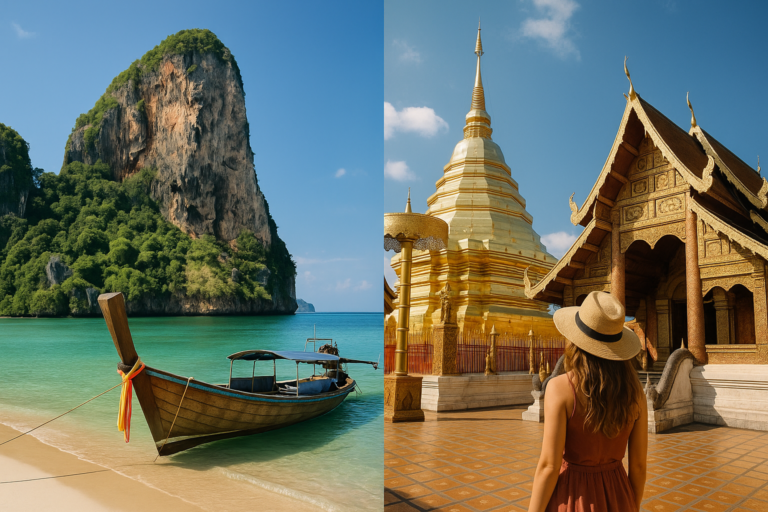
Yes, Chiang Mai has temples — hundreds of them. But the way you experience them matters. The most famous, Doi Suthep, sits on a mountain above the city and offers sweeping views alongside genuine spiritual significance. Go early in the morning before the tour buses arrive and you’ll find monks going about their rituals in near-silence. That’s the version of the temple worth seeing.
Inside the old city walls, you can spend days wandering between wats (temples) without ever consulting a map. Each one has its own story, its own architectural details, its own atmosphere. Don’t rush. Sit in the courtyards. Watch the light change. This is the kind of travel that takes time but gives back more than it takes.
Beyond the temples, Chiang Mai’s food scene is one of the best reasons to visit. Northern Thai cuisine is distinct from what you’ll find in Bangkok or the south — richer, earthier, with dishes like khao soi (a coconut curry noodle soup) that have become iconic in their own right. The best places to eat are almost never the ones with the biggest signs. Follow the locals, look for the plastic stools and the hand-written menus, and order whatever looks freshest.
The city’s markets are another world entirely. The Sunday Walking Street along Wualai Road fills with local artisans selling handmade goods, while the Night Bazaar draws a more mixed crowd. For something more authentic, the smaller neighborhood markets scattered across the city offer a glimpse of daily life that no tourist attraction can replicate.
Hidden Gems Beyond the Old City
If you’ve already done the standard Chiang Mai itinerary — temples, night market, cooking class — it’s time to go further. The city rewards those who wander into its quieter neighborhoods, where coffee culture has taken root in beautiful old buildings and local artists have carved out creative spaces that feel genuinely alive.
One of the most rewarding day trips from Chiang Mai is to Chiang Dao, a serene mountain town about 70 kilometers north of the city. Doi Chiang Dao is Thailand’s third-highest mountain, and the area around it has a completely different feel from the city — cool, forested, and unhurried. It’s the kind of place where you might arrive planning to stay one night and end up staying three.
For those interested in something more unusual, Chiang Mai also has an insect museum that’s become a talking point among curious travelers — part of the city’s broader reputation for embracing the unexpected alongside the traditional.
Understanding Burning Season
This is something every honest thailand travel guide needs to address. Between roughly February and April, northern Thailand experiences what’s known as burning season — a period when agricultural burning, combined with weather patterns that trap smoke in the valleys, can cause significant air quality issues in Chiang Mai and the surrounding region.
It’s not a reason to avoid the city entirely, but it is something to plan around. Here’s what you should know before you go:
- Check air quality before you book. Air quality index apps and websites give real-time readings for Chiang Mai. If levels are very high, consider adjusting your dates.
- Bring or buy a quality mask. A basic surgical mask won’t cut it. Look for masks rated N95 or equivalent, which filter fine particles more effectively.
- Limit outdoor activity on bad days. When air quality is poor, save your outdoor adventures — hikes, cycling, temple visits — for early morning when conditions are often slightly better.
- Stay in accommodation with air conditioning. Having a clean indoor space to retreat to makes a real difference. Keep windows closed on high-pollution days.
- Stay hydrated. Smoke exposure is harder on your body when you’re dehydrated, especially in the heat.
- Consider travel insurance that covers respiratory issues. If you have asthma or any respiratory sensitivity, this is worth thinking about seriously before you go.
- Shift your itinerary north or south. If you’re in the region during peak burning season, consider spending time on the coast or in Bangkok and returning to Chiang Mai in May when conditions typically improve.
None of this should put you off Chiang Mai. Outside of burning season, the air is clean and the climate is genuinely one of the most pleasant in Southeast Asia — especially from November through January, when cool evenings and clear skies make it hard to imagine being anywhere else.
Planning Your Trip: Practical Essentials
Getting Between the Two Destinations
Koh Lanta and Chiang Mai are about as different as two Thai destinations can be — geographically, culturally, and in terms of what they offer. That contrast is actually what makes combining them into a single trip so satisfying.
The most practical route is to fly between the two. Krabi Airport, which serves the Koh Lanta area, has regular connections to Chiang Mai, though you may need to connect through Bangkok. Budget airlines make this affordable if you book ahead. Alternatively, the overnight train from Bangkok to Chiang Mai is one of the great travel experiences in Southeast Asia — a slow, atmospheric journey that’s worth doing at least once.
What to Budget
Thailand remains one of the most accessible destinations in the world for budget-conscious travelers. In Koh Lanta, a comfortable daily budget covering a simple guesthouse, meals at local restaurants, and a scooter rental is very manageable. Chiang Mai is even more affordable — accommodation, food, and transport in the city can cost surprisingly little if you eat where locals eat and use shared transport or cycling to get around.
That said, both destinations have options at every price point. Boutique hotels, cooking classes, guided treks, and boat trips will add to your costs, but even mid-range spending in these places feels like exceptional value compared to most other destinations.
Visas and Entry
Thailand currently offers visa-on-arrival and visa-exempt entry for travelers from many countries, though policies evolve and it’s always worth checking the latest requirements before you travel. The Travel + Leisure destination page for Koh Lanta and official Thai government resources are good starting points for current entry information.
Final Thoughts: Why These Two Places Deserve Your Time
What makes Koh Lanta and Chiang Mai stand out isn’t that they’re secret — plenty of travelers have found them. It’s that they’ve both managed to hold onto something real. The island hasn’t been hollowed out by mass tourism. The city hasn’t lost its soul to Instagram backdrops. Both places reward travelers who arrive with genuine curiosity rather than a checklist.
This thailand travel guide barely scratches the surface of what either destination has to offer. The point isn’t to give you a complete itinerary — it’s to give you enough to start asking your own questions. Where does that road lead? What’s in that neighborhood? What do people here actually eat for breakfast?
The best travel experiences aren’t the ones you planned perfectly. They’re the ones that surprised you. And both Koh Lanta and Chiang Mai, if you let them, will do exactly that. Pack light, stay curious, and give yourself more time than you think you need. You’ll use all of it.
This article was produced with AI assistance and reviewed editorially.


Sri Lanka in October: Skip the Crowds, Embrace the Adventure

Vietnam Beyond the Guidebook: What You Actually Need to Know


