
Albania
Epic Hiking Trails for Young Adventurers: Valbona-Theth, Kumano Kodo & More
Discover rewarding multi-day hiking trails across Europe and Asia. Detailed guides to Valbona-Theth in Albania and Kumano Kodo in Japan with costs, packing tips, and fitn

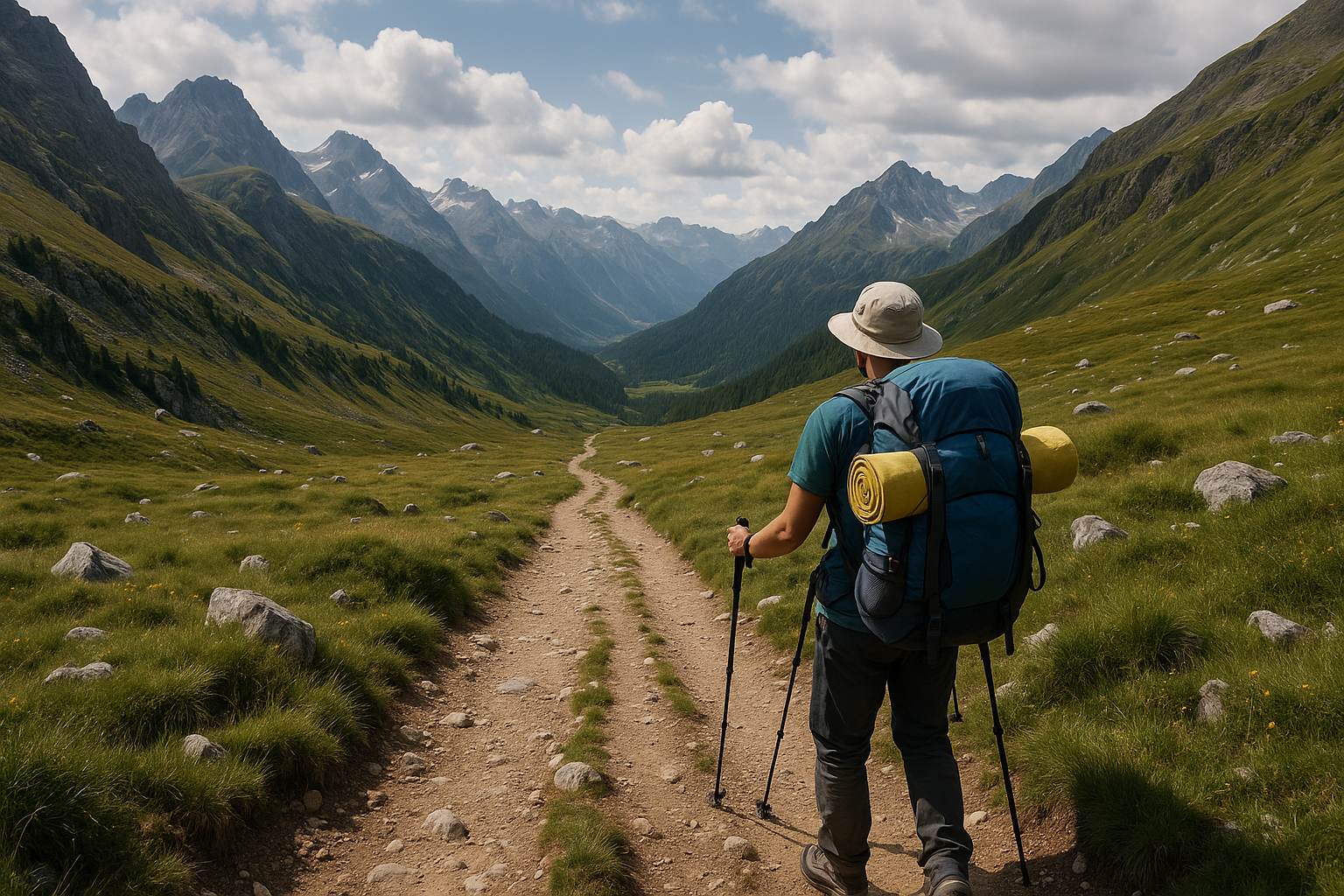
Why Multi-Day Hiking Trails Belong on Every Young Traveler’s Radar
There’s a particular kind of freedom that only comes when you strap on a pack, step onto a trail, and commit to walking somewhere for several days. Multi-day hiking trails aren’t just a workout — they’re one of the most honest ways to experience a country. You move at a human pace. You sleep in places you’d never find on a standard tour. You earn every view. And somewhere between the blisters and the sunsets, you usually have a conversation with yourself — or a stranger — that you’ll carry home for years.
This guide covers some of the most rewarding multi-day routes you can tackle as an independent traveler in your twenties, with a deep dive into two trails that deserve far more attention than they get: the Valbona-to-Theth crossing in the Albanian Alps and the ancient Kumano Kodo pilgrimage network in Japan. Whether you’re a seasoned backpacker or planning your first overnight hike, there’s something here worth lacing up for.
The Valbona to Theth Trail: Albania’s Best-Kept Secret
If you haven’t heard of the Accursed Mountains, prepare to add a new obsession to your travel list. The Valbona-to-Theth trail cuts through one of Europe’s most dramatic and least-visited mountain landscapes — a range that straddles Albania, Montenegro, and Kosovo, carrying a name as wild as the terrain itself.
The route is an old mule trail that has connected remote communities for centuries. Today it threads through both Theth National Park and Valbona National Park, climbing over a high mountain pass before descending into the legendary valley of Theth. The hike covers roughly 8 miles with around 4,000 feet — about 1,200 metres — of elevation gain. That’s a serious day out, but it’s the kind of serious that feels completely worth it.
What the Trail Actually Looks Like
You start in Valbona, a quiet valley village where the pace of life feels like it belongs to a different century. The trail climbs steadily through beech forests and open meadows before reaching the pass, where the views open up in every direction — jagged limestone peaks, deep valleys, the kind of panorama that makes you stop walking just to stare. The descent into Theth is steep and rocky in places, but manageable if you take your time.
Theth itself is a destination worth lingering in. A small village surrounded by mountains, it has a waterfall, a traditional lock-in tower (a fascinating piece of local history), and guesthouses that serve home-cooked Albanian food that will make you question every meal you’ve ever had before. Budget at least 2 to 3 extra days in your overall itinerary to properly explore the area on both ends of the hike — rushing through would be a genuine waste.
Getting There and Practical Tips
The most common starting point is the city of Shkodër, from which you can arrange a furgon — a shared minibus — to Valbona via the Komani Lake ferry. The ferry journey alone is worth the trip: a narrow, winding stretch of turquoise water hemmed in by cliffs, with almost no tourist infrastructure and plenty of locals going about their day. It’s one of those travel moments that feels completely unscripted.
- Start early. The pass section is exposed, and afternoon thunderstorms are common in summer. Aim to be over the top by midday.
- Wear proper hiking boots. The trail is rocky and steep in sections — trail runners work for experienced hikers, but solid ankle support is genuinely useful here.
- Carry enough water. There are streams on the route, but it’s wise to carry at least two litres from the start.
- Book guesthouses in advance during peak season (July and August). The valley is growing in popularity, and good spots fill up.
- The best months are late May through September. Avoid the pass in early spring when snow can still block the route.
For a detailed practical breakdown of the route including accommodation recommendations, Wander-Lush’s guide to the Valbona-Theth hike is one of the most thorough resources available for independent travelers.
Accommodation and Budget
Albania is one of Europe’s most affordable destinations, and the mountain guesthouses — known locally as bujtina — are a huge part of the appeal. These family-run spots typically offer a bed, dinner, and breakfast for a very reasonable nightly rate, often well under €30 per person. The food is usually home-grown and home-cooked: think slow-braised lamb, fresh bread, local cheese, and vegetables from the garden out back. Staying in a bujtina isn’t just a budget choice — it’s genuinely the best way to experience local hospitality in the Albanian Alps.
Overall, a four-to-five-day Valbona-Theth adventure including transport from Shkodër, accommodation, and meals can be done on a very modest daily budget. Albania rewards travelers who go slowly and stay local.
The Kumano Kodo: Walking Japan’s Ancient Pilgrimage Routes
Switch continents entirely and you arrive at one of the world’s most extraordinary walking experiences. The Kumano Kodo is a network of ancient pilgrimage trails on Japan’s Kii Peninsula, and it holds a distinction shared by only one other route on the planet: it’s one of just two pilgrimage paths recognised as a UNESCO World Heritage Site — the other being the Camino de Santiago in Spain. That alone tells you something about its cultural and spiritual weight.
The trails lead to the Kumano Sanzan, a trio of grand shrines deep in the forested mountains of Wakayama Prefecture. Pilgrims have been walking these paths for over a thousand years, and the sense of history is present in every stone step, every torii gate, every moss-covered lantern you pass along the way. This isn’t just hiking — it’s walking through living history.
Choosing Your Route
The most popular route for independent travelers is the Nakahechi, which connects the coastal town of Tanabe to the Kumano Hongu Taisha shrine. Most people walk it over four to six days depending on their pace and which sections they choose to cover on foot versus by bus. The trail passes through cedar forests, tiny mountain villages, and ancient stone-paved sections that have barely changed in centuries.
A typical multi-day approach might look something like this:
- Day 1: Arrive in Tanabe or Kii-Tanabe, pick up your trail maps and pilgrim stamp book (the Kumano Travel Centre is an excellent starting resource), and begin the first section toward Takijiri-oji.
- Day 2–3: Walk the forested middle sections through Chikatsuyu and Nonaka, where you’ll find small guesthouses and the trail begins to feel genuinely remote.
- Day 4–5: Approach and arrive at Kumano Hongu Taisha, one of Japan’s most revered shrines, set in a cedar grove that feels completely otherworldly.
- Day 6 (optional): Continue to Nachi or Hayatama shrines to complete the full Kumano Sanzan circuit.
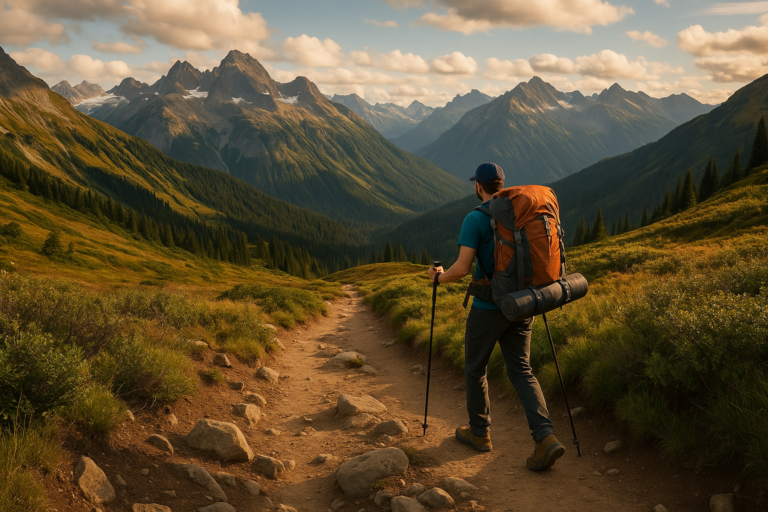
You don’t have to walk every single kilometre. The Kumano Kodo has excellent bus connections between sections, which means you can prioritise the most scenic and historically significant stretches while skipping the occasional road-walking section. This flexibility makes it one of the most accessible multi-day hiking trails for people who want a serious adventure without committing to extreme endurance.
When to Go and What to Expect
Spring (late March to May) and autumn (October to November) are the most popular seasons, and for good reason. The cherry blossoms in spring and the fiery foliage in autumn transform an already beautiful trail into something genuinely spectacular. Summer is hot and humid — manageable, but demanding. Winter can be cold and some mountain sections may have snow, though the lower stretches remain walkable year-round.
The Kii Peninsula receives significant rainfall throughout the year, so waterproof layers are non-negotiable. The trail itself is well-maintained and well-signposted in both Japanese and English, which makes independent navigation straightforward even for first-time visitors to Japan.
Accommodation and Budget on the Kumano Kodo
Accommodation along the Nakahechi route includes traditional Japanese guesthouses called minshuku and ryokan, as well as some simpler lodges near the trail. Many include dinner and breakfast in the price, which is both convenient and a highlight in itself — Japanese home cooking in a mountain village is an experience worth planning your itinerary around.
Japan has a reputation for being expensive, but the Kumano Kodo region is more affordable than Tokyo or Kyoto. Guesthouses with meals included typically fall in the mid-range bracket, and if you’re budget-conscious, planning ahead and booking directly can help significantly. Factor in transport costs from Osaka or Kyoto (the most common entry points), trail meals, and any shrine entrance fees, and you’re looking at a manageable budget for a week-long adventure.
Fitness, Difficulty, and Who These Trails Are Really For
One of the biggest misconceptions about multi-day hiking trails is that they’re only for ultra-fit, gear-obsessed outdoor veterans. They’re not. Both the Valbona-Theth route and the Kumano Kodo are genuinely accessible to people with a reasonable base level of fitness — but it’s worth being honest about what that means.
For Valbona to Theth, the 4,000 feet of elevation gain in a single day is the real challenge. If you can comfortably walk for six to eight hours and handle steep, uneven terrain, you’ll be fine. Training ahead of time with day hikes that include significant elevation is a smart move. The descent into Theth is harder on the knees than the ascent, so trekking poles are worth considering.
The Kumano Kodo is generally more forgiving in terms of single-day elevation, but the multi-day nature means cumulative fatigue is the main factor. Walking 15 to 20 kilometres a day on stone paths through humid forest requires stamina rather than raw athletic ability. Anyone who exercises regularly and enjoys long walks will find it manageable.
What to Pack for Both Trails
- Footwear: Waterproof hiking boots with ankle support for Valbona-Theth; trail runners or light hiking boots work well on the Kumano Kodo’s well-maintained paths.
- Layers: Mountain weather changes fast on both routes. A lightweight down jacket, a waterproof shell, and moisture-wicking base layers cover most scenarios.
- Navigation: Download offline maps before you go. Both trails have good signage, but having a backup is always sensible.
- First aid: Blister treatment, anti-inflammatories, and a basic kit. Blisters are the number one reason people struggle on multi-day routes.
- Cash: Both regions, particularly the remote sections, rely heavily on cash. ATMs can be scarce once you’re deep in the mountains.
- Snacks and water: Carry more than you think you need, especially on the Valbona-Theth pass section where resupply points are limited.
Other Multi-Day Hiking Trails Worth Your Time
If Albania and Japan have sparked your curiosity, the world of long-distance hiking has plenty more to offer. The Tour du Mont Blanc loops through France, Italy, and Switzerland over roughly ten days and remains one of Europe’s most iconic routes. The Lycian Way in Turkey follows an ancient coastal path through ruins, fishing villages, and cedar forests. The W Trek in Chilean Patagonia delivers some of the most dramatic mountain scenery on the planet, with well-organised infrastructure that makes it accessible for independent travelers.
Each of these routes shares something with Valbona-Theth and the Kumano Kodo: they reward slowness. The best moments on any long trail rarely happen at the famous viewpoints. They happen at the small guesthouse where the owner insists on showing you their garden, or on the unexpected conversation with a fellow hiker who turns out to be from the same city as you, or in the quiet hour before sunrise when you’re the only person on the path and the world feels entirely yours.
How to Start Planning Your First Multi-Day Hike
The logistics of a multi-day hike can feel overwhelming at first, but they’re genuinely simpler than most people expect. Start by choosing a trail that matches your current fitness level and the amount of time you have. A week is enough for both Valbona-Theth (with approach and departure days included) and the core Kumano Kodo Nakahechi route.
Book accommodation in advance for peak season, especially for the Albanian Alps where guesthouse capacity is limited. For the Kumano Kodo, the Kumano Travel organisation offers an excellent booking service and detailed trail information for independent hikers. Research transport connections carefully — knowing how to get to the trailhead and away from the finish point saves a lot of stress on the day.
Tell someone your itinerary. It’s a basic safety step that’s easy to skip and important not to. And finally, resist the urge to over-plan every hour. The best multi-day hiking trails have a way of surprising you, and leaving space for those surprises is half the point.
The Real Reason to Walk These Trails
You could read every guide, watch every video, and still not fully understand what it feels like to stand on the Valbona pass with the Accursed Mountains stretching out in every direction, or to arrive at Kumano Hongu Taisha after days of walking through ancient forest and feel the weight of all those centuries of pilgrimage around you. Some experiences only make sense from the inside. Multi-day hiking trails are exactly that kind of experience — they ask something of you, and in return they give you something that no highlight reel can capture. The only way to find out what that is, is to go.
This article was produced with AI assistance and reviewed editorially.


Sri Lanka in October: Skip the Crowds, Embrace the Adventure

Vietnam Beyond the Guidebook: What You Actually Need to Know


