
United Kingdom
England’s Coastal Escapes: Cornwall, Scilly Isles, and Isle of Man for Adventure Seekers
Explore three dramatic UK coastal destinations perfect for adventure seekers. Discover Cornwall’s fishing villages, remote Isles of Scilly, and Isle of Man’s unique cultu

Why the UK’s Coastline Deserves More of Your Attention
When people think about dramatic coastal escapes, their minds often jump straight to southern Europe. But some of the most genuinely wild, character-filled, and memorable UK coastal destinations are right here — and they’re far less crowded than you’d expect. Cornwall, the Isles of Scilly, and the Isle of Man each offer something distinct: rugged cliffs, hidden coves, strong local identity, and the kind of slow, immersive pace that actually lets you breathe. If you’re after an adventure that doesn’t require a flight halfway across the world, these three places are worth your full attention.
This guide is for the curious traveler who wants more than a beach selfie. It’s for the person who’d rather stumble across a fishing village at low tide than follow a tourist map. Whether you’re planning a solo trip, heading out with friends, or just looking for your next weekend escape, this is where to start.
Cornwall: Where the Land Meets the Atlantic
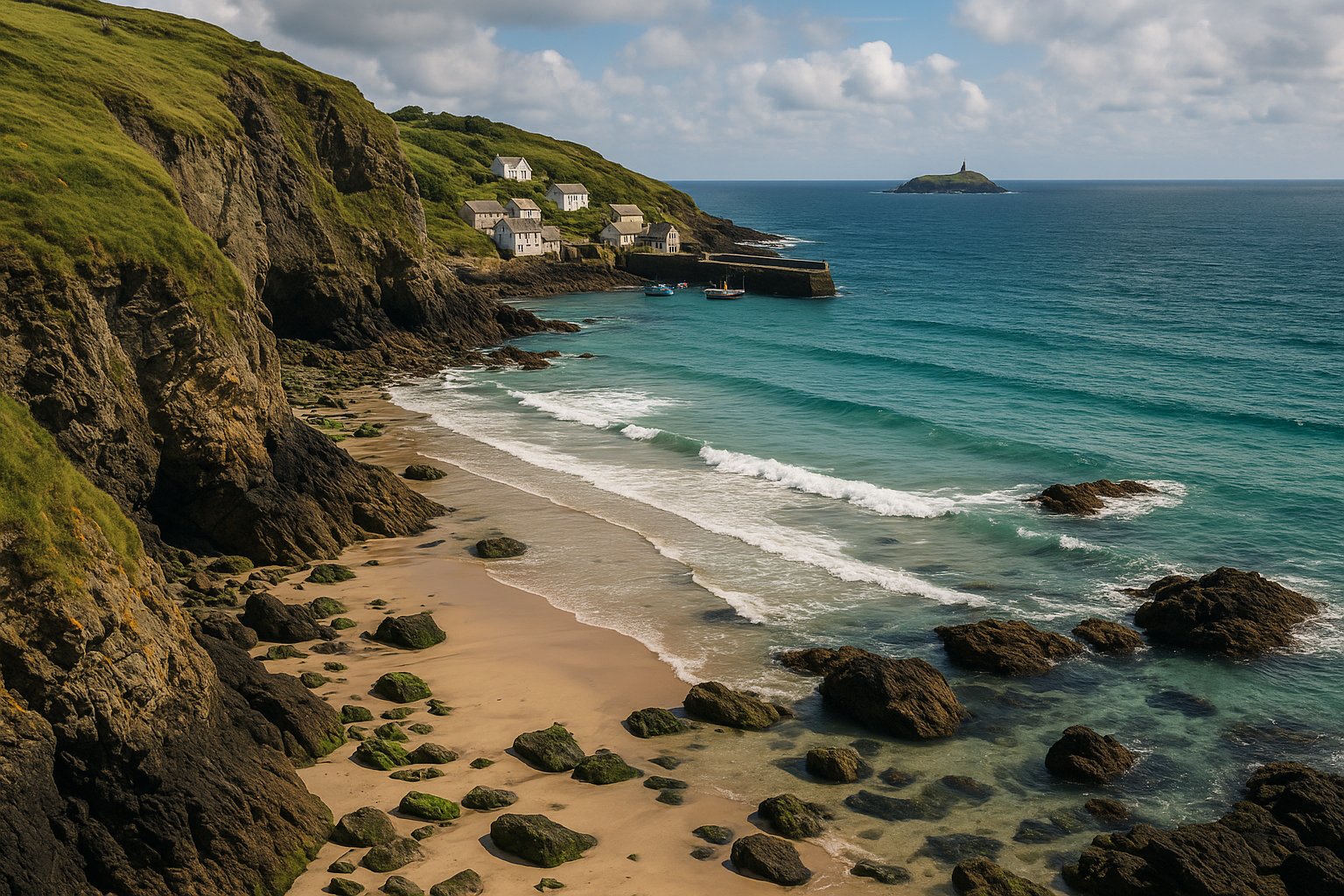
Cornwall sits at the southwestern tip of England, jutting out into the Atlantic like it’s daring the ocean to come closer. And the ocean obliges. The coastline here is constantly shifting — calm turquoise bays one moment, crashing grey waves the next. It’s one of those places that looks different every time you visit, depending on the season, the light, and the tide.
The Fishing Villages You’ll Want to Get Lost In
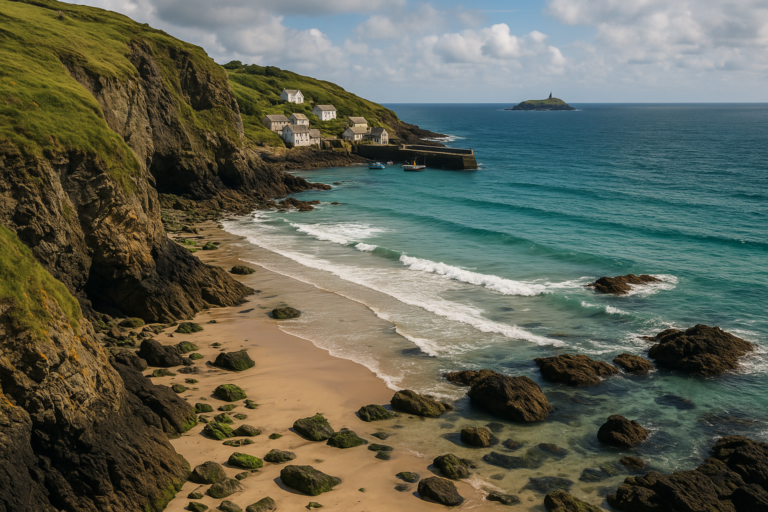
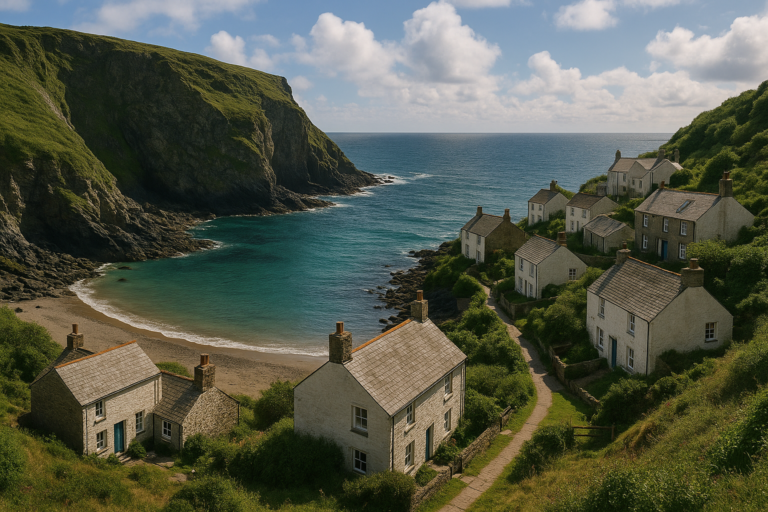
Cornwall’s fishing villages are the real heart of the region. Places like Mousehole, Porthleven, and Boscastle feel genuinely lived-in — not polished for tourists, but shaped by generations of people who worked the sea. You’ll find narrow streets that wind down to working harbors, boats still coming in with the catch, and pubs where the conversation is louder than the music.
St Ives is probably the most well-known, and for good reason. The light here is famously beautiful — artists have been coming since the 19th century — and the town manages to feel both vibrant and intimate at the same time. Wander up through the backstreets early in the morning before the day-trippers arrive, and you’ll understand why people fall for it so hard.
Further along the coast, Padstow offers a different energy. It’s a working fishing port with a lively food scene built around what comes out of the water. Grab something from a local stall, sit on the harbor wall, and watch the boats. Simple as that, and completely worth it.
Beaches, Cliffs, and Coastal Paths
Cornwall’s beaches range from wide, surf-ready stretches to tiny coves you can only reach on foot. Porthcurno is one of the most striking — a wedge of white sand tucked between towering granite cliffs, with water that genuinely looks tropical on a clear day. Kynance Cove on the Lizard Peninsula is similarly dramatic, with serpentine rock formations and clear green water that feels almost unreal.
If you like walking, the South West Coast Path runs along much of Cornwall’s coastline and gives you access to viewpoints and hidden spots that you simply can’t reach by car. You don’t need to walk the whole thing — even a few hours on a section of the path will reward you with views that are hard to find elsewhere in England. The stretch around Land’s End and the cliffs near Tintagel are particularly striking, though it’s worth checking current conditions and path maps before you set out.
Surfing is another reason people keep coming back. Newquay has been the center of UK surf culture for decades, and whether you’re a complete beginner or someone who knows what they’re doing, you’ll find waves and surf schools to match your level. The atmosphere is relaxed, the community is welcoming, and the water — while cold — is exhilarating.
Getting There and Getting Around
Cornwall is well connected by train from London and other major UK cities. The journey from London Paddington to Penzance takes around five hours and passes through some genuinely scenic countryside as you approach the southwest. Traveling by train also means you arrive without the stress of driving on narrow Cornish lanes, which can be an experience in itself.
Once you’re there, having some flexibility helps. Local buses connect the main towns, but some of the more remote villages and beaches are easier to reach by bike or on foot. Cycling routes exist across parts of the county, and bike hire is available in several towns. If you do hire a car, just be prepared for roads that were clearly designed before vehicles existed.
In terms of timing, Cornwall tends to get busy during school summer holidays. Visiting in late spring or early autumn generally means fewer crowds, more accommodation availability, and prices that are easier to manage. The weather can be unpredictable year-round — that’s part of the charm — so packing layers is always a good idea regardless of when you go.
The Isles of Scilly: A World Apart
Sitting just 28 miles off the Cornish coast, the Isles of Scilly feel like a completely different world. The archipelago is home to a total population of around 2,153 people, spread across a handful of inhabited islands surrounded by over 35 beaches. The water is extraordinarily clear. The pace is slow. And the sense of isolation — in the best possible way — is unlike anything else you’ll find in the UK.
What It Actually Feels Like to Be There
Arriving on the Isles of Scilly, you immediately notice the quiet. There are no traffic jams, no chain restaurants, no billboards. The islands are small enough that you can walk across them in an afternoon, but rich enough in detail — rock pools, wildflowers, ancient burial mounds, working flower farms — that you could easily spend a week and still feel like you’re discovering something new each day.
St Mary’s is the largest and most connected island, and it’s where most visitors base themselves. From there, small inter-island boats take you across to Tresco, St Agnes, Bryher, and St Martin’s — each with its own character. Tresco has the famous Abbey Garden, a subtropical garden that thrives thanks to the mild microclimate. St Agnes is the most remote feeling of the inhabited islands, with a strong community and views that go on forever. Bryher is rugged and windswept on one side, calm and sheltered on the other.
The beaches here are genuinely extraordinary. The sand is white, the water shifts between shades of green and blue depending on depth, and on a clear day the light is luminous. It doesn’t look like England — which is exactly why people are so surprised when they arrive.
Getting to the Isles of Scilly
Access to the islands requires a bit of planning, and it’s worth checking current options and booking ahead, especially during peak season. According to Condé Nast Traveller, regular flights operate from Exeter, Newquay, and Land’s End, with some routes taking as little as 20 minutes. Helicopter flights are also available from Penzance to Tresco, which is a memorable way to arrive. For those who prefer a more scenic approach, a sleeper train from London to Cornwall followed by a morning crossing is a genuinely enjoyable option — you wake up in the southwest and step onto the islands by mid-morning.
Whatever route you choose, book as early as you can. Transport links have limited capacity, and spaces fill up quickly in summer. Off-season travel is possible but some services reduce frequency, so always check ahead.
Accommodation and Practical Considerations
Accommodation on the islands ranges from small guesthouses and B&Bs to self-catering cottages and a campsite on St Mary’s. The campsite option is popular with younger travelers and keeps costs significantly lower than staying in a hotel. Self-catering cottages work well for groups, and booking directly through local operators often gives you more flexibility than going through larger platforms.
Food on the islands leans heavily on local produce — particularly seafood. There are a handful of cafes and restaurants, and the quality tends to be high even in unpretentious settings. Eating simply and locally is both the practical and the enjoyable approach here. Bring snacks and supplies from the mainland if you’re watching your budget, as provisions on the islands can be more expensive due to the logistics of getting everything there.
The best time to visit is generally between late spring and early autumn, when the weather is most reliable and the islands are fully open. Spring is particularly beautiful — wildflowers cover the fields, the light is soft, and the islands feel fresh and unhurried before the summer season builds.
The Isle of Man: Culture, Adventure, and Something Genuinely Different
The Isle of Man sits in the Irish Sea between England, Scotland, Ireland, and Wales — geographically central, culturally distinct. It’s a self-governing Crown dependency with its own parliament, its own currency, and its own identity that doesn’t fit neatly into any single category. For travelers who want somewhere that feels genuinely off the beaten path without leaving the British Isles, it’s one of the most interesting options around.
The island is known for its dramatic landscapes — rugged coastlines, rolling hills, ancient Celtic heritage, and a strong tradition of outdoor adventure. The Visit Isle of Man tourism board highlights active and outdoor experiences as a central part of what the island offers, and that reputation is well earned. Walking, cycling, coasteering, and open water swimming are all popular, and the infrastructure for outdoor activities is well developed.
Outdoor Adventures on the Island
The Isle of Man has an extensive network of footpaths and trails that take you through some genuinely varied terrain. Coastal walks give you views across the Irish Sea on clear days, while inland routes pass through glens, farmland, and historic sites. The island is compact enough that you can cover a lot of ground in a few days, but the landscape rewards slow exploration.
Cycling is another strong option — the island has dedicated routes and a culture of cycling that goes back a long way. Mountain biking trails exist for those who want something more technical, while road cyclists will find quiet lanes and challenging climbs. The combination of coastal scenery and varied terrain makes it a genuinely rewarding destination for anyone who likes to explore on two wheels.
For those drawn to water, the coastline offers opportunities for kayaking, paddleboarding, and coasteering. The water is cold — this is the Irish Sea — but the clarity and the drama of the cliffs make it worth it. Local operators run guided experiences for beginners, so you don’t need to arrive with specialist kit or experience.
Getting to the Isle of Man and Getting Around
The Isle of Man is accessible by ferry from several UK ports and by flights from a number of regional airports across Britain and Ireland. It’s worth checking current schedules and booking ahead, particularly during busy periods like the famous TT motorcycle races, when accommodation and transport fill up very quickly. Outside of those peak events, the island is generally easier to navigate and quieter than you might expect.
Once on the island, public transport covers the main routes, and the island’s historic railway network — which includes electric and steam-powered services — is both a practical way to get around and an experience in itself. Cycling is also a popular way to explore independently, and bike hire is available. The island is compact enough that you don’t need a car to see a lot of it, though having one gives you more flexibility for reaching remote coastal spots.
What to Eat and Where to Stay
The Isle of Man has a strong food culture built around local produce — particularly seafood, dairy, and meat. Queen scallops are a local specialty and appear on menus across the island. Eating at local pubs and cafes rather than tourist-facing restaurants tends to give you better value and a more genuine sense of the place. Markets and farm shops are worth visiting if you’re self-catering.
Accommodation ranges from hostels and budget guesthouses in Douglas, the island’s main town, to self-catering options spread across the island. Visiting outside peak periods — particularly avoiding the weeks around major motorsport events — makes both accommodation and transport significantly more manageable for budget-conscious travelers.
Planning Your Trip: Practical Advice for All Three Destinations
Each of these destinations rewards a slightly different approach, but a few principles apply across all three. Traveling outside school holidays and peak summer weeks almost always means lower prices, fewer crowds, and a more authentic experience. Late spring and early autumn are generally the sweet spots — the weather is reasonable, the landscapes are at their most vivid, and you’re more likely to find accommodation without booking months in advance.
Budget-wise, all three destinations offer options across a range of price points. Camping and self-catering are the most cost-effective approaches, and they also tend to give you more freedom and flexibility. Eating locally — at harbor-side cafes, market stalls, and community pubs — is both cheaper and more rewarding than eating at tourist-focused establishments. Cooking your own meals some of the time makes a meaningful difference to overall costs without requiring much sacrifice on the experience side.
Booking transport early is essential for the Isles of Scilly in particular, where capacity is genuinely limited. For Cornwall and the Isle of Man, early booking helps but isn’t quite as critical outside peak season. Always check current schedules and conditions before you travel, as services and availability can change.
Pack for variable weather regardless of when you go. The British coastline is famously unpredictable, and that’s part of what makes it so dramatic. A waterproof layer, good walking shoes, and the willingness to embrace whatever the weather brings will serve you far better than hoping for guaranteed sunshine.
Three Coastlines, Countless Stories
Cornwall, the Isles of Scilly, and the Isle of Man represent three very different expressions of what UK coastal destinations can be. Cornwall is wild and accessible, full of surf culture and fishing heritage and cliffs that make you feel genuinely small. The Isles of Scilly are remote and luminous, a place where time slows down and the ocean takes over. The Isle of Man is distinct and adventurous, shaped by its own history and offering outdoor experiences that most travelers haven’t even considered. Together, they make a compelling case for exploring closer to home — not as a compromise, but as a genuine choice. The stories you’ll collect along these coastlines are the kind that stay with you long after you’ve unpacked your bag.
This article was produced with AI assistance and reviewed editorially.


Sri Lanka by Backpack: The Route, Costs, and Unmissable Stops

Uzbekistan’s Silk Road Cities: Samarkand & Bukhara in 2026


