
Tech Corner
Travel Safely with AI: Security and Savings Combined
Explore how AI is enhancing travel safety with innovative security and cost management solutions.

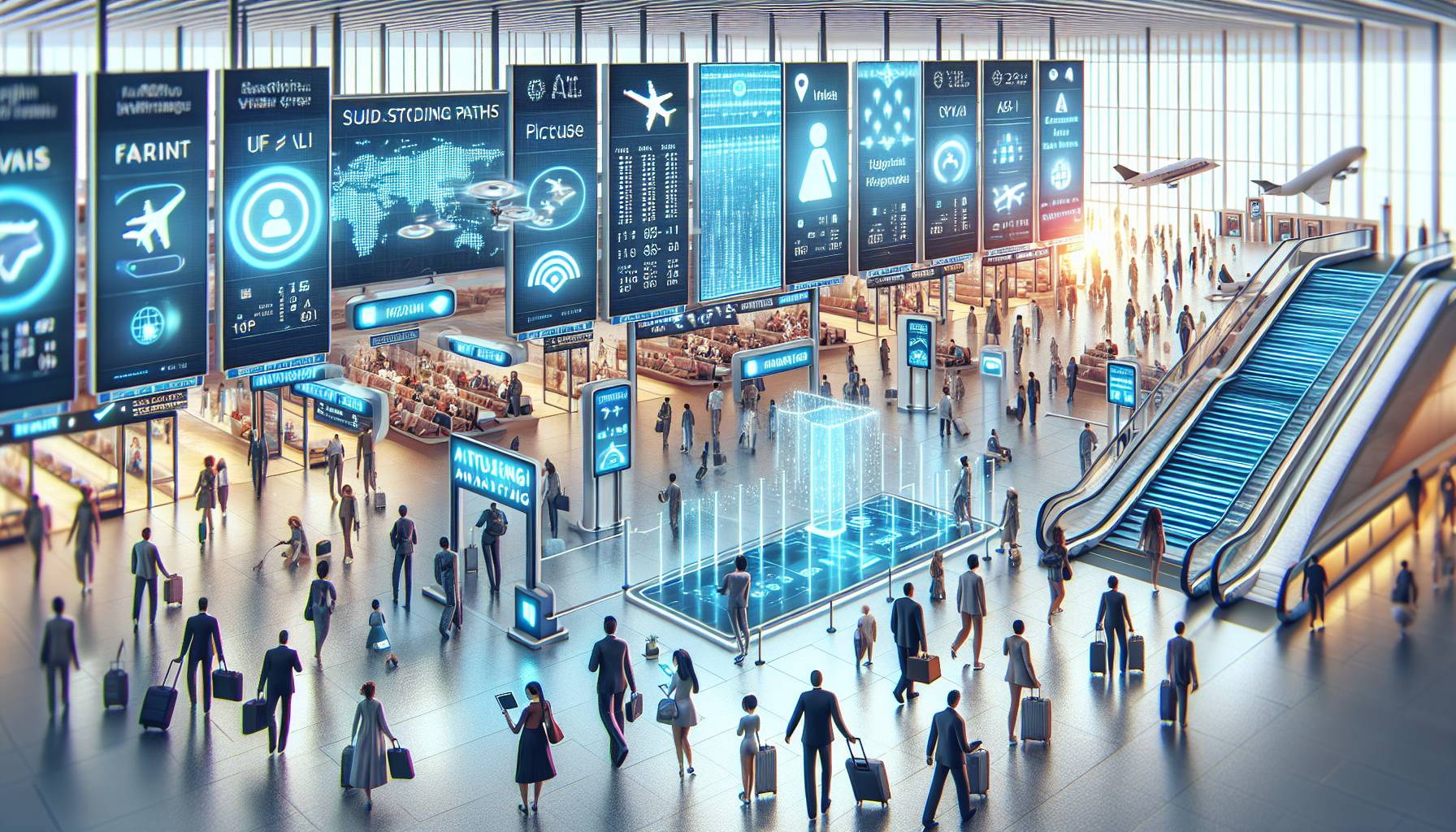
Artificial intelligence is transforming travel safety by offering enhanced security and cost-effective solutions. From navigating risks to managing emergencies, AI tools are revolutionizing how travelers experience the world with increased trust and reliability.
Introduction to AI in travel safety
In today’s dynamic world, artificial intelligence (AI) is profoundly transforming various industries, and the travel industry is no exception.
Incorporating AI into travel safety protocols not only enhances the overall travel experience but also ensures a higher level of security and cost efficiency.
By leveraging AI technologies, travelers can navigate the complexities of modern travel with greater confidence.
From real-time alerts and intelligent navigation systems to efficient security checks and advanced analytics, AI offers unparalleled tools for safe travel.
The integration of AI into the travel sector represents a major shift towards ensuring that both travelers and operators can enjoy a more secure and optimized experience.
This evolution promises to reshape how we perceive and manage safety in the global travel ecosystem.

Navigating travel risks using AI technology
Traveling involves numerous risks, ranging from security threats to logistical challenges.
AI technology serves as a powerful ally in navigating these risks effectively.
Modern AI systems are capable of analyzing vast amounts of data to predict and mitigate potential threats, such as weather disruptions, geopolitical tensions, and health advisories.
Machine learning algorithms continuously learn from past incidents to provide real-time updates and personalized recommendations to travelers.
Moreover, AI-driven solutions are able to monitor social media and news outlets, offering alerts about emerging risks related to travel destinations.
By utilizing AI technology, travelers can make informed decisions and adjust their plans to avoid potential hazards, ensuring a safer journey.
Security tips while using AI travel tools
While AI travel tools significantly enhance safety, travelers must remain vigilant to ensure their personal security.
Firstly, it’s crucial to utilize only reliable AI platforms and ensure that privacy settings are appropriately configured.
Many AI travel applications ask for access to personal data, which should be shared judiciously.
Users should also be aware of phishing scams and malicious applications disguised as legitimate AI tools.
Keeping software and applications regularly updated helps protect against vulnerabilities that hackers might exploit.
Additionally, travelers should employ robust passwords and, where possible, use biometric verification methods provided by AI tools.
These security tips ensure that travelers can confidently leverage AI for enhanced safety without compromising their personal information.
AI solutions for emergency cost management
AI solutions are pivotal in managing costs during emergencies, offering considerable advantages for both travelers and travel service providers.
In unforeseen situations like flight cancellations or medical emergencies, AI systems can rapidly analyze alternatives and cost-effective solutions.
AI-powered applications can assist in rebooking flights, finding the best accommodation prices, and even automating insurance claims, thereby reducing stress and financial impact.
Moreover, businesses within the travel industry can utilize AI to optimize their emergency response strategies, allocating resources more efficiently and minimizing operational costs.
By adopting AI-driven tools for emergency management, travelers and travel businesses alike can achieve a balance between safety assurance and financial prudence.

Enhancing traveler trust with AI security
Trust is a critical factor in the travel industry, and AI security solutions play an essential role in enhancing traveler confidence.
With the advent of AI-based risk assessment and authentication, travelers can benefit from robust protection systems that ensure their safety and security.
For instance, AI can identify and neutralize potential threats at airports through advanced facial recognition and anomaly detection, providing a seamless and secure experience.
Additionally, AI enhances trust by ensuring transparency and accountability through detailed tracking and reporting mechanisms, allowing travelers to feel informed and reassured throughout their journey.
The capacity of AI to consistently deliver secure travel experiences fosters greater trust among travelers, which is indispensable for the industry’s growth and sustainability.
Future of AI in travel safety protocols
The future of AI in travel safety is marked by continuous advancement and innovation.
As AI technologies evolve, we can anticipate even more sophisticated solutions designed to address complex safety challenges.
The integration of AI into safety protocols will likely include predictive analytics to forecast travel trends and potential risks further in advance, enabling more proactive measures.
Additionally, the development of interactive AI companions could support travelers with personalized advice and real-time safety updates.
Collaborative efforts between AI developers and travel stakeholders will result in smarter, more resilient travel ecosystems.
Emphasizing ethical AI development is crucial, ensuring that the deployment of AI respects privacy and enhances user experience while delivering tangible security benefits.
The future promises a safer, more efficient travel experience powered by AI.


What Hanoi Is Actually Like: A Local’s Honest Take

Hiking Albania’s Valbona to Theth Trail: What You Need to Know Before You Go


